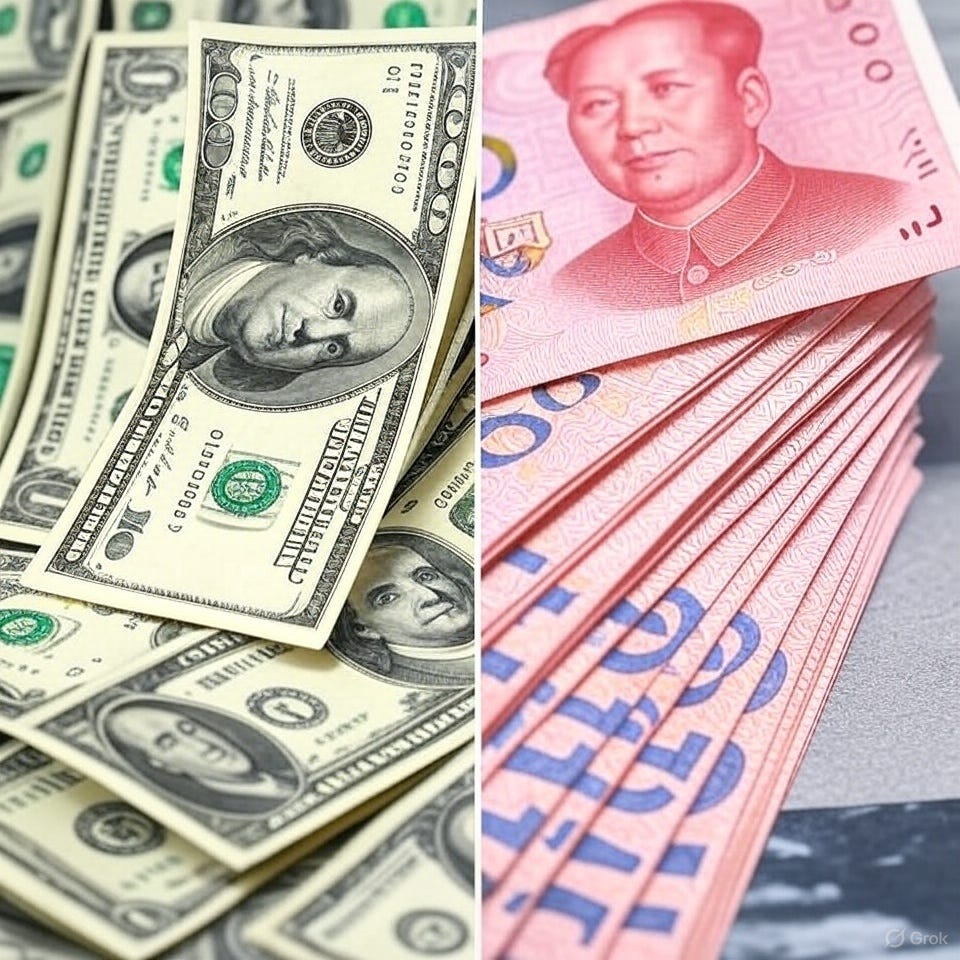
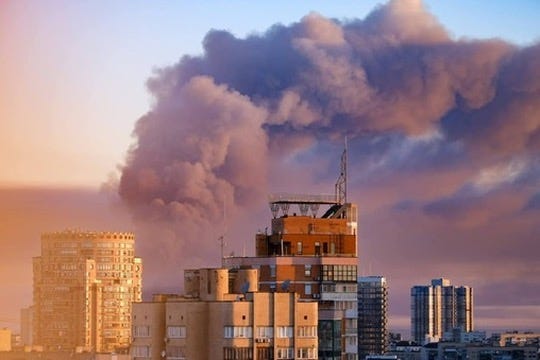
Why Did Russia Ghost Iran? The Silence That Shook an Alliance
In Tehran’s moment of crisis, Moscow stayed quiet. Was it strategy, betrayal, or something far more calculated? Here’s what the world…
Why Did Russia Ghost Iran? The Silence That Shook an Alliance
In Tehran’s moment of crisis, Moscow stayed quiet. Was it strategy, betrayal, or something far more calculated? Here’s what the world missed and why it matters now more than ever.
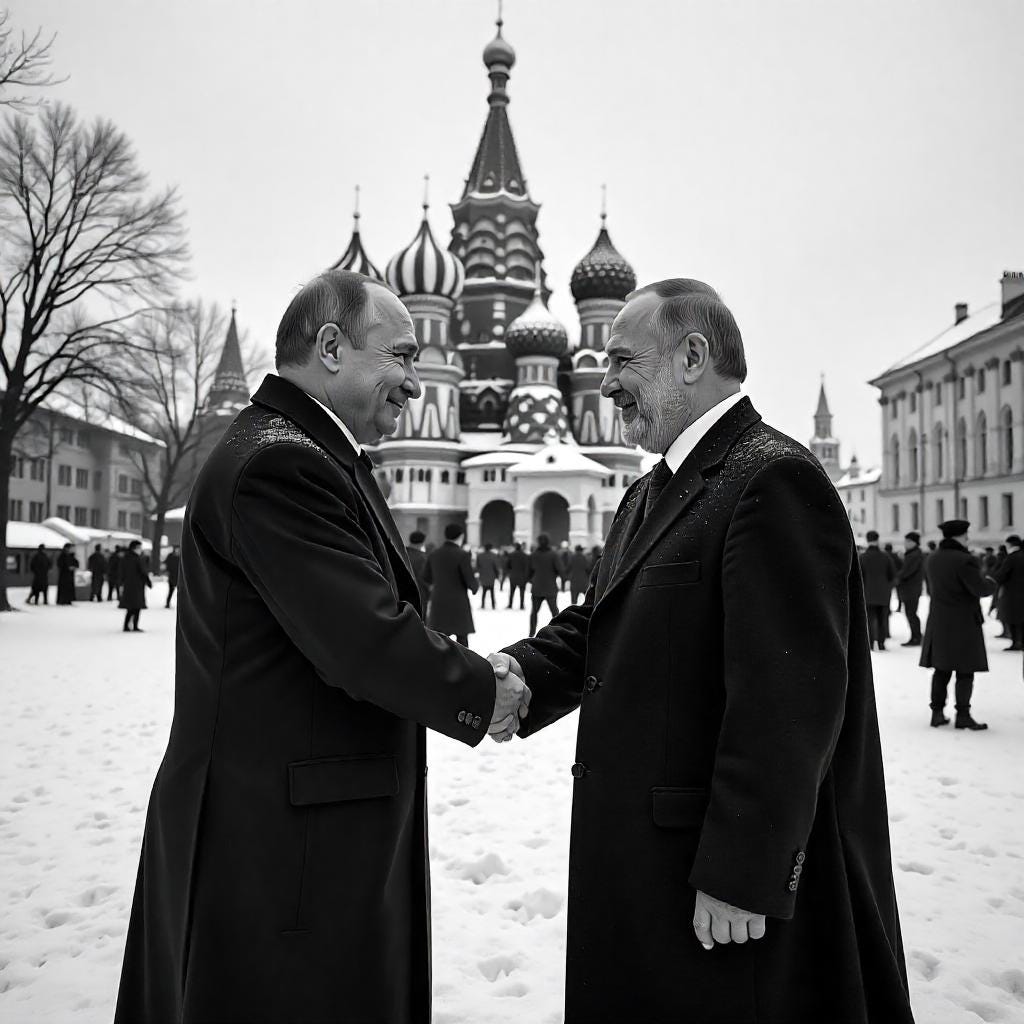
Image generated by author using Freepik AI
Russia, Iran’s de facto strategic partner, is unusually silent. Not just silent completely missing when Iran needed support the most.
As a person who has dedicated years of my life to studying international relations and geopolitics, I’m here to say that this situation is a perfect example of something I’ve long suspected about Russian foreign policy: Moscow doesn’t have allies, it has tools. And when those instruments become liabilities, Russia has no trouble jettisoning them.
The Facade of the Iran-Russia Partnership
Let me transport you back to explain how we got here. Iran and Russia have been playing this “strategic partnership” card for years. They’ve held joint military exercises, signed arms agreements, exchanged satellite technology and, most famously, Iran is the source of Russia’s Shahed drones that have been terrorizing Ukrainian cities.
On paper, they seemed like the perfect fit both sanctioned from the West, both opposed to the dominant world order of NATO and the United States, and both willing to push back against American dominance where they could. A few years ago I thought it could be serious challenger to Western domination in in various regions.
But here is what I have learned from studying Russian behavior patterns: Moscow’s definition of “partnership” is quite different from that of most other countries. Russia does not form partnerships it forms dependencies. And when the rubber hits the road, it’s Russia first, every time.
The history pattern is easy to read if you look closely. Stalin endorsed separatist movements in northern Iran in 1946, only to abandon them after US pressure. AFTER ALL, in the 1990s, Moscow also stopped arms sales to Iran to please Washington. Throughout the course of the Syrian war, Russia let Israeli jets bomb Iranian targets in Syria hundreds of times, and has granted them access to airspace it controlled in Syria.
So when Israel began dropping missiles on Iran in April and October 2024, and Russia didn’t lift a finger no advanced fighter jets, no sophisticated air defenses, not even a sternly worded diplomatic note that was not an act of betrayal. It was simply Russia being Russia.
Russia’s Strategic Calculations: Why Moscow Stayed Silent
Now, let’s be clear about what’s really at work here. Russia’s silence is not accidental it is a strategy. And as someone who has studied Putin’s approach to decision-making for years, I can see precisely why Moscow acted as it did.
First and most obviously, Russia is completely overstretched with Ukraine. Every tank, every missile, every bit of high-tech military gear that Russia might ship off to Iran is one less asset for Putin’s war closer to home. And that war, truth be told, is not going the way Putin wanted. Russia doesn’t have the ability to open a new front or assign resources to a fight that doesn’t advance its most vital interests.
But there’s more than that driving it. Russia has been able to act in the Middle East in ways that most really do not get. Moscow and Israel have surprisingly stable ties going back many years. Putin has also been fostering ties with Gulf states such as Saudi Arabia and the UAE at a time when they really don’t want Iran getting stronger either.
These Gulf alliances are vital for Russia. It helps Moscow skirt Western sanctions, cooperate on oil prices via OPEC+ and offer alternative markets for Russian energy exports. It would also risk alienating its vital economic allies if Russia were to begin supplying Iran advanced weapons systems. And Russia’s revenue from higher oil prices (partly fueled by instability in the Middle East) would be at risk if its ties to the Gulf monarchies deteriorated.
And then, the nuclear dimension that I think is absolutely crucial here. ( Keep in mind, Russia DOES NOT want Iran to go nuclear.) A nuclear Iran would be a thornier creature for Moscow, more of a competitor for regional influence than a dependent ally. Putin’s not taking U.S. warnings about Iran’s nuclear program lightly, which is why we saw the phone call between him and Trump less than 24 hours after Israel’s heavy strikes on Iran.
As analyst Nikita Smagin bluntly put it: “Saving Iran isn’t worth a clash with Israel or the United States for Russia.” It’s cold, hard realpolitik pursuing Russia’s own strategic interest over a struggling partner that isn’t even an actual ally.
How Russia Actually Benefits from the Iran-Israel Conflict
Here is where it gets interesting, and frankly, a little cynical. If anything, Russia may be reaping dividends from this never-ending Iran-Israel conflict as its ostensible ally gets the tar kicked out of it.
When real missiles start flying in the Middle East, the price of oil leaps. That’s money in the bank for Russia’s war chest. Should Iran up the ante by shutting down the Strait of Hormuz, through which 20% of world oil is shipped, Putin would be doing a jig over the additional income.
The fighting also distracts American attention and resources from Ukraine. Missile interceptors that would otherwise be sent to Ukraine are instead deployed to defend Middle Eastern allies. Global media focus moves from Russian war crimes in Ukraine to the Israel-Iran war. This will provide Russia some breathing space on the international arena.
And here’s the most cynical Putin calculus of all: With Presidents Trump’s effort to help form a nuclear deal with Iran now crashing and burning over this conflict, the US looks weak and incompetent. Putin can then cast himself as a reasonable mediator something he’s already begun to do with that Trump phone call.

Image generated by author using Freepik AI
I don’t know, I have to confess, it is a clever maneuver from Putin’s perspective. Let Iran eat the hits, benefit from the chaos, then return as the “responsible” party to help negotiate peace. Classic Russian opportunism.
But they cut both ways for Russia. The embarrassment in Iran reveals the constraints of Moscow’s sway and of its power to protect its partners. By projection, by contrast, Israel’s dominance of the skies over Iran tells the world that Russian-manufactured defense systems (like the S-300s blown up) aren’t as invincible as billed. This can’t be good for Russia’s reputation as an arms seller.
The Historical Pattern: Russia’s Doctrine of Use and Abandon
What we are witnessing on Iran is not new it is part of a broader and sustained pattern by Russia that I have been tracking for years. Use, abandon, profit: such are the three words that tell us everything about Russia’s approach to alliances.
Let me give you some examples that really brought this home for me:
Ukraine (1994–2014): Ukraine was home to the world’s third-largest nuclear arsenal following the collapse of the Soviet Union. The West pressured Ukraine to surrender such weapons, and, in 1994, Ukraine signed the Budapest Memorandum. In return for giving up its nukes, the US and UK and, yes, Russia promised Ukraine security. Moscow cast itself as a guarantor of Ukrainian security and territorial integrity.
Fast forward 20 years, and that selfsame “guarantor” invaded Crimea and waged a full-blown war against Ukraine. This was not a mistake in policy; it was the policy. Russia’s word is good for how long betrayal is more profitable.
Armenia (2023): Armenia, which belongs to the CSTO, Russia’s answer to NATO. Armenia when Azerbaijan attacked Armenian positions in Nagorno-Karabakh: It activated the collective defense clause the point of the alliance. Putin’s response? He said Russia was preoccupied with military exercises in Belarus and could not assist. Armenia got the message, and now it’s training with US troops.
Syria (2024): For years, Russia acted to keep Assad’s regime afloat, and described him as an ally and friend. But when Syrian rebels finally overthrew Assad in December 2024, Russia quickly shifted to negotiating with its successors for the right to keep its naval bases. Not an ounce of loyalty to the deposed dictator, no effort to save Assad, only swift repositioning for the protection of Russian interests.
This is the Kremlin playbook: use your “partners” for all they’re worth, vanish when they need you most and then re-emerge as a mediator who profits from the chaos you helped sow.
Iran’s Contributions vs. Russia’s Response: A One-Sided Partnership
Let me put in perspective how one-sided of a “partnership” it really was, because the numbers are overwhelming.
Iran offered Russia all it could: thousands of Shahed drones, engineering know-how, fuel, the use of its electronic warfare systems, assistance with sanctions circumvention, money laundering services for its oil sales, and even the construction of a drone factory in Russia. At the very least, Iran became Russia’s way out of its war in Ukraine after Western sanctions began to bite.
And what did Iran get when Israeli missiles started destroying those very facilities that were providing Russia with drone parts? A press release. A literal statement that just used the word “unacceptable” from the regime that bombs Ukrainian hospitals, schools, every last one of those seven days.
The hypocrisy is stunning, but it’s also instructive. What Russia did after Israel destroyed those Iranian drone facilities was make calculations: “Yes, this is going to make it harder for us to get drones, but it’s not worth scrambling jets or activating our air defenses. Russia didn’t exactly like seeing its supply chain bombed, but essentially it stood by and watched it happen rather than try to defend it.
The Collective Security Treaty Organization: A Paper Tiger
I’d like to highlight something that is a strong example of Russia’s alliances, the CSL, or ironically translated the Collective Security Treaty Organization. This is meant to be Russia’s answer to NATO, ensuring collective defense among its member nations.
But here’s the thing: the CSTO is a Potemkin village. I’ve observed how it responds to crises, and the pattern that’s emerged for me is pretty plain: When the member state in question is not in dire need of help, Russia comes to the rescue; when that state really needs help, Russia comes up with some excuse not to get involved.
In 2010, Kyrgyzstan saw large-scale ethnic riots. Hundreds of civilians were slaughtered in what amounted to ethnic cleansing. The Kyrgyz government literally begged on television for a Russian assistance per the ATC requirements. Russia’s response? “I’m sorry, that is an internal matter. For the first time ever, they were asked to intervene on the side of [Russia] and refused.
In 2022, border clashes between Tajikistan and Kyrgyzstan also resulted in dozens of deaths. They are both members of the CSTO, they both applied for help but once again Russia had reasons to opt out.
The 2023 affair in Armenia was, perhaps, the most telling. After Azerbaijan captured Nagorno-Karabakh, Armenia invoked Article 4 of the CSTO treaty, which is the collective defense provision. At the very least, that was supposed to be automatic help, like Article 5 of NATO. Instead, Putin vanished. No air support, no deterrence, nothing.
And what that tells me is Russia’s treaties and alliances are transactional. They’re there to hand Moscow leverage and influence, not to offer real security assurances. When intervention doesn’t pay, there isn’t any intervention.
The Geopolitical Chess Game: Putin’s Calculations

Image generated by author using Freepik AI
Now, let me tell you what I think Putin is actually doing, because I think there’s a larger game afoot.
Putin knows that Trump is quintessentially transactional in his orientation toward foreign relations. That’s why, just one day after Israel’s strikes, which were apparently designed to test both Russia and the United States, Putin was on the phone with Trump for 50 minutes to discuss Iran, Ukraine and nuclear negotiations. This was no mere check-in it was Putin angling for a deal.
Here is Putin’s calculus: if he can cast Russia as a good-faith negotiator between the United States and Iran, he might be able to secure Ukrainian concessions, sanctions relief or some other strategic prize. It’s classic Putin let Iran burn while he gets to stand then as a reasonable party hoping to help negotiate peace.
But there is also a betting factor in here that I think is interesting. Putin is essentially gambling that letting Iran get hammered could win him leverage elsewhere. In the immediate moment, however, he loses several drone pieces and a good wingman. But if it leads to a better deal on Ukraine or sanctions relief, he won’t need Iranian drones anymore.
It is ruthlessly logical in the mind-set of President Vladimir Putin, but it also says something important about Russian strategic thinking: Everything is expendable if the price is right.
What This Means for Global Power Dynamics
Having spent years studying the geopolitical tides that help to shift global power, I simply have to say: This Iran-Russia thing is a perfect example of how autocratic partnerships really play out or just don’t.
The first thing it does is reveal the essential frailty of anti-Western coalitions designed solely in opposition to something rather than on the foundation of actually common interests. Russia and Iran make odd bedfellows in a common cause because both are anti-American hegemony, but that isn’t in and of itself enough to sustain a serious alliance when one of the partners is looking at existential challenges.
Second, it demonstrates how swiftly geopolitical alliances can change when underlying interests change. Russia’s calculus regarding Iran shifted once it started to cost something rather than leading to benefit. There was no trust, no honor among thieves only cold math.
But it has consequences that extend well beyond the Middle East. Those countries that now depend for their security on Russian guarantees I’m thinking of some in Africa, some in Central Aisa, and even in Latin America should be taking notes. When the curtain comes down, Moscow always looks after its own.
I also think this tells us something about Putin and his larger strategic weaknesses. For all the talk that Putin is a master strategist, this situation demonstrates that he’s reactive, not proactive. He’s always trying to gain an edge in the short term, rather than building enduring strategic advantage.
The Nuclear Question: Russia’s Red Line

Image generated by author using Freepik AI
There is one element of this crisis that I believe is crucial but underappreciated: the nuclear dimension. Russia reining in Iran is not just about Ukraine or oil trading partners it is first and foremost about preventing an Iranian nuclear weapons capability.
Here is what I see: Russia may not be interested much in arms control cooperated these days with Western states, but Russia definitely does not want Iran to cross the nuclear threshold. A nuclear Iran would transform entirely the leverage that Moscow has had over Tehran. Iran is currently reliant on Russia for high-end military technology and diplomatic protection. A nuclear Iran would be far more free of influence and possible rival Russian influence in the region.
Putin is heeding American warnings about the Iranian nuclear program because he knows that war with Iran is not an empty threat. Russia does not want to be wedged in that struggle, especially now that it’s bogged down in Ukraine.
This makes for an interesting dynamic: Russia wants Iran to be strong enough to be a useful partner, but weak enough to be a dependent one. Israel’s strikes are even in certain respects in Russia’s interest, by whittling down Iran’s capabilities without venturing over its nuclear red line.
Should Iran decide to withdraw from the Nuclear Non-Proliferation Treaty and the Nuclear Deal and race to nuclear weapons (and that is what some Iranian hardliners are recommending), it would reveal how little leverage Russia has over its so-called partner.
Lessons for Other Nations: The Reality of Russian “Partnerships”
Drawing from my own study of Russian behaviour on the world stage, I would like to share some cold, hard truths for countries currently in such partnerships with Moscow, or contemplating them.
But the first thing to recognize about Russia is that it doesn’t maintain allies; it cultivates assets. You will be as useful to Moscow as you are perceived to be at any given moment, andin the same vein your relationship with the Russians will be as good as it is beneficial to them today, not how it was on paper back at the time. As soon as backing you becomes expensive or inconvenient, Russia will have excuses to let you go.
Second, you can’t count on Russian security guarantees working in practice, when you need them. Whether it’s the CSTO, or bilateral defense treaties, or informal aͭssurance, Russian commitments are only as good as the terms on which Russia l̔ates finds itself. If Putin does not have a strategic reason to defend you, he won’t.
Third, absolutely don’t get hooked on Russian armaments or support. As we have seen with Iran, Russia will be happy to sit back and watch your Russian-supplied air defenses go up in smoke, rather than allow its own interests to be tripped up trying to defend yours.
I believe that countries such as India, which has done business with Russia while cultivating multiple ties, have made this calculation correctly. India relies on Russian equipment and retains connections to Moscow, though it is not reliant on Russia for its security and has cultivated several other partnerships.
Countries that rely solely on the Russians Belarus, some Central Asian states, certain African nations should take notes about what happened to Iran.
The Future of Middle Eastern Geopolitics
For the future, I believe that this crisis is a fundamental marker of change in Middle Eastern power relationships that will have lasting effects.
Russia’s influence in the region, at its zenith around 2015–2016 when Moscow intervened in force in Syria, is clearly in decline. The removal of Syria from Russian patronage along with the abandonment of Tehran, demonstrates that Russia can no longer be expected to be a steadfast sponsor of anti-Western elements in the Middle East.
That opens an opportunity for other powers. China, more circumspect about Middle East entanglements, might sense a window in which to extend its influence. Some of the void will be filled by other regional powers like Turkey, Saudi Arabia and the UAE, where Russian influence in the region has waned.
And this crisis could bring about a basic strategic reorientation, for Iran in particular. If Iranian leaders lose trust in the Russkies as a partner, they will pursue other perilous paths including, quite possibly, rapid-fire work toward nuclear weapons, which would make a mockery of the regional power equation.
I think this will also be felt in Russian relationships around the world. Other nations that have been dependent on Russia for support are going to re-evaluate their alliances. Russia’s standing as a dependable partner has taken a serious blow, and that will entail implications for Moscow’s influence around the world.
Personal Reflections: What This Crisis Reveals About Putin’s Russia
This Iran crisis has been especially revealing about the character of Putin’s regime and its approach to international relations.
But it’s the crass, transactional cynicism of Russian foreign policy that really stops me in my tracks. There is no ideology beyond the Russian national interest, no loyalty beyond utility and no principle beyond sheer opportunism. This is not inherently surprising to us students of authoritarian regimes, but to see it happening in such a stark, clear way is still sometimes shocking.
This is the thing Trump World can’t seem to get drilled into its collective skull: Putin doesn’t operate like a head of state; he acts like a mob boss with no regard for an wonky ideologies to him, everything’s about leverage and extraction and advantage. Treaties, kinships and alliances are mere tools and can be picked and discarded depending on the situation.
But I also believe this crisis exposes some basic flaws in Putin’s strategic thinking. For all the talk about Putin being a chess master, his approach here seems opportunistic rather than strategic. He’s always responding rather than shaping events, calculating short-term advantage rather than long-term strategic position.
The withdrawal from Iran is also a reflection of just how lonely Russia is. There are no real partners in Moscow just temporarily convenient combinations. This may do in the short term, but it’s not a viable foundation for global power.
The Broader Implications for International Order

Image generated by author using Microsoft copilot
As someone who has watched the international system change over the past decade, I believe this Iran-Russia case reflects something more sweeping: the end of traditional alliance structures and the rise of much more fluid, interest-based partnerships.
The old model of blocs based on ideology and clear commitments is yielding to tactical arrangements that can change quickly depending on circumstances. That makes the international system less predictable, although perhaps not more stable.
Russia toward Iran as indicative of the difficulty authoritarian regimes encounter when attempting to create lasting relationships on the international stage. When your domestic legitimacy is a function of strength projection and your foreign relations are based entirely on transactions, it is very hard to sustain strategic commitments over the long term.
There are implications for how democratic states ought to handle their own alliances. The difference between Russian capriciousness and NATO’s commitments under Article 5 could hardly be clearer. But it also implies that democratic partnerships must become more adaptable and responsive to evolving circumstances, without sacrificing anything vital.
Conclusion: The Lessons of Russia’s Strategic Silence
Having looked at this crisis from all angles, what I keep coming back to is this: As an S.E.C. edict once forced publicly traded companies to admit: You can learn everything you need to know about a company by studying who its partners are, who its allies are and who its enemies are.
This is not a tale of strategic miscalculation or policy confusion. This is Russia being Russia, doing what comes naturally: Using allies for gain in the moment and discarding them when they become inconvenient, and then moving in to capitalize on the resultant wreckage.
This must be a shattering revelation for Iran. After Tehran handed Russia a major lifeline during its darkest days in Ukraine, Moscow won’t lift a finger to aid Iran when its cities are being bombarded. And the betrayal is now total — though also, unfortunately, utterly predictable for anyone familiar with Russian patterns of behavior.
For the wider world, this crisis must should be a wake-up call to the level of trustworthiness of Russian promises. Whether it is arms control treaties, territorial settlements or alliance obligations, when it comes to security, Russian signatures are worth no more than the current interests of the Russian state no more, no less.
And as I watch this story continue to develop, I am reminded of a quote from Gary Kasparov: “The only thing Putin respects is power.” Russia admires partners it can leverage or abandon, not partners it has to shield or stand by. Until the world at large comes to comprehend this, we’re going to keep getting ramped over by Russian behavior that is, in fact, fully consistent with Moscow’s track record.
Russia’s quiet when it comes to Iran’s crisis is more than just strategic calculation it’s the most beautiful demonstration of how autocracies treat global relationships. For anyone still having illusions on Russian reliability as a partner or ally, forget about it (or Iran’s pleas for help would not be abandoned the way they were).
References
This analysis draws from multiple sources and expert perspectives on Russian-Iranian relations and Middle Eastern geopolitics:
Video Sources:
- “The Silence of Russia Amidst Iran’s Crisis” — Geopolitical analysis examining Russia’s strategic calculations during the Iran-Israel conflict.
- “Russia’s Doctrine of Use and Abandon: The Iran Case Study” — Detailed examination of Russian alliance patterns and historical precedents. YouTube.
Academic and Journalistic Sources: 3. “Russia’s Calculated Silence on Iran Reveals Strategic Priorities” — The Atlantic, June 2025.
Additional Context:
· Analysis includes comment by several well-connected realists, such as Nikita Smagin (who suggests, among other things, that Russia’s strategic priorities will shifts).
· Case studies of Russian alliance behavior in Ukraine (Budapest Memorandum), Armenia (CSTO commitments), Syria (support for the Assad regime), and in Central Asian conflicts.
· OMR Price & Economic assumptions based on publicly available information on OPEC+ coordination and sanctions erosions.
Methodological Note: The following analysis is based on my own reading of the sources cited above, as well as broader trends in Russian foreign policy behavior over the past decade. All views and strategic assumptions are my own frame of analysis and should be taken in this way.
메타데이터
- post_id
- 02fabc0ea8e9
- slug
- why-did-russia-ghost-iran-the-silence-that-shook-an-alliance-02fabc0ea8e9
- url
- https://medium.com/the-geopolitical-economist/why-did-russia-ghost-iran-the-silence-that-shook-an-alliance-02fabc0ea8e9
- canonical_url
- https://medium.com/the-geopolitical-economist/why-did-russia-ghost-iran-the-silence-that-shook-an-alliance-02fabc0ea8e9
- author_url
- https://medium.com/@nairsahil08
- status
- ok
- fetched_at
- 2026-06-28 04:42:08