Plot Problems That Don’t Look Like Plot Problems
The Character Issue Hiding Inside Your Story
Plot Problems That Don’t Look Like Plot Problems
The Character Issue Hiding Inside Your Story
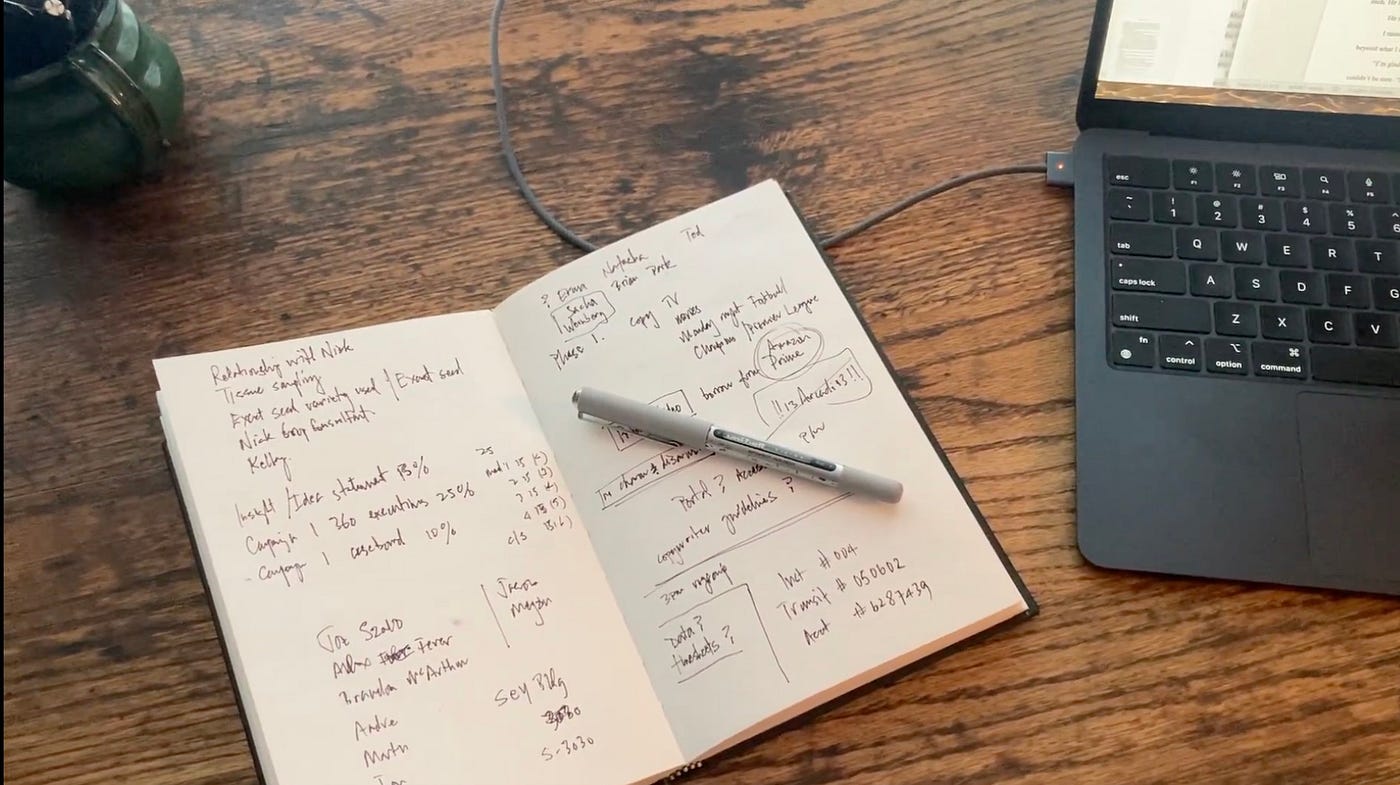
Photograph of the author’s desktop
For a long time, I thought plot was the most important part of a novel.
This was partly because I write thrillers, where readers generally expect somebody to uncover something, pursue someone, or narrowly avoid becoming a cautionary tale. A thriller in which none of those things occur is less a thriller and more a detailed account of municipal planning.
Plot felt tangible because you could point at it. The protagonist discovers a body. The villain launches a scheme. The bomb has three minutes left on the timer. These were plot things, important things, the sort of things readers were supposedly paying good money to care about. At least I thought so.
Character, meanwhile, seemed softer and more subjective, the sort of thing cleverer people (you know, like literary novelists) discussed while staring thoughtfully out of rain-covered windows and wondering whether a kettle symbolised regret.
Then I started writing novels. Or more accurately, I started writing enough attempted manuscripts to discover that reality had little interest in my theories.
Readers don’t care about plot nearly as much as I thought they did. What they care about is people. Plot is merely the thing happening to those people. You can destroy cities, reveal conspiracies, crash aeroplanes, and expose centuries-old secrets, but if readers don’t care who’s involved, the whole affair lands with the emotional impact of a quarterly earnings report.
Which brings us to an awkward truth.
Many plot problems aren’t actually plot problems. They’re character problems wearing a false nose and beard.
Why Another Explosion Won’t Help
One of the most common complaints writers worry about is that their story feels slow. The usual response is to add more plot. A murder. A chase. A betrayal. Possibly all three before lunch. Sometimes that works. Often it doesn’t.
Many slow stories aren’t suffering from a shortage of events. They’re suffering from a shortage of desire. The protagonist doesn’t want anything strongly enough, the goal isn’t sufficiently clear, or the consequences of failure remain too distant.
Readers will happily follow a character trying to save a marriage, a business, or a dog for hundreds of pages if they care about the outcome. They’ll become restless halfway through a helicopter chase if they don’t care who’s inside it.
A Meeting About Scheduling Another Meeting
The same thing happens in sagging middles. Characters discuss options, analyse problems, attend meetings, and occasionally schedule follow-up meetings to discuss the findings of previous meetings until the manuscript starts resembling local government.
Don’t get me wrong. I’m not against dialogue, but it needs to serve a purpose. What moves stories isn’t discussion. It’s decisions. The moment a protagonist starts acting instead of merely reacting, consequences begin accumulating, and consequences are what readers experience as plot.
When The Plot Starts Doing The Heavy Lifting
Coincidences often point to the same issue. A protagonist isn’t driving events, so information falls into their lap. Helpful strangers emerge carrying exactly the clue required to move the story forward. Convenient documents appear. Critical evidence practically tackles the protagonist to the floor. In my view, it’s lazy writing
When characters lose agency, coincidence starts working double shifts. Writers often try to fix these problems by redesigning the plot when what they really need is a protagonist willing to get out of the passenger seat.
More Explosions, Same Problem
Even escalation suffers from this problem. The threats become larger, the explosions become larger, the body count becomes greater, yet somehow the story feels smaller. This kind of diminishing return arises when escalation foregoes increasing pressure in favour of increasing danger.
A bomb is a plot device. A character deciding whether to sacrifice someone else to stop the bomb is drama. Readers don’t become invested because the consequences are bigger. They become invested because the choices become harder.
A Narrative Jump Scare
Writers love twists. Readers love twists. Publishers love twists so much they’d probably install one in the company cafeteria if they could. But surprise and significance aren’t the same thing.
A revelation only matters if it changes something meaningful for the people involved. Otherwise it’s narrative confetti: briefly exciting and then left lying around while the reader wonders what any of it was for.
The strongest twists don’t simply alter information. They alter relationships, loyalties, assumptions, and self-perception. Eventually I realised I’d been treating plot and character as separate systems. One generated events. The other generated feelings.
In reality, they’re tangled together. Character creates decisions. Decisions create consequences. Consequences create plot. That’s where the engine is. Not in the explosions. Not in the twists. Not in the secret documents hidden behind paintings in suspiciously expensive country houses.
Those things matter, but only because they happen to somebody readers care about.
So the next time you’re convinced your manuscript has a plot problem, ask yourself a slightly uncomfortable question. What if the plot isn’t broken? What if the character driving it is?
Because adding another chase scene to a story with weak characters is a bit like installing a larger engine in a shopping trolley. The vehicle becomes considerably faster, the screams become considerably louder, and for a few glorious seconds everyone mistakes motion for progress.
For more reflections on how to write a novel, and the self-publishing journey behind my Andrew MacKay thrillers, visit my website. Or listen to my mini podcast. Or you can visit my YouTube channel.
If you found this essay useful, here are two other pieces you might like:
-
Writing Mistakes That Feel Clever at the Time (and Aren’t)
-
*Non-Decorative Description Avoiding Lifeless Literary Landscaping*
메타데이터
- post_id
- 030e2cf92275
- slug
- plot-problems-that-dont-look-like-plot-problems-030e2cf92275
- url
- https://medium.com/@jsdunlop/plot-problems-that-dont-look-like-plot-problems-030e2cf92275
- canonical_url
- https://medium.com/@jsdunlop/plot-problems-that-dont-look-like-plot-problems-030e2cf92275
- author_url
- https://medium.com/@jsdunlop
- status
- ok
- fetched_at
- 2026-06-10 08:17:25