“Sapé”…to dress up!
Picture this: a guy strolls down the cobblestone streets of Paris, crisp white shirt tucked into slim black trousers, a tailored blazer…
“Sapé”…to dress up!

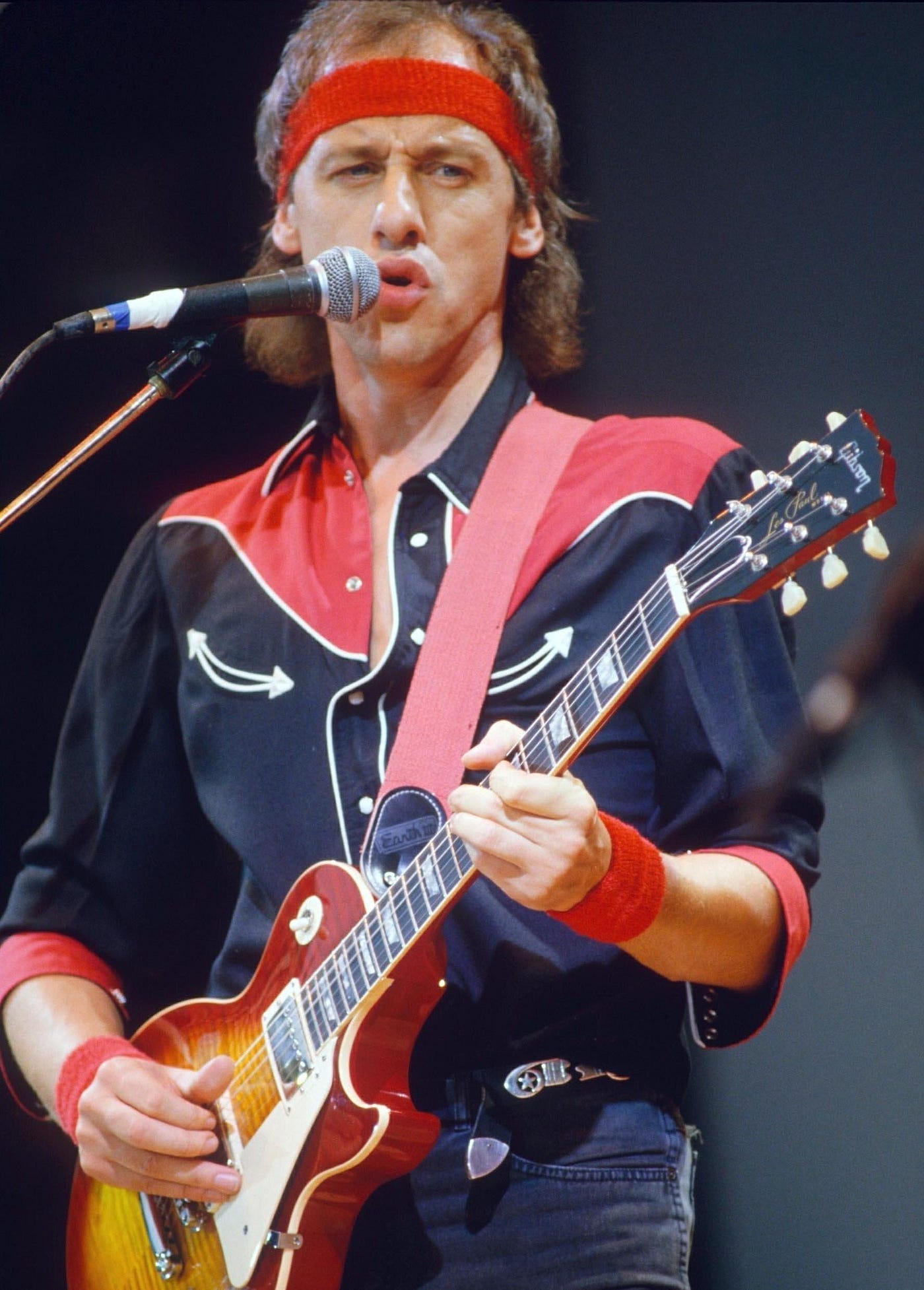
Picture this: a guy strolls down the cobblestone streets of Paris, crisp white shirt tucked into slim black trousers, a tailored blazer slung over one shoulder like he was born in it. His shoes gleam under the café lights, and his hair sits just messy enough to look intentional. Someone nudges their friend and says, “Il est bien sapé.” That little phrase, tossed out like loose change, lands with weight. It’s not just a compliment; it’s a verdict. The dude gets it. He knows how to dress.
“Sapé” isn’t some dusty textbook word. It’s slang, the kind you overhear in the metro or at a bar in Belleville. It comes from the verb “se saper,” which literally means “to dress up,” but carries the swagger of someone who doesn’t just throw on clothes — he curates them. Think of it as the French cousin of “drip” or “clean.” When you say a guy is “sapé,” you’re saying he walked out the door looking like the main character. No effort visible, all impact delivered.
Drop it in a sentence and watch it work: “T’as vu Lucas hier soir ? Complètement sapé.” Translation: “You see Lucas last night? Totally sharp.” The word does the heavy lifting. It skips the laundry list of brands or cuts and jumps straight to the vibe. One syllable — “sapé” — and everyone knows the fit was fire.
The roots run deeper than fashion week runways. “Se saper” started showing up in the early 20th century, tied to the idea of armoring yourself with style, like a knight suiting up. Over decades it loosened, slipped into everyday speech, and now belongs to teenagers swapping Instagram stories as much as to grandpas nodding approval at a wedding. It’s democratic that way. A thrift-store jacket paired with the right attitude can earn the label just as easily as a Saint Laurent haul.

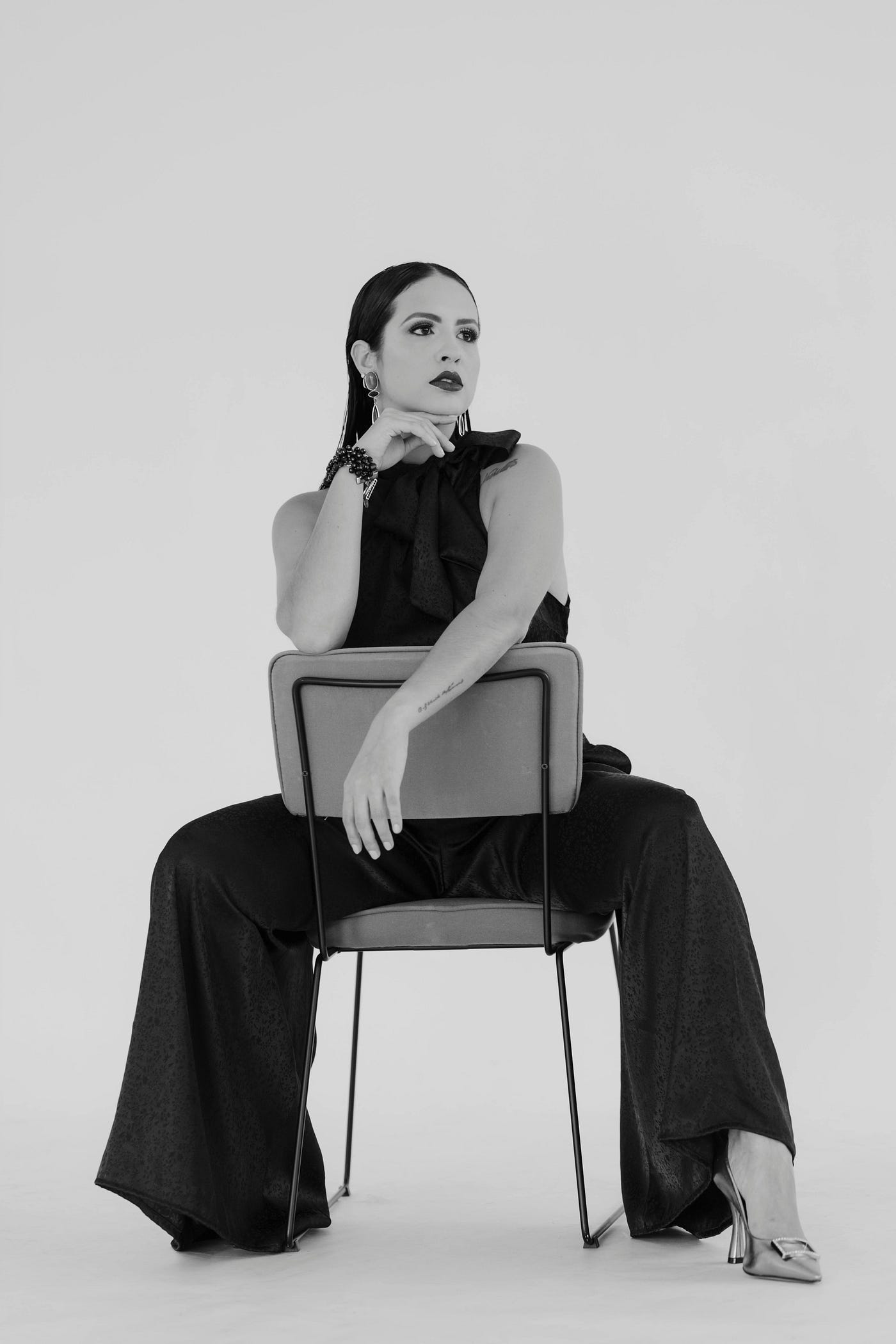
Context matters, though. Say it about a woman and eyebrows raise — “sapée” exists, but it’s rarer, like spotting a unicorn in the wild. The masculine form owns the streets. Say it too formally and you sound like you’re trying. The magic lives in the casual toss-off, the half-smirk that says, “Yeah, I noticed, and yeah, it slaps.”
Next time you’re in France, listen for it. Outside a club in the Marais, a bouncer might clock a velvet blazer and mutter, “Bien sapé, entre.” At a flea market, a vendor could eye a kid’s vintage Nike combo and grin, “T’es sapé, toi.” It’s currency. It opens doors, starts conversations, turns strangers into co-conspirators in the silent game of looking good.
And the best part? You don’t need a trust fund. “Sapé” rewards confidence over cash. A clean white tee, dark jeans, and sneakers scuffed just enough can clear the bar. The word doesn’t care about the price tag; it cares about the story the outfit tells in one glance. Walk like you believe the story, and the street believes it too.
So when someone says “Il est bien sapé,” hear the applause. It’s not about the clothes alone — it’s about the guy wearing them like he owns the sidewalk. One word, three letters, endless swagger. That’s French style in a nutshell.
메타데이터
- post_id
- 03ea4e074f03
- slug
- sapé-to-dress-up-03ea4e074f03
- url
- https://medium.com/@lovefoods_54026/sap%C3%A9-to-dress-up-03ea4e074f03
- canonical_url
- https://medium.com/@lovefoods_54026/sap%C3%A9-to-dress-up-03ea4e074f03
- author_url
- https://medium.com/@lovefoods_54026
- status
- ok
- fetched_at
- 2026-06-21 09:28:28