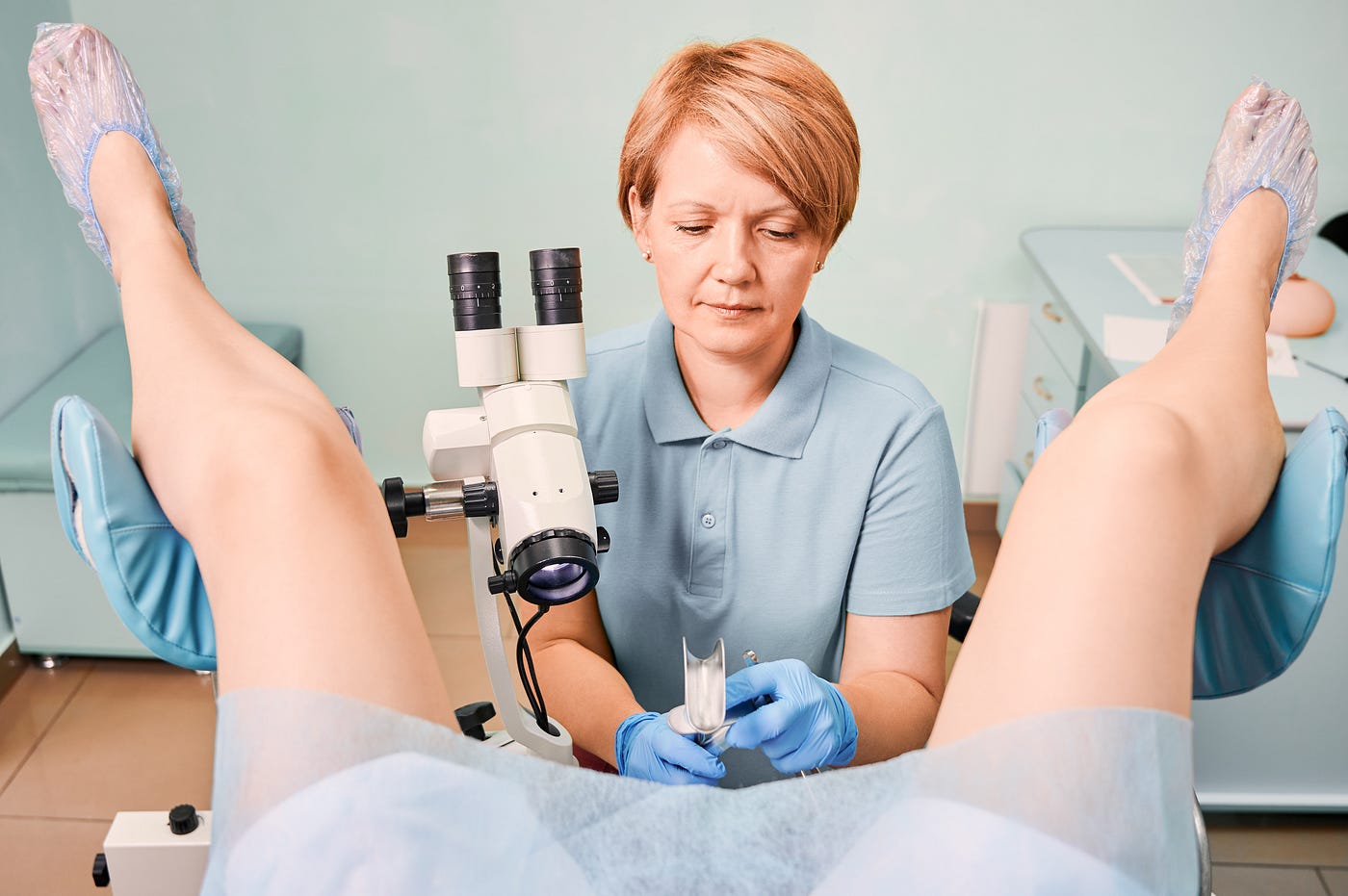
Hysterectomy and Women’s Health: What You Need to Know
A woman’s health is influenced by several factors, including hormonal balance, reproductive health, and overall wellness. Sometimes, due to…
Hysterectomy and Women’s Health: What You Need to Know

A woman’s health is influenced by several factors, including hormonal balance, reproductive health, and overall wellness. Sometimes, due to medical conditions, women may require surgical procedures to restore or protect their health. One such procedure is a hysterectomy — the surgical removal of the uterus. While it is a common surgery, it is also life-changing and requires a deep understanding of its implications on women’s health.
In this article, we will explore what a hysterectomy is, why it is performed, the different types, its impact on women’s health, and how advanced laparoscopic techniques are making recovery easier.
What is a Hysterectomy?
A hysterectomy is a surgical procedure where the uterus is removed, either partially or completely. Depending on the medical condition, other reproductive organs such as the cervix, ovaries, and fallopian tubes may also be removed.
It is typically recommended when less invasive treatments are not effective, and it can provide relief from painful or life-threatening conditions.
Medical Reasons for a Hysterectomy
Doctors may recommend a hysterectomy for a variety of health issues, including:
- Uterine Fibroids: Noncancerous growths that can cause pain, bleeding, or infertility.
- Endometriosis: A condition where tissue similar to the uterine lining grows outside the uterus.
- Uterine or Cervical Cancer: A hysterectomy may be essential in treating gynecological cancers.
- Chronic Pelvic Pain: Severe pain not relieved by other treatments.
- Heavy or Abnormal Uterine Bleeding: When medication and less invasive procedures are ineffective.
- Pelvic Organ Prolapse: When the uterus drops into the vaginal canal due to weakened support muscles.
Types of Hysterectomy
Depending on the medical need, there are different types of hysterectomy procedures:
- Total Hysterectomy — Removal of the uterus and cervix.
- Partial (or Subtotal) Hysterectomy — Removal of the upper uterus while leaving the cervix intact.
- Radical Hysterectomy — Removal of the uterus, cervix, and surrounding tissues, often required in cancer cases.
Surgical approaches include:
- Abdominal Hysterectomy — Through an incision in the abdomen.
- Vaginal Hysterectomy — Through the vaginal canal.
- Laparoscopic Hysterectomy — A minimally invasive procedure using small incisions and a camera, offering faster recovery.
Impact of Hysterectomy on Women’s Health
While a hysterectomy can provide significant health benefits, it also has long-term implications that women must understand.
Positive Impacts:
- Relief from chronic pain and heavy bleeding.
- Reduced risk of certain cancers.
- Improved quality of life when symptoms are resolved.
Challenges and Considerations:
- Hormonal changes if ovaries are removed, leading to early menopause.
- Possible changes in sexual health and intimacy.
- Emotional effects such as anxiety or sadness due to loss of fertility.
- Need for long-term health monitoring, especially for bone and heart health.
Laparoscopic Hysterectomy: A Modern Approach
Advancements in medical technology have made hysterectomy less invasive and more patient-friendly. Laparoscopic hysterectomy involves tiny incisions, minimal blood loss, and faster healing. Women who undergo laparoscopic surgery often experience:
- Shorter hospital stays.
- Reduced postoperative pain.
- Faster return to normal activities.
- Smaller scars and better cosmetic results.
For women in Kerala, Samad Hospital, the best gynec laparoscopy in Trivandrum, offers advanced laparoscopic hysterectomy with highly skilled specialists. Their patient-centered approach ensures safety, comfort, and comprehensive care throughout the process.
Preparing for a Hysterectomy
If your doctor recommends a hysterectomy, preparing physically and emotionally is essential. Steps may include:
- Undergoing necessary pre-surgical tests.
- Reviewing medications with your doctor.
- Understanding recovery timelines.
- Discussing emotional and psychological support.
Life After a Hysterectomy
Recovery varies depending on the type of surgery. Most women resume normal activities within 4–6 weeks for traditional surgery, while laparoscopic procedures may shorten recovery to just 2–3 weeks.
Long-term, women can live healthy and fulfilling lives after hysterectomy. Regular health check-ups, balanced nutrition, exercise, and emotional support play an important role in overall well-being.
Conclusion
A hysterectomy is a significant medical procedure that can transform women’s health by providing relief from painful conditions and improving quality of life. While it comes with both benefits and challenges, modern laparoscopic techniques have made it safer and less invasive.
For expert gynecological care and minimally invasive hysterectomy procedures, trust Samad Hospital, the best gynec laparoscopy in Trivandrum. With experienced specialists and advanced technology, Samad Hospital is committed to supporting women through every stage of their health journey.
메타데이터
- post_id
- 04456e26bb46
- slug
- hysterectomy-and-womens-health-what-you-need-to-know-04456e26bb46
- url
- https://medium.com/@it.ites.samad/hysterectomy-and-womens-health-what-you-need-to-know-04456e26bb46
- canonical_url
- https://medium.com/@it.ites.samad/hysterectomy-and-womens-health-what-you-need-to-know-04456e26bb46
- author_url
- https://medium.com/@it.ites.samad
- status
- ok
- fetched_at
- 2026-07-29 22:12:45