Overview of the Measles Situation
Overview of the Measles Situation
Measles is a highly contagious viral disease that can lead to severe health complications, particularly in children. The SHRC’s alarming report indicates a significant rise in cases compared to previous years. In 2024, Sindh recorded thousands of suspected cases, emphasizing the urgency of a robust response. Understanding the epidemiology of measles is crucial for effective intervention strategies. Measles spreads through respiratory droplets when an infected person coughs or sneezes, making it highly transmissible. The World Health Organization (WHO) states that measles can lead to serious complications such as pneumonia, encephalitis, and even death. Moreover, the virus can remain infectious in the air for up to two hours, increasing the risk of outbreaks in public spaces. Preventing measles requires widespread vaccination, as the measles, mumps, and rubella (MMR) vaccine has proven to be highly effective. However, misinformation and vaccine hesitancy have contributed to decreased vaccination rates in some communities, which can lead to outbreaks. Understanding the current measles landscape in Sindh is essential for implementing strategies that can effectively control its spread.
The Role of the Sindh Human Rights Commission
The SHRC has taken a proactive stance by issuing suo-moto notices regarding the measles outbreak. The commission’s chairman, Iqbal Ahmed Detho, has emphasized the need for health authorities to act swiftly. By referring to the Sindh Protection of Human Rights Act, 2011, the SHRC advocates for the declaration of an epidemic. This legal framework empowers the commission to demand accountability and prompt action from health officials. The commission’s involvement is crucial as it ensures that public health measures are aligned with human rights standards. By advocating for immediate action, the SHRC is pushing for a coordinated response that addresses both the health crisis and the rights of affected individuals. This includes ensuring access to healthcare, information, and vaccination services for all residents of Sindh. Moreover, the SHRC’s engagement can help mobilize resources and support from various stakeholders, including government agencies, non-profits, and community organizations. Collaborative efforts are essential for effectively managing the outbreak and safeguarding the health of vulnerable populations.
Vaccination: The Key to Prevention
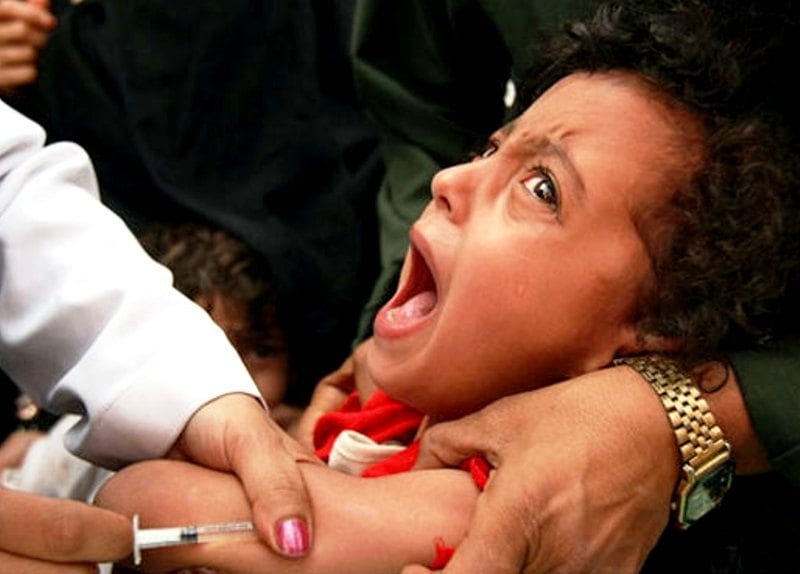
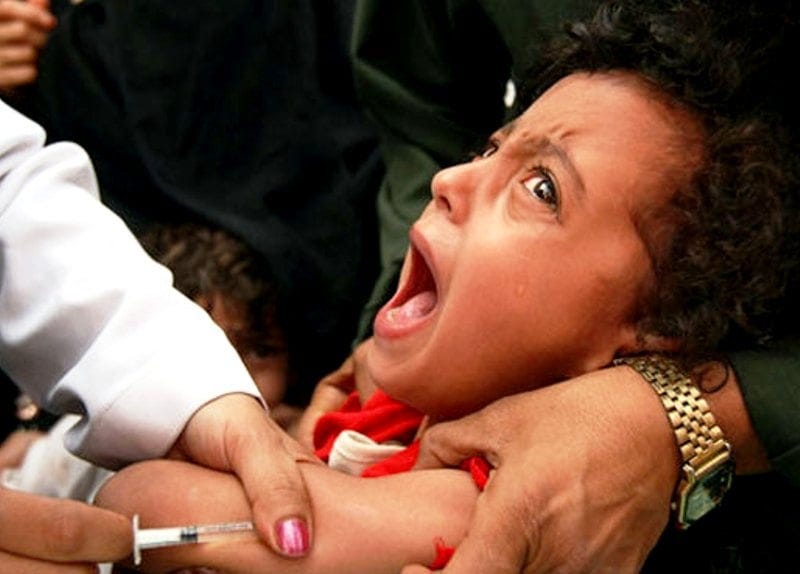
Vaccination remains the most effective method to prevent measles outbreaks. Detho has reiterated the mandatory nature of the measles vaccine, urging health authorities to enhance vaccination efforts. Despite the availability of vaccines, many children remain unvaccinated, putting them at risk. Increasing awareness about the benefits and safety of vaccines is crucial to encourage more families to participate in vaccination programs. The MMR vaccine is typically administered in two doses, with the first dose given between 12 to 15 months of age and the second dose between 4 to 6 years. Vaccination not only protects individuals but also contributes to herd immunity, which helps shield those who cannot be vaccinated, such as infants and individuals with specific health conditions. Public health officials must prioritize outreach and education campaigns to combat misinformation and vaccine hesitancy. Providing clear, evidence-based information about vaccine safety and the risks associated with measles is essential. Engaging trusted community leaders and healthcare professionals can also help reassure parents about the importance of vaccinating their children.
Recommendations for Health Authorities
To combat the measles outbreak, the SHRC has made several recommendations to health authorities. These include declaring the situation an epidemic and implementing special measures for prevention. Sections 11 to 22 of the Sindh Immunisation and Epidemics Control Act, 2023, provide a framework for these measures. Health officials are urged to expedite routine vaccination exercises and ensure coverage at the union council levels. Implementing mobile vaccination units in underserved areas can greatly enhance access to vaccines. These units can reach communities that may have limited access to healthcare facilities, ensuring that children in remote or low-income areas receive vaccinations. Additionally, increasing the number of vaccination sites and extending hours can further improve accessibility. Collaboration with schools and community organizations can also facilitate vaccination drives, where parents can bring their children for vaccinations in familiar and trusted environments. Such initiatives can significantly increase vaccination rates and help contain the outbreak.
The Importance of Public Awareness Campaigns
Public awareness is vital in controlling the spread of measles. The SHRC has stressed the need for targeted awareness campaigns in high-risk areas. Educating communities about measles symptoms, prevention, and vaccination can empower families to protect their children. Engaging local leaders and healthcare workers in these campaigns can enhance outreach and effectiveness. Awareness campaigns should utilize various platforms, including social media, local radio, and community events, to ensure widespread reach. Informational materials, such as brochures and posters, can provide essential information at schools, clinics, and community centers. Additionally, storytelling and testimonials from families who have vaccinated their children can help humanize the message and encourage others to follow suit. By fostering a community-oriented approach to health education, awareness campaigns can address fears and misconceptions about vaccines, ultimately increasing participation in vaccination programs.
The Impact on Vulnerable Populations
The measles outbreak disproportionately affects vulnerable populations, particularly children in low-income areas. These groups often face barriers to accessing healthcare and vaccination services. Addressing these disparities is essential to ensure that all children receive the protection they need. Tailored interventions are necessary to reach the most at-risk communities effectively. Barriers to vaccination may include financial constraints, lack of transportation, and insufficient healthcare infrastructure. Policymakers and health officials must identify these challenges and implement targeted strategies to overcome them. For instance, partnering with local NGOs can help facilitate access to healthcare services in underserved regions. Furthermore, the involvement of community health workers can play a pivotal role in facilitating communication and trust within vulnerable populations. By building relationships and understanding community dynamics, these workers can effectively encourage families to seek vaccinations for their children.
Call to Action for Stakeholders
The SHRC’s call for urgent action highlights the collaborative effort needed from various stakeholders. Government health departments, non-profit organizations, and community leaders must work together to tackle the outbreak. Increased funding, resources, and manpower are essential to implement effective vaccination campaigns. Collective commitment is crucial to safeguarding children’s health and well-being. Stakeholders should prioritize the allocation of resources to high-risk areas, ensuring that vaccination campaigns are adequately funded and staffed. Additionally, fostering partnerships between public health entities and private organizations can increase the effectiveness of outreach efforts. Engaging the media to raise awareness about the situation in Sindh can also mobilize public support and encourage community participation in vaccination initiatives. By fostering a culture of collaboration and shared responsibility, stakeholders can significantly impact the fight against measles.
The Importance of Immediate Action
The measles outbreak in Sindh serves as a stark reminder of the importance of vaccination and public health initiatives. The SHRC’s recommendations provide a roadmap for addressing the crisis effectively. By prioritizing vaccination and raising awareness, stakeholders can significantly reduce the risk of measles and protect vulnerable populations. Immediate action is not just necessary; it is imperative for the health and safety of children in Sindh. As communities come together to combat this outbreak, it is essential to remain vigilant and proactive. Continuous monitoring of vaccination rates and the incidence of measles will help inform public health strategies moving forward. For more insights into the importance of proactive measures in technology and health, visit this article. By embracing a comprehensive approach that includes vaccination, education, and community engagement, Sindh can work towards eradicating measles and safeguarding the health of its children.
메타데이터
- post_id
- 048b0684c1b7
- slug
- overview-of-the-measles-situation-048b0684c1b7
- url
- https://medium.com/@mattsup/overview-of-the-measles-situation-048b0684c1b7
- canonical_url
- https://medium.com/@mattsup/overview-of-the-measles-situation-048b0684c1b7
- author_url
- https://medium.com/@mattsup
- status
- ok
- fetched_at
- 2026-06-26 21:52:29