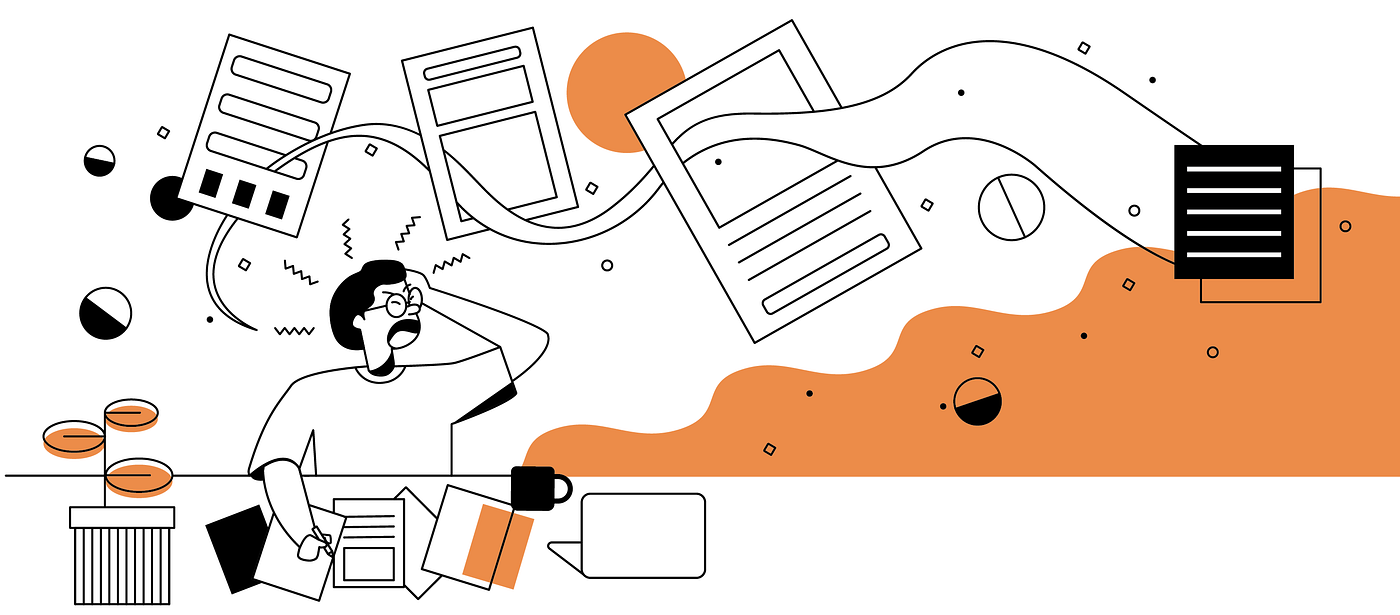
If Startups Design is Dead in 2026?
War, Venture Capital Anxiety, and the Quiet Shift in the UI/UX Design Market
If Startups Design is Dead in 2026?
War, Venture Capital Anxiety, and the Quiet Shift in the UI/UX Design Market
For more than a decade the global startup ecosystem existed inside an almost mythological narrative of acceleration, where innovation appeared inevitable, capital was abundant, and every new founder seemed capable of building the next technological revolution from a laptop and a compelling pitch deck. The entire system was built around speed.
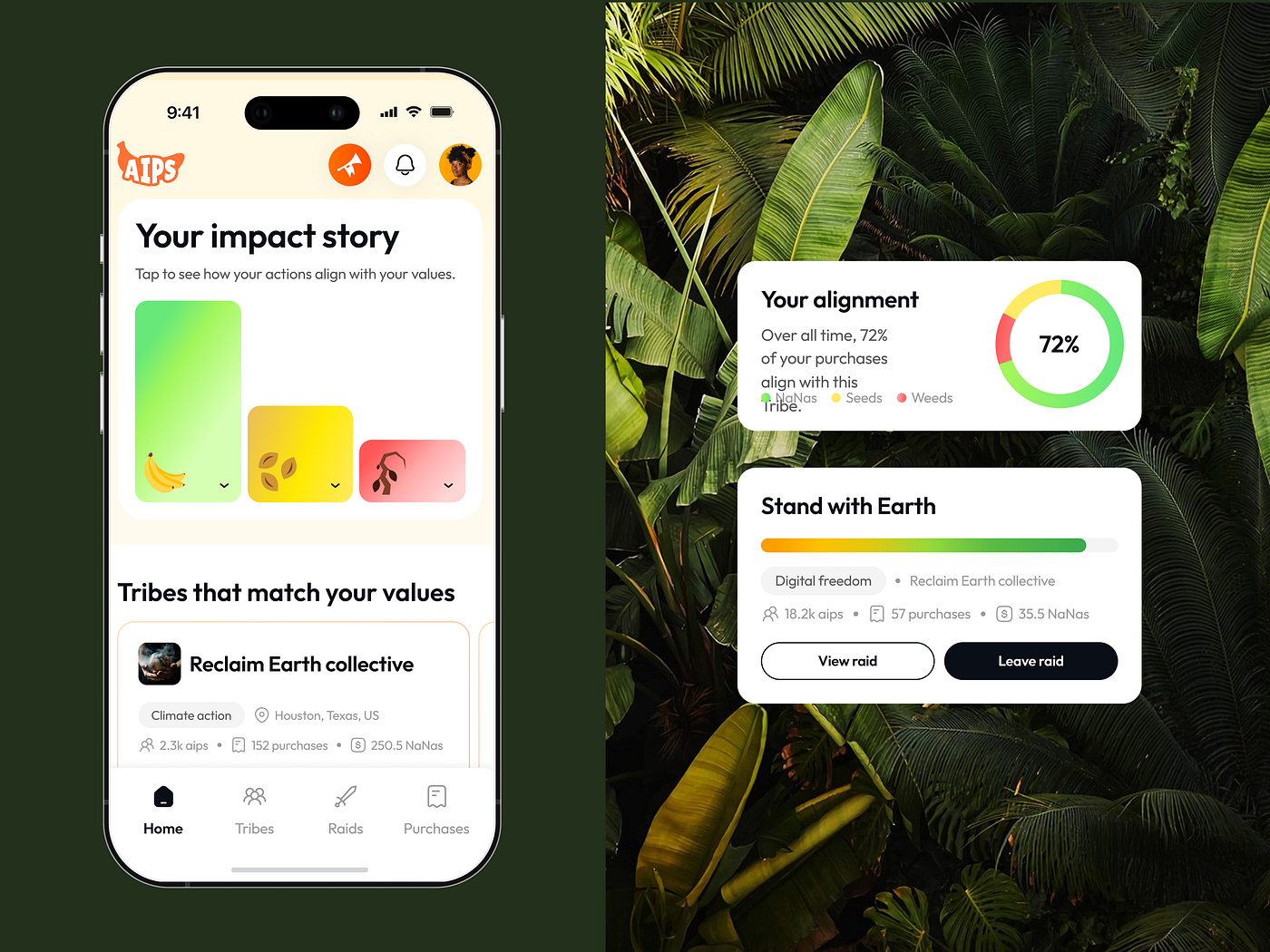
Contra image
Products launched faster, teams scaled faster, and venture capital moved through the ecosystem with a velocity that made risk feel almost irrelevant. The belief that innovation would always outrun uncertainty became one of the central assumptions of the modern technology economy. Yet in early 2026 a different question has quietly begun appearing in conversations among founders, investors, and design studios alike. Are startups dying, or are they simply transforming under the pressure of a rapidly shifting geopolitical and financial landscape?
The answer cannot be understood through venture capital data alone. It emerges instead from the intersection of several forces that have begun to reshape the technology economy simultaneously. The tightening of venture capital markets, the geopolitical shockwaves caused by escalating conflict in the Middle East, and the downstream consequences for industries that depend on startup growth — particularly digital product design — are forming a new reality that many in the startup ecosystem are only beginning to recognize.
What appears at first glance as a decline in startup activity may in fact be something more structural: a recalibration of the entire innovation economy.
The Venture Capital Cycle Is Tightening
To understand the current moment it is necessary to revisit the conditions that defined the startup boom of the early 2020s. Between 2020 and 2022 venture capital funding reached historic highs as interest rates remained near zero and investors competed aggressively to place capital into technology companies promising rapid growth. Startups often raised large rounds of funding with little more than a concept, a small team, and a persuasive narrative about the future of their market.
That environment has now changed dramatically. By 2025 global venture capital investment totaled approximately $366.8 billion, a figure that at first glance still appears significant. However, the distribution of that capital reveals a very different story about the priorities of investors and the shape of the technology ecosystem today. More than half of all venture capital funding in 2025 flowed into artificial intelligence companies, creating one of the most concentrated investment environments the startup world has ever experienced.
This concentration of capital has fundamentally altered the funding landscape. Investors are no longer distributing money broadly across consumer apps, experimental products, and early stage digital services in the way they once did. Instead, funding is being directed toward sectors that promise technological leverage, strategic infrastructure, or direct economic impact, leaving many traditional startup categories with dramatically fewer opportunities to secure investment.
As a result, the threshold required to raise capital has risen sharply. Founders are increasingly expected to demonstrate traction, operational discipline, and a clear path to revenue before investors are willing to commit funds. The era in which a compelling narrative alone could unlock venture capital is gradually fading. The immediate consequence of this shift is that fewer startups are entering the ecosystem in the first place.
The War Factor: Middle Eastern Capital Under Pressure
While venture capital tightening would already represent a significant shift in the global technology economy, the geopolitical landscape has added another layer of complexity to the situation.
The escalating conflict involving Iran and several regional actors has introduced uncertainty into financial markets across the Middle East, a region that has become increasingly important to global venture capital over the past decade. Sovereign wealth funds and institutional investors from countries such as Saudi Arabia, Qatar, and the United Arab Emirates have played an increasingly influential role in financing startups, venture funds, and technology infrastructure across Europe, the United States, and Asia. These investment flows have helped fuel many of the startup ecosystems that emerged during the last decade.
However, geopolitical instability has a powerful effect on capital allocation. When conflict escalates, investors often prioritize liquidity, security, and strategic sectors rather than speculative innovation. Reports from financial institutions have already indicated that global banks connected to Western markets have begun contingency planning across major Middle Eastern financial hubs such as Dubai and Doha, a signal that uncertainty is spreading through the region’s financial infrastructure.
This uncertainty arrives at a delicate moment for the Middle Eastern startup ecosystem. During the first quarter of 2025, startups in the MENA region raised approximately $678 million in venture capital, marking the strongest quarter since 2023 and suggesting that the regional startup economy was beginning to recover after several difficult years.
Yet wars rarely align with venture capital cycles. Even when technology ecosystems remain fundamentally healthy, the perception of geopolitical risk can delay investment decisions, slow fundraising timelines, and reduce the appetite for early stage experimentation. In such conditions the startup economy rarely collapses outright, but it often becomes more selective and cautious.
Innovation Continues Even During War
One of the paradoxes of the technology industry is that innovation often persists even during periods of geopolitical instability. In recent months several technology startups have successfully raised funding rounds despite operating in environments directly affected by the current conflict. One cybersecurity company, for example, reportedly secured $40 million in funding while continuing product development during active missile attacks, with team members alternating between engineering work and sheltering from air raid sirens.
This kind of resilience is not unusual within the technology sector. Historically, conflict and crisis have often accelerated innovation rather than suppressing it entirely. However, the types of innovation that attract investment during such periods tend to shift significantly.
Investors increasingly direct capital toward sectors perceived as essential infrastructure for the modern digital economy. Artificial intelligence, cybersecurity, defense technology, and advanced enterprise software have therefore become the primary beneficiaries of venture funding in the current environment, while more experimental consumer products and lifestyle applications find it increasingly difficult to secure investment. The result is not the disappearance of startups but rather a transformation of what kinds of startups are able to thrive.
The Hidden Impact on the UI/UX Design Market
While the consequences of these shifts are immediately visible within venture capital statistics, their impact on adjacent industries is often slower to recognize. One of the sectors most directly affected by fluctuations in startup funding is the UI and UX design market.
For many years early stage startups represented one of the most reliable sources of demand for digital product design services. Founders typically invested heavily in interface design during the earliest phases of product development, commissioning design studios to create MVP interfaces, investor presentation prototypes, product design systems, and early iterations of mobile and web applications. A single funded startup frequently generated tens of thousands of dollars in design work before a product ever reached the market.
However, when fewer startups receive funding, those projects disappear almost immediately. The design industry therefore experiences changes in venture capital cycles earlier than many other sectors of the technology economy. Over the past several months design studios across multiple regions have reported a subtle but noticeable decline in requests from early stage startups. Conversations with founders increasingly begin with questions about cost efficiency, lean development, and minimal design scope rather than ambitious product visions.
This shift does not necessarily mean that the design market itself is shrinking. Instead it reflects a change in the composition of design demand.
The Design Industry in Numbers
Despite the slowdown in startup driven design work, the broader digital design industry continues to expand. The global market for UI and UX design software was valued at approximately $12.4 billion in 2024, and analysts project that it may grow at an annual rate exceeding 17 percent through 2033, potentially reaching a market value of more than $44 billion.
This growth is driven by a set of structural forces that extend far beyond the startup ecosystem. Digital transformation initiatives across industries continue to accelerate as companies in finance, healthcare, logistics, manufacturing, and public infrastructure invest heavily in digital platforms and software systems.
At the same time the rapid emergence of artificial intelligence has created entirely new categories of digital products that require sophisticated interface design and interaction models. What has changed is not the demand for design itself but rather the identity of the clients who require it.
Where startups once dominated the demand for product design services, the market is now shifting toward larger and more mature organizations building complex software systems and long term digital infrastructure. Design work is gradually moving upstream into enterprise environments where products evolve over many years rather than within the compressed timelines typical of startup development.
Why Many Designers Feel the Slowdown
For designers whose careers were built within the startup ecosystem, the past year has felt noticeably different. This perception of slowdown is largely explained by structural changes in how modern startups operate. The threshold required to raise venture capital has increased, which naturally reduces the number of new companies launching ambitious product development projects. At the same time advances in AI driven development tools have enabled extremely small teams to build functional prototypes with minimal external support, reducing the size of early product budgets.
Many founders are also spending significantly more time validating business models before committing resources to full product development, which delays the moment at which design studios become involved in the process. The result is that design demand linked specifically to early stage startups has become less predictable. Yet the overall demand for sophisticated product design has not disappeared. Instead it is gradually shifting toward companies building deeper and more complex technological systems.
A Strategic Opportunity for Designers
Viewed from a broader perspective, the current transformation of the startup ecosystem may represent a maturation of the digital product design industry rather than a decline. During the peak years of the startup boom, countless digital products were designed rapidly and discarded just as quickly. Many companies optimized for speed of launch rather than depth of product architecture, and design often functioned as a layer of visual polish applied late in the development process.
The companies that survive the current funding environment tend to be those building durable infrastructure rather than speculative consumer products. These companies require design not merely for aesthetic presentation but for the structural organization of complex digital systems.
In such an environment the role of design evolves from decoration toward strategic architecture. Designers increasingly participate in defining how users interact with artificial intelligence, how enterprise workflows are structured, and how large scale digital ecosystems maintain clarity and usability over time.
The most valuable design studios in the coming years are therefore unlikely to be those producing the largest number of startup landing pages or marketing websites. Instead they will be the studios capable of shaping the underlying logic of digital products themselves.
The Real Question: Are Startups Actually Dead?
The answer is almost certainly no. Startups are not disappearing, but they are becoming more disciplined, more selective, and more deeply connected to the real technological infrastructure of the modern economy. Geopolitical instability and shifts in venture capital priorities have accelerated this transition, forcing the startup ecosystem to evolve away from speculative growth toward sustainable product development.
Periods of uncertainty often create the conditions from which the most significant innovations eventually emerge. The next generation of startups may be fewer in number, but they are likely to be more resilient, more technically ambitious, and more integrated into the fundamental systems that power the global economy.
For designers, founders, and investors alike, the challenge of 2026 is not to mourn the end of the startup era. It is to understand that the rules of innovation are changing — and to design the future accordingly.
메타데이터
- post_id
- 0523fc532811
- slug
- if-startups-design-is-dead-in-2026-0523fc532811
- url
- https://medium.com/zero-one-design/if-startups-design-is-dead-in-2026-0523fc532811
- canonical_url
- https://medium.com/zero-one-design/if-startups-design-is-dead-in-2026-0523fc532811
- author_url
- https://medium.com/@01design
- status
- ok
- fetched_at
- 2026-06-13 07:35:29