“The Mask That Wouldn’t Come Off: Peter Sellers and the Paradox of a Life Lived in Disguise.”
How a genius of transformation became trapped in the very illusions he mastered.
tcm.com
“The Mask That Wouldn’t Come Off: Peter Sellers and the Paradox of a Life Lived in Disguise.”
How a genius of transformation became trapped in the very illusions he mastered.
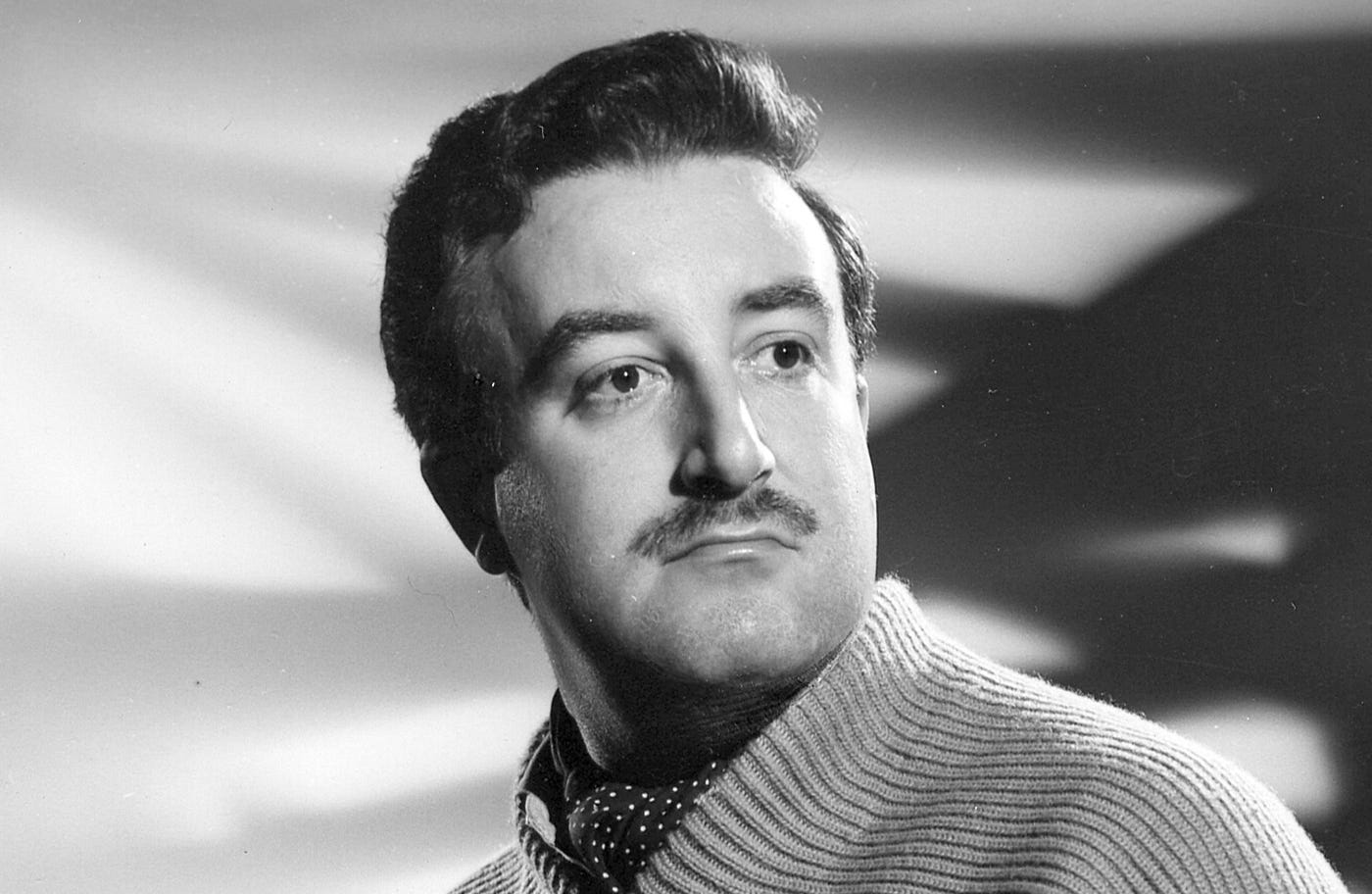
Peter Sellers was somebody who could be anybody, but maybe not himself. People remember him as the virtuoso chameleon of twentieth-century film. He was an actor with a range that was almost scary, and his roles, from the bumbling Inspector Clouseau to the frightening Dr. Strangelove, appeared to come from an imagination that was both limitless and unexpected. But beneath the performances that wowed spectators and confused critics was a troubled inner life marked by insecurity, mood swings, and a lifelong quest for identity. In many respects, Sellers was the perfect tragic comedian: his skill made him famous, but his troubles kept him alone. To comprehend him necessitates addressing the mismatch between his remarkable on-screen mobility and the terrible instability that pervaded his private existence.

listal.com
Richard Henry Sellers was born in 1925 to a family of travelling artists. Richard Henry Sellers grew up not just in the shadow of show business but thoroughly immersed in it. His parents were variety artists, and the busy backstage of touring shows was the first thing that shaped how he saw the world. This atmosphere made him naturally adept at copying others and gave him an unstable emotional base. He didn’t simply watch characters; he learned to tune into their emotions and wants. His mother, Peg Sellers, loved him so much that it almost suffocated him, and that love would mould his relationships as an adult in ways he never quite escaped. He learned at a young age, both directly and indirectly, that performing was not only a job but also a way to stay alive.
This early mix-up of identity and performance stayed with Sellers for the rest of his career. His work on The Goon Show, the famous BBC radio show that made him famous in the 1950s, showed off his amazing vocal range and crazy originality. People in the audience could tell they were hearing something fresh, almost anarchic, since they didn’t know what would happen next. Sellers could switch between voices, personas, and humorous energy as easily as somebody with fifty spirits could. But even though his career was doing well, his personal connections were already starting to show indications of stress. His coworkers noticed that he would suddenly become cold and distant and that he often hid behind a mask of humour when he needed to be emotionally close to someone. Even at this early point in his life, recognition didn’t validate him; instead, it made his fears bigger and harder to put into words.
alchetron.com
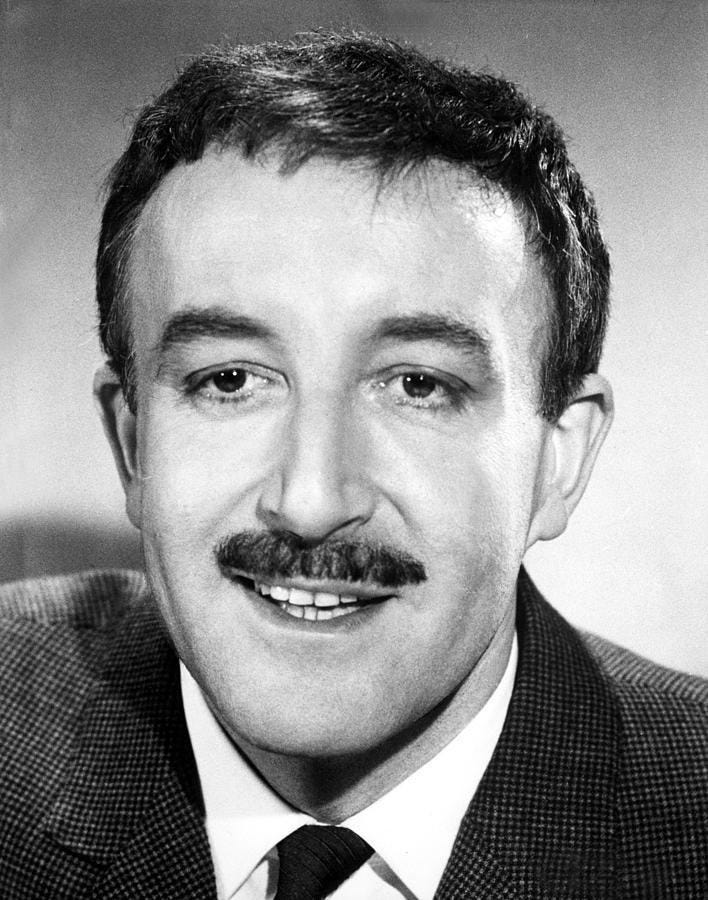
By the time Sellers got into the American film business, people were saying he was a genius and that he was emotionally unstable. Stanley Kubrick, who directed him in Lolita and then the famous Dr. Strangelove, saw both the brilliance and the craziness. Sellers could change a situation from funny to memorable with just one improvised flourish, yet he could as swiftly fall into nervousness or crazy conduct. His various roles in Dr. Strangelove, where he played three very different characters, showcased his brilliance but also highlighted a bigger problem. For Sellers, character work was more than just acting; it was a way to escape from it all. Every role he took allowed him to escape the pull of his own thoughts. But the better he became at being other people, the less sure he was of who he was.
His marriages were the most obvious examples of this strain. His first marriage to Anne Howe began as a secure haven, but it gradually transformed into a volatile environment. He loved his kids, but it was hard for him to balance his family life with the constant demands of his job and his mood swings. Later, friends recalled intense fights, moments of envy, and a hypersensitivity that made even minor conflicts seem overwhelming. His second marriage, to actress Britt Ekland, was almost like an opera. Her beauty and enthusiasm drew Sellers in, but he was also filled with doubt, uncertainty, and a constant need for reassurance. The press wrote a lot about their relationship, which swiftly turned into a mess. Sellers’ jealous outbursts, sudden mood swings, and unpredictable conduct put a lot of stress on the marriage. Ekland said that her husband acted like he was different people all the time, constantly hiding behind one of the roles that came so easily to him.

listal.com
Sellers’ condition made his mental problems worse. He had several heart attacks throughout the course of his life, and each one left him with both physical and mental scars. The first big event, which happened in 1964, almost killed him. The brush with death made him more aware of how short life is, but it also made his conduct more chaotic. He started to get into spiritual fads, séances, and new intellectual interests. People who were close to him said he appeared to be losing touch with reality more and more, going from being pleased and confident to very sad and hopeless. People still considered him a great performer who could wow audiences with just one phrase. He was a guy who was afraid of being left behind, who didn’t trust his feelings, and who looked for calm in things that didn’t last.
Seller’s intellect and psychological volatility were both shown in the development of his most famous character, Inspector Clouseau. The part was originally meant to be a minor role, but it turned out to be a fantastic way for Sellers to show off his improvisational skills. His Clouseau was awkward, serious, messy, and amusing, and it made Sellers a household name. However, the actor himself oscillated between appreciating and detesting the role. Occasionally he said he wouldn’t play the part again because he thought it was beneath him, but then he came back with more passion. This inconsistency was like the bigger patterns in his life: he was always going back and forth between wanting attention and being afraid of it, between being sure of his skills and being terrified that he was a phony.

listal.com
As he became more famous, the problems in his personal life became worse. His relationships got more and more difficult, with periods of intense passion followed by sudden emotional distance. People who knew him well said he was both captivating and tiring, able to be very kind one day and cold and distant the next. His third and fourth marriages, to Miranda Quarry and Lynne Frederick, were just as rocky as his first two. He wanted stability, but he kept doing things that made it harder to attain. His background, celebrity, and mental constitution shaped his emotional responses, making permanent closeness nearly impossible.
Sellers was still a powerful figure in his field, but his latter career showed that he was struggling with creative frustration. He wanted to do more serious parts that showed off his acting skills, but Hollywood kept placing him in comedies, which made him angry. His role in Being There (1979) showed something of what he had always wanted to do: a quiet, subtle performance that didn’t rely on flashy character work but instead on emotional reserve. Many people think it’s his best role. Sellers discovered a figure in Chance the Gardener who was simple instead of complicated and calm instead of chaotic. He got a lot of praise for the performance and was even nominated for an Academy Award, which proved that he wanted to be considered as a serious actor. But that victory was nonetheless bittersweet. He thought his coworkers didn’t understand him, critics who had ignored him for years didn’t appreciate him, and he was troubled by the thought that he had done too little too late.

listal.com
Sellers died suddenly in 1980 at the age of fifty-four, although it wasn’t completely unexpected. Years of stress, emotional, physical, and mental, had made his heart weaker. In the latter years of his life, he tried to make up with old lovers, became excited about his work again, and had brief moments of self-reflection, but he was still deeply split. People who knew him well said he was somebody who was desperately looking for serenity and a steady sense of self that had been out of reach for decades. He left behind a filmography that was both expansive and very deep, as well as many broken relationships and unsolved problems.
Peter Sellers’ life was tragic not just because it was full of ups and downs and ended too soon, but also because he was a guy who was famous for being able to become anybody, yet couldn’t find the emotional core of his personality. Both his brilliance and his weakness were integral aspects of his persona. His sensitivity, empathy, and ability to understand how other people think and act were what made him such a talented performer. But these same traits also made him prone to emotional storms and feelings of being lost in life. In a way, he was like a container that could change form depending on the job he was given. When he was empty, he would collapse in on himself.
tvinsider.com
Sellers' films and the mystery of his life have kept him in the public eye for decades. Academics, biographers, and filmmakers have tried to figure out the inconsistencies in his personality, but the truth is still challenging to find. His life is a warning about how dangerous it is to tie your identity to your performance and how empty you might feel when your self-worth depends on how others see you. But it also shows how powerful art can be as both a safe place and a way to learn new things.
When you examine Peter Sellers, you get a picture of a guy who lived in the gap between laughter and misery, between being brilliant on the outside and being chaotic on the inside. His legacy is not only one of amusement; it is also one of emotional depth. He was an artist whose work still speaks to people today, not because he made millions laugh, but because it showed the ambiguities of being human. In the end, he was a sad comedian: somebody who could make others laugh out loud while he was having trouble figuring out the simplest things about himself. His narrative lives on as a reminder that beneath the masks that actors wear in movies and in real life, there is a frail person looking for connection, understanding, and calm.
✍️ Like what you just read? Hit “Subscribe” to get my future stories delivered by email, no spam, just honest writing on [classic films, cultural icons, and untold Hollywood stories]. Let’s stay connected.
moviemezzanine.com
메타데이터
- post_id
- 05577ecf58ee
- slug
- the-mask-that-wouldnt-come-off-peter-sellers-and-the-paradox-of-a-life-lived-in-disguise-05577ecf58ee
- url
- https://medium.com/@rinoingenito04/the-mask-that-wouldnt-come-off-peter-sellers-and-the-paradox-of-a-life-lived-in-disguise-05577ecf58ee
- canonical_url
- https://medium.com/@rinoingenito04/the-mask-that-wouldnt-come-off-peter-sellers-and-the-paradox-of-a-life-lived-in-disguise-05577ecf58ee
- author_url
- https://medium.com/@rinoingenito04
- status
- ok
- fetched_at
- 2026-08-05 13:08:32