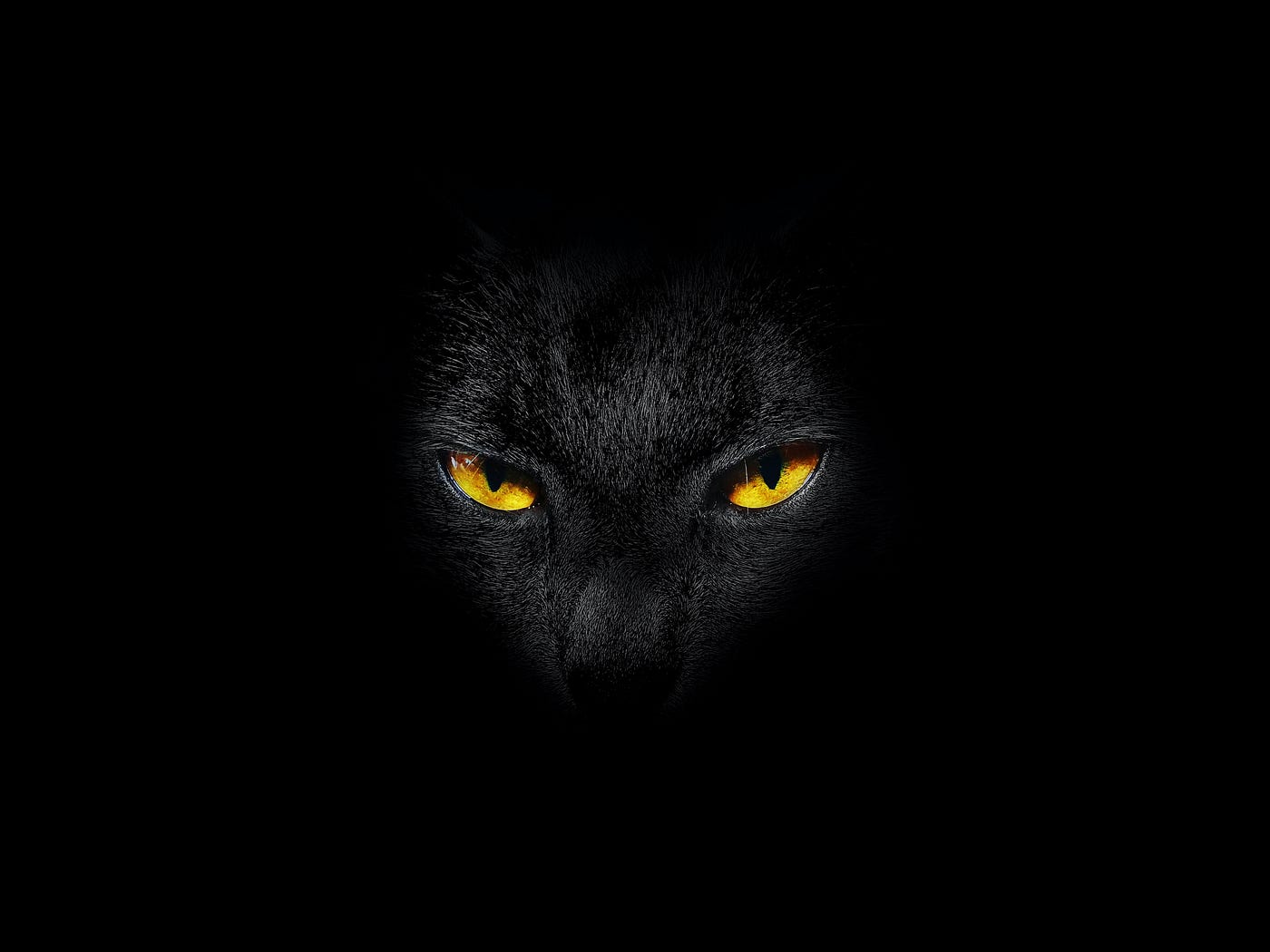
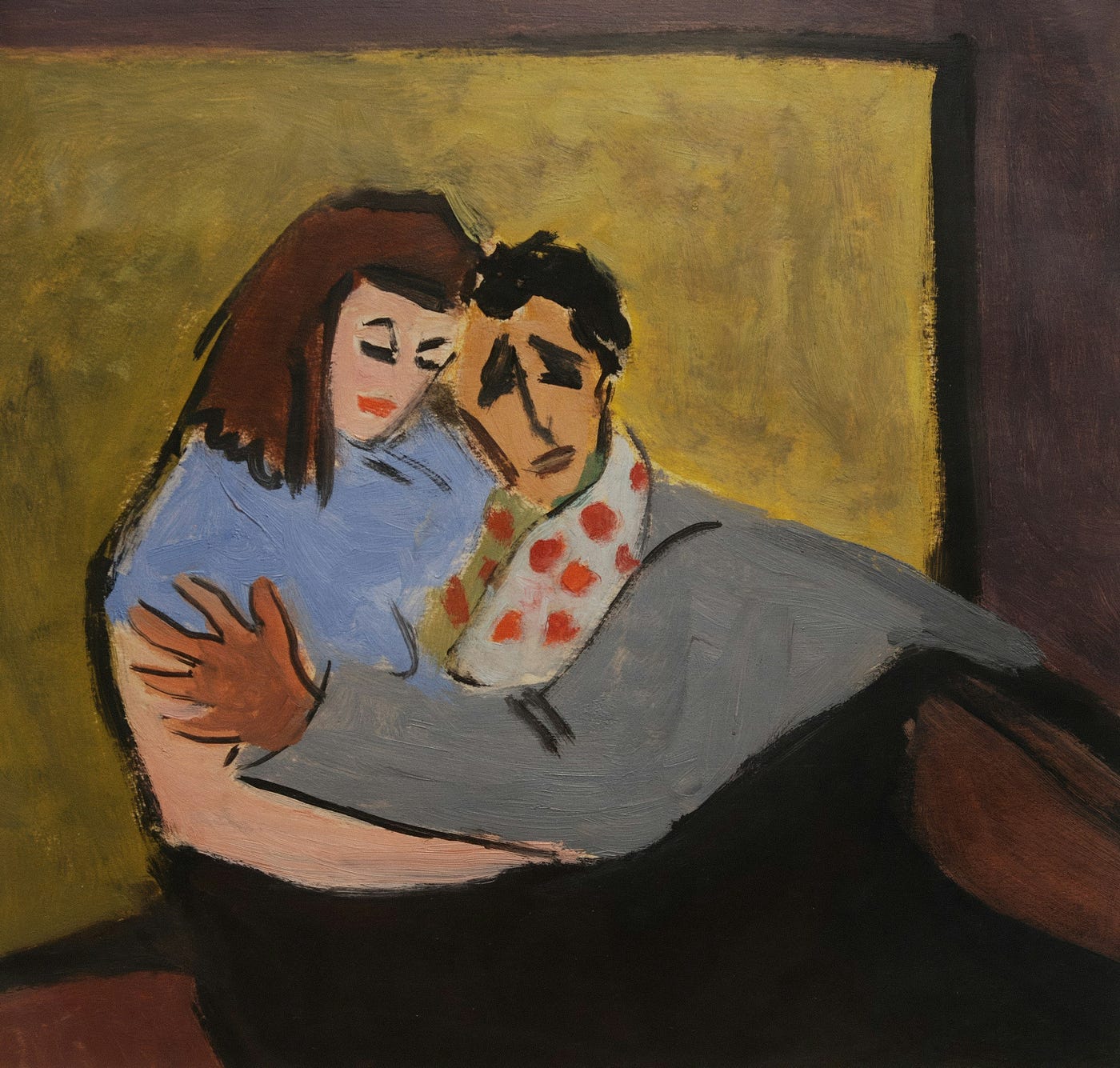
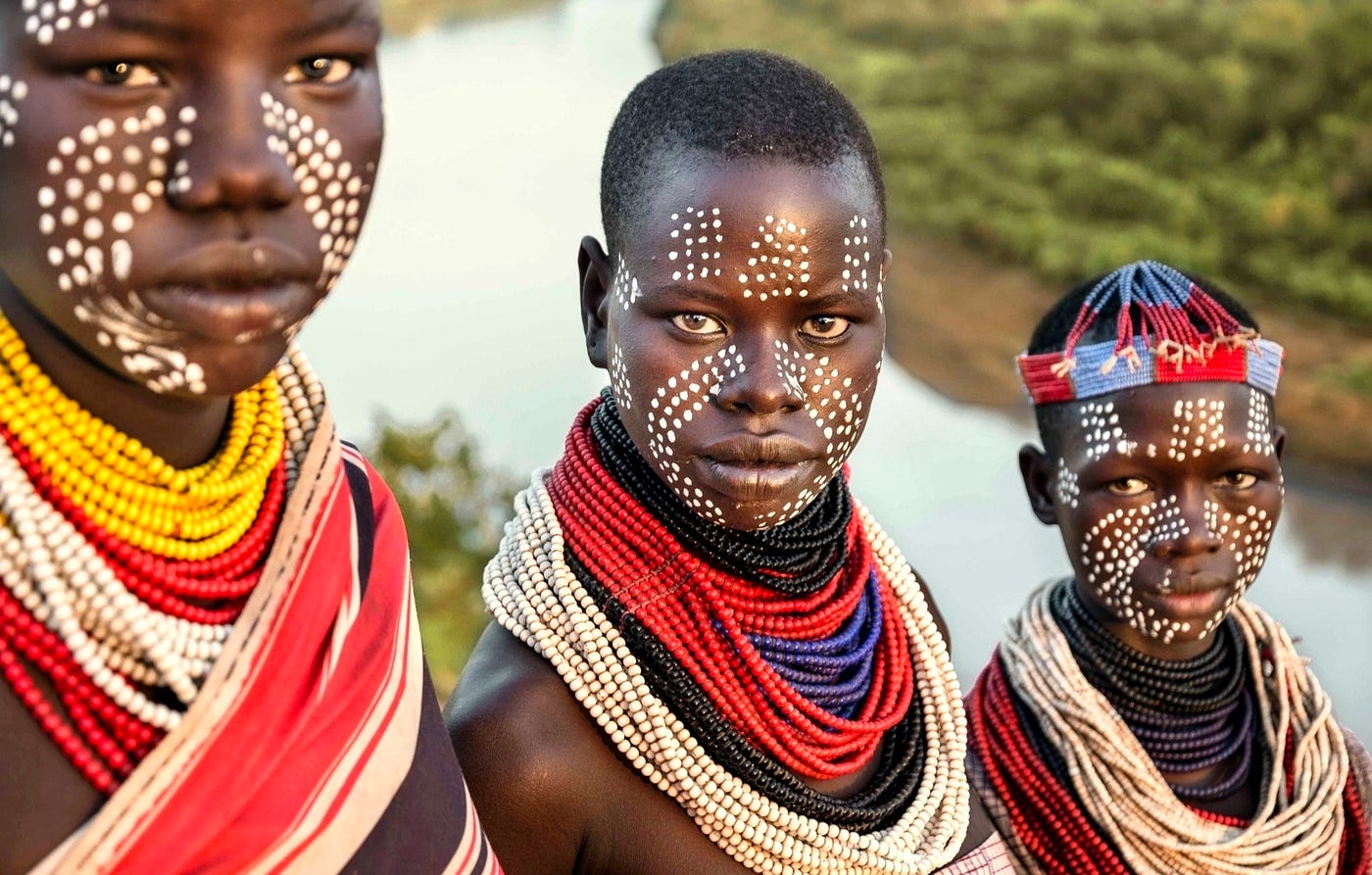
2026 will not be built by those that trend but those that tend
1. Slow Diffusion & Niche Infrastructures
2026 will not be built by those that trend but those that tend
1. Slow Diffusion & Niche Infrastructures
“The future will not be built only by those who trend, but by those who tend.” That line sums up 2026 for me. We’ve lived through an era of explosions — viral spikes, algorithmic booms, hype cycles — and the cost has been cognitive and cultural: flattened nuance, fragmented attention, and a kind of digital landfill where important work disappears under noise.
In 2026, the energy shifts toward slow diffusion:
- Deep, niche communities spread horizontally across cities, disciplines and mediums rather than chasing mass, shallow reach.
- Studios, collectives and membership spaces act as “micro‑learning hubs”: places where practice, archive, wellbeing and income sit together.
- Roles like ecosystem weaver, community stewards, social designer, coach, convenor or producer become the invisible glue turning scenes into ecosystems.
Slow diffusion is both resistance and consequence. It’s resistance to algorithmic virality — to explosions that burn hot and leave nothing to live in afterwards. It’s consequence because the oversupply of information makes it harder than ever to find what is specific, local and nourishing online; “de‑globalisation” in our research showed up as a feeling that the internet is too big to be useful, just as travel gets more expensive.
That’s why hyper‑local but globally aware becomes the mode. People look for what’s already in the backyard, and make community from what is there: boroughs, estates, small towns, outer‑London and the Midlands. Palm trees in Dagenham become a metaphor for a new climate — some growth carefully nurtured, some growing wild in the cracks — that future‑building has to account for.
In a world where everything starts to sound the same, regional accents — in voice, rhythm, slang and reference — become a premium marker of identity and taste. The porous nature of culture means these identities never stay static, but the appreciation of what makes a place distinctive will strengthen; TikTok micro‑trends and long‑form storytelling will both feed into physical spaces as edutainment, exhibitions, listening sessions and experiential formats.
Underneath all this sits one question: how do we learn in an age optimised for distraction? The answer, for me, is meeting as ritual — treating gatherings as gym, as service, as shared responsibility where ideas are held, tested and digested together.
2. Spontaneity, Live Jams & Everyday Joy
After years of hyper‑planning and ticketed everything, there is a hunger for spontaneity — to stumble into a live jam, a pop‑up session, an outdoor gathering that feels unrepeatable. UK jazz and adjacent improvisational scenes are setting the tone for a 2026–2030 aesthetic built on collaboration and live-ness.
This shows up as:
- Everyday spectacle: parks, estates, high streets and small squares turning into stages.
- A live improvisation era: musicians like Venna and peers shaping sound, style and storytelling far beyond “jazz nights” into fashion, design and digital content.
- Joy as urban strategy: programming that centres joy, movement and play as serious tools for mental health, safety and belonging — and as a quiet refusal of that urban life has to be isolating.
Here, the people who keep showing up — the one who always brings the speaker, the organiser who keeps the WhatsApp group going, the resident who never misses a jam — are as important as any headliner.
3. Black Britain, Black Europe & Archive-as-Future
Black British culture is moving from “moment” to infrastructure. Long‑view exhibitions like the V&A East The Music Black, oral histories and music projects make it clear that Black British music and culture are not side stories but part central engines of national life. Looking back is becoming a future‑building act: archives as tools, not trophies.
At the same time, Black Europe and Black Britain are colliding more visibly. Diasporic circuits through Portugal, France, Germany, the Netherlands and Malta are turning “Black Europe” into a lived calendar of festivals, residencies, club nights and street culture.
This raises a crucial question: in a world where AI models scrape everything, who owns the machine‑readable memory of Black culture? When archives become datasets, and datasets become the basis for future tools, representation stops being symbolic and becomes technical and economic.
Beyond major institutions, there are grassroots archives: photo collections, flyers, pirate radio tapes, mix archives, small libraries, and projects like “blck in the day” & Bumpkin Files projects and private drives full of culture. Between 2026 and 2030, the work is to:
- Treat these as living assets, not just nostalgia.
- Build structures to fund, govern and protect them.
- Value our digital existence – posts, playlists, streams, recordings – as future infrastructure, not just disposable content.
3. The Global Calendar & Diasporic Mobility
The diasporic cultural year is becoming a legible calendar. Detty December, Brazil season, spring in London and Europe, summer festival runs, Carnival and its satellites – people are beginning to sync their projects, residencies, content and travel to this rhythm.
At the same time, cost of living and borders mean mobility is uneven. That creates a double demand:
- Big festivals and travel circuits for those who can move.
- “Hidden pockets” – smaller, values‑led gatherings, hybrid online formats and local festivals – for those who need access close to home.
Outer London, Barking & Dagenham, the Midlands and other so‑called edges become launchpads into this global calendar, not afterthoughts. The opportunity is to position these places as hubs with their own distinct offerings, not just satellites of a single “centre”.
4. Realness, Presence & Post-AI Culture
As AI‑generated content becomes more convincing and more abundant, presence becomes political. “Realness” is no longer just an aesthetic; it is an emotional rebellion against a world where everything can be simulated.
In practice, that looks like:
- Phone‑light, intimate spaces: no‑phone parties, listening rooms, reasoning corners and small live jams where the value lies in being there, not in broadcasting it.
- Hybrid art forms: immersive, multi‑sensory experiences that move us beyond the 2D screen – food, scent, sound, movement and conversation layered together.
- Human–AI collaborations: not just imitation, but intentional, ritualised use of AI as an instrument in live performance, workshops and digital art.
Instead of only asking “what is real?”, 2026 asks: what is embodied? How do bodies, breath, movement and proximity challenge flat, scrollable culture ? Fitness, Calisthenics, breathwork and movement start to weave into cultural programming as core practice, reframing the body as archive and instrument in spaces.
This is why 2026 can also be read as a year of embodied presence – a counterbalance to synthetic everything.
2026 as a Year of Tending
If the 2010s were defined by going viral, and the early 2020s by getting through, 2026 feels like a move into tending. Tending archives. Tending local ecosystems. Tending bodies. Tending relationships. Tending places that don’t obviously look like “the centre,” but feel like home.
Slow growth. Deep roots. Wide reach. The people paying attention now – who are willing to maintain meaning, not just chase visibility – will shape what 2030 becomes
메타데이터
- post_id
- 056eef6fd2ca
- slug
- 2026-will-not-be-built-by-those-that-trend-but-those-that-tend-056eef6fd2ca
- url
- https://medium.com/@AjHaast/2026-will-not-be-built-by-those-that-trend-but-those-that-tend-056eef6fd2ca
- canonical_url
- https://medium.com/@AjHaast/2026-will-not-be-built-by-those-that-trend-but-those-that-tend-056eef6fd2ca
- author_url
- https://medium.com/@AjHaast
- status
- ok
- fetched_at
- 2026-06-23 19:38:28