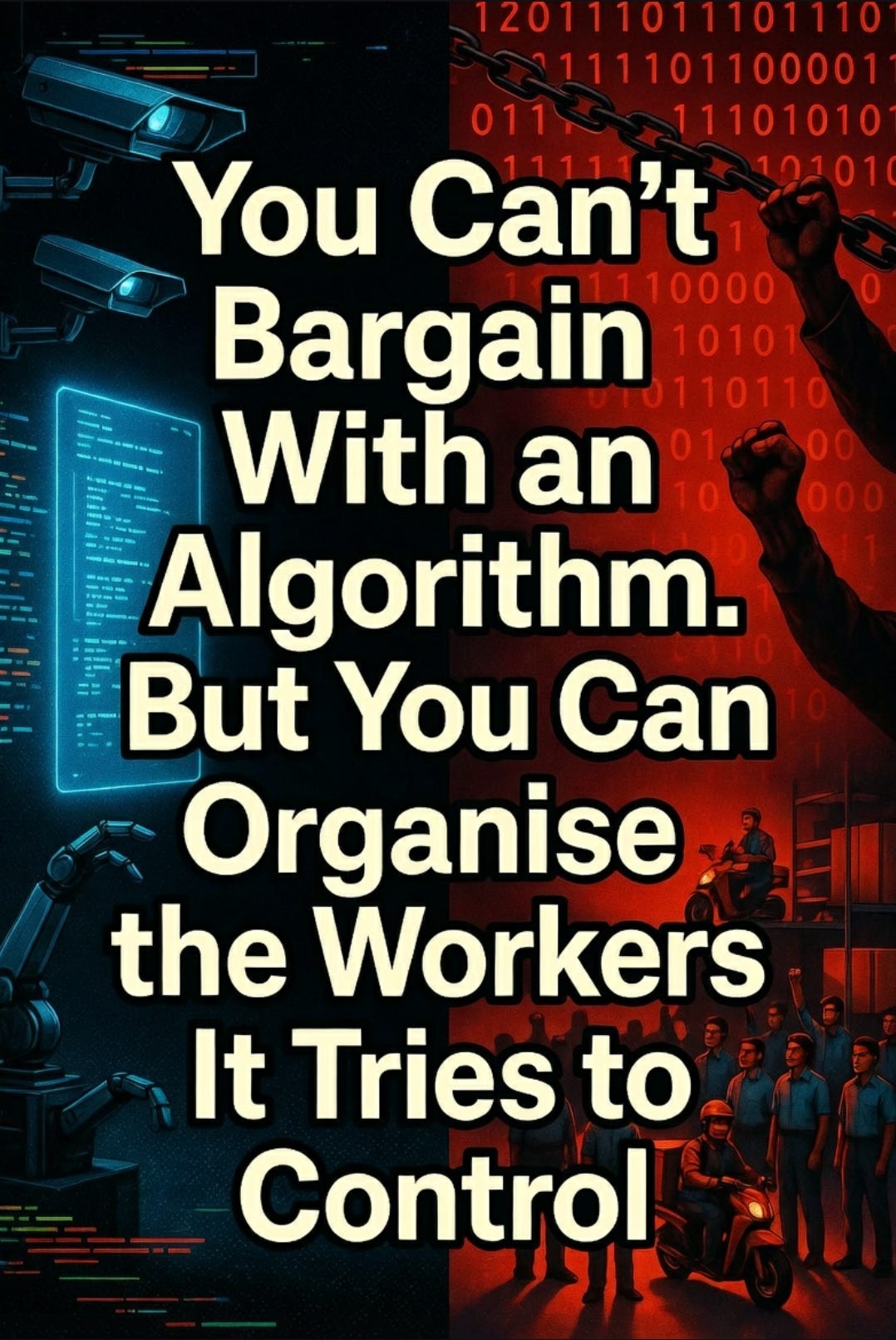
The Future of Worker-Centered Artificial Intelligence: A Vision of Empowerment, Collaboration, and…
In the rapidly evolving landscape of artificial intelligence, a new paradigm is emerging one that places workers at the center of…
The Future of Worker-Centered Artificial Intelligence: A Vision of Empowerment, Collaboration, and Human Flourishing
In the rapidly evolving landscape of artificial intelligence, a new paradigm is emerging one that places workers at the center of technological progress rather than on the sidelines of automation. Worker-centered AI (also called worker-centric or people-first AI) represents a deliberate shift away from AI systems designed primarily for efficiency, cost-cutting, or job displacement. Instead, it envisions technology that augments human capabilities, enhances job quality, ensures fairness, and gives workers a meaningful voice in how AI is developed and deployed. As unions, researchers, and policymakers increasingly champion this approach, the future of work looks less like a dystopian replacement of humans and more like a collaborative renaissance where AI serves as a powerful ally to the workforce.
What Is Worker-Centered AI?
At its core, worker-centered AI prioritizes human agency, dignity, and well-being. It rejects the false choice between technological advancement and worker protections. Drawing from initiatives like the AFL-CIO’s landmark Workers First Initiative on AI (launched in October 2025), this framework includes eight guiding principles: strengthening labor rights and collective bargaining; advancing guardrails against harmful workplace AI; supporting copyright and intellectual property protections; developing worker-centered workforce training; institutionalizing worker voice in AI research and development; requiring transparency and accountability; modeling best practices in government procurement; and protecting civil rights and democratic integrity.
Unions such as the Communications Workers of America (CWA) are leading the charge, using collective bargaining to embed enforceable rules into contracts that limit surveillance, prevent deskilling, and ensure workers share in the economic gains of AI. Researchers and think tanks, including those at Brookings Institution and MIT Sloan, echo this by calling for “pro-worker AI” that expands human skills rather than narrowing them think AI tools that help electricians diagnose complex issues faster or nurses spend more time with patients instead of paperwork.
The Current Momentum: From Fear to Framework
Today, AI is already reshaping workplaces, but often in ways that spark anxiety algorithmic management, intensified monitoring, and uneven productivity gains. Yet worker-centered approaches are gaining traction. Stanford’s WORKBank database, for instance, reveals that workers across occupations prefer balanced human-AI partnerships over full automation, valuing their own agency while welcoming AI as a collaborative partner.
Labor federations are not waiting for regulators. The AFL-CIO’s principles and events like the Workers First AI Summit highlight how unions can shape AI deployment to create higher wages, safer conditions, and better jobs. Companies and governments are beginning to follow suit, with calls for co-design processes where workers help build the very systems that affect them.
A Glimpse into the Worker-Centered AI Future (2030 and Beyond)
By the early 2030s, worker-centered AI could transform industries in profound ways:- AI as a True Co-Worker: Imagine a factory floor where AI agents don’t replace welders but act as real-time advisors, flagging safety risks and suggesting optimizations while the human retains final decision-making. In offices, AI handles rote data analysis so knowledge workers focus on creative synthesis and strategic thinking. Stanford studies show workers already desire this “equal partnership” model in nearly half of analyzed occupations.
-
Personalized Upskilling and Lifelong Learning: AI-powered platforms will deliver hyper-personalized training tailored to individual workers’ strengths, career goals, and learning styles. Rather than leaving mid-career employees behind, systems will proactively identify skill gaps and offer paid, on-the-job pathways supported by union-negotiated retraining funds. The result? A workforce that views AI as a career accelerator, not a threat.
-
Safer, Healthier Workplaces: In high-risk sectors like construction, healthcare, and logistics, AI will monitor environments for hazards (without invasive worker surveillance) and augment human judgment. Wearables or augmented-reality tools could provide instant guidance, reducing injuries while preserving professional autonomy. Brookings experts envision AI lightening administrative burdens in care professions, freeing nurses and teachers to build deeper human connections the very tasks machines cannot replicate.
-
Fairness, Transparency, and Democratic Governance: Every AI system affecting employment decisions hiring, performance reviews, scheduling will require human oversight, explainability, and worker input. Bias audits, data rights, and “no surveillance without consent” policies will become standard. Governments will lead by example through procurement rules that favor worker-centered tools.
-
Economic Gains Shared Broadly: Productivity surges from AI will translate into shorter workweeks, higher wages, and reinvestment in public services. Blue-collar trades (electricians, HVAC technicians) may see a renaissance as AI-resistant, high-value roles, while white-collar work evolves toward higher-level creativity. PwC’s 2025 AI Jobs Barometer already hints at this: industries embracing AI see faster revenue-per-employee growth when workers are empowered.
Challenges on the Horizon and How to Overcome Them
This optimistic future won’t materialize automatically. Risks remain: profit-driven deployment could still prioritize automation over augmentation; skills gaps could widen inequality; and without strong institutions, worker voice might remain tokenistic. Solutions lie in tripartite collaboration (workers, employers, government), robust labor protections, and public investment in AI literacy and co-design infrastructure.
Organizations that treat AI adoption as a shared journey equipping managers to lead thoughtfully and involving employees early will reap the biggest rewards in engagement, innovation, and retention.
A Call to Build the Future We Want
The worker-centered AI future is not a distant dream; it is a choice we make today. By centering workers in design, governance, and benefits, AI can become the greatest tool for human progress since the industrial revolution unleashing creativity, restoring dignity to labor, and creating shared prosperity.
The tools are here. The vision is clear. Now is the time to build an AI future that works for everyone starting with the workers who power it.
Originally published at https://www.linkedin.com.
메타데이터
- post_id
- 05dd725a2140
- slug
- the-future-of-worker-centered-artificial-intelligence-a-vision-of-empowerment-collaboration-and-05dd725a2140
- url
- https://medium.com/@maiwega/the-future-of-worker-centered-artificial-intelligence-a-vision-of-empowerment-collaboration-and-05dd725a2140
- canonical_url
- https://medium.com/@maiwega/the-future-of-worker-centered-artificial-intelligence-a-vision-of-empowerment-collaboration-and-05dd725a2140
- author_url
- https://medium.com/@maiwega
- status
- ok
- fetched_at
- 2026-06-15 20:49:13