The Untold Story of How Refrigerators Became Part of Every Home
How Refrigeration Changed the World Forever (Part 3)
The Untold Story of How Refrigerators Became Part of Every Home
How Refrigeration Changed the World Forever (Part 3)
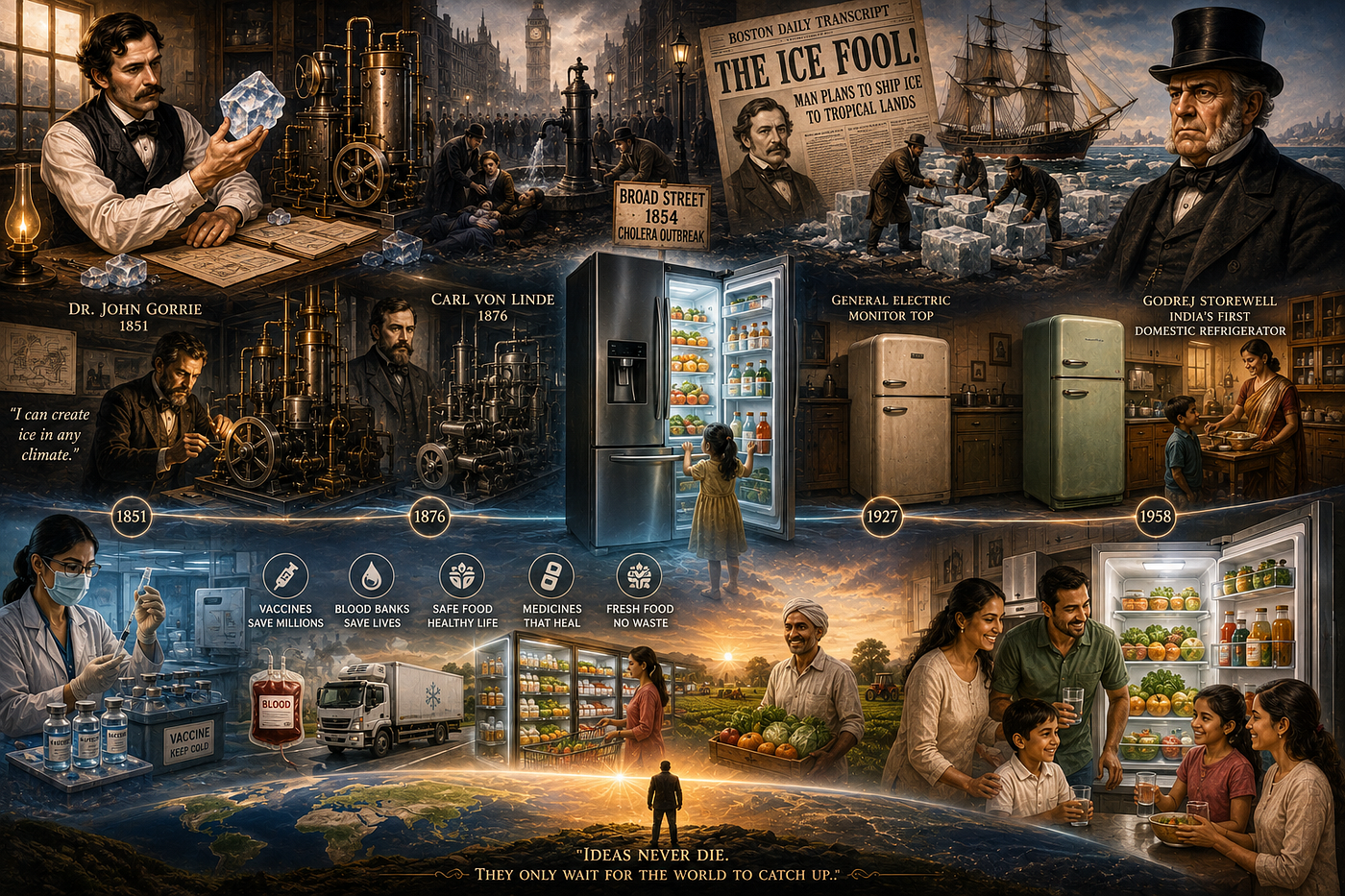
Image created by AI
In Part 2, we saw how Dr. John Gorrie's forgotten idea was brought back to life by German engineer Carl von Linde. His refrigeration system transformed industries, but it was still too large and expensive for ordinary homes. The final step in the story was about to begin.
Most people today cannot imagine a kitchen without a refrigerator.
It keeps our food fresh, stores medicines safely, and gives us cold water on the hottest summer days. It is one of the few household appliances that works every hour of every day without asking for our attention.
But the refrigerator we know today did not appear overnight.
It took decades of innovation before refrigeration became something every family could use.
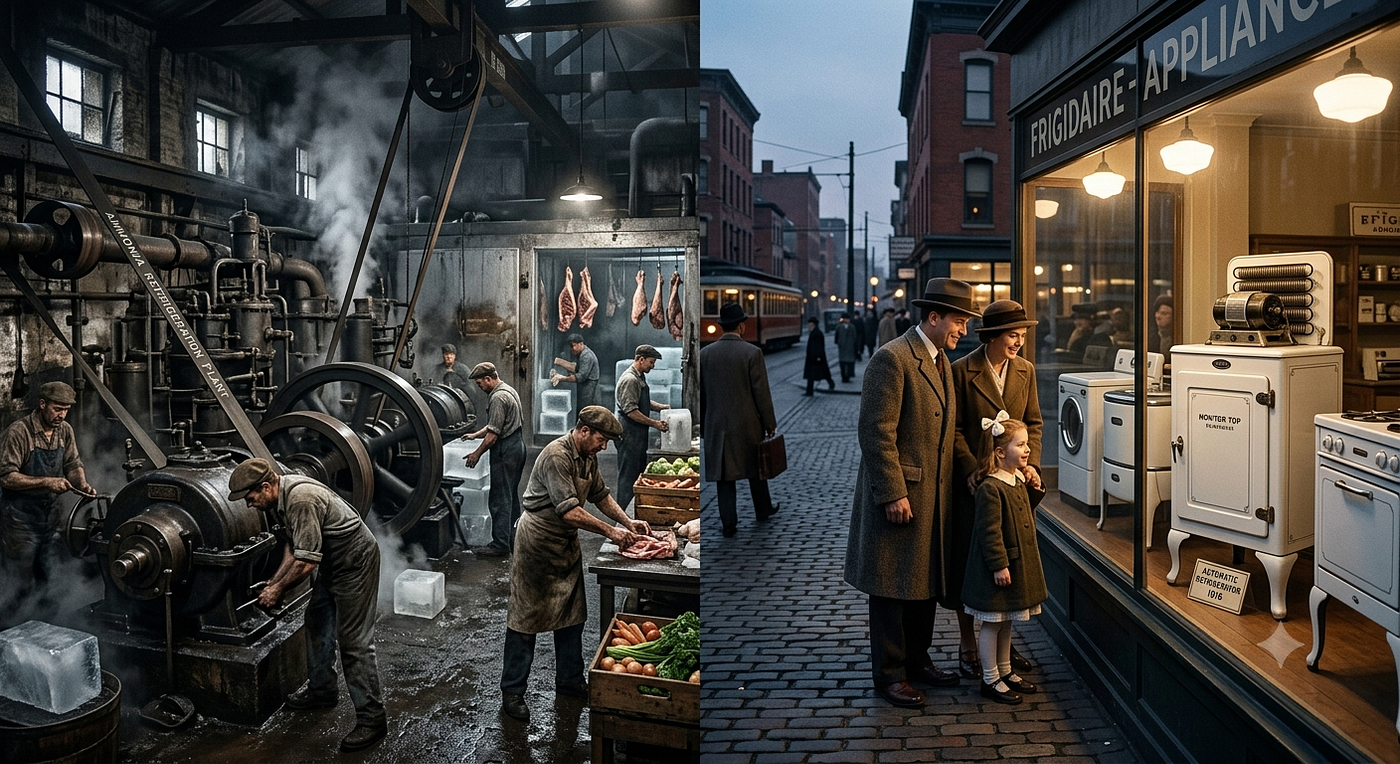
Image created by Gemini AI
From Factories to Family Kitchens
By the late nineteenth century, refrigeration machines were already helping breweries, slaughterhouses, hospitals, and warehouses. Businesses quickly realized that reliable cooling could save money, reduce waste, and improve food quality.
There was only one problem.
These machines were enormous.
They occupied entire rooms, required trained operators, and cost far more than an average family could afford.
Engineers around the world knew the next challenge was making refrigeration smaller, safer, quieter, and more affordable.
It would take many years to achieve that goal.

Image created by Gemini AI
The First Home Refrigerators
In 1913, one of the first refrigerators designed for home use entered the market.
Although it was an important step forward, it still had serious problems.
It was bulky and took up a great deal of space.
It was noisy enough to be heard throughout the house.
Most importantly, it was extremely expensive.
Only wealthy families could buy one.
For ordinary people, refrigeration was still a dream.
The technology existed, but it had not yet become practical for everyday life.
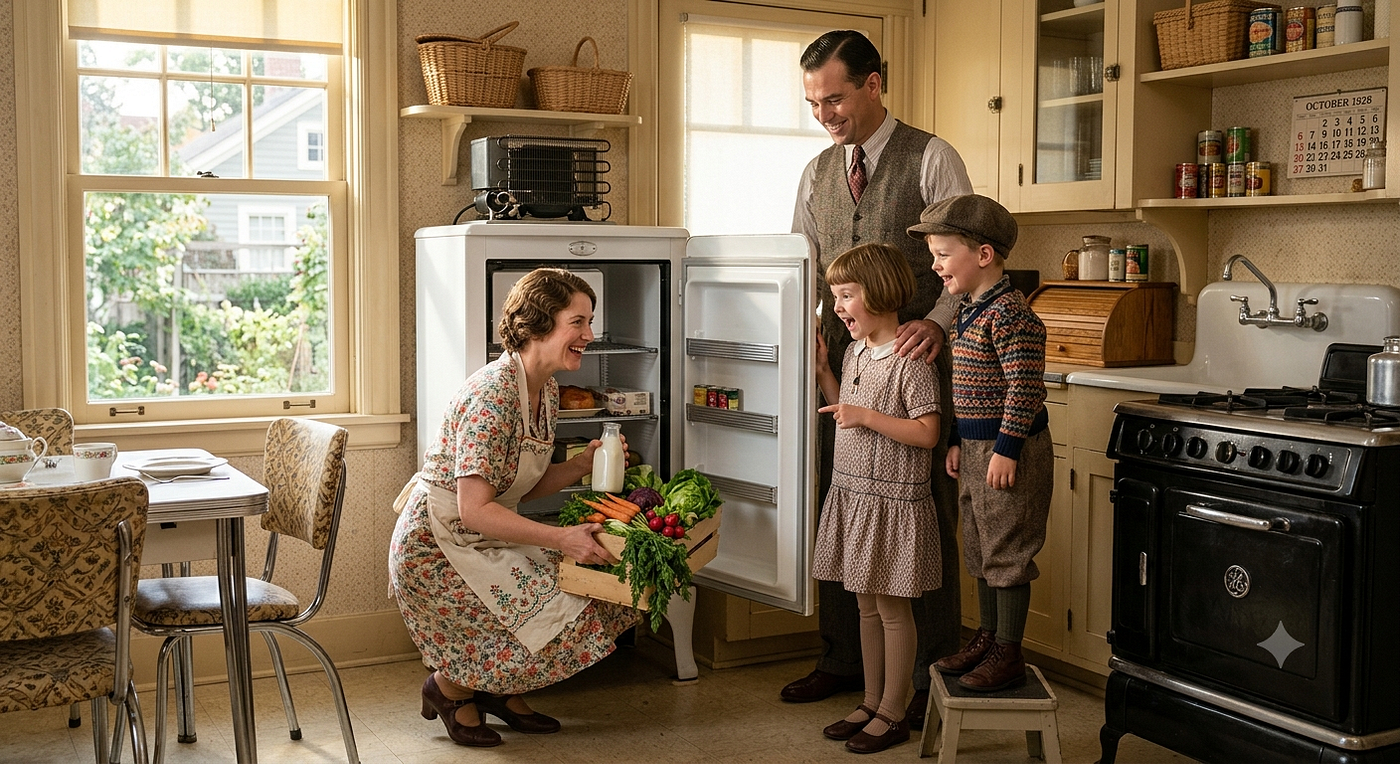
Image created by Gemini AI
A Breakthrough for Ordinary Families
Everything changed in 1927.
General Electric introduced the Monitor-Top Refrigerator, a model that was more reliable, easier to use, and designed with middle-class families in mind.
It was smaller than earlier machines and much more practical for everyday homes.
As production increased, prices slowly became more affordable.
More families began buying refrigerators.
For the first time, people could safely store milk, vegetables, cooked meals, and fresh meat for longer periods.
Simple daily routines started to change.
Families no longer needed to shop for food every single day.
Leftovers could be saved instead of thrown away.
Children had access to safer milk during the summer.
Without realizing it, millions of people were living healthier lives because of refrigeration.
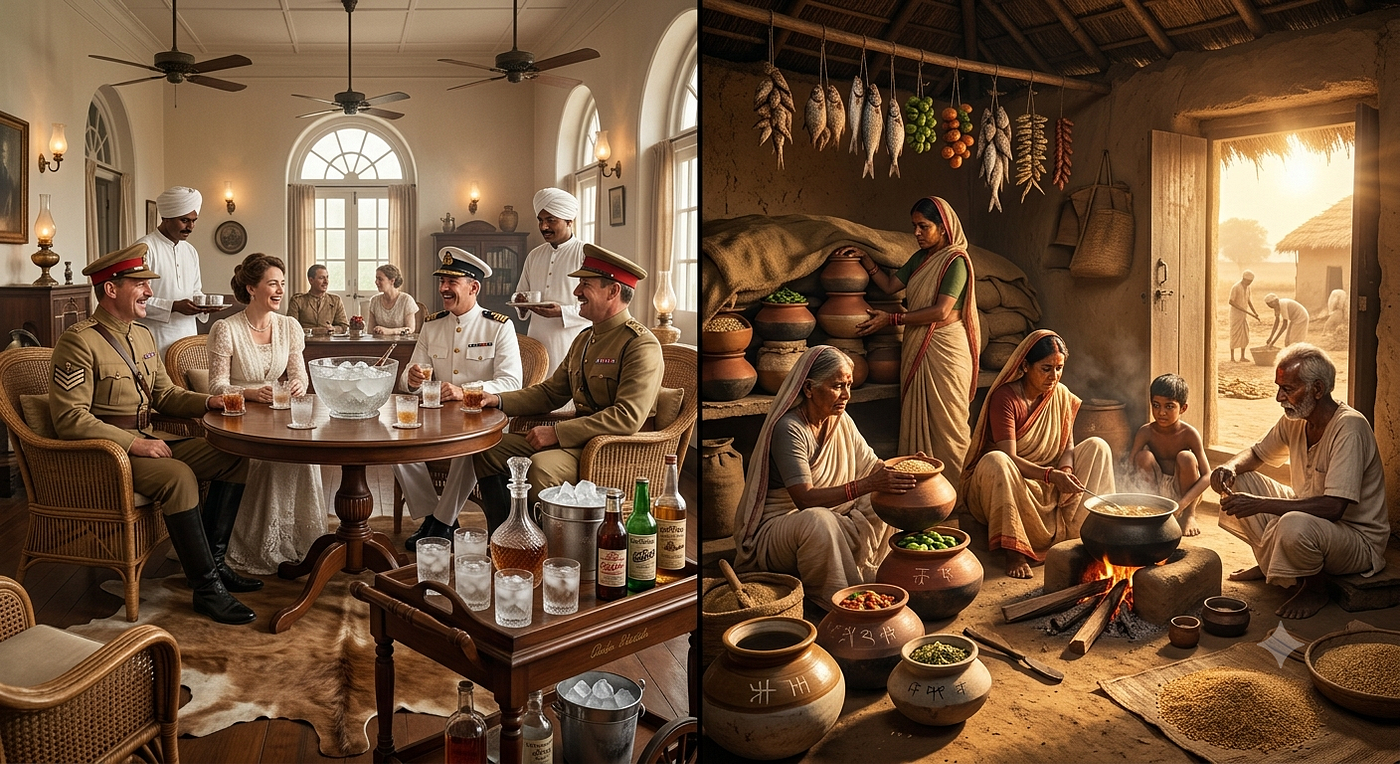
Image created by Gemini AI
India's Journey with Refrigeration
While refrigerators were becoming common in many Western countries, India's story followed a different path.
During British rule, refrigeration remained a luxury.
Imported ice and cooling technology were mainly used by British officials, wealthy businessmen, and royal families.
For most Indians, refrigerators were simply too expensive to imagine.
Even after independence, imported refrigerators remained beyond the reach of ordinary households.
India needed something different.
It needed refrigerators designed for Indian conditions.
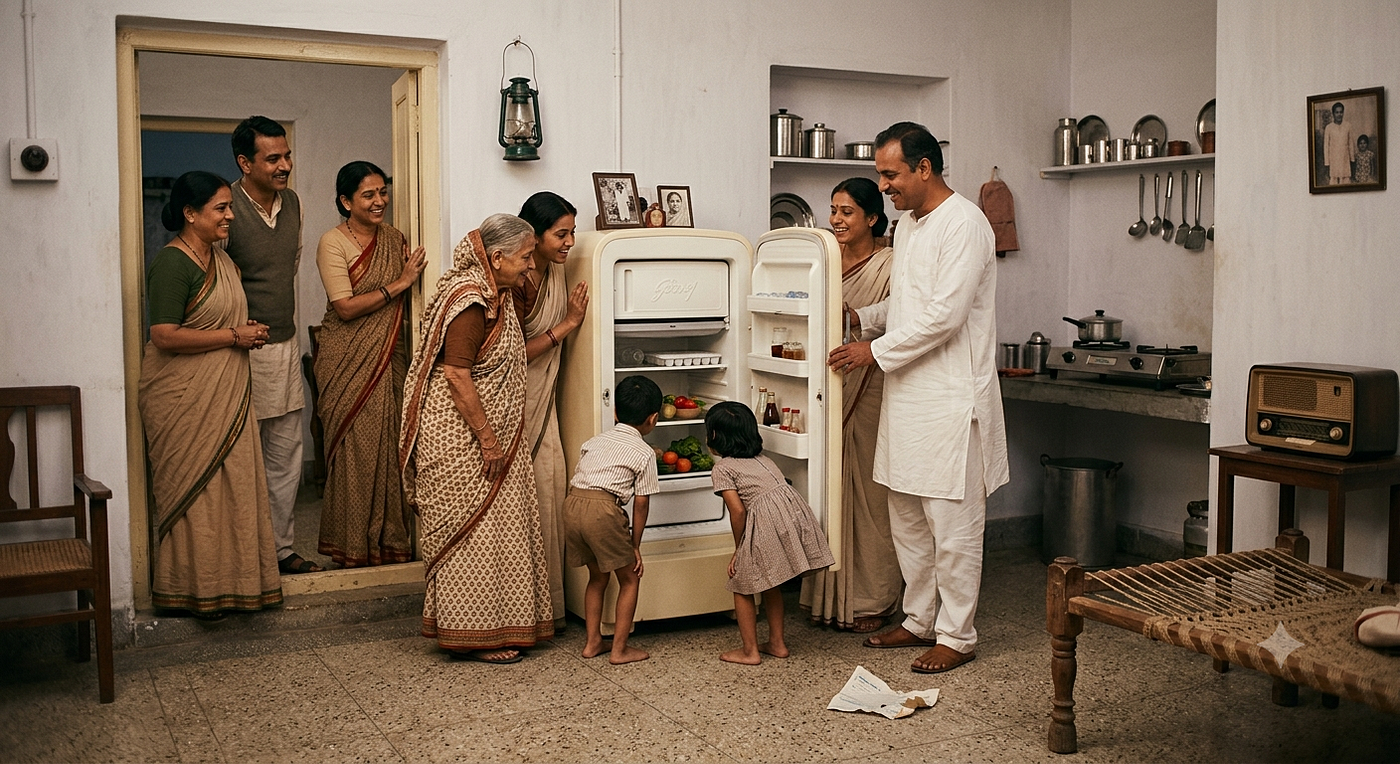
Image created by Gemini AI
Godrej Brings Refrigeration Home
A major turning point came in 1958.
Godrej, a company already known for manufacturing locks and safes, entered the refrigerator market.
Instead of copying foreign products, the company focused on Indian needs.
Its refrigerators were designed to handle high temperatures, frequent power fluctuations, and the everyday challenges faced by Indian families.
For many middle-class households, buying a Godrej refrigerator became a memorable milestone.
Owning one was a sign that the family was moving forward.
People proudly showed their new refrigerator to relatives and neighbors.
It was more than just a machine.
It represented progress, stability, and hope for a better future.
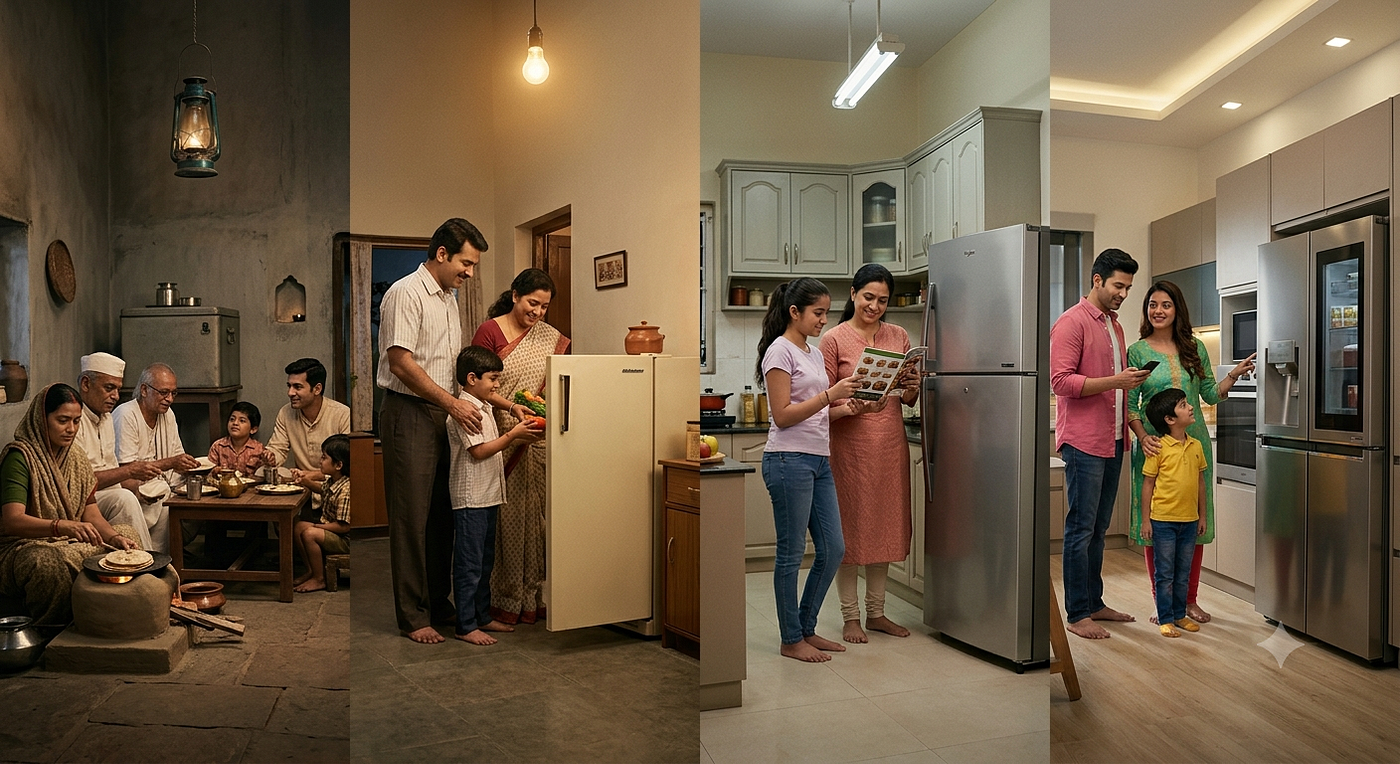
Image created by Gemini AI
A Quiet Revolution
Even by 1980, refrigerators were still uncommon in India.
Only a small percentage of homes owned one.
Over the following decades, rising incomes, improved electricity, and local manufacturing changed everything.
Today, refrigerators have become a normal part of daily life in millions of Indian households.
Most people rarely think about how much they depend on them.
Yet almost every meal we eat has been touched by refrigeration in some way.

Image created by Gemini AI
The Invention That Saves Lives Every Day
The importance of refrigeration goes far beyond keeping food fresh.
Modern healthcare depends on it.
Vaccines must be stored within carefully controlled temperatures from the moment they are manufactured until they reach hospitals and clinics.
This continuous system is known as the cold chain.
Without it, many vaccines would lose their effectiveness before reaching patients.
Blood banks also rely on refrigeration.
So do organ transplant centers.
Many life-saving medicines require precise temperatures during storage and transportation.
Without refrigeration, modern medicine would look completely different.
Millions of lives depend on this invisible technology every year.

Image created by Gemini AI
Reducing Hunger and Food Waste
Refrigeration has also changed agriculture and food supply around the world.
Farmers can transport fruits, vegetables, dairy products, fish, and meat over long distances without them spoiling quickly.
This means food reaches more people and less of it goes to waste.
Restaurants, supermarkets, and homes all depend on refrigeration to keep food safe.
What once spoiled within hours can now remain fresh for days or even weeks.
It is one of the greatest improvements in food safety in human history.
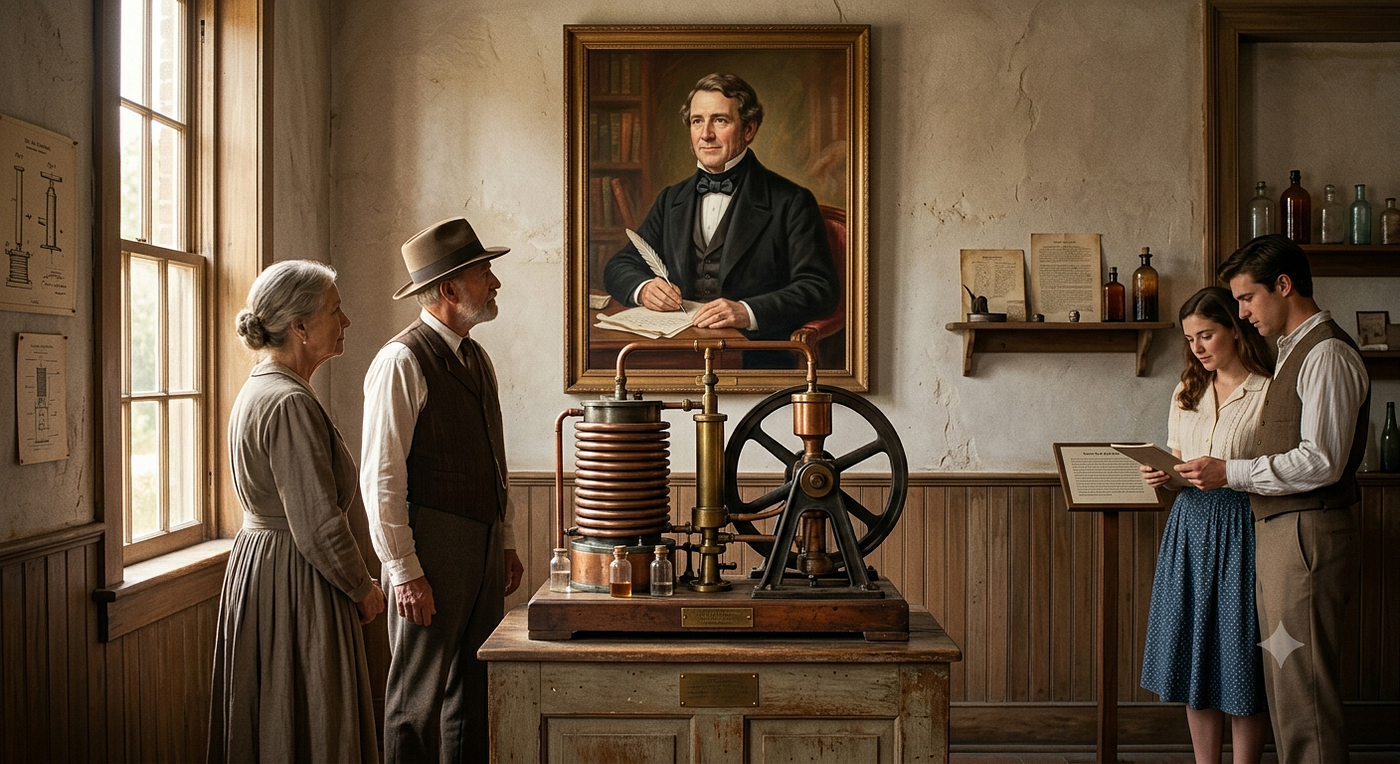
Image created by Gemini AI
The Man the World Forgot
Today, billions of people benefit from refrigeration every single day.
Yet very few know the name Dr. John
He never became wealthy.
He never saw his invention transform the world.
He never received the recognition he deserved.
His dream was dismissed.
His machine was mocked.
His work was nearly forgotten.
But history has a remarkable way of rewarding ideas that truly matter.
Years after his death, engineers continued building upon the foundation he had created.
Those improvements eventually led to the refrigerators now found in homes, hospitals, laboratories, supermarkets, and pharmacies across the world.
Every time we open a refrigerator, we are benefiting from a dream that began with one determined doctor who refused to accept that suffering was simply a part of life.
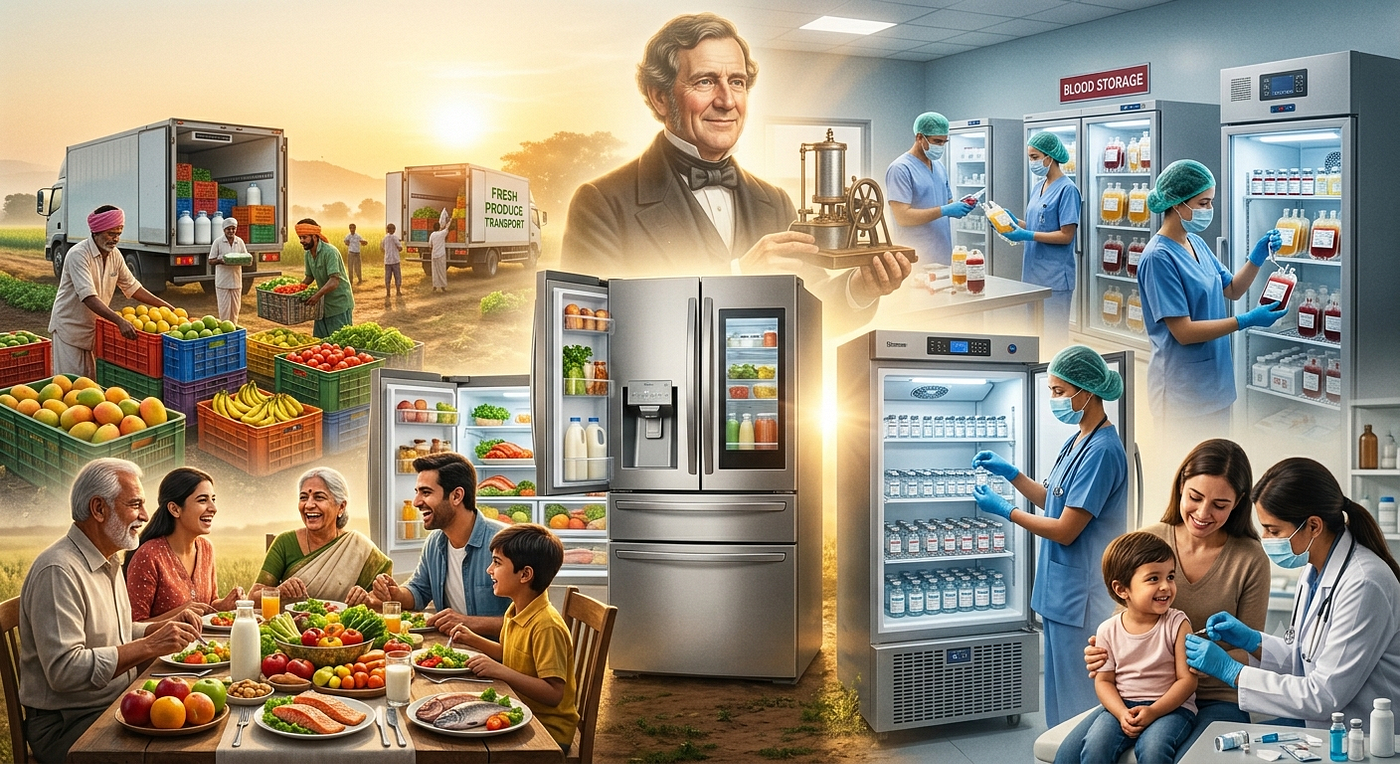
Image created by Gemini AI
A Legacy That Lives On
Some inventions make headlines.
Others quietly become part of everyday life.
Refrigeration belongs to the second group.
It does not ask for attention.
It simply works—protecting food, preserving medicine, reducing waste, and making life safer every day.
Dr. John Gorrie may not be a household name, but his vision changed the world in ways few inventions ever have.
Sometimes, the greatest heroes are not the ones history remembers the most.
They are the ones whose ideas continue improving lives long after they are gone.
Thank you for reading this three-part journey through the history of refrigeration. The next time you open your refrigerator for a glass of cold water, take a moment to remember the forgotten doctor whose impossible dream helped make that simple moment possible.
메타데이터
- post_id
- 05ecc2316faf
- slug
- the-untold-story-of-how-refrigerators-became-part-of-every-home-05ecc2316faf
- url
- https://medium.com/@thehiddenfootprint/the-untold-story-of-how-refrigerators-became-part-of-every-home-05ecc2316faf
- canonical_url
- https://medium.com/@thehiddenfootprint/the-untold-story-of-how-refrigerators-became-part-of-every-home-05ecc2316faf
- author_url
- https://medium.com/@thehiddenfootprint
- status
- ok
- fetched_at
- 2026-07-21 08:10:39



