Is Juvenile Delinquency Genetically Predisposed or Is it a Learned Behavior?
Many studies have been conducted to show which types of factors, like parental supervision, involvement in gangs, and genetic influences…
Is Juvenile Delinquency Genetically Predisposed or Is it a Learned Behavior?
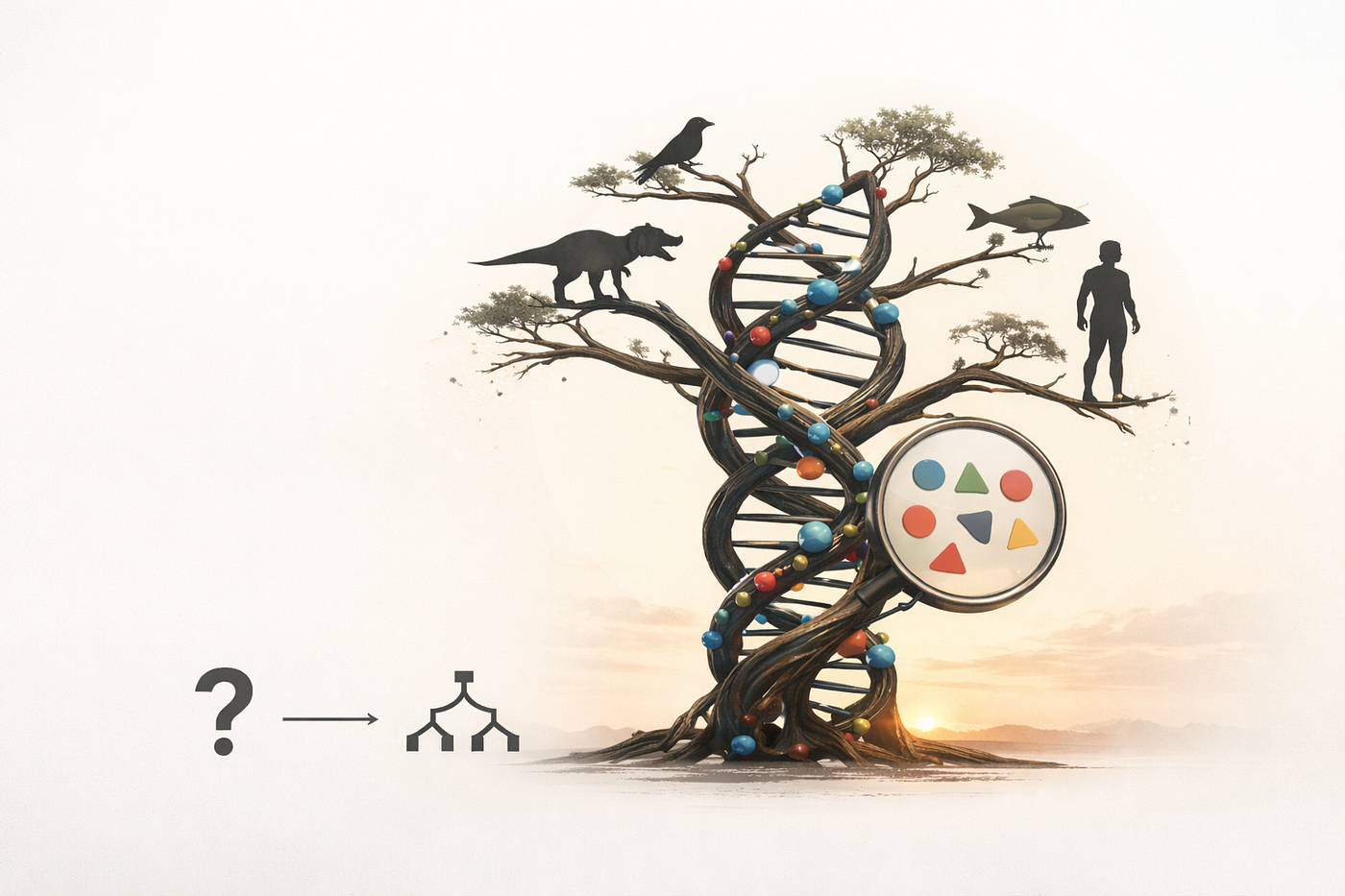
Many studies have been conducted to show which types of factors, like parental supervision, involvement in gangs, and genetic influences (like variances in a dopamine genotype) can put children at increased risk for engaging in behaviors we would consider unacceptable. These results can sometimes contradict themselves because one article will say the delinquency is for sure caused by a genetic factor, while another will argue the underlying cause is an environmental factor that led to this behavior. This paper will explore how genetic and environmental factors contribute to juvenile delinquency and whether it is “nature” or “nurture” causing this behavior.
Literature Review
Sykes & Matza’s (1957) “Techniques of Neutralization: A Theory of Delinquency”, is an older article, but it summarizes delinquent behavior is learned because it is a social behavior, not a genetic trait. Sykes & Matza went on to say the values of those with delinquent behavior are altered. They see norms and laws as things that need not apply to them. It is this attitude that continues to reinforce the avoidance of societal norms and acceptable behavior. Flanagan, Auty, and Farrington (2019) state poor parental supervision is a risk factor because it hinders the child’s formation of prosocial bonds. “Of all the child-rearing methods, poor parental supervision is usually the strongest and most replicable predictor of offending” (Flanagan et al., 2019). Based on this, one could wonder if it is environmental factors, the “nurture” in nature versus nurture, that guide adolescents to act in a delinquent manner.
Harden et al. (2015) have another take on the topic. This article focuses on antisocial behavior which they defined as “actions that violate laws, social norms, and/or the rights of other people” (Harden et al., 2015, page 1370). These are the same types of behavior exhibited with delinquency, so that is why this article is included in this discussion. The team looked at aggressive (intending to directly harm another person) versus non-aggressive (violating a law or norm, but not intending harm to anyone) acts of rule-breaking. They found that rule-breaking behavior dramatically increases in the early teen years. Harden et al. also pull evidence from a 2009 study done by Burt & Neiderhiser that found genetic influences on rule-breaking will also increase due to “gene-environment transactions” (Harden et al., 2015, page 1370).
The researchers believed this process of choosing and being chosen for certain environmental experiences was because of characteristics that are genetically influenced. “These environments reciprocally influence their behavior, thus reinforcing and magnifying initial genetically based differences between people” (Harden et al., 2015) “For example, adolescents with genetic propensities toward sensation seeking might select more deviant peer groups, and these peer groups might, in turn, facilitate rule-breaking” (Harden et al., 2015). The researchers go on to say that as children grow up they are given more freedom to make their own decisions, and this will greatly increase the genetic influences on rule-breaking. The most important piece to understand about this study is the transactional process they are describing as “outside of the skin” because it is not biologically altering genes, but there is also an “inside the skin” mechanism. These are things that do developmentally change gene expression. Harden et al. (2015) describe this theory as the following:
Genetic variance in rule-breaking has been found to increase most… between ages 10 and 15, a developmental span that overlaps… with pubertal change. During puberty, average levels of testosterone, progesterone, estradiol, DHEA, and DHEA-S increase in both sexes These adrenal and gonadal hormones can directly affect gene expression via binding to DNA-transcription factors that are distributed throughout the central nervous system. It is therefore possible that the neuroendocrine changes of puberty lead to changes in gene expression (Harden et al., 2015, pages 1370–1371).
This evidence was some of the first to show a potential link between puberty, changing hormones, and rule-breaking and aggressive antisocial behavior.
Isaksson et al. (2015) focus on antisocial behavior as well, stating that “callous-unemotional (CU) traits” are another factor. “Severity and persistence of behavior problems in children have been similarly linked to their early onset and the presence of CU traits such as lack of empathy, shallow emotions, callous use of others and high impulsivity” (Isaksson et al., 2015, p. 771). These traits are easy to link to unwanted behavior in children. Most parents try to raise children to be kind and empathetic towards others, but when children lack those qualities, they are more likely to act in a delinquent manner.
The main focus of the antisocial behavior study was to look at the possible associations between conduct disorder (CD), psychopathic traits, and the DβH genotype. By surveying 180 boys ages 14–18 from a juvenile correctional facility in Northern Russia with a questionnaire, the researchers were able to find an association “…between psychopathic traits and early-onset CD, ADHD, and mania” (Isaksson et al., 2015, pages 771–772). This goes to show it is not solely a genetic factor that causes psychological disorders like ADHD, mania, or CD. It has to do with having psychopathic traits, but “most of psychiatric disorders represent complex phenomena which develop under the influence of a number of genetic and environmental factors” (Isaksson et al., 2015, pages 772–773). Isaksson et al. concluded it there is a combination of both nature and nurture at play in the fostering of juvenile delinquency.
Another angle taken by Simmons et al. (2018) asks if having an absent father is a factor that could increase the likelihood of delinquent behavior in childhood. “However, it is possible that the presence of fathers is not, in itself, a substantial protective factor and, in some cases, can even be more detrimental than father absence” (Simmons et al., 2018). Simmons et al. also found a correlation between harsh fathers, offending, and substance abuse (whether drugs or alcohol). This correlation was also strong in the absent-father group showing delinquent children, no matter their home life, are highly likely to use drugs and alcohol underage (Simmons et al., 2018). The research team in this study looked at a large sample of “male juvenile offenders in the U.S. (ages 13–17)” (Simmons et al., 2018) to examine the effect of harsh fathers versus absent fathers to see if either was a predictor for delinquency. “Results indicated that youth in the harsh-father group engaged in more offending behaviors and used more substances than youth in the absent-father group” (Simmons, 2018). This study found that by growing up with a harsh father, these young men were much more likely to engage in delinquent behavior that leads to convictions for their offenses. Overall this study leans toward the “nurture” side of the argument as well because Simmons argues it is the parental environment you grow up in influencing your future behavior.
Cho et al. (2019) decided that a contributing factor to winding up in the justice system is being mistreated in childhood. They found that children with maltreatment in their past are more likely to end up in the justice system at younger ages than children with more positive upbringings. The research team came to this conclusion after examining “first-time delinquency for maltreated youth between ages 9 and 14” (Cho et al., 2019). Researchers surveyed 5002 third-grade children from Minnesota and also found gender, race/ethnicity, and emotional/behavioral problems to be contributing factors that could predict involvement in delinquent behavior leading to juvenile detention.
To be specific, males were 87% more likely to be adjudicated at younger ages than females. Belonging to particular racial minority groups increased the risk for early entry to the juvenile justice system among maltreated youth. Compared to white youth, Native American, Black, and Hispanic youth were 80%, 73%, and 134% more likely to cross over at younger ages, respectively. Youth with emotional/behavioral disorders were 96% more likely to engage in delinquency at younger ages (Cho et al., 2019).
Youth with larger numbers of maltreatment had even worse scores, but this study is one of the first discussed in this paper that touches on both sides of the argument. Cho et al. discuss the effects that maltreatment has, which would be the “nurture”, but they also touch on genetic factors like gender, race, and mental health. These three would be the “nature” side of the argument, further blurring the line for the cause of juvenile delinquency.
Connolly & Beaver (2015) take this same angle, siding with Cho et al., saying both genetic and environmental influences are involved and trying to shed light on where the line falls. The two researchers focused specifically on involvement in gangs and carrying handguns, but this article is included in this discussion because those are both something many people would associate with delinquent behavior. “Cities with the highest proportion of gangs tend to also experience relatively high rates of crime, including violent crimes, such as murder and sexual assaults” (Connolly, 2015). They tested twins, siblings, and half-siblings to see if there was a correlation between genetics and involvement in gangs and/or handgun carrying. It is concluded by assessing the variance between their hypotheses:
Analyses of kinship pairs from the… data revealed significant genetic influences on all of them. Specifically, genetic factors explained 77% of the variance in gang membership, 27% of the variance in carrying a handgun, and 66% of the covariance between gang membership and carrying a handgun. Just as important, however, is that the shared environment explained none of the variance/covariance across models, with all of the remaining variance being accounted for by nonshared environmental effects (Connolly & Beaver, 2015).
Connolly & Beaver explain they believe there was a gap in the field for studies looking at both genetic and environmental factors, so this study was supposed to close that gap. However, the research team found more evidence supporting “nature” over “nurture”, but in this study, only the shared environment was analyzed. Home, school, work-life, etc. were not looked at in this study.
Haeffel et al. (2008) studied the interaction between three genetic variances in the dopamine transporter gene and maternal parenting was significant enough to predict early-onset depression in adolescents. By using this gene-environment study model, the researchers were able to find “ … one of the polymorphisms… moderated the effect of perceived maternal rejection on the onset of major depressive disorder, as well as on suicidal ideation. Further, this G E interaction was specific to depression…” (Haeffel et al., 2008, page 62). This study was conducted on over 100 male adolescents from a juvenile detention center in Russia. Haeffel et al. describe the purpose of this study was to “contribute to this small but important body of G x E [gene-by-environment] studies” (Haeffel et al., 2008, page 62). To conduct this study, the researchers used an interview known as “The Schedule for Affective Disorders and Schizophrenia for School-Age Children–Present and Lifetime Version” (Haeffel et al., 2008, page 64). In addition to the interview, there were two self-report questionnaires given to each teen in a small group setting of 5–8 boys at a time. These questionnaires contained questions about maternal parenting styles and depressive symptoms. The most pressing environmental risk was maternal rejection, so that was used as the focus of the “nurture” side.
On the other hand, the “nature” side of the argument was focused on genetic variances found in the dopamine transporter gene and which of the boys tested had this gene. Researchers were then able to connect family history, blood samples, and the answers reported on the questionnaires to determine that maternal rejection, did significantly increase the likelihood of depression in adolescence (Haeffel, 2008, pages 65–67). Because the boys were all being convicted, sentenced to at least four years, and incarcerated for at least six months at the time of the study, it is possible to hypothesize the effects of parenting, as well as genetic variances, have an effect on adolescent behavior. Much like the previous three studies described, the Haeffel et al. research combines elements of “nature” and “nurture” to possibly explain the root of juvenile delinquency.
The last study on juvenile delinquency that will be discussed in this paper is a study done by Johnathan Brauer (2009) about theft and drug abuse in adolescents. He found that “Learning theories of crime and deviance… argue that people learn criminal behaviors in the same way they learn noncriminal behaviors” (Brauer, 2009, page 930). Brauer then says individuals “ learn normative definitions through intimate contact with others” (Brauer, 2009, page 930), and because of that, those who learn favorable definitions of criminal behavior must have had direct exposure to others with criminal patterns and behavior. He goes on to say:
Individuals who associate with criminal patterns will learn definitions favorable to crime (i.e., motives, drives, and rationalizations), as well as the necessary techniques or skills required to commit the crime and to spot opportunities to commit crime. Thus… individuals who associate with criminal others and who learn more definitions favorable to crime than those unfavorable to crime are more likely to commit crimes themselves (Brauer, 2009, pages 930–931).
Brauer’s study was centered around Social Learning Theory, so to test his hypothesis, he used a “longitudinal survey that used area probability sampling to obtain a national sample of male and female youth aged 11–17 years old from U.S. households” (Brauer, 2009, page 939). After the survey results were in, Brauer calculated the estimated reinforcement from parents, friends, etc. in the neighborhood. He was able to conclude from the results and his projections that age, neighborhood social disorganization, sex, race, and urban versus nonurban residences were factors that determined the likelihood of stealing and drug use (Brauer, 2009, page 946). Brauer’s study does not touch on the “nature” side of the theory because his thesis was delinquency is a learned behavior. Every study touched on in this paper lends itself to the “nurture” side of the argument, but Bauer is one of the only ones that does not try to explain adolescent behavior with inherited characteristics.
Limitations of These Studies
Many of these studies describe that there could have been errors in percentages because a majority of the data they used to conclude was self-reported. While self-reporting is not a bad method for obtaining data, it needs to be taken with a grain of salt just like everything else. There is no way to know what children lied or even exaggerated their answers. Therefore, data can be skewed in either direction without the researchers knowing. They account for this by putting a margin of error in their results, and some of them could seem to be quite high, but it takes into account the lack or surplus in the data and is there to make more logical sense of the results.
Discussion
While all these studies were conducted very differently they all prove there is no way to pinpoint one thing that causes young children and teens to act out or delinquently. Articles by Haeffel et al., Cho et al., and Connolly & Beaver show it is “nature” whereas articles by Sykes, Flannagan et al., etc. show it is “nurture”. While none of these studies were able to come to a definitive conclusion between the two sides of the argument, they began to help bridge the gap of studies in this area only using either genetic or environmental factors in their hypotheses. There are now more and more studies being published about how juvenile delinquency is a topic that must be investigated with a biosocial outlook. Humans are multidimensional and need to be examined from all angles. The latter studies mentioned were the first of this kind and paved the way for research to come.
In conclusion, the results of these studies provide some fascinating insights into the effects of parenting styles, genetic variances, and the way the environment can shape children’s behavior and futures. Many children who commit multiple, or especially heinous crimes as a child, are more likely to be tried as adults. Many children serve life sentences because of a mistake they made very early in life. By committing crimes, these kids set themselves up for a life full of challenges. If they do get out of jail within a reasonable amount of time, they still face the hardships of finding housing, a job, obtaining a license, and being able to travel. If we could use these studies to determine the root of these behaviors, there is a possibility of changing the trajectory of children’s lives.
References
Brauer, J. R. (2009). Testing social learning theory using reinforcement’s residue: multilevel
analysis of self-reported theft and marijuana use in the national youth survey. Criminology, 47(3), 929–970. Retrieved from https://heinonline-org.hartness.idm.oclc.org/HOL/Page?collection=journals&handle=hein.journals/crim47&id=937&men_tab=srchresults#
Cho, M., Haight, W., Choi, W. S., Hong, S., & Piescher, K. (2019). A prospective, longitudinal
study of risk factors for early onset of delinquency among maltreated youth. Children and Youth Services Review, 102, 222–230. https://doi.org/10.1016/j.childyouth.2019.05.023
Connolly, E. J., & Beaver, K. M. (2015). Guns, Gangs, and Genes: Evidence of an Underlying
Genetic Influence on Gang Involvement and Carrying a Handgun. Youth Violence and Juvenile Justice, 13(3), 228–242. doi: 10.1177/1541204014539522
Flanagan, I. M. L., Auty, K. M., & Farrington, D. P. (2019). Parental supervision and later
offending: A systematic review of longitudinal studies. Aggression and Violent Behavior, 47, 215–229. https://doi.org/10.1016/j.avb.2019.06.003
Haeffel, G. J., Getchell, M., Koposov, R. A., Yrigollen, C. M., Deyoung, C. G., Klinteberg, B.
A., … Grigorenko, E. L. (2008). Association between polymorphisms in the dopamine transporter gene and depression: evidence for gene-environment interaction in a sample of juvenile detainees. Psychological Science, 19(1), 62 -69. https://doi-org.hartness.idm.oclc.org/10.1111/j.1467-9280.2008.02047.x
Harden, K. P., Patterson, M. W., Briley, D. A., Engelhardt, L. E., Kretsch, N., Mann, F. D., …
Tucker, D. E. M. (2015). Developmental changes in genetic and environmental influences on rule-breaking and aggression: age and pubertal development. Journal of Child Psychology & Psychiatry, 56(12), 1370–1379. https://doi-org.hartness.idm.oclc.org/10.1111/jcpp.12419
Isaksson, J., Grigorenko, E. L., Oreland, L., Af Klinteberg, B., Koposov, R. A., & Ruchkin, V.
(2016). Exploring possible association between DβH genotype (C1021T), early onset of conduct disorder and psychopathic traits in juvenile delinquents. European Archives Of Psychiatry And Clinical Neuroscience, 266(8), 771–773. Retrieved from https://search-ebscohost-com.hartness.idm.oclc.org/login.aspx?direct=true&AuthType=ip,cookie&db=cmedm&AN=26616837&site=eds-live&scope=site
Simmons, C., Steinberg, L., Frick, P. J., & Cauffman, E. (2018). The differential influence of
absent and harsh fathers on juvenile delinquency. Journal of Adolescence, 62, 9–17. https://doi.org/10.1016/j.adolescence.2017.10.010
Sykes, G., & Matza, D. (1957). Techniques of Neutralization: A Theory of Delinquency.
American Sociological Review, 22(6), 664–670. Retrieved from http://www.jstor.org.hartness.idm.oclc.org/stable/2089195
메타데이터
- post_id
- 065cf306239a
- slug
- is-juvenile-delinquency-genetically-predisposed-or-is-it-a-learned-behavior-065cf306239a
- url
- https://medium.com/@oliviashonio/is-juvenile-delinquency-genetically-predisposed-or-is-it-a-learned-behavior-065cf306239a
- canonical_url
- https://medium.com/@oliviashonio/is-juvenile-delinquency-genetically-predisposed-or-is-it-a-learned-behavior-065cf306239a
- author_url
- https://medium.com/@oliviashonio
- status
- ok
- fetched_at
- 2026-06-09 15:37:30