Fastest-Growing Plants on Earth
Discover what is the fastest growing plant in the world. We review the top 10 fastest growing plants and
What Is the Fastest Growing Plant in the World?
As a botanist, I’ve spent an embarrassing amount of time wondering what the fastest-growing plant is, so at some point, I sat down and actually compared them. I ranked the ten below on three things: how much the stem gains in a day, how fast the whole plant doubles in biomass, and how well it copes when conditions aren’t perfect. The list runs from a grass that beats most trees to a turnip somebody built in a lab.
So the fastest growing plant in the world is bamboo. Some tropical species, mostly in the genus Phyllostachys, can put on 91 cm (35 in) in a single day, roughly an inch and a half an hour. You’d only see that during the shooting season and only on the big timber types, but the record is real. The rest of the list gets more interesting once you’re past it.

Top-10 Fastest Growing Plants and Trees Compared
There are several reasons for this rapid growth rate. In the wild, the first plant to germinate receives the light and shades all the others. That’s why the top 10 fastest growing plants are mostly pioneers — plants that colonize burnt areas or flooded shores before slower-growing species. Here’s how they compare.
[embed]
1. Bamboo (Phyllostachys)
People forget bamboo is a grass and not a tree, and that’s basically the whole trick. Underground, it runs a network of rhizomes that store water and sugar all year. When the right season comes, the plant burns through that reserve in a hurry, and a single shoot can add 35 inches in a day.

According to Guinness, that’s the fastest confirmed rate for any plant. It doesn’t thicken the way a trunk does. It goes straight up, node stacking on node, then stops. Nothing else grows that fast in a vertical line, which is why bamboo is still the fastest growing plant on the record books.
2. Duckweed (Lemna and Wolffia)
Bamboo wins on height, but if you measure by sheer biomass, duckweed is arguably quicker. These are the smallest flowering plants there are, some of them about the size of a grain of sand, floating on ponds with barely any structure to them.

The tiny Wolffia globosa can double its biomass in roughly 29 hours, budding off clones of itself. Some researchers worked out that with unlimited food and CO₂, one plant could in theory produce around 1⁰³⁰ offspring in four months, a mass in the ballpark of the whole planet. Gram for gram, these are the quickest growing plants on Earth.
3. Kudzu (Pueraria)
Kudzu is the one that most Americans have actually seen. It’s a Japanese vine that turned wildly invasive across the southeastern US, which earned it the nickname “the vine that ate the South.”

It grows about a foot a day. The trouble is it doesn’t climb a support so much as smother everything it reaches: trees, fences, cars, entire abandoned houses. Whatever it covers loses its light and dies off underneath.
4. Moluccan Albizia (Falcataria moluccana)
If you specifically want to know which plant grows the fastest and still counts as a proper tree, it’s this one. You’ll see it written as Falcataria moluccana, or by the older name Albizia falcata, or sometimes just loosely called a tropical acacia.
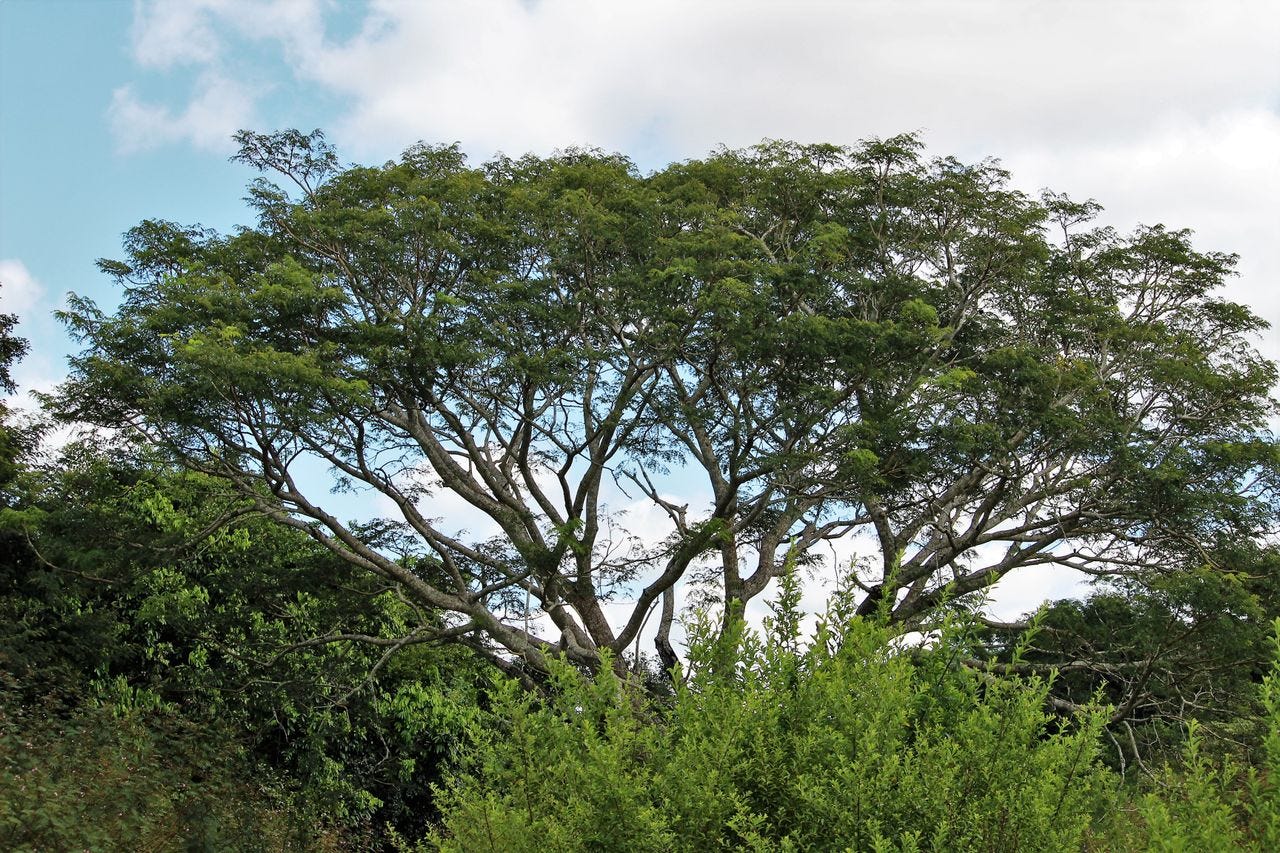
One tree in Sabah, Malaysia hit 10.74 m (about 35 feet) in 13 months, which is the Guinness record. The tropics do most of the work. No cold season means no dormancy, so it grows all year round.
5. Golden Pothos (Epipremnum aureum)
For anyone asking what is the fastest plant to grow indoors is, pothos is the usual answer. It puts on a foot to a foot and a half of vine a month. Epipremnum aureum tolerates low light and the occasional forgotten watering, which is why it’s everyone’s first houseplant.
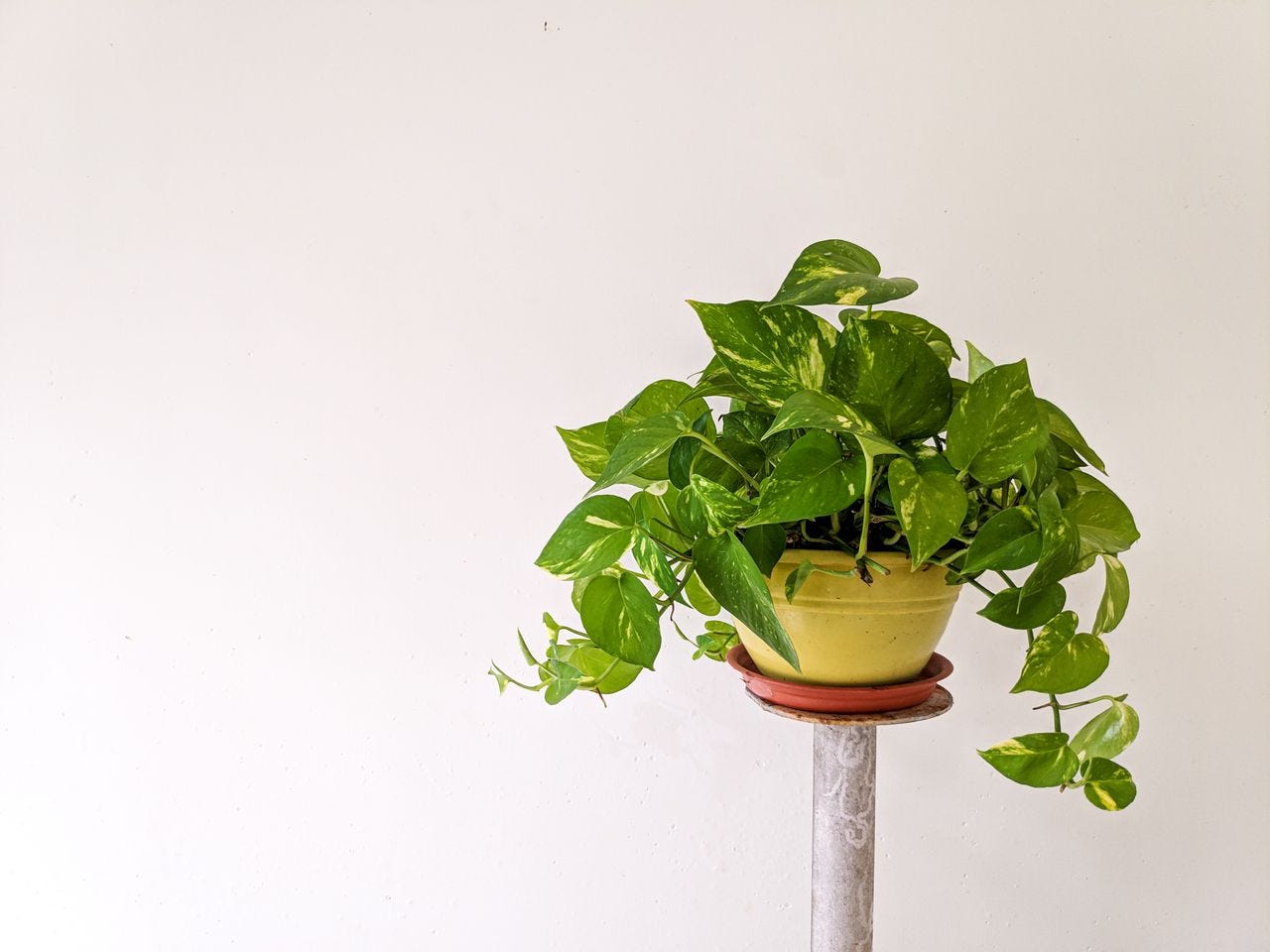
The catch with a fast-growing houseplant is that it’s easy to overwater, and pothos roots rot before you notice anything wrong up top. That’s where an assistant like the Botan app comes in handy. It automatically detects what you’re growing by photo and works out a watering schedule around your actual room conditions, so a fast climber like Golden Pothos doesn’t end up sitting in soggy soil.
6. Hybrid Poplar (Populus deltoides x Populus nigra)
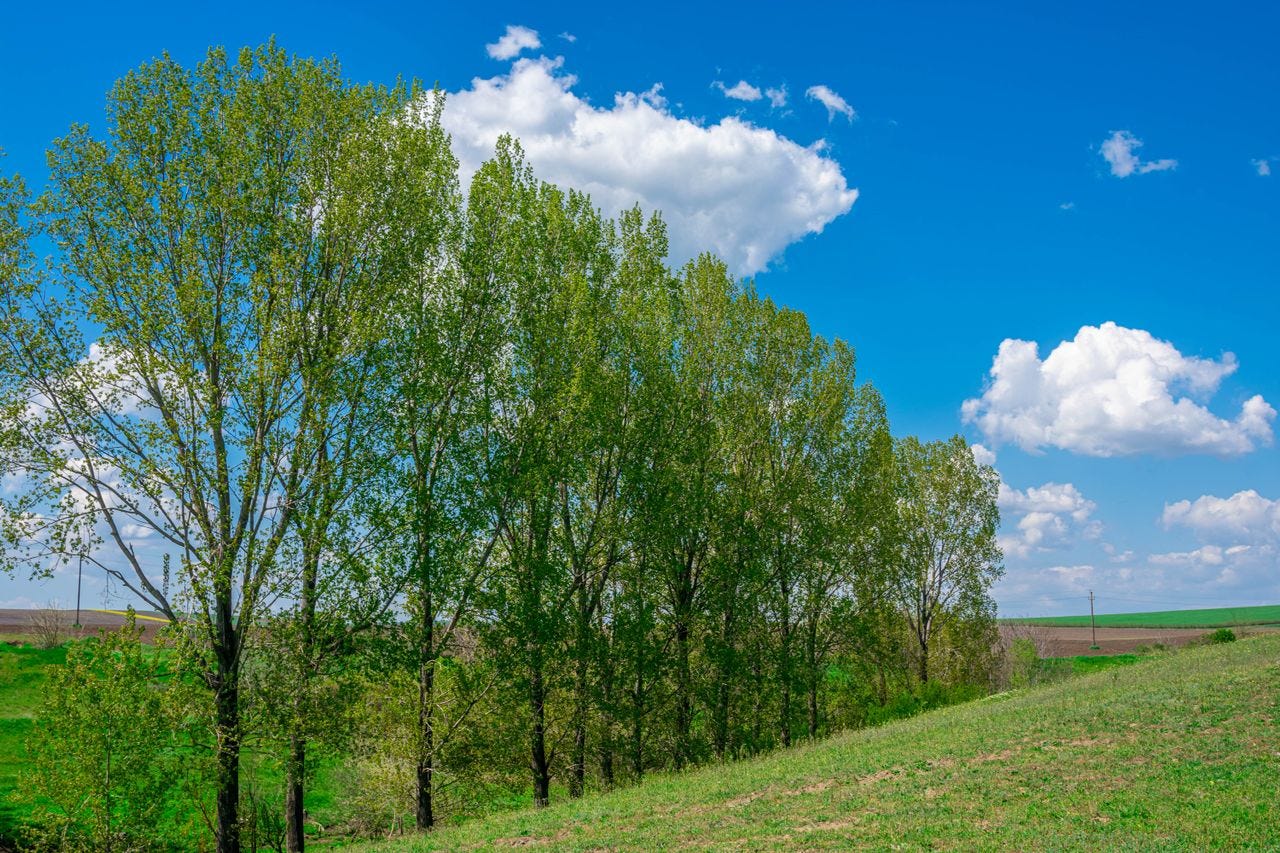
Hybrid poplar is a cross between two poplar species, bred to grow faster than either parent. It adds around 3 meters a year, and a plantation can reach harvestable size in about 5 years. That’s short enough to run it as a crop rather than a forest. Growers cut it for timber, pulp, and firewood, then replant, so it counts as a renewable source of wood.
7. Wisconsin Fast Plants (Brassica rapa)
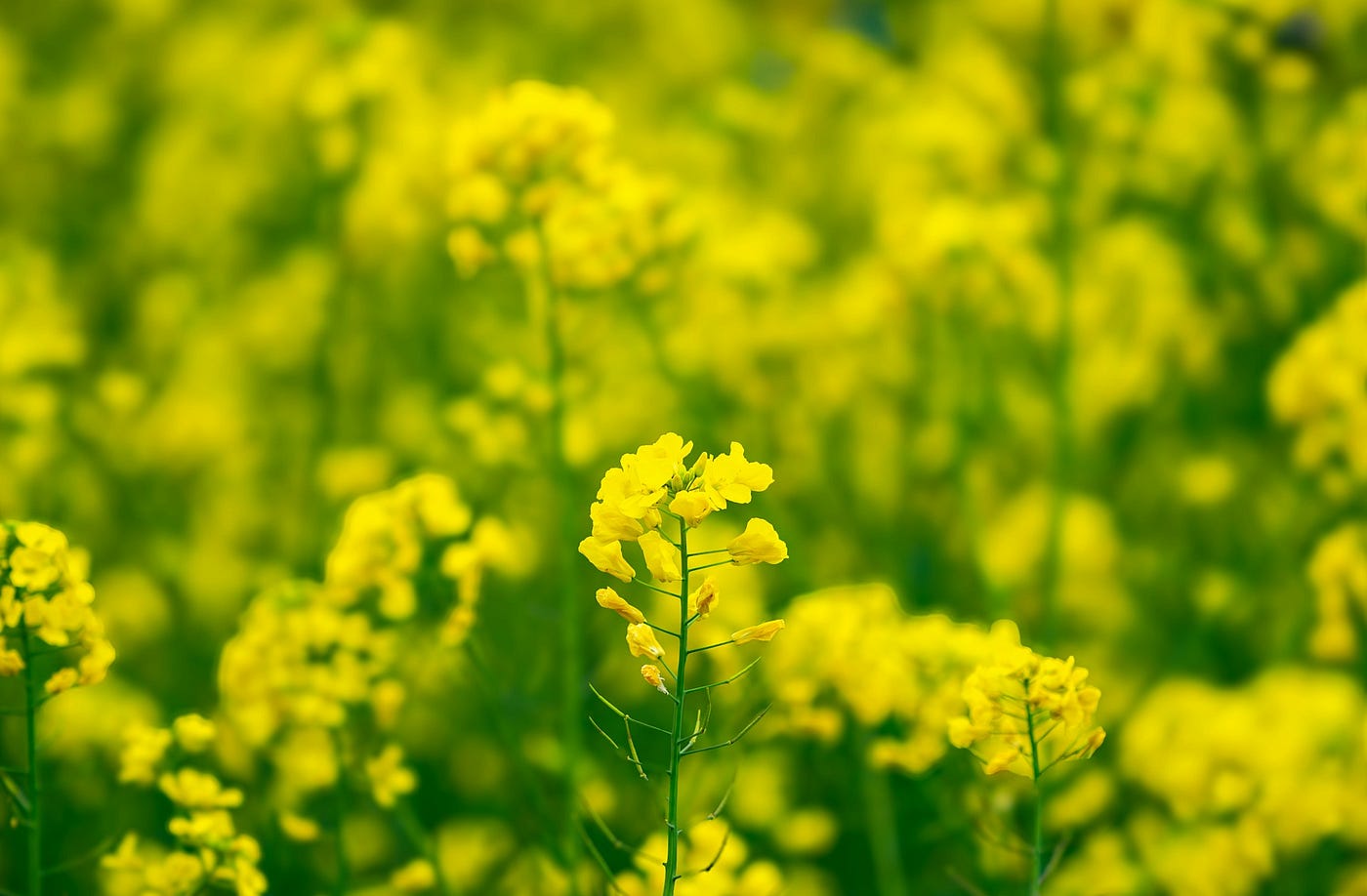
These are a bit of an oddity. Researchers at the University of Wisconsin bred a strain of field mustard that runs its entire life cycle in about 35 days. Seeds, sprouts, flowers, new seeds — it all fits into this period. This is precisely what makes their cycle so short.
8. Giant Sequoia (Sequoiadendron giganteum)
The giant sequoia is the odd one out here, because it isn’t fast off the line the way the others are. Sequoiadendron giganteum adds around 2 meters of height a year in its first decade, which is respectable but not stunning.
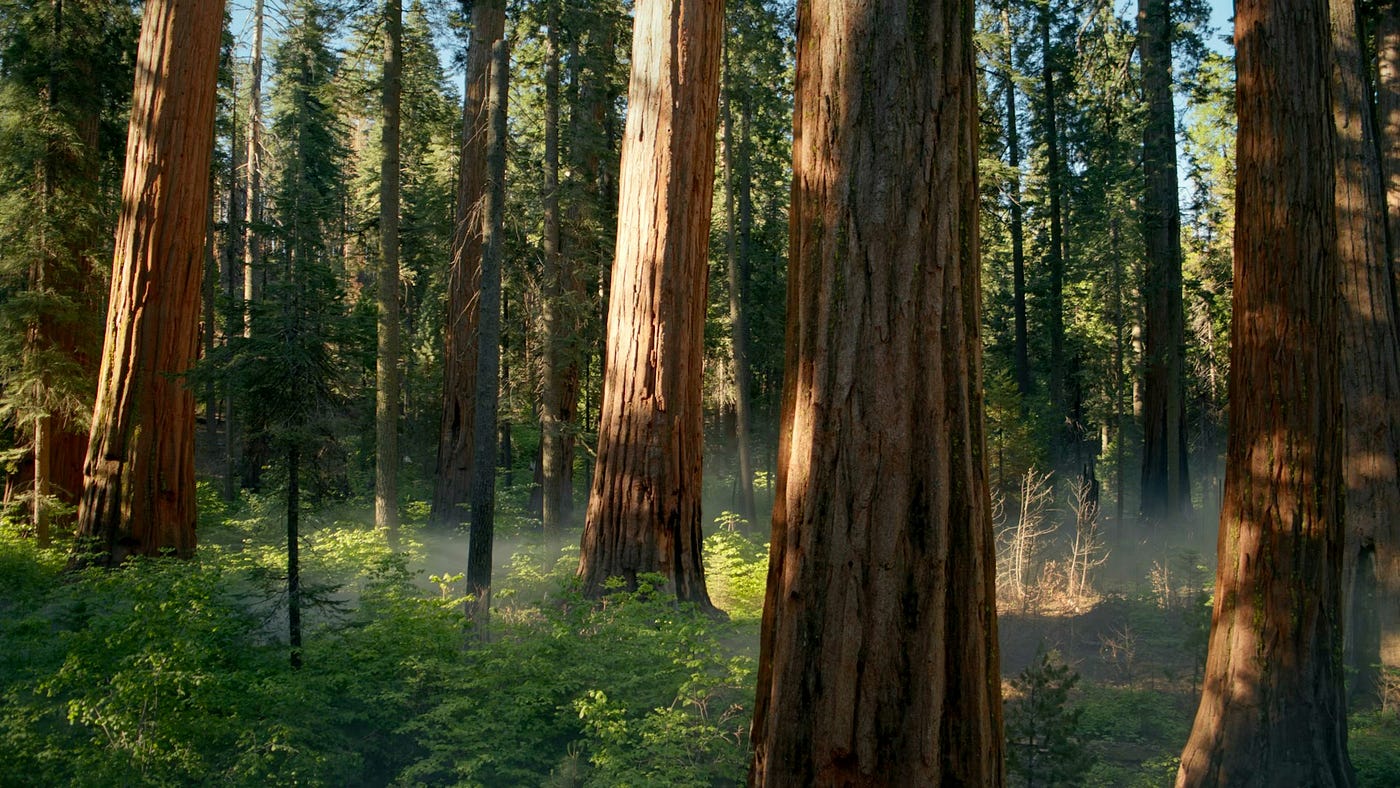
What’s actually record-breaking is how fast it builds wood. It fattens its trunk quicker than any other tree, adding volume by the cubic meter every season. On volume alone, it belongs among the fastest growing trees in the world. A few things that set it apart:
- Bark that gets close to a foot thick and shrugs off fire.
- Wood is added by the cubic meter a year, not by the inch.
- A working lifespan measured in thousands of years.
- A trunk that keeps widening long after height growth slows.
9. Eastern Cottonwood (Populus deltoides)
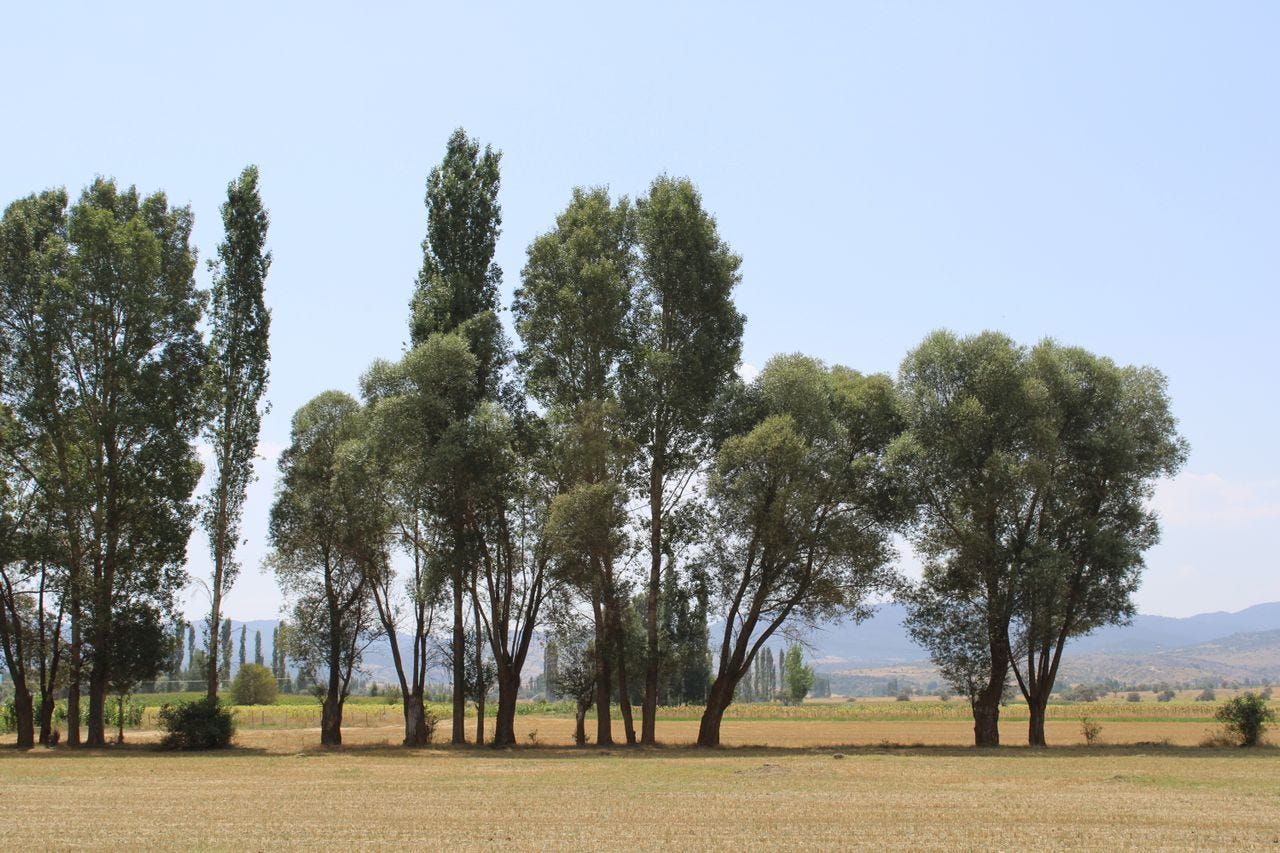
If the question is what plant grows the fastest in North America, the eastern cottonwood is the honest answer. A young one can put on 10 to 15 feet (3 to 4.5 m) of height in a year. It wants wet ground, so you’ll find it lining rivers and standing in floodplains where there’s plenty of water to fuel that early sprint. It’s a deciduous tree, so it drops its entire canopy each autumn.
10. Transgenic Eucalyptus

The last one is a lab product. Researchers have engineered eucalyptus to grow past what the wild versions manage. The transgenic trees run about 30% faster, add close to 5 meters a year, and reach serious height in roughly five years. It’s the same idea as the hybrid poplar, pushed further with genetics: more wood off the same ground in less time.
Embracing the Rapid Rhythms of Nature
We tend to file plants under the slow, patient part of nature, and this list rather ruins that idea. I find watching that kind of growth oddly settling. It’s hard to stay wound up about your inbox when you’re crouched over a pond counting new fronds.
Whatever’s rattling around your head goes quiet for a minute, and you’re reminded that you’re part of something a lot bigger and busier than your own day. So next time you walk past any of the top 10 fastest growing plants presented here, actually stop and look. There’s more going on than you’d guess.
메타데이터
- post_id
- 067d3d7fb2fb
- slug
- fastest-growing-plants-on-earth-067d3d7fb2fb
- url
- https://medium.com/@plaksinadariia/fastest-growing-plants-on-earth-067d3d7fb2fb
- canonical_url
- https://medium.com/@plaksinadariia/fastest-growing-plants-on-earth-067d3d7fb2fb
- author_url
- https://medium.com/@plaksinadariia
- status
- ok
- fetched_at
- 2026-07-17 10:16:35