The 36th Chamber of the Shaolin Temple (1978)
Entering the Authenticity of Kung Fu
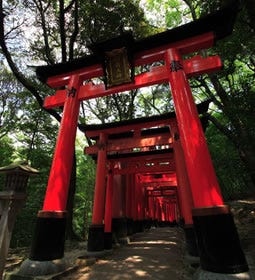
Photo by John Thomas on Unsplash
DR. WAYNE STEIN SPRING 2013
The 36th Chamber of the Shaolin Temple (1978)
Entering the Authenticity of Kung Fu
It starts with love. .
“Everything is kung fu.” — Jackie Chan

Class Logo
ENG 4703 / 5703 Kung Fu Film and Literature
This course examines kung fu films, focusing primarily of Hong Kong films.
One of my favorite classes to teach was Kung Fu Cinema at a university and it was very popular.
I grew up in Los Angeles where I was challege to real fights all the time, Japanese, Korean and Chinese fighters from different styled fought me to test me.
Those were real fights, I often knocked my opponents out. Indeed I never lost a fight. Hit me hard and I always move forward to destroy you.
However, if I knocked you out, I made sure you were okay and waited. Often, those opponents became my students as I taught them how to fight. I have many black belts in different styles.
The following in from my Kung Fu university course: enjoy and learn. . .
Course Description
Students will identify the conventions of this genre. Students will formulate how the Chinese philosophies of Taoism, Buddhism and Confucianism are used in such films.
Required Films to Watch
Students will assess how kung fu films become recognized as an influential global cinema.
Taoism: Wuxia/ Wu Dang
1) One Armed Swordsman (1967)
2) Legend of the Swordsman (1992)
3) Crouching Tiger, Hidden Dragon (2000)
Buddhism: Shaolin
4) 36th Chamber of Shaolin (1978)
5) Executioner from Shaolin (1977)
Chen Zhen
6) Fist of Fury (1972), Bruce Lee
7) Fist of Legend (1994), Jet Li
*8) Kung Fu Hustle (2004) Stephen Chow*
*9) Ip Man (2008) Donnie Yen*
Confucian: Wong Fei Hong
10) Once Upon a Time in China II (1992), Jet Li
11) Drunken Master II (1994), Jackie Chan
Entering the Authenticity of Kung Fu
Also called Master Killer, The 36th Chamber of Shaolin, traces a lineage of martial knowledge. Directed by Lau Kar Leung, this film was a huge success. Gordin Liu, his brother (a sort of blood brother), plays the historical monk San Te who teaches Shaolin martial arts to commoners.
Thus, the 36th chamber is for non-monks or rebels fighting against a corrupt government.
This classic kung fu film occurs during the Ming period which often becomes a need time for a kung fu hero. The Manchu, as a foreign power, are ruthless to the population. The kung fu hero becomes a rebel with a cause.
San Te taught Hung Hsi Kwan who created hung gar kung fu, which Wong Fei-hong, the greatest cinematic hero of Hong Kong, practiced. Lau Kar Leung’s great grandfather trained under Wong Fei-hong.
Thus, in a sense we are treated to a special treat by watching a descendant of San Te’s techniques produce a movie.
Thank you for reading.. . . Read more to be more alive
It starts with love. . Love more to be more. . Stop the wars
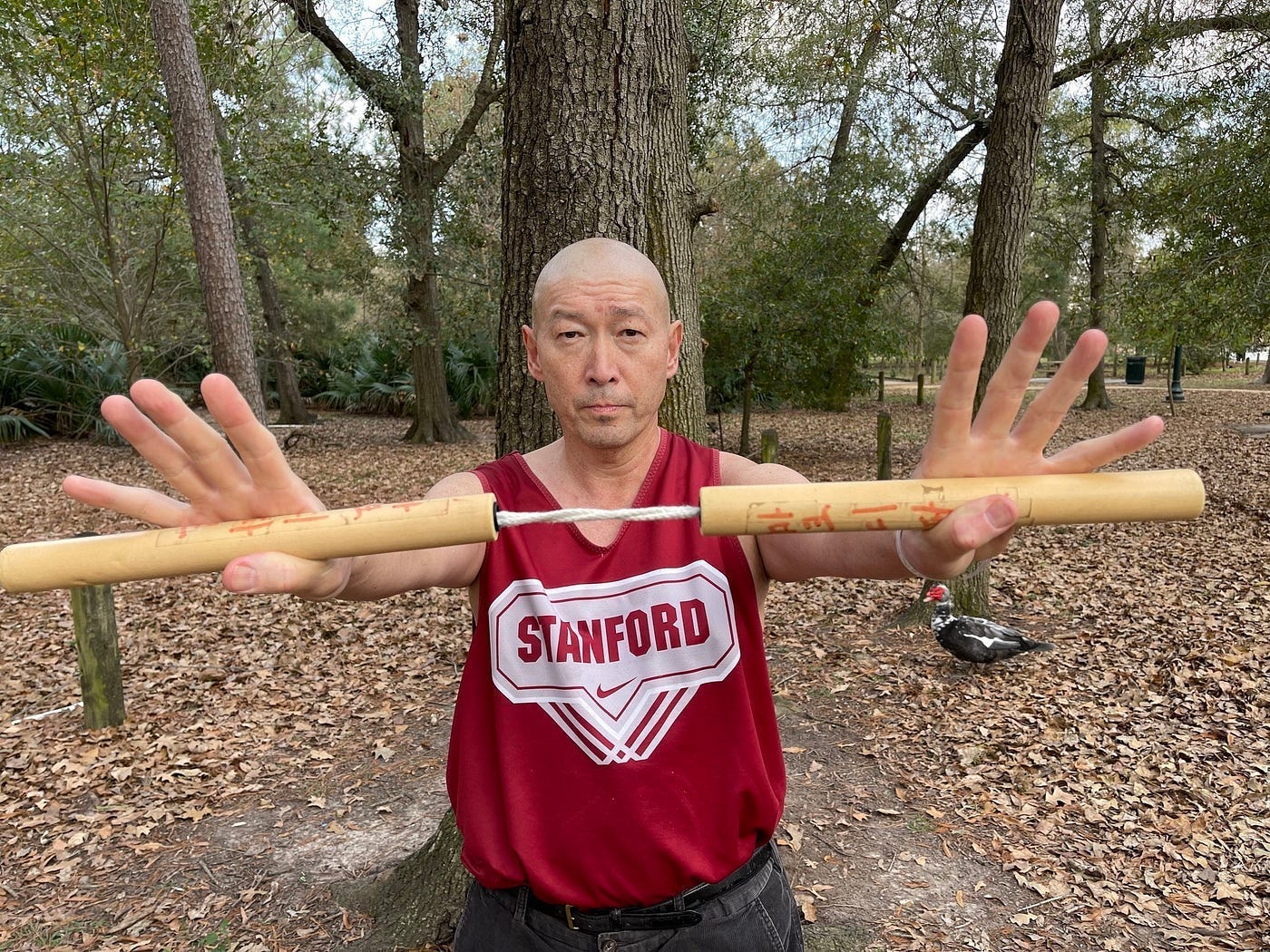
Picture of the author fighting Cancer.
H-Sim: Hero Simulation Report Required
Undergraduate students write at least 3 pages.
Graduates students write at least 4 pages.
What is a Chinese hero? What is the philosophy?
Look below and choose one type of Chinese hero from the three types typically found in Kung fu films. Write an action narrative describing a short adventure of this hero. Have heroes from different films we watched interact with each other.
You can use first person if you want. Modify or change the narrative. Perhaps change the ending. Bring characters from different films together. Perhaps make a villain the hero or vice versa. You can focus on the climax where the hero is tested.
1) Shaolin Buddhist Hero: e.g, San Te from 36 Chambers of Shaolin. You must quote from Chinese Buddhist texts like the Diamond or Lotus Sutra.**
2) Wudan Taoist Hero: e.g., Master Li Mu Bai from Crouching Tiger, Hidden Dragon. You must quote from Taoists texts like Tao Te Ching. Google it.
3) Everyman Confucian Hero: e.g, Wong Fei Hong. Once Upon a Time in China or Drunken Master. You must quote from The Analects. Google it.
Way of Wisdom
Be sure to include philosophical ways of seeing life. Most of the films do not go into the philosophy. You might alter the ending of a film or modify the narrative. Be creative. You can introduce a new character. Change the gender of a character.
I will not take off for historical inaccuracies. You can use dialogue too.
When you modify a film, you must identify the film! Make the antagonist the protagonist. Retell the story from the bad guy’s point of view and claim that everyone was told a lie. Take off at least ten points from the report if you fail to add kung fu wisdom!
The Ahh Factor.
It should be interesting and engaging. If your narrative or retelling is not as good as the Chinese heroes found in kung fu films, it may affect your grade. “B” might mean “boring” while “A” might mean “Ahhh!”
메타데이터
- post_id
- 06b5f6451f90
- slug
- the-36th-chamber-of-the-shaolin-temple-1978-06b5f6451f90
- url
- https://plume.obsidianeagle.com/the-36th-chamber-of-the-shaolin-temple-1978-06b5f6451f90
- canonical_url
- https://plume.obsidianeagle.com/the-36th-chamber-of-the-shaolin-temple-1978-06b5f6451f90
- author_url
- https://medium.com/@waynestein
- status
- ok
- fetched_at
- 2026-07-09 15:12:33