Commercial & Residential Demolition with Professional Hauling
Demolition and hauling is the complete process of tearing down structures and removing debris safely, efficiently, and in compliance with…
Commercial & Residential Demolition with Professional Hauling
Demolition and hauling is the complete process of tearing down structures and removing debris safely, efficiently, and in compliance with local regulations. Whether you are clearing space for new construction, renovating a property, or removing unsafe structures, professional demolition and hauling ensures the job is handled correctly from start to finish. Property owners, contractors, and developers rely on trained crews to manage everything from structural dismantling to responsible waste disposal. This guide explains how demolition and hauling works, why it matters, and what to expect in 2026.
What Is Demolition and Hauling and Why Is It Essential?
Demolition and hauling refers to the coordinated removal of buildings, interior structures, and construction debris, followed by safe transportation and disposal of materials.
It is essential because demolition alone is only half the job. After tearing down walls, concrete, or structural components, debris removal must be completed quickly to prepare the site for redevelopment. Without proper demolition and hauling, properties can face safety risks, environmental violations, and costly delays.
In states like New Jersey, strict regulations surrounding nj demolition projects require professional oversight to ensure compliance with environmental and safety standards.
Types of Projects That Require Demolition and Hauling
Different property types demand different approaches. Professional demolition experts evaluate each project carefully before beginning work.
Residential Demolition
Residential demolition and hauling includes:
- Full home teardowns
- Garage removal
- Interior renovations
- Concrete removal from driveways
- Deck and shed dismantling
Homeowners often need debris removal after remodeling kitchens, bathrooms, or basements.
Commercial Demolition
Commercial demolition projects typically involve larger structures such as:
- Office buildings
- Warehouses
- Retail stores
- Industrial facilities
Commercial demolition requires heavy equipment and careful planning to ensure safety in busy areas.
Structural Demolition
Structural demolition focuses on removing load-bearing elements like beams, columns, and foundations. This type of work requires engineering precision and experienced operators.
How Does the Demolition and Hauling Process Work?
**Demolition and hauling** follows a structured workflow designed to maximize safety and efficiency.
Step 1: Site Inspection and Planning
Professionals assess the structure, check for hazardous materials, and secure permits. In demolition nj projects, municipal approval is mandatory before starting.
Step 2: Utility Disconnection
Gas, electric, and water lines are safely shut off to prevent accidents.
Step 3: Controlled Demolition
Crews use excavators, breakers, and specialized tools to dismantle structures systematically.
Step 4: Sorting and Debris Removal
Materials are separated for recycling, reuse, or disposal. Construction waste hauling ensures debris is transported responsibly.
Step 5: Site Clearing and Final Inspection
The site is leveled, cleared of hazards, and prepared for the next phase of construction.
Each phase of demolition and hauling is carefully coordinated to minimize risk and environmental impact.
Equipment Used in Modern Demolition and Hauling
Advanced machinery improves efficiency and precision.
Common equipment includes:
- Excavators with hydraulic attachments
- Skid steers for tight spaces
- Dump trucks for junk hauling
- Concrete crushers
- Dust suppression systems
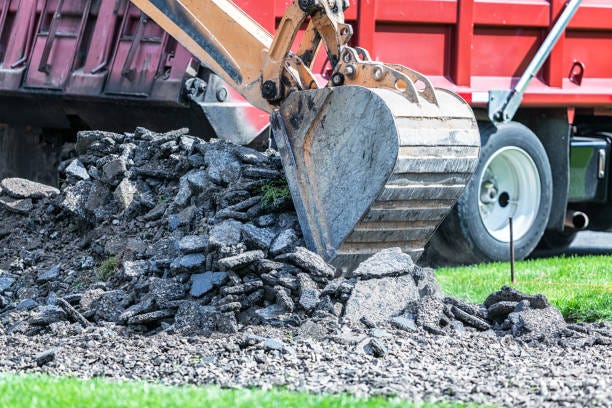
Excavation and hauling equipment ensures heavy debris is transported safely and efficiently.
Environmental Responsibility in Demolition Projects
Sustainability is a growing priority in demolition and hauling operations.
Key environmental practices include:
- Recycling concrete and metal
- Proper waste disposal methods
- Safe handling of hazardous materials
- Reducing landfill contributions
The U.S. Environmental Protection Agency (EPA) encourages recycling construction debris to reduce environmental strain. Many contractors now provide waste diversion reports for transparency.
Responsible demolition cleanup helps maintain community safety and environmental standards.
Key Safety Standards for NJ Demolition Projects
In nj demolition operations, strict compliance with local and federal guidelines is required.
OSHA Regulations
The Occupational Safety and Health Administration mandates fall protection, equipment training, and protective gear usage.
Local Permits and Zoning
Municipalities in New Jersey require demolition permits and inspection approvals before and after structural removal.
Environmental Compliance
Proper debris removal and waste disposal practices prevent contamination and legal penalties.
Working with licensed demolition experts ensures all safety measures are followed.
What Affects the Cost of Demolition and Hauling?
The cost of demolition and hauling depends on several factors.
Property Size and Structure
Larger buildings require more labor and equipment.
Material Type
Concrete removal and reinforced steel structures increase complexity.
Accessibility
Urban locations may require traffic control and special equipment.
Waste Volume
The amount of debris affects construction waste hauling costs.
Obtaining a detailed project estimate ensures transparency and accurate budgeting.
Benefits of Hiring Professional Demolition Experts
Attempting demolition without professional expertise can lead to serious risks.
Professional demolition experts provide:
- Proper licensing and insurance
- Advanced safety protocol
- Efficient debris removal
- Regulatory compliance
- Timely project completion
Hiring experienced crews reduces liability and protects surrounding properties.
The Importance of Efficient Debris Removal
Debris removal is a critical part of demolition and hauling.
Leftover materials can:
- Create safety hazards
- Delay new constructio
- Violate local codes
- Increase project costs
Prompt demolition cleanup ensures a clean, safe, and ready-to-build site.
Site Clearing and Preparation for New Construction
After demolition and hauling, site clearing prepares the land for development.
This may include:
- Removing remaining rubble
- Leveling soil
- Excavation and hauling excess dirt
- Preparing foundations
Clear, stable ground ensures a smooth transition into construction. You can learn more about [site preparation strategies] to understand how proper groundwork improves building stability.
How Long Does Demolition and Hauling Take?
The timeline depends on project scope.
- Small residential jobs may take a few days.
- Medium-sized projects can last several weeks.
- Large commercial demolition jobs may extend over months.
Permit approval, weather conditions, and waste disposal logistics all impact scheduling.
Conclusion
Demolition and hauling plays a vital role in both residential and commercial property development. From safe structural removal to responsible debris removal and site clearing, every phase must be handled with precision and compliance. In areas like demolition nj markets, strict regulations make professional expertise even more important.
Choosing experienced demolition experts ensures projects are completed safely, efficiently, and in accordance with environmental standards. If you’re planning your next project, contact P&E Demo to get started with confidence.
FAQs
1. Do I need a permit for demolition in New Jersey? Yes. Most demolition nj projects require municipal permits and inspections. Requirements vary by location, so checking with your local building department is essential before starting work.
2. How is demolition debris disposed of? Debris is sorted for recycling or landfill disposal. Construction waste hauling companies follow environmental regulations to ensure safe and responsible waste disposal.
3. How much does demolition and hauling cost? Costs vary based on building size, material type, and debris volume. A professional inspection provides the most accurate estimate for your specific project.
4. Is demolition safe near other buildings? Yes, when performed by licensed demolition experts using controlled techniques, safety barriers, and dust suppression systems to protect surrounding structures.
5. Can concrete be recycled after demolition? Yes. Concrete removal often includes crushing and recycling materials for reuse as aggregate in new construction projects.
메타데이터
- post_id
- 06f8a17f97d8
- slug
- commercial-residential-demolition-with-professional-hauling-06f8a17f97d8
- url
- https://medium.com/@johnathansmith_9016/commercial-residential-demolition-with-professional-hauling-06f8a17f97d8
- canonical_url
- https://medium.com/@johnathansmith_9016/commercial-residential-demolition-with-professional-hauling-06f8a17f97d8
- author_url
- https://medium.com/@johnathansmith_9016
- status
- ok
- fetched_at
- 2026-07-14 12:02:10