The tablet knew my name. The doctor didn’t.
I’m a Product designer and I genuinely believe technology, when designed well, can make work easier, faster, and more humane. I’ve spent…
The tablet knew my name. The doctor didn’t.
I’m a Product designer and I genuinely believe technology, when designed well, can make work easier, faster, and more humane. I’ve spent years advocating for tools that reduce friction, automate the boring parts, and allow people to focus on what actually matters.
Which is why my recent visit to a dermatologist annoyed me more than it probably should have.
The clinic itself was beautiful. Plush beige and white interiors, soft lighting, plants placed just right to signal calm and care. From a visual design perspective, everything worked. The space looked reassuring.
But the experience? Cold. Robotic. Strangely disconnected.
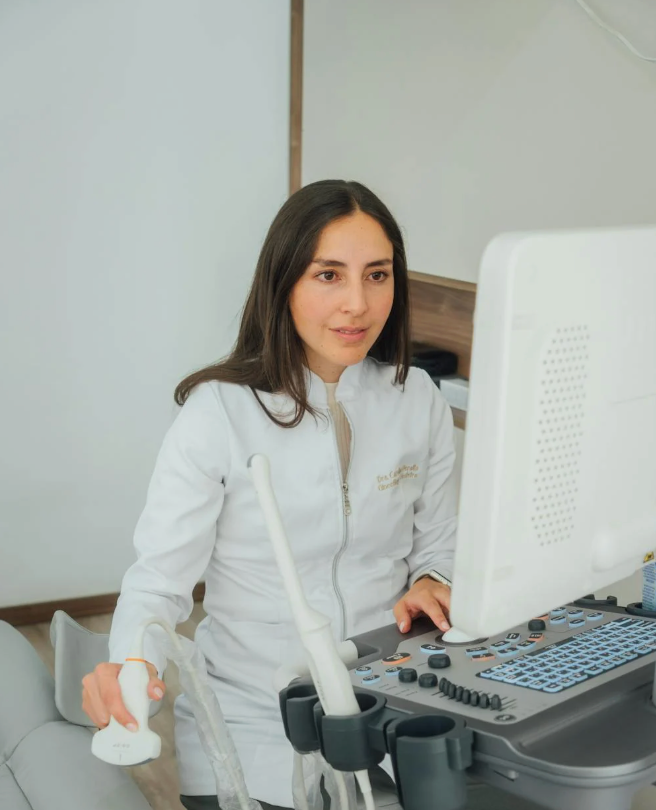
The doctor walked in holding a tablet. She searched for my name, scrolled through the issue I had already mentioned to the receptionist on the phone, and then proceeded to ask me for details like my age, background, basics, while typing continuously. Her eyes mostly on the screen, fingers moving. Pause. Tap. Scroll.
Only after completing the form did she ask, “So what seems to be the problem?”
A part of me was already uneasy, but I gave her the benefit of the doubt. As I spoke, her fingers kept moving across the screen.
Nothing about this interaction felt malicious or careless. She was efficient. She was thorough. She was clearly following a system designed to capture data correctly.
But as a patient, I felt like an input field.
The Problem isn’t technology. It’s timing.
As designers, we often talk about context of use. Technology is not neutral, it shapes behaviour. In this case, the tablet wasn’t just a tool, it became the focal point of the interaction.
The system demanded attention first. The human came second.
Data collection happened before connection. And that’s the subtle but critical UX failure.
Healthcare is not just a transactional service. It’s emotional. Vulnerable. People come in anxious, uncomfortable, sometimes scared. The first few minutes of a consultation are not about efficiency, they’re about trust.
Eye contact. Listening without interruption. Letting the patient speak without feeling rushed or documented.
When technology interrupts that moment, it doesn’t feel modern. It feels dismissive.
A beautiful UI can still create a bad experience
The irony is hard to miss. The clinic invested in aesthetics, calming colours, thoughtful interiors, visual comfort. But experience design goes beyond surfaces.
UX is not how things look. UX is how things feel when you’re inside the system.
And here, the system made the doctor feel like an operator and the patient feel like data.
We often assume digitisation equals progress. But digitising a process without rethinking it simply transfers old problems into a new medium, sometimes making them worse.
Paper forms were annoying. But at least they didn’t stare back at you while you spoke.
Designing for humans, not just records
This experience made me think about how often we design tools for organisations, compliance, and efficiency — while forgetting the person on the other side of the screen.
What if the flow was different?
- What if the first five minutes were screen-free? (like old times)
- What if data entry happened after the conversation, not during?
- What if the system supported memory instead of replacing listening?
Good UX doesn’t remove humans from the process. It protects space for them.
The real question we should ask
As designers, product managers, and technologists, the question isn’t:
“How do we capture information faster?”
It’s:
“At what moment does technology help and when does it get in the way?”
There’s a small clinic near my house, a general practitioner who’s open for just three hours, from 6 to 9 pm. No appointments. First come, first served. No fancy interiors, just simple benches for people to sit on. When you meet him, he greets you with a gentle, “What is it now? Tell me.” An old man with a warm smile, he puts you at ease and writes the prescription only after listening to you fully. This clinic is always full.
User experience goes beyond data, metrics, and retention. At its root, it’s about understanding the patterns that make interactions feel right.
메타데이터
- post_id
- 0700a1ff8a84
- slug
- the-tablet-knew-my-name-the-doctor-didnt-0700a1ff8a84
- url
- https://medium.com/@sanjanap37/the-tablet-knew-my-name-the-doctor-didnt-0700a1ff8a84
- canonical_url
- https://medium.com/@sanjanap37/the-tablet-knew-my-name-the-doctor-didnt-0700a1ff8a84
- author_url
- https://medium.com/@sanjanap37
- status
- ok
- fetched_at
- 2026-06-09 15:37:30