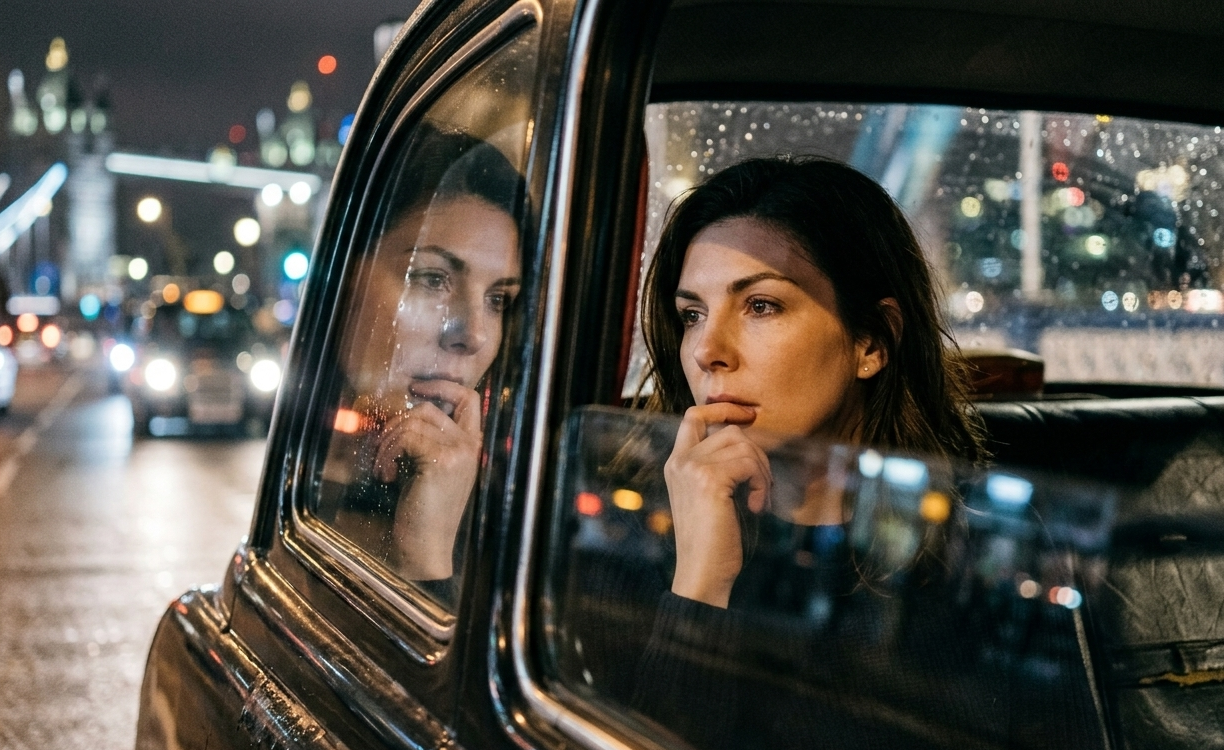
When Self-Improvement Becomes Self-Pressure
From body positivity to body neutrality. Why the new self-care movement isn’t about loving yourself, but finally leaving yourself alone.
When Self-Improvement Becomes Self-Pressure
From body positivity to body neutrality. Why the new self-care movement isn’t about loving yourself, but finally leaving yourself alone.
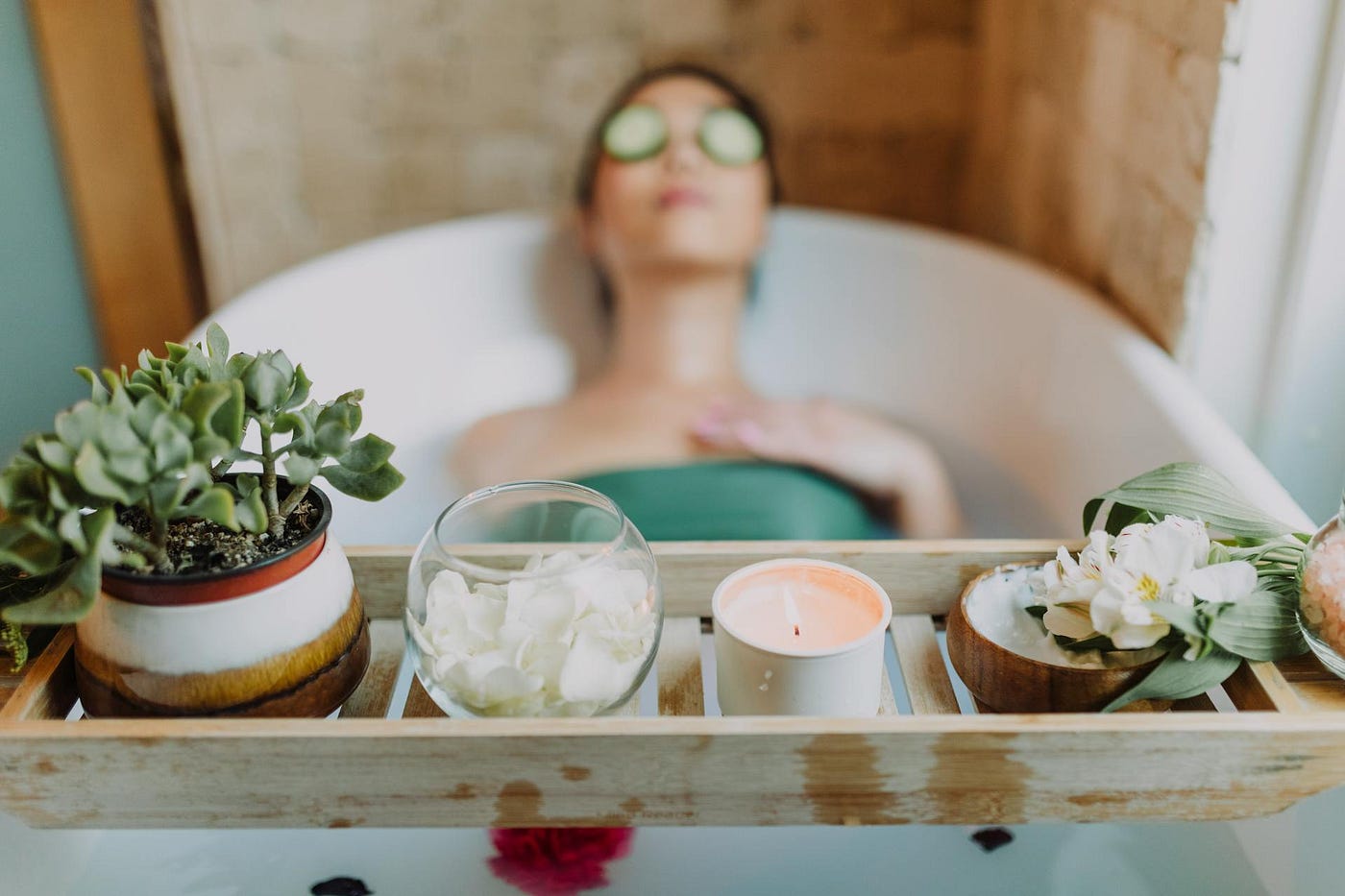
Photo by RDNE Stock project: https://www.pexels.com/photo/woman-in-green-tube-top-sitting-on-white-ceramic-bathtub-6724383/
Late one summer afternoon, Meera sat on the balcony of her sixth-floor apartment in Delhi, a green chai steaming at her side, and scrolled through her Instagram feed. She was 43, a creative director at an advertising agency, and for the past two years she had chased every “self-improvement” promise: the clean-eating plan, the 5 a.m. workouts, the “21-day habits”, even the monthly “life reset”. She kept telling herself: I’m upgrading. I’m evolving. That afternoon, she paused on a story of a friend who had posted a mirror selfie with the caption: “New me, stronger, fitter, happier.” Meera felt a familiar pang of envy and fatigue all at once. It wasn’t envy alone — it was something heavier. Because Meera already felt elegant, capable, valuable. Yet the constant chasing, the optimization, the “better version” narrative had begun sucking meaning out of everyday things: the curl of her daughter’s hair, the balm of the evening breeze, the quiet pride of finishing a campaign.
She realised she was exhausted, not from the work, but from the striving. So she closed her phone. She set the chai aside. And she simply let her body rest. She felt two things at once: relief, and guilt.
What had gone wrong? Why did a movement built on “love your body” feel like yet another burden? What this really meant was: the era of self-improvement culture where every habit, every meal, every minute had to serve optimization had found its end. Instead, a quieter revolution was beginning: the shift from body positivity to body neutrality. Because maybe, just maybe, the best self-care isn’t about changing your body it’s about leaving it alone.
The Birth and Burn of the “Be Your Best” Era
In the decades before, the body-positivity movement arrived with intention and fire. Rooted in activism, activism against fat-shaming, in a world that told people “your body is wrong, unworthy.” Body positivity fought that. It said: your body is worthy now. Your body is beautiful as you are. It was radical. However, a paradox emerged. Love your body, but also: look at how strong you are. Be confident. Celebrate. Post the snippet of your “glow-up”. The reward culture kicked in. The discourse shifted: If you don’t love it now, you will.
And so a new pressure emerged. Now it was not just “I hate my body”, it was “I have to somehow love my body on Instagram, in hashtags, in affirmation posts.” It became performance. Researchers now observe that many people report that the never-ending chase of “better, fitter, stronger” begins to feel less like empowerment and more like obligation. Indeed, the logic of self-tracking, habit-streaks, quantified progress — which once promised freedom can turn into surveillance of the self.
What Body Neutrality Really Means
Into that exhaustion steps body neutrality. A fresh mind-shift: the idea is not “love your body with endless positivity” but “accept your body. Let it be. Focus on what it does, rather than how it looks.” As defined in recent journals: body neutrality encourages “the mindset that a person’s bodily appearance… should have the least possible effect on their experience of life.” In other words: you don’t have to love your body today you can simply allow it. You don’t have to transform it you can use it, live in it.
In a 2025 study of Polish adults, body neutrality correlated significantly with self-esteem, gratitude, and mindfulness. The researchers found that while body positivity correlated with self-esteem and body image, body neutrality correlated with self-esteem and gratitude + mindfulness suggesting a different psychic architecture of acceptance.
Psychologists note that this is not just semantics it’s a radical shift in orientation. From condemning the body, to celebrating the body, to letting the body simply be. “Instead of the question ‘Do I love my body?’ the quiet question becomes: ‘Does my body serve me?’” wrote one specialist.
The Self-Improvement Culture We Never Talked About
The rise of wellness apps, bio-hacks, “challenge yourself” memes, wearable tracking they’ve all shaped what we thought self-improvement meant. Morning routines, micro-habits, life-hacks became status markers. And underneath it all was a whisper: You are not enough yet. This whisper grew louder.
Now research is catching up. In a 2024 sociotechnical study, self-tracking was found to often align with overworking culture rather than healthy living. The body became not the site of rest, but the site of optimization.
In this context, body positivity sometimes became another metric: “I love my body” = Instagram share. So instead of freeing people from body stress, it layered new expectations: if you should love your body, then what’s wrong when you don’t?
Enter body neutrality it speaks to the exhausted, the over-worked, the adult who’s seen enough slogans and wants something quieter.
Stories of Transition
Back on Meera’s balcony: the moment she accepted she didn’t have to “improve” for the next milestone, the next view, the next metaphorical high score. Instead she remembered that her body got her up the balcony without wheezing. It held her daughter. It typed the presentation. It walked in the rains of Delhi after the monsoon.
She started writing small notes: Thank you for walking today. You carried me here. The posts vanished they were for her, not the feed. The relief didn’t show up in likes. It showed up in lightness.
Another story: Ravi, 37, former fitness-influencer turned wellness coach, realised that his career had shifted from helping people to chasing numbers followers, transformations, before-after photos. He found himself burnt out, his body aching. Five years into his shift he now teaches clients what he calls “functional flourishing” — not flawless six-pack, but can I get out of bed without pain? Can I climb stairs without dread? He writes: “When you stop making your body a project, you start living again.”
These stories aren’t rare. They reflect the undercurrent: people weary of the perfect-self narrative, looking instead for daily peace.
The Cultural Reckoning
What does this shift tell us about our age? The pandemic slowed us down, forced pause. We saw that bodies age, get sick, change. The narrative of permanent upgrade felt hollow. Social-media filters, “Snapchat dysmorphia”, fitness influencer peak-culture all pointed to a body standard that couldn’t hold.
In this moment, abstaining from optimization becomes a radical act. Letting your body sit. Letting your body serve. Letting your body be human. Researchers warn that body positivity alone may not address bigger systemic issues lookism, discrimination, ableism remain. One article noted: while body neutrality helps individuals, it doesn’t automatically dismantle systems of oppression.
But the personal shift matters. Because when millions stop chasing “better”, the pressure field begins to change.
How to Start Leaving Your Body Alone (Without Slack-off)
Here are three laboured but human practices, not hacks:
- Gratitude for function: Instead of “I look good”, you say: “My legs carried me today.” Research shows that functional appreciation (a body neutrality facet) reduces self-objectification.
- Pause-check narratives: When you catch yourself thinking “I should…” ask: Why should I? Are you pursuing this for you, or for someone else’s feed?
- Quiet non-goal goal: Set a metric not of transformation, but continuation. Example: “I will walk outdoors for 20 minutes three times this week not to burn calories, but to feel air on my body.” Evaluate: did I feel present? Not: did I burn X?
No “six-pack” in this plan. Maybe none. Because the body you have isn’t a problem to solve it’s a partner to live with.
The Radical tenderness of not doing more
Here’s the break: Self-improvement culture said you must do more. Body neutrality whispers: you may rest. The change may look small. Less-filtered selfies, fewer before-and-after, more diary-notes to self. But often, small shifts hold big revolutions. Because when you stop performing for an ideal, you begin performing for yourself quietly, kindly. Meera found it on the balcony, with green chai, breathing. Ravi found it in his clients, when the new goal was not fame but “can you wake up tomorrow and feel okay?”. Maybe the most radical thing you can do today is to stop trying to be the better version of yourself and just live the version you already are. Because self-care isn’t a project. It’s a refuge. It’s a return.
메타데이터
- post_id
- 07276017b6e0
- slug
- when-self-improvement-becomes-self-pressure-07276017b6e0
- url
- https://medium.com/@hexaleo/when-self-improvement-becomes-self-pressure-07276017b6e0
- canonical_url
- https://medium.com/@hexaleo/when-self-improvement-becomes-self-pressure-07276017b6e0
- author_url
- https://medium.com/@hexaleo
- status
- ok
- fetched_at
- 2026-07-13 06:23:13