FIFA World Cup 2026™: How Four African Nations Came Agonisingly Close to History
South Africa, Ivory Coast, DR Congo, and Senegal each stood within touching distance of the Round of 16 before their dreams were undone in…
FIFA World Cup 2026™: How Four African Nations Came Agonisingly Close to History
South Africa, Ivory Coast, DR Congo, and Senegal each stood within touching distance of the Round of 16 before their dreams were undone in the closing moments.
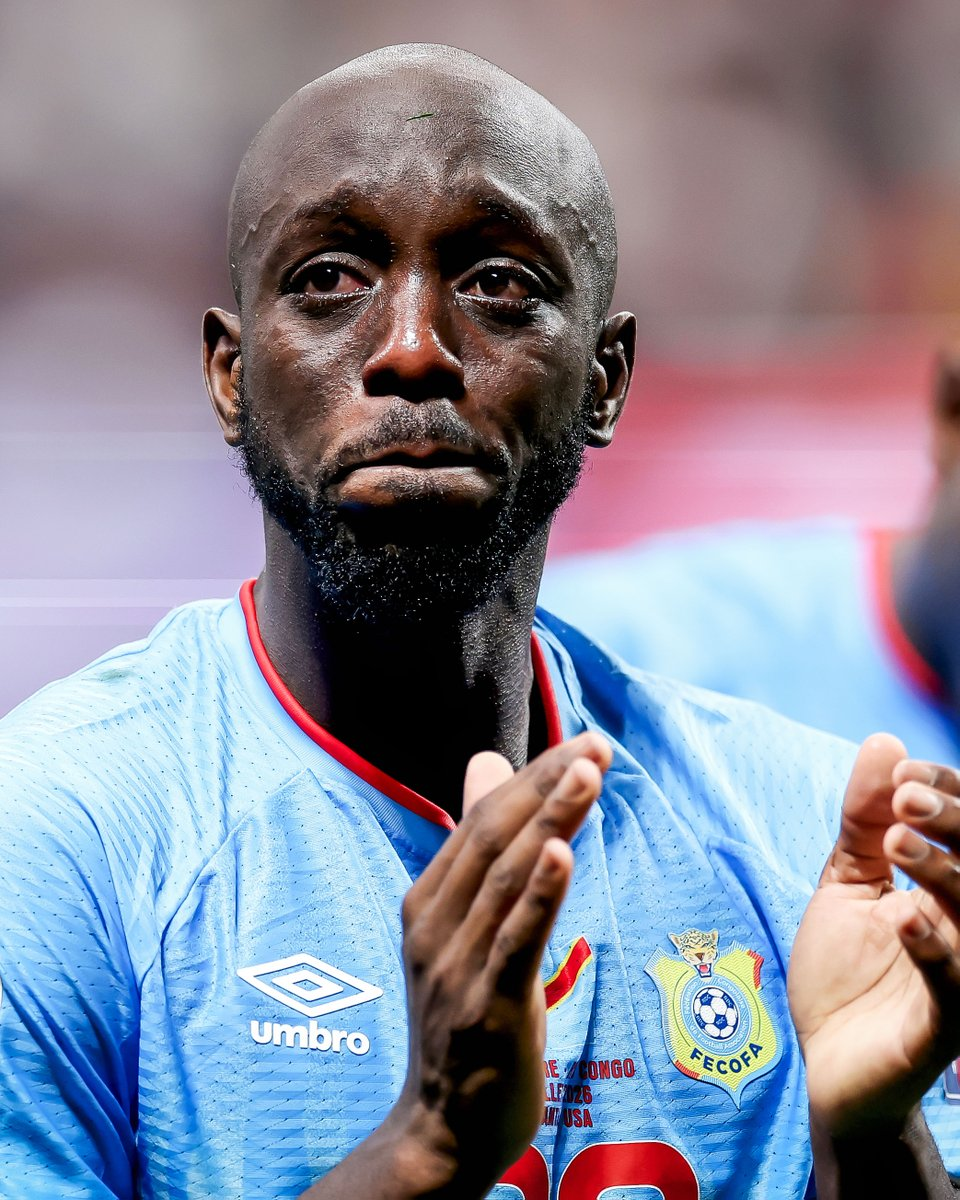
Heartbreak for Yoane Wissa after DR Congo’s narrow FIFA World Cup 2026™ exit.
It wasn’t a lack of quality that ended Africa’s World Cup.
It was the clock.
A late goal here. A missed chance there. A penalty in the 125th minute.
South Africa fell to Canada by the smallest possible margin. Ivory Coast were undone by a late Erling Haaland strike. DR Congo came within a post and a whistle of dumping England out. Senegal, two goals to the good with five minutes left on the clock, somehow saw their dreams ended by the latest goal ever scored in FIFA World Cup™ history.
Add it up, and the four defeats amount to six goals conceded in the last quarter-hour of normal or extra time, across four matches that were level, or better than level, deep into the second half.
This was not a continent outclassed. This was a continent that arrived, competed, and then watched the door close in the final stretch.
This is not the story of African football falling short of the world’s best, but of how agonisingly close each of these teams came to writing a different, historic ending.
I. Bafana Bafana, Undone in the 92nd Minute
Los Angeles Stadium · 28 June · Round of 32
South Africa 0–1 Canada

Off the line clearance by Bafana Bafana
South Africa’s World Cup ended the way it threatened to for most of the match.
The door was left just barely ajar, and Canada slipped through it in stoppage time.
Stephen Eustáquio settled a game that had gone the full ninety goalless, striking in the 92nd minute to send the co-hosts through to a first-ever Round of 16 and end Bafana Bafana’s historic run.
This was South Africa’s first appearance in the World Cup knockout stage, in only their fourth FIFA World Cup.
For long stretches, South Africa looked the more composed side. They held 58% of the possession and produced some genuinely eye-catching build-up play in the first half, but their end product let them down badly; nine total touches in Canada’s box across the whole match tells its own story.
Goalkeeper Ronwen Williams was immense when called upon, denying a stooping Derek Cornelius header in the first half among a string of important saves, while centre-back Mbekezeli Mbokazi capped a breakout tournament with another commanding display at the back.
But as the game wore on, South Africa’s approach grew increasingly conservative, content to see out a stalemate rather than press for the goal that would have settled the tie their way.
Canada, patient and eventually rewarded, made them pay in the cruellest possible window.
II. The Elephants, Felled by Haaland in the 86th
Dallas Stadium · 30 June · Round of 32
Ivory Coast 1–2 Norway

Amad Diallo
Ivory Coast’s landmark run, their first-ever progression beyond the group stage, came to an end in Dallas, and once again the margins were almost cruelly thin.
Antonio Nusa’s curled finish gave Norway the lead just before the half-hour, and for long periods afterwards it looked like it might be enough on its own. Norway had further chances to extend the lead through Haaland and Alexander Sørloth before the break, only for a combination of a brilliant Ibrahim Sangaré block and wasteful finishing to keep the Elephants within touching distance.
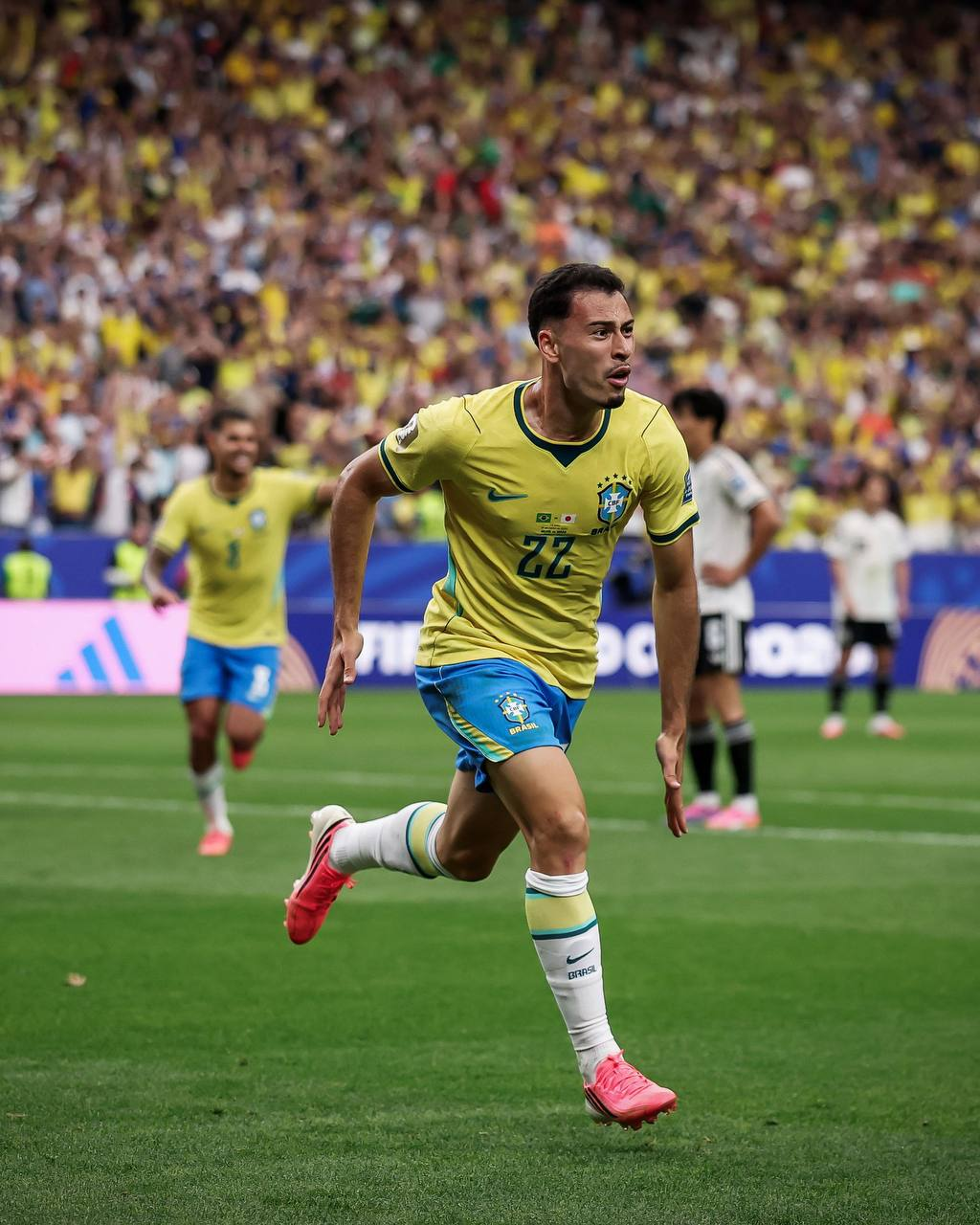
Substitute Amad Diallo changed the complexion of the match entirely. He first cleared off the line to deny Norway a second, then, moments later, levelled the score with a well-taken left-footed finish in the 74th minute that briefly had Ivory Coast dreaming of a first-ever knockout win.
It did not last.
Erling Haaland, quiet for long spells, found the decisive touch in the 86th minute, a scrappy, improvised finish off a low cross that would nonetheless stand as the goal that ended Ivory Coast’s tournament.
Amad almost forced extra time in stoppage time with a bending free-kick that Ørjan Nyland somehow turned over, which summed up a night where Ivory Coast were rarely far from an equaliser, and never quite got there.
III. The Leopards Lead, Then Learn a Hard Lesson
Atlanta, Georgia · Round of 32
England 2–1 DR Congo

Heartbreak for a DR Congo player.
Of the four African exits, none will sting quite like this one.
DR Congo, playing their first World Cup knockout match in the country’s history, stunned England inside seven minutes when Brian Cipenga beat Jordan Pickford at his near post.
What followed was nearly ninety minutes of disciplined, committed defending against a favourite that simply could not find a way through.
England’s first shot of note did not arrive until the half-hour, and Yoane Wissa’s DR Congo side had further, gilt-edged moments of their own, hitting the post from close range and forcing England into an uncomfortable, error-strewn afternoon.
The dam finally broke in the final fifteen minutes.
Harry Kane, quiet for long stretches, headed in substitute Anthony Gordon’s cross to level the score with a quarter of an hour left, before rifling home a stunning winner in the 86th minute to complete England’s comeback and send Congo home.
Two Harry Kane finishes were enough to kill a Congo side that had, for the better part of eighty minutes, looked capable of the upset of the round.
IV. Senegal’s Two-Goal Cushion, Gone in Five Minutes
Seattle · 1 July · Round of 32, after extra time
Belgium 3–2 Senegal

Ismaïla Sarr celebrates his fourth and final goal in FIFA World Cup 2026™
If there is a single result that will define this round for African football, it is this one.
Senegal were, for well over an hour, the best team on the pitch against a Belgium side that had laboured through the group stage. Habib Diarra put the Lions of Teranga ahead in the 25th minute, and Ismaïla Sarr doubled the lead early in the second half with a gorgeous first-touch-and-finish that stands among the goals of the tournament.
With five minutes of normal time left, Senegal were cruising toward one of the great African World Cup results.
Then it unravelled. Romelu Lukaku, on since half-time, pulled one back in the 86th minute. Youri Tielemans headed in an equaliser just three minutes later to drag the game into extra time.
Senegal, who had been razor-sharp for the first eighty-five minutes, had nothing left to offer going forward across the additional thirty, and in the 125th minute, the latest goal ever scored at a World Cup, Tielemans converted a penalty won from a foul on himself to complete one of the great knockout-stage comebacks in the competition’s history.
Senegal’s own coach, Pape Thiaw, and Belgium’s Rudi Garcia were united in their assessment afterwards: Senegal were the better side, and still went home.
V. A Pattern, Not a Verdict
The four defeats invite an obvious question: Do African teams retreat too early once they gain control of a knockout match?
Only two really fit that description.
The honest answer is that it happened twice, not four times.
DR Congo led for the better part of an hour before England’s late surge. Senegal led by two goals with the finish line in sight before Belgium’s comeback. In both cases, a winning position curdled into a defensive shell that couldn’t hold. That is a real and repeatable pattern, and it is worth Africa’s coaching set-ups asking hard questions about game management in the final quarter-hour of knockout football, where composure in possession matters as much as legs in the tank.
South Africa and Ivory Coast tell a slightly different story.
Both were tight, cagey, low-event games decided by a single moment of quality from the other side.
The common thread, then, is not an inability to defend leads. It is an inability to kill games before they become vulnerable to one decisive moment.
None of this should overshadow what was, by most reasonable measures, a landmark tournament for African football. Ivory Coast and DR Congo reached the knockout stage for the first time. South Africa did so in only their fourth FIFA World Cup™ appearance. Senegal, for eighty-five minutes, gave a Belgium side that reached a World Cup semi-final as recently as 2018 the fright of its tournament.
These were not capitulations. They were four reminders of exactly how fine that line is at the top of the world game.
The disappointment is real. But so is the platform this tournament has built for the next one.
메타데이터
- post_id
- 076ab64d1270
- slug
- fifa-world-cup-2026-how-four-african-nations-came-agonisingly-close-to-history-076ab64d1270
- url
- https://medium.com/@thefootballgazette/fifa-world-cup-2026-how-four-african-nations-came-agonisingly-close-to-history-076ab64d1270
- canonical_url
- https://medium.com/@thefootballgazette/fifa-world-cup-2026-how-four-african-nations-came-agonisingly-close-to-history-076ab64d1270
- author_url
- https://medium.com/@thefootballgazette
- status
- ok
- fetched_at
- 2026-07-13 06:23:13