Why Customers Don’t Trust Your Business Card (And What QR Codes Have to Do With It)
The neuroscience of first impressions — and why a tiny detail determines if someone actually contacts you
Why Customers Don’t Trust Your Business Card (And What QR Codes Have to Do With It)
The neuroscience of first impressions — and why a tiny detail determines if someone actually contacts you
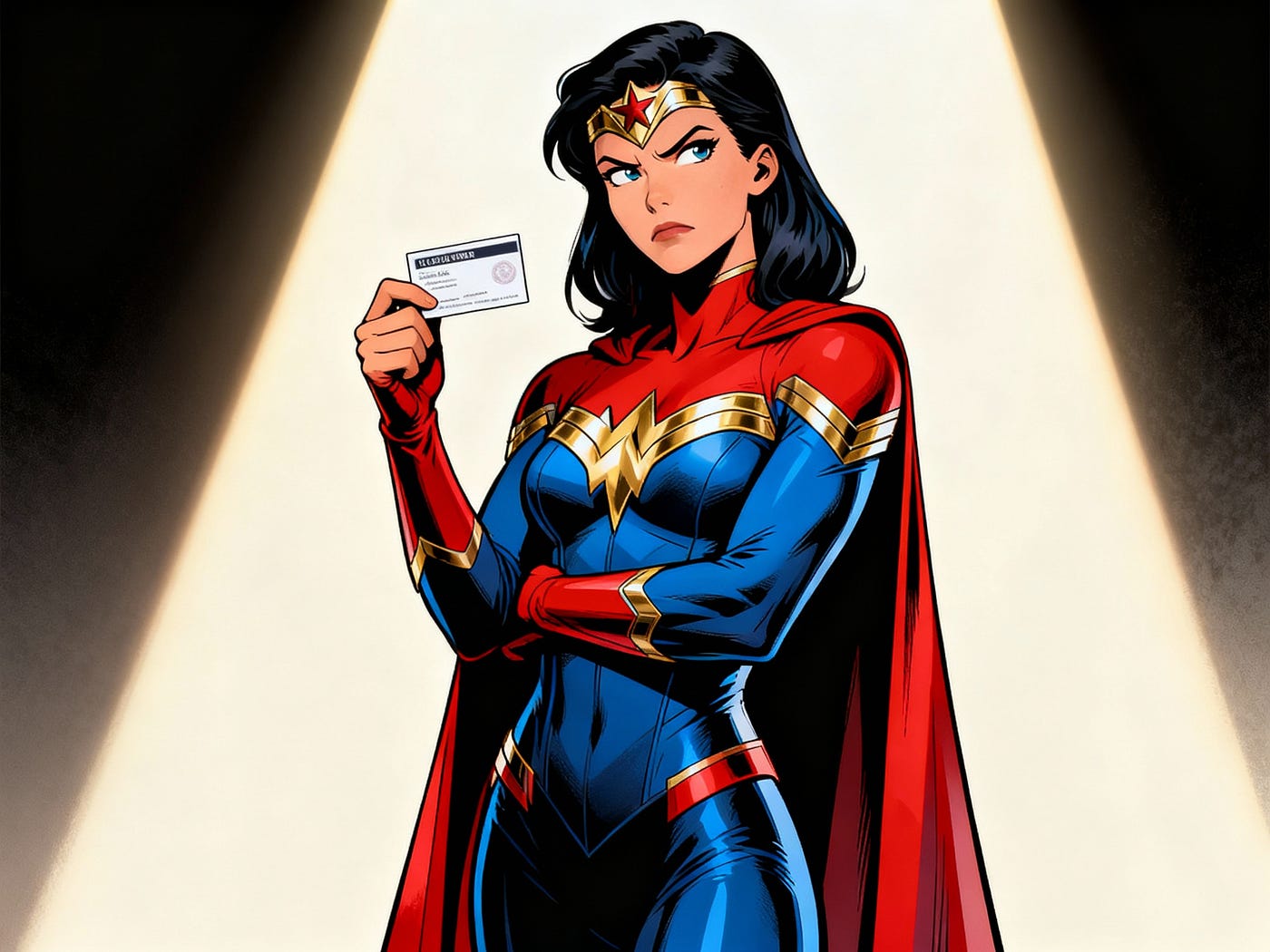
You hand someone your business card at a networking event. They glance at it, say “great to meet you,” and slip it into their pocket.
Three days later, they want to reach out. They pull out your card and face a decision:
Type your email address letter by letter into their phone, hoping they don’t transpose a character.
Or… don’t.
Most people choose “don’t.”
This isn’t laziness. It’s basic human psychology: we avoid tasks with high effort-to-reward ratios, especially when we’re uncertain about the outcome.
But there’s something deeper happening here that most business owners miss entirely. The problem isn’t just about convenience. It’s about trust — and your business card might be actively destroying it.
The Trust Equation
Psychologists describe trust as a simple equation:
Trust = Credibility × Reliability ÷ Self-Interest
Every interaction either builds or erodes trust. And your business card? It’s having an interaction with potential clients whether you’re present or not.
Here’s what’s happening in the three days between handing someone your card and them deciding whether to contact you:
The Credibility Test
They Google your name. Do the details on your card match what they find online?
If your card says you’re a “Senior Marketing Consultant” but your LinkedIn says you’re a “Marketing Manager,” there’s a mismatch. Small inconsistencies create doubt.
If your card lists a phone number that goes to voicemail with a generic message, doubt increases.
If they can’t find you at all online, you fail the credibility test entirely.
The psychology: Humans are pattern-matching machines. When details don’t align, our brains flag it as a potential threat. In business contexts, that means “proceed with caution” or “don’t proceed at all.”
The Friction Problem
Even when credibility checks out, there’s the contact friction.
Research on human behavior shows we drastically overestimate how much effort we’re willing to put into future tasks. This is called “present bias” — we value immediate ease over future rewards.
Looking at your business card three days later, the thought process goes:
- “I should reach out to them”
- “But I need to type this email address”
- “And I’m not 100% sure this is the right person anyway”
- “Maybe I’ll do it later”
Later never comes.
The psychology: Every additional step between intention and action dramatically reduces follow-through. Marketing researchers have found that each extra click in an online purchase process can reduce conversions by 20–30%. The same principle applies to physical business cards.
The Memory Decay
Here’s the brutal truth: three days after meeting you, they’ve already forgotten most of your conversation.
They remember meeting you. They remember you seemed competent. But the details? The specific reason they wanted to follow up? That’s fuzzy.
Looking at your card, they’re trying to reconstruct why this connection mattered. If your card doesn’t help jog their memory, the mental effort required increases — and so does the likelihood they’ll just move on.
The psychology: Memory consolidation research shows we forget 70% of new information within 24 hours unless we actively rehearse it. Your business card needs to do the heavy lifting of reminding them why you matter.
What Makes People Actually Follow Up
There’s a subset of business cards that consistently generate follow-ups. Not because the person is more charismatic or better at networking. Because the card removes friction and reinforces credibility.
Here’s what works:
1. Instant Contact Sync
The winner is obvious: cards that let someone save your contact information with zero typing.
Business cards with QR codes that link to your digital contact information (vCard format) eliminate the manual entry problem entirely. Point camera, tap, save. Done.
The psychology: Immediate action beats delayed action every time. When the barrier to saving someone’s information is removed, people do it right away — often while you’re still talking to them.
But here’s where most people get it wrong…
2. Static Information is a Liability
Most business card QR codes use static data. Your contact information is encoded directly into the code pattern.
Seems fine until:
- You change jobs
- Your phone number changes
- You get a new email address
- Your company rebrands
Now every card you’ve ever handed out points to outdated information. And when someone scans that code months later and gets old details, what happens to trust?
It evaporates. Credibility × Reliability just went to zero.
The difference between static and dynamic QR codes is simple: dynamic codes let you update the destination without reprinting anything. Your contact info changes? Update the link. All those cards you handed out six months ago? Still accurate.
The psychology: Reliability over time is how trust compounds. One-time accuracy is good. Persistent accuracy is what builds real credibility.
3. The “Proof of Legitimacy” Factor
Here’s something subtle but powerful: branded QR codes signal legitimacy.
A generic black-and-white QR square looks like it could go anywhere. Your brain doesn’t inherently trust it. Adding your logo to the QR code provides instant visual confirmation: “This is official. This belongs to this person/company.”
The psychology: Visual brand consistency activates recognition patterns in the brain. When someone sees your logo on the card AND in the QR code, it creates coherence. Coherence = legitimacy = trust.
4. The Additional Value Play
The most effective business card QR codes don’t just save contact information. They provide something extra:
- Link to your portfolio
- Link to a short video introduction
- Link to your calendar to book a meeting
- Link to a case study or recent work
- Link to a special offer or resource
When someone scans your code and gets more value than they expected, it creates a positive surprise. Positive surprises are memorable.
The psychology: The “reciprocity principle” is one of the most powerful forces in human interaction. When you give something valuable first (useful information, easy access, unexpected benefit), people feel compelled to reciprocate.
The Business Impact
This isn’t theoretical. The conversion difference between “here’s my card” and “here’s my card — scan this to save my info” is measurable:
Traditional business cards:
- 72% end up in the trash within a week
- Of those kept, only 10–15% result in follow-up contact
- Effective follow-up rate: ~3–4%
Business cards with functional QR codes:
- Contact information saved immediately: 40–60% scan rate (at the event)
- Of those who scan, 35–40% follow up within two weeks
- Effective follow-up rate: 14–24%
That’s a 4–6x improvement in actual business outcomes.
Why? Because you removed friction, built credibility, and made following up easier than ignoring you.
What This Means for Your Business
If you’re serious about networking, your business card needs to work as hard as you do.
Ask yourself:
- Can someone save my contact information in under 5 seconds?
- Will my card still be accurate in 6 months when information changes?
- Does my card provide any value beyond just my name and number?
- Does it visually reinforce my brand and credibility?
If the answer to any of these is “no,” you’re losing potential clients to friction and lack of trust.
The fix isn’t complicated:
- Use dynamic QR codes that link to your digital contact card
- Brand them so they look legitimate and professional
- Make sure the link goes to a mobile-optimized page that’s actually useful
- Update the destination link whenever your information changes
The Deeper Principle
This goes beyond business cards. It’s about understanding that every touchpoint with a potential client is either building trust or eroding it.
Print advertising with QR codes works on the same psychology:
- Reduce friction between seeing your message and taking action
- Maintain reliability over time by using updatable links
- Provide immediate value instead of vague promises
- Reinforce credibility through consistent branding
The businesses that understand this are the ones converting casual introductions into paying clients. The ones that don’t are wondering why networking “doesn’t work anymore.”
The Bottom Line
Your business card has one job: make it easy for people who want to contact you to actually do it.
Every barrier you remove increases follow-through. Every element of reliability you add compounds trust. Every bit of unexpected value you provide creates reciprocity.
QR codes aren’t magic. But when used correctly, they align perfectly with how human psychology actually works: we avoid friction, we trust consistency, and we remember positive surprises.
The question isn’t whether to use QR codes on your business cards. The question is whether you’re willing to keep losing potential clients to preventable friction.
Want business cards that actually generate follow-ups? Create reliable, branded QR codes that make contacting you effortless at QRCodeBetter.com — because trust and convenience are what turn introductions into relationships.
메타데이터
- post_id
- 076afdac8b59
- slug
- why-customers-dont-trust-your-business-card-and-what-qr-codes-have-to-do-with-it-076afdac8b59
- url
- https://medium.com/@ryanmichaelmcgeeney/why-customers-dont-trust-your-business-card-and-what-qr-codes-have-to-do-with-it-076afdac8b59
- canonical_url
- https://medium.com/@ryanmichaelmcgeeney/why-customers-dont-trust-your-business-card-and-what-qr-codes-have-to-do-with-it-076afdac8b59
- author_url
- https://medium.com/@ryanmichaelmcgeeney
- status
- ok
- fetched_at
- 2026-06-27 18:20:27




