Short Videos, Long Effects: What Are They Doing to Our Attention
Content is increasingly focused on capturing our attention at any cost, and we are the ones paying the price.
Short Videos, Long Effects: What Are They Doing to Our Attention
How much does the way we consume content on social media affect us?
Content is increasingly focused on capturing our attention at any cost, and we are the ones paying the price. Is constant exposure to short-form videos reshaping, or even reducing, our ability to maintain attention?
Have you ever found yourself bored while watching a movie or series, or even a 10 minute video that you can’t resist speeding up? The current model of online content is growing more addictive and focused on capturing our attention at any cost, and they are succeeding. Short videos, already present on many social networks, have brought quick and easy-to-consume content, and in addition, their consumption method is very convenient.
Besides consuming it quickly, many times you don’t even need to think about what you’re going to watch. According to a Deloitte report, 47% of Gen Z and 1/3 of millennials prefer to consume video content on social media and live streams. Of course, movies and series are still consumed, but this preference may reflect another issue: how does this affect our concentration?

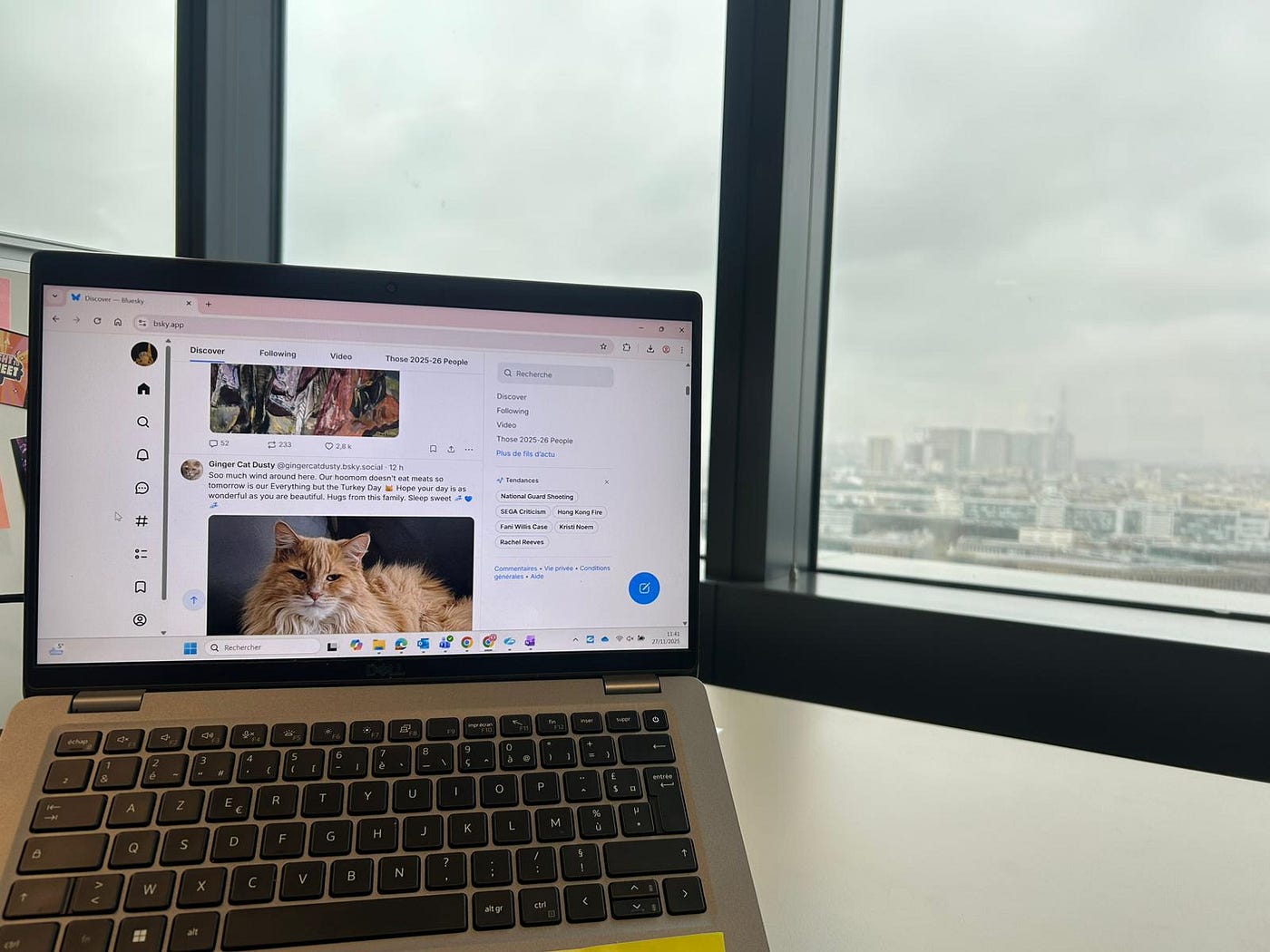
Taken by Camila Pires
In the last 5 years, short videos have gone from a trend to a standard. What started with TikTok, which exploded during the pandemic, became a trend on other social networks, such as YouTube Shorts and Reels on Instagram. And this is due to user preference: 72% of users now prefer short videos, for convenience and entertainment.
For brands, it’s even better, since short content is easy to produce, share, and has a greater chance of going viral. This addictive model makes us think that we are consuming a lot of information in a short time, which may be true, but it is also true that we are finding it increasingly difficult to watch longer content. Many people can’t watch an entire movie without checking their cell phone, whether to see the time or some social media, but the truth is that we are no longer able to pay attention to one thing for so long.
In addition, the way we work makes it difficult to maintain attention for very long. There are so many notifications, so many distractions, which leads to a decrease in our attention span. In 2004, the average attention span on screens was two and a half minutes, and over the years it has been getting shorter: in 2012 it was 75 seconds, and currently it is **47 seconds**. So, it all becomes a cycle: we lack focus, and that’s why short videos are attractive, but these short videos make our attention span even shorter.

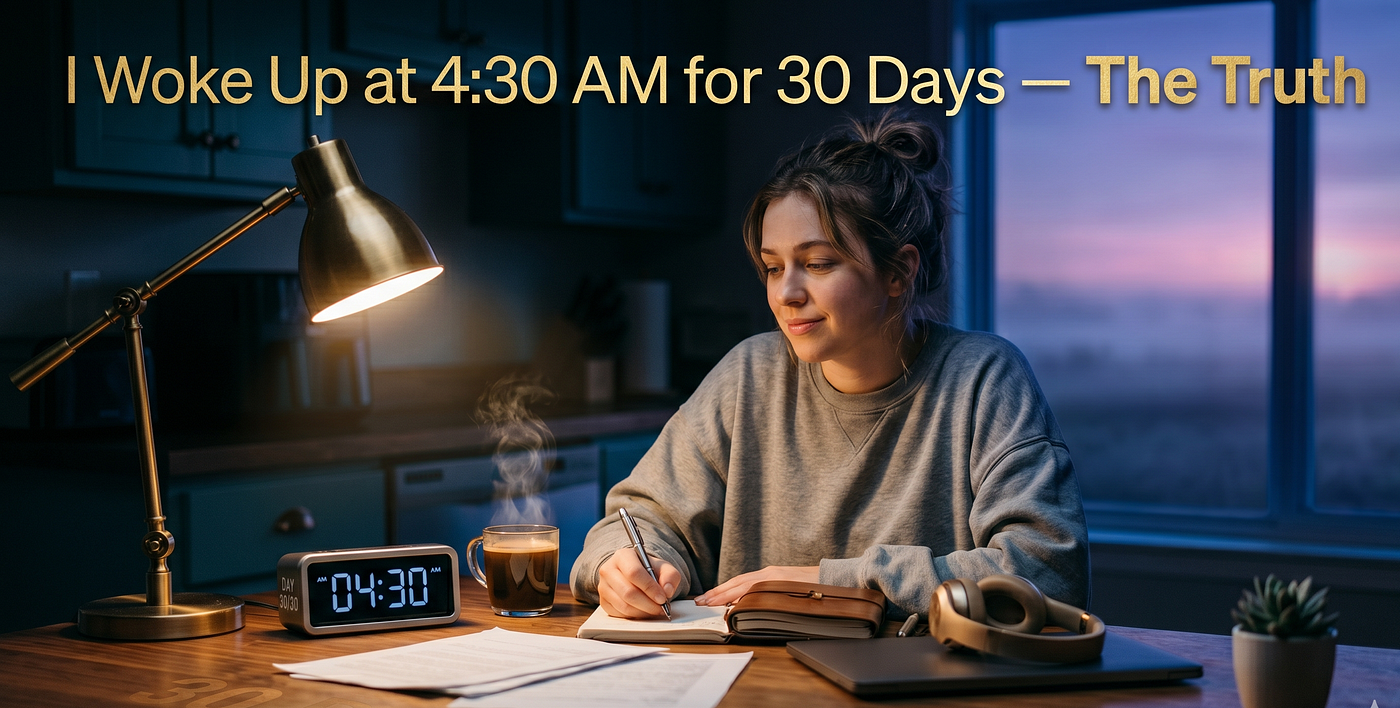
Taken by Leticia Simao Ribeiro Pinto
But does this endless scrolling really have a big impact on our minds? The University of Toronto found that people who frequently jump from one short video to another report higher levels of boredom and fatigue. It ends up being a mismatch between how stimulated we are versus how engaged we really are.
Similarly, high exposure to short videos is linked to less attention and comprehension of longer and more complex materials. Even a 2023 experiment demonstrated how these short videos also affect our prospective memory, which is our ability to remember things we want to do later, like sending an email. Short videos fragment our attention, our brain gets used to receiving new stimuli all the time, and this makes it difficult to keep the information active in the mind long enough to remember to remember later.
While our minds adapt to new content, those who produce it also adapt. Many YouTubers have migrated to TikTok because of its viral potential, but not all content fits into a short video, and that’s where adaptations come in. ASMR content, for example, which used to be long on YouTube, has become a 3 minute video adapted for users with short attention spans. Movie and series reviews end up being much shallower to fit in the video, or they will be consumed at 2x speed.
And then a question arises: besides decreasing our attention span, is this content format also decreasing our critical thinking? Many creators complain that people are unable to interpret the subtext, and everything has to be spelled out for the general public to understand, since people don’t have enough attention span to grasp the subtext of the message the creator wanted to convey.

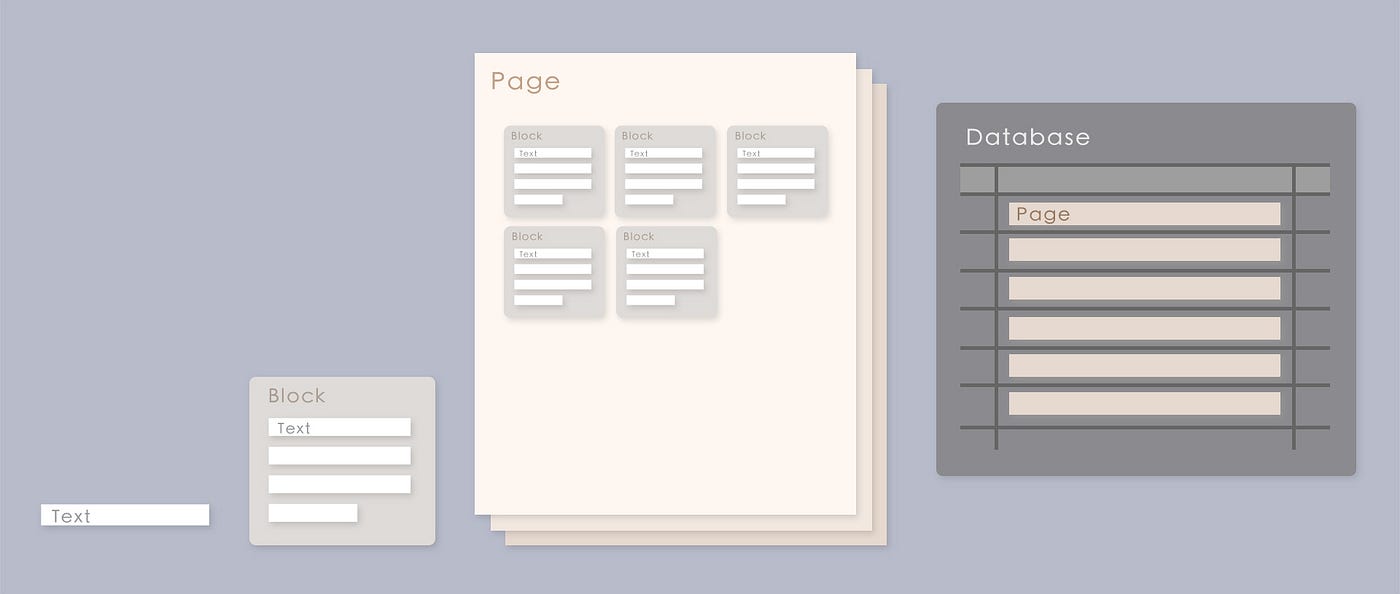
Taken by Leticia Simao Ribeiro Pinto
For content creators and brands, these short videos are gold, but they can also be a trap. For example, YouTube Shorts generate many more views and likes, but fewer comments and time per view, which are considered more meaningful engagements. So, okay, the short video grabs attention, but doesn’t necessarily hold that attention. So the big challenge today is: to grab attention quickly, but without losing the substance of engagement, a balance between what is immediate, but maintaining significance. And of course, without trading content just for dopamine.
The problem isn’t the short video, it is creative, accessible, and often brings information and culture. The problem, in fact, is that he is often the only way we engage with the world. The first step has to be recognition, and from there, taking action. One way to lessen the damage is to alternate between long and short content, or to set limits on the use of apps (and actually follow them).
In the end, the question isn’t whether this quick content is contributing to a decrease in our attention span, but whether we can learn to use it without being used by it. So, were you able to pay attention to the entire text without getting distracted? Share with us in the comments below the clearest sign that your attention has changed in recent years?
About this article
This article has been written by a student on the Grenoble Ecole de Management’s Advanced Masters in Digital Strategy Management. As part of a content creation assignment, students are given the task of writing articles based on their digital interests and disseminating the articles online. Articles are marked but we make minimal changes to the content. Thanks for reading! James Barisic, Programme Director, MS DSM.
메타데이터
- post_id
- 07b1a578fa75
- slug
- short-videos-long-effects-what-are-they-doing-to-our-attention-07b1a578fa75
- url
- https://medium.com/digital-gems/short-videos-long-effects-what-are-they-doing-to-our-attention-07b1a578fa75
- canonical_url
- https://medium.com/digital-gems/short-videos-long-effects-what-are-they-doing-to-our-attention-07b1a578fa75
- author_url
- https://medium.com/@leticiasrp
- status
- ok
- fetched_at
- 2026-06-26 06:47:43