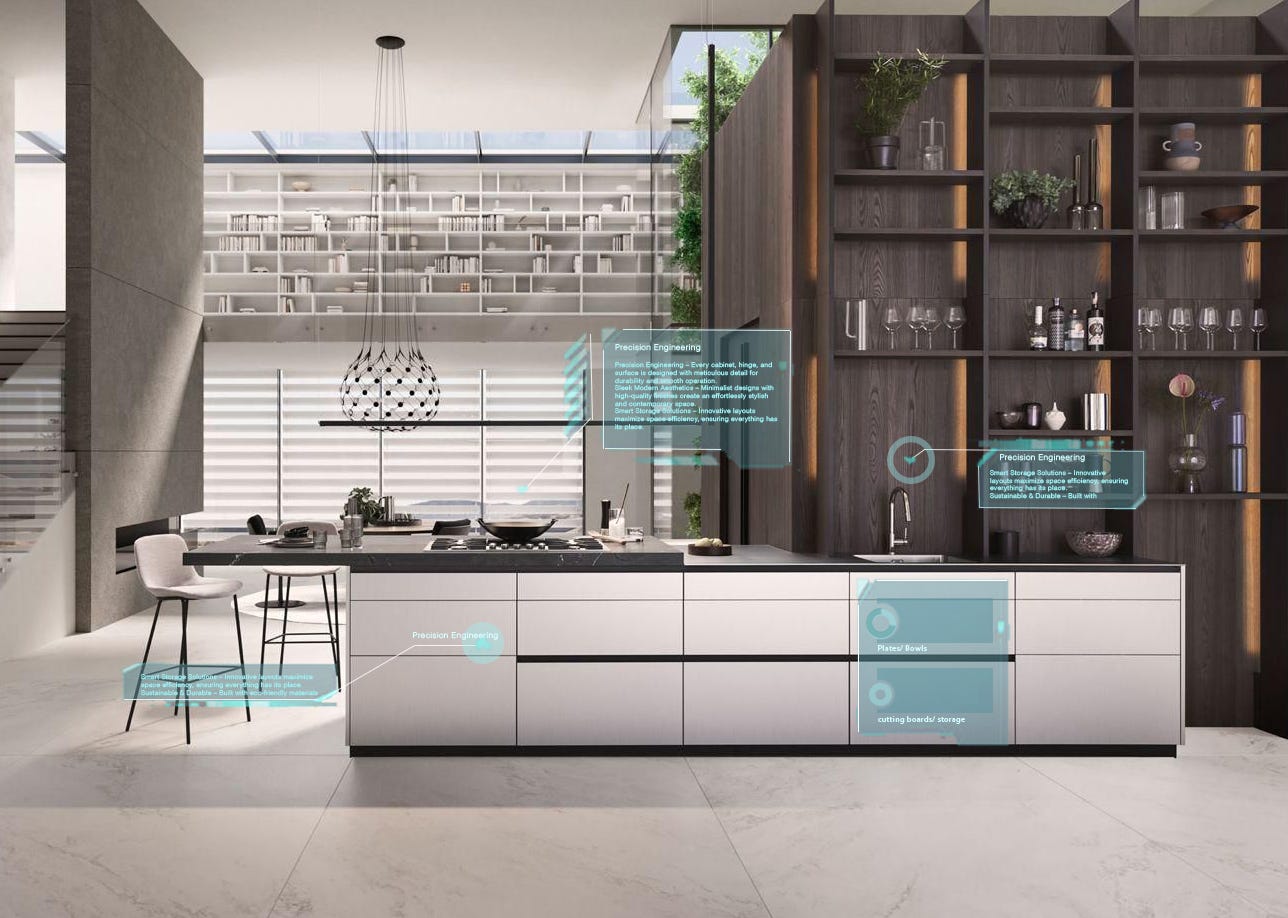
The Epitome of Restaurant Furniture
Introduction
The Epitome of Restaurant Furniture

Introduction
In the world of dining, where ambiance is as crucial as the cuisine itself, restaurant furniture plays a pivotal role in shaping the overall experience.
you step into a restaurant, and before the aroma of the food even reaches your nostrils, your eyes are drawn to the elegant tables, stylish chairs, and inviting booths that populate the space. The arrangement, design, and quality of the furniture immediately set the tone for what promises to be a memorable dining experience.
Restaurant furniture is more than just functional; it’s a visual representation of the restaurant’s identity, personality, and commitment to excellence.
The moment diners enter a restaurant, they begin to form impressions based on the ambiance, and the furniture serves as the foundation of that ambiance. Whether it’s a cozy bistro, a chic café, or a fine dining establishment, the furniture sets the stage for the culinary journey ahead.
Furthermore, the comfort and practicality of restaurant furniture directly impact the diners’ overall satisfaction. Imagine trying to enjoy a leisurely meal on an uncomfortable chair or struggling to find a stable surface to place your plate. Such inconveniences can detract from the dining experience and leave a lasting negative impression.
In this blog, we embark on a journey to explore the epitome of restaurant furniture — the pinnacle of design, functionality, and craftsmanship that elevates dining establishments to extraordinary heights.
We will delve into the various elements that contribute to exceptional restaurant furniture, from the quality of materials to the innovation in design.
Through case studies and analysis, we will uncover the key components that define outstanding restaurant furniture and examine how these elements come together to create unforgettable dining experiences.
Moreover, we will discuss the significance of customization options and sustainability in restaurant furniture, exploring how these factors contribute to both the aesthetic appeal and the long-term viability of furniture solutions.
Ultimately, this blog serves as a guide for restaurateurs, designers, and diners alike, highlighting the crucial role that furniture plays in shaping the dining experience.
Whether you’re in the process of designing a new restaurant or simply appreciate the artistry behind well-crafted furniture, join us on this journey as we explore the epitome of restaurant furniture and celebrate the beauty of dining in style.
Visit for more:: resort hotel suite furniture quotes
Visit for more:: custom hotel chairs
Visit for more:: automobile cabinet
Visit for more:: hotel bed design simple
Visit for more:: commercial pub tables and chairs
Understanding the Significance of Restaurant Furniture
Beyond Aesthetics: How Furniture Influences Dining Experience
When we think about restaurant furniture, it’s easy to focus solely on its visual appeal. However, the impact of furniture extends far beyond aesthetics alone.
Every aspect of the dining experience, from the moment patrons enter the establishment to the lingering memories they take with them, is influenced by the furniture they encounter.
Consider the initial impression a diner forms upon entering a restaurant. The furniture sets the tone for the entire experience, signaling what kind of dining atmosphere to expect.
Sleek, modern furniture suggests a contemporary and upscale establishment, while rustic wooden tables and chairs evoke a sense of warmth and authenticity. The choice of furniture can immediately capture the attention of diners and convey the restaurant’s personality and style.
Moreover, the comfort of restaurant furniture significantly affects the overall enjoyment of the dining experience. Comfortable seating encourages patrons to relax and linger, fostering a sense of hospitality and making them more likely to return.
On the other hand, uncomfortable chairs or cramped seating arrangements can detract from the meal, leaving diners feeling restless and dissatisfied.
Beyond the visual and physical aspects, restaurant furniture also influences social dynamics within the dining space. Well-designed seating arrangements can facilitate conversation and interaction among diners, enhancing the sense of community and camaraderie.
Whether it’s a cozy booth for an intimate dinner or communal tables for a lively gathering, the layout and design of furniture shape the social experience of dining out.
Functionality Matters: Balancing Comfort and Practicality
While aesthetics undoubtedly play a significant role, functionality is equally important when it comes to restaurant furniture. Balancing comfort and practicality ensures that furniture not only looks good but also serves its intended purpose effectively.
Comfort is paramount in creating a welcoming and enjoyable dining environment. Chairs with proper support, ergonomic design, and ample cushioning enable diners to relax and fully savor their meals without distractions. Similarly, tables with the appropriate height and size provide a comfortable surface for diners to enjoy their food and beverages.
However, comfort must be balanced with practicality to ensure efficient use of space and resources. In busy restaurants where table turnover is essential, furniture must be designed with durability and ease of maintenance in mind.
Sturdy materials that can withstand frequent use and are easy to clean are essential for ensuring longevity and hygiene in high-traffic dining environments.
Additionally, flexibility in furniture arrangements allows restaurant owners to adapt to different dining scenarios and optimize seating capacity. Modular furniture solutions that can be easily reconfigured enable restaurants to accommodate both small and large groups while maximizing space efficiency.
Ultimately, finding the right balance between comfort and practicality is key to selecting restaurant furniture that enhances the dining experience while meeting the operational needs of the establishment.
Reflecting Brand Identity: Furniture as a Statement
In the competitive landscape of the restaurant industry, establishing a distinct brand identity is essential for standing out and attracting customers. Restaurant furniture plays a crucial role in communicating the brand’s values, aesthetics, and overall identity to patrons.
The design and style of furniture can convey a wealth of information about the restaurant’s identity, from its culinary philosophy to its target demographic. For example, a sleek and minimalist interior with contemporary furniture may appeal to a younger, urban clientele seeking a trendy dining experience.
In contrast, a cozy, rustic decor with vintage-inspired furniture may evoke a sense of nostalgia and charm, appealing to those craving a more traditional dining atmosphere.
Furthermore, the choice of materials, colors, and textures in restaurant furniture can reinforce the brand’s identity and create a cohesive visual narrative throughout the space. Whether it’s reclaimed wood tables for a farm-to-table restaurant or sleek metal chairs for a modern bistro, every element of furniture contributes to the overall brand image.
Moreover, furniture can serve as a statement piece that captures the essence of the restaurant’s identity and sets it apart from the competition. Bold, eye-catching designs or unique custom pieces can become iconic symbols of the brand, leaving a lasting impression on diners and prompting them to return.
Key Elements of Exceptional Restaurant Furniture
Quality Materials: The Foundation of Durability and Elegance
Quality materials form the cornerstone of exceptional restaurant furniture, providing both durability and elegance that stand the test of time. From the solid wood used in table tops to the upholstery fabrics on chairs, every component contributes to the overall integrity and aesthetic appeal of the furniture.
High-quality materials not only ensure longevity but also enhance the visual and tactile experience for diners. Fine hardwoods such as oak, walnut, and maple lend a sense of luxury and sophistication to restaurant furniture, while also offering superior durability to withstand the rigors of daily use.
Additionally, premium upholstery fabrics, such as leather or high-performance textiles, provide both comfort and durability, ensuring that chairs and banquettes remain inviting and resilient for years to come.
Furthermore, the choice of materials reflects the restaurant’s commitment to quality and attention to detail, reinforcing its brand identity and setting it apart from competitors.
Design Innovation: Merging Style with Function
Design innovation plays a pivotal role in the creation of exceptional restaurant furniture, striking a delicate balance between style and function. Innovative designs not only captivate the eye but also enhance the overall dining experience by maximizing comfort, versatility, and efficiency.
Innovative furniture designs often incorporate creative solutions to common challenges faced by restaurant owners, such as maximizing seating capacity in limited spaces or accommodating diverse dining preferences.
Modular furniture systems, for example, allow for flexible arrangements that can adapt to different group sizes and configurations, optimizing space utilization without sacrificing comfort or aesthetics.
Moreover, contemporary design trends emphasize sleek, minimalist aesthetics that complement a wide range of interior styles while prioritizing comfort and ergonomics.
Curvilinear shapes, organic forms, and fluid lines create visually striking furniture pieces that invite diners to relax and linger, enhancing the overall ambiance of the restaurant.
Customization Options: Tailoring Furniture to Specific Needs
Customization options play a crucial role in the creation of exceptional restaurant furniture, allowing owners to tailor furniture solutions to their specific needs, preferences, and brand identity. Customization opens up a world of possibilities, enabling restaurants to create unique furniture pieces that reflect their individual style and personality.
From choosing custom finishes and upholstery fabrics to specifying dimensions and configurations, customization options empower restaurant owners to create furniture that aligns perfectly with their vision for the dining space.
Whether it’s a bespoke banquet seating arrangement that maximizes seating capacity or custom-designed tables that incorporate brand logos or motifs, the ability to customize furniture ensures that every element contributes to the overall ambiance and brand identity of the restaurant.
Moreover, customization options extend beyond aesthetics to include functional features that enhance the usability and versatility of furniture. For example, integrated charging stations in tables or built-in storage compartments in seating can add convenience and utility for diners, enhancing their overall dining experience.
Sustainability: Embracing Eco-Friendly Practices
In an era of increasing environmental awareness, sustainability has become a key consideration in the design and manufacturing of restaurant furniture. Embracing eco-friendly practices not only minimizes the environmental impact of furniture production but also aligns with the values of socially conscious consumers.
Sustainable restaurant furniture is crafted from responsibly sourced materials that minimize deforestation and reduce carbon emissions associated with transportation and manufacturing. For example, furniture made from reclaimed wood or certified sustainable hardwoods ensures that valuable resources are preserved and ecosystems are protected.
Furthermore, eco-friendly manufacturing processes prioritize energy efficiency, waste reduction, and recycling to minimize environmental footprint and promote resource conservation.
Manufacturers may invest in renewable energy sources, such as solar or wind power, and implement closed-loop systems to recycle materials and minimize waste generation throughout the production process.
Additionally, sustainable furniture options often incorporate durable designs and high-quality materials that promote longevity and minimize the need for frequent replacement, further reducing environmental impact over the furniture’s lifecycle.
Exploring Different Types of Restaurant Furniture
Tables and Chairs: The Core Components
Tables and chairs are the fundamental components of restaurant furniture, serving as the primary surfaces for dining and seating. They not only provide functionality but also contribute significantly to the overall ambiance and aesthetic appeal of the dining space.
Tables come in a variety of shapes, sizes, and materials to accommodate different dining preferences and spatial constraints. From classic round tables that encourage conversation to sleek rectangular tables ideal for larger groups, the choice of table design can significantly impact the dining experience.
Additionally, materials such as wood, metal, and glass offer diverse aesthetic options, allowing restaurant owners to customize the look and feel of their dining area.
Similarly, chairs play a crucial role in ensuring diners’ comfort and enhancing the visual appeal of the space. Whether it’s traditional wooden chairs for a rustic charm or contemporary upholstered chairs for a touch of luxury, the choice of seating can influence the overall ambiance and style of the restaurant.
Ergonomic design features such as lumbar support and padded seats further enhance comfort, encouraging diners to relax and enjoy their meal. Together, tables and chairs form the backbone of restaurant furniture, providing essential functionality while setting the stage for memorable dining experiences.
Bar Stools and Counter Seating: Enhancing Social Spaces
Bar stools and counter seating offer a unique dining experience that enhances social interaction and fosters a sense of camaraderie among patrons. Positioned at bars, kitchen counters, or high-top tables, these elevated seating options provide diners with a different perspective and ambiance compared to traditional table seating.
Bar stools are available in a variety of styles and heights to accommodate different bar and counter heights, as well as individual preferences. From backless stools with sleek lines to swivel stools with upholstered seats, the design options are endless, allowing restaurant owners to create a tailored look that complements the overall decor.
Counter seating, on the other hand, provides diners with a front-row view of the culinary action, allowing them to interact with chefs and kitchen staff while enjoying their meal. This immersive dining experience adds an element of excitement and engagement, making counter seating a popular choice for food enthusiasts and social diners alike.
Overall, bar stools and counter seating enhance the social dynamics of the dining space, encouraging interaction and creating a vibrant atmosphere that adds to the overall dining experience.
Booths and Banquettes: Creating Intimate Dining Areas
Booths and banquettes offer a cozy and intimate dining experience that is popular among couples, families, and small groups. These upholstered seating options provide privacy and comfort, allowing diners to enjoy their meal without distractions from neighboring tables.
Booths are typically enclosed seating areas with high backs and sides, creating a sense of seclusion and intimacy for diners. They are often favored for their privacy and comfort, making them ideal for romantic dinners or intimate gatherings.
Additionally, booths can be customized with upholstered fabrics, decorative stitching, and built-in lighting to enhance the ambiance and aesthetics of the dining space.
Banquettes, on the other hand, are long upholstered benches typically placed against a wall or partition. They offer flexible seating options that can accommodate larger groups while maximizing space efficiency. Banquettes can be customized with a variety of upholstery materials and finishes to complement the restaurant’s decor and create a cohesive look.
Both booths and banquettes are popular choices for creating intimate dining areas within the restaurant, providing diners with a comfortable and secluded space to enjoy their meal in privacy.
Outdoor Furniture: Bringing the Dining Experience Alfresco
Outdoor furniture extends the dining experience beyond the confines of the restaurant walls, allowing patrons to enjoy their meal in the fresh air and sunshine.
Whether it’s a sidewalk cafe, a rooftop terrace, or a garden patio, outdoor dining spaces offer a unique ambiance and atmosphere that enhance the overall dining experience.
Outdoor furniture is designed to withstand the elements while providing comfort and style for diners. Materials such as wrought iron, aluminum, and synthetic wicker are commonly used for outdoor furniture due to their durability and weather resistance.
Additionally, outdoor fabrics are treated to resist fading, mold, and mildew, ensuring that furniture remains looking fresh and inviting even in harsh outdoor conditions.
From bistro tables and chairs to lounge seating and umbrellas, outdoor furniture options are diverse and versatile, allowing restaurant owners to create inviting and functional outdoor dining spaces that complement the restaurant’s overall aesthetic.
Whether it’s a casual brunch spot or an upscale fine dining establishment, outdoor furniture adds an element of charm and sophistication to the dining experience, enticing patrons to dine alfresco and soak in the beauty of the outdoors.
Challenges and Considerations in Choosing Restaurant Furniture
Budget Constraints: Finding the Balance between Cost and Quality
One of the primary challenges in choosing restaurant furniture is navigating budget constraints while still ensuring quality and durability. Restaurant owners must find the delicate balance between cost-effectiveness and the long-term investment in furniture that will withstand the demands of a busy dining environment.
While it may be tempting to opt for lower-cost furniture solutions to save money upfront, such choices can often result in higher long-term costs due to frequent repairs or replacements.
Conversely, investing in higher-quality furniture may require a larger initial investment but can ultimately save money over time by reducing maintenance expenses and prolonging the furniture’s lifespan.
To overcome budget constraints, restaurant owners should carefully evaluate their priorities and consider factors such as the expected lifespan of the furniture, maintenance requirements, and the overall brand image they wish to convey.
Additionally, exploring alternative financing options or negotiating bulk discounts with suppliers can help mitigate budgetary limitations while still achieving the desired quality and aesthetic for restaurant furniture.
Space Limitations: Maximizing Seating Capacity without Compromising Comfort
Space limitations pose another significant challenge when choosing restaurant furniture, especially in urban areas where real estate is at a premium. Maximizing seating capacity while maintaining comfort and functionality is crucial for optimizing revenue potential without sacrificing the dining experience.
Restaurant owners must carefully assess the available space and consider factors such as traffic flow, table layouts, and seating arrangements to make efficient use of the area. Modular furniture solutions, such as stackable chairs and collapsible tables, can offer flexibility in adapting to changing seating needs while minimizing clutter and congestion.
Moreover, creative design solutions, such as built-in seating, multifunctional furniture, and custom furniture designs, can help maximize seating capacity without compromising comfort or aesthetics. By optimizing space utilization and prioritizing customer comfort, restaurant owners can create a welcoming and efficient dining environment that maximizes revenue potential.
Maintenance Requirements: Ensuring Longevity and Hygiene
Maintaining restaurant furniture is essential for ensuring longevity, hygiene, and overall guest satisfaction. However, the maintenance requirements of different furniture materials and finishes vary, posing a challenge for restaurant owners in managing upkeep effectively.
Wooden furniture, for example, requires regular cleaning and maintenance to prevent scratches, stains, and warping due to moisture exposure. Upholstered furniture necessitates routine cleaning and spot treatment to remove spills, stains, and odors, while metal furniture may require periodic polishing to maintain its luster and prevent corrosion.
Additionally, maintaining hygiene standards is paramount in the foodservice industry, particularly in light of health and safety regulations. Furniture surfaces must be cleaned and sanitized regularly to prevent the spread of germs and bacteria, especially in high-touch areas such as table tops and chair backs.
To address maintenance requirements effectively, restaurant owners should invest in furniture materials and finishes that are durable, easy to clean, and resistant to wear and tear. Additionally, establishing a regular maintenance schedule and training staff in proper cleaning procedures can help ensure that furniture remains in pristine condition, prolonging its lifespan and preserving the dining experience for patrons.
Trends in Restaurant Furniture: What’s Hot in the Industry
Minimalism: Clean Lines and Simple Designs
In recent years, minimalism has emerged as a dominant trend in restaurant furniture design, characterized by clean lines, simple forms, and a focus on functionality. Minimalist furniture designs eschew unnecessary ornamentation in favor of sleek and understated aesthetics that create a sense of calm and sophistication in the dining space.
Minimalist restaurant furniture often features materials such as wood, metal, and plastic, with an emphasis on natural textures and finishes. Tables and chairs with clean, geometric shapes and unadorned surfaces are favored for their timeless appeal and versatility, allowing them to complement a wide range of interior styles and color schemes.
Moreover, minimalist furniture designs prioritize space efficiency and ergonomic comfort, making them ideal for maximizing seating capacity in small or crowded dining areas. Stackable chairs, collapsible tables, and modular furniture systems offer flexibility in adapting to changing seating needs while maintaining a cohesive and harmonious aesthetic.
Sustainable Materials: Eco-Conscious Choices on the Rise
With growing awareness of environmental issues and a shift towards sustainable living, eco-conscious choices in restaurant furniture have become increasingly popular in the industry.
Restaurant owners are opting for furniture made from responsibly sourced materials and eco-friendly manufacturing processes that minimize environmental impact while promoting social responsibility.
Sustainable materials such as reclaimed wood, recycled metal, and organic fabrics are favored for their eco-friendly properties and unique aesthetic appeal. These materials not only reduce the demand for virgin resources but also contribute to the conservation of natural habitats and ecosystems.
Furthermore, eco-friendly manufacturing practices, such as energy-efficient production methods, waste reduction, and recycling initiatives, are being adopted by furniture manufacturers to minimize carbon emissions and promote resource conservation.
Versatility: Multi-Functional Furniture for Flexible Spaces
In today’s dynamic dining landscape, flexibility and adaptability are essential qualities in restaurant furniture design. Versatile furniture solutions that can accommodate diverse dining scenarios and spatial constraints are in high demand, allowing restaurant owners to optimize space utilization and maximize revenue potential.
Multi-functional furniture designs, such as convertible tables, expandable seating, and modular furniture systems, offer flexibility in adapting to changing seating needs while maintaining comfort and functionality.
These versatile furniture solutions allow restaurants to seamlessly transition between different dining configurations, from intimate dinners to large gatherings, without compromising on comfort or aesthetics.
Moreover, furniture with built-in storage compartments, integrated charging stations, and other smart features enhance usability and convenience for diners, further maximizing the functionality of the dining space.
Conclusion
In our exploration of restaurant furniture, we’ve uncovered the essential elements that define the epitome of this crucial aspect of dining establishments.
From the foundational importance of quality materials to the innovative designs that merge style with function, restaurant furniture serves as more than mere decor — it’s an integral part of the dining experience.
We’ve delved into the significance of customization options, sustainability practices, and the diverse types of restaurant furniture, each contributing to the overall ambiance, comfort, and functionality of the dining space.
Whether it’s the core components of tables and chairs, the social spaces enhanced by bar stools and counter seating, the intimacy created by booths and banquettes, or the alfresco experience facilitated by outdoor furniture, every piece of furniture plays a role in shaping the dining journey.
Throughout our exploration, we’ve seen how restaurant furniture reflects brand identity, communicates values, and leaves a lasting impression on diners. It’s not just about providing a place to sit and eat — it’s about creating an immersive and memorable dining experience that resonates with patrons long after they’ve left the restaurant.
As we conclude our discussion, one thing is clear: investing in quality restaurant furniture is essential for creating lasting impressions and building a successful dining establishment.
While budget constraints, space limitations, and maintenance requirements may present challenges, careful consideration and strategic decision-making can help restaurant owners overcome these obstacles and achieve their desired vision.
메타데이터
- post_id
- 07bc474feeee
- slug
- the-epitome-of-restaurant-furniture-07bc474feeee
- url
- https://medium.com/@bispendrasurenspace/the-epitome-of-restaurant-furniture-07bc474feeee
- canonical_url
- https://medium.com/@bispendrasurenspace/the-epitome-of-restaurant-furniture-07bc474feeee
- author_url
- https://medium.com/@bispendrasurenspace
- status
- ok
- fetched_at
- 2026-07-11 02:45:20