A technical deep dive into advanced Kubernetes Security Posture Management (KSPM)
As Kubernetes continues to dominate cloud-native architectures, securing these dynamic environments demands more than superficial measures…
A technical deep dive into advanced Kubernetes Security Posture Management (KSPM)
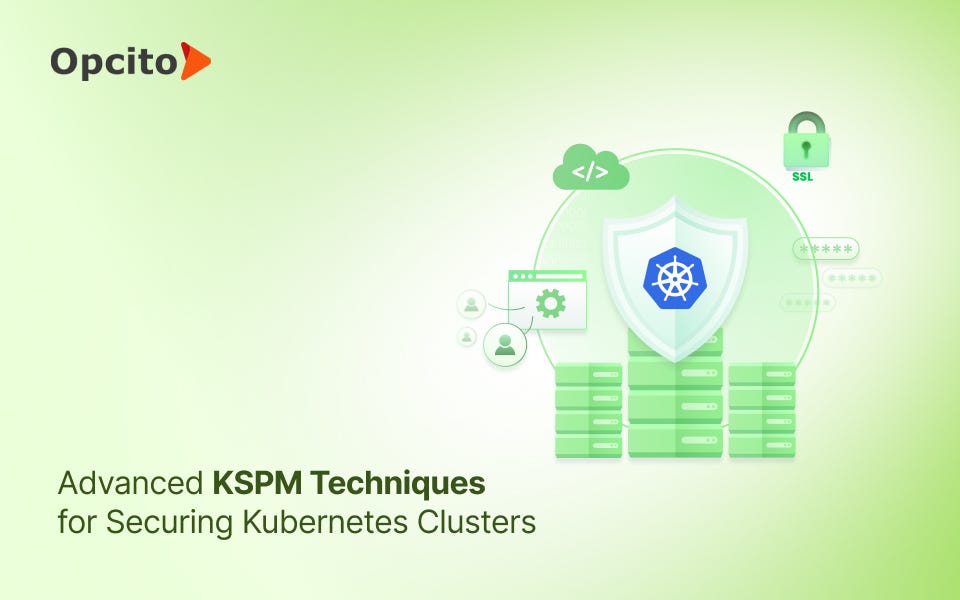
As Kubernetes continues to dominate cloud-native architectures, securing these dynamic environments demands more than superficial measures. From my years of working with teams that manage large-scale Kubernetes deployments, I’ve seen how overlooked configurations can cascade into major incidents. Kubernetes Security Posture Management (KSPM) maintains security hygiene in the face of constant change.
Building on our earlier discussions, which covered the foundational importance of KSPM in security and networking and explored real-world strategies, this guide delves into the technical details. Here, we’ll dissect advanced KSPM techniques with code examples, risk analyses, and operational insights drawn from production environments.
Why KSPM is a strategic imperative for organizations
Fields like fintech or healthcare are always high-stakes, and KSPM goes beyond just following rules. It focuses on enabling innovation while avoiding serious risks. I’ve advised teams where lax posture led to downtime costing millions; conversely, robust KSPM has slashed incident response times by up to 80%. Let’s break down the core pillars.
Achieving full cluster visibility
Visibility is the first step. Without knowing what workloads exist, what privileges they have, and which images are deployed, security is impossible to enforce. Tools like kube-state-metrics expose critical data, allowing you to query everything from pod statuses to RBAC bindings.
Consider a Prometheus query to monitor privileged pods across your cluster:
sum by (namespace) (kube_pod_spec_security_context_privileged == 1)This metric indicates the number of pods running in privileged mode, organized by namespace. In practice, I’ve used similar queries to baseline security postures during audits, often uncovering 20–30% more risky configurations than manual reviews. By integrating this into Grafana dashboards, teams gain real-time insights, reducing blind spots that attackers exploit.


Best practice: Set up alerting thresholds, for example, to alert if privileged pods exceed 5% of total workloads. This not only flags anomalies but also tracks improvement metrics over time, such as a 50% reduction in risky pods…….Read more
메타데이터
- post_id
- 07c281d6debe
- slug
- a-technical-deep-dive-into-advanced-kubernetes-security-posture-management-kspm-07c281d6debe
- url
- https://medium.com/@opcitotechnologies/a-technical-deep-dive-into-advanced-kubernetes-security-posture-management-kspm-07c281d6debe
- canonical_url
- https://medium.com/@opcitotechnologies/a-technical-deep-dive-into-advanced-kubernetes-security-posture-management-kspm-07c281d6debe
- author_url
- https://medium.com/@opcitotechnologies
- status
- ok
- fetched_at
- 2026-06-18 00:10:23