You Think It’s Just Obesity? It Is Actually the Starting Point of Systemic Disease
Forms of Lipids in the Human Body and Mechanisms of Chronic Disease: A Systems Perspective from Energy Imbalance to Systemic Pathological…
You Think It’s Just Obesity? It Is Actually the Starting Point of Systemic Disease
Forms of Lipids in the Human Body and Mechanisms of Chronic Disease: A Systems Perspective from Energy Imbalance to Systemic Pathological Transformation
1. Introduction
In modern medicine and health sciences, “fat” is no longer regarded merely as a passive energy storage substance, but rather as a highly dynamic and physiologically active system with regulatory functions. With changes in lifestyle and the widespread prevalence of excessive caloric intake, the distribution and metabolic imbalance of fat within the human body have gradually become one of the central mechanisms underlying most chronic diseases.
Based on the present framework, the fundamental issue of body fat can be summarized as an imbalance between intake and depletion. When excess nutrients are not effectively utilized, they are ultimately converted into fat and accumulate in different locations within the body.

Figure 1. Imbalance Between Intake and Depletion
→Therefore, understanding the various forms of fat in the human body and their impact on health is essential for modern disease prevention and treatment.
2. Energy Imbalance and Fat Formation Mechanisms
Daily nutrient intake primarily consists of three macronutrients: protein, fat, and carbohydrates. Under normal physiological conditions, these nutrients are converted into energy to support bodily functions. However, when intake chronically exceeds energy demand, excess nutrients are converted and stored as fat.
This phenomenon can be described as a process of energy surplus conversion, characterized by:
- Excess protein → converted into fat
- Excess carbohydrates → converted into triglycerides (TG)
- Excess dietary fat → directly stored
Unused energy ultimately leads to fat accumulation in different regions, including:
- Subcutaneous tissue
- Visceral compartments
- Vascular walls

Figure 2. Mechanism of Energy Surplus Conversion
→ This represents the initial stage of most chronic diseases.
3. The Economic Model of Fat Metabolism
Fat metabolism can be conceptualized using a financial analogy:

The problem arises when excessive “fixed deposits” accumulate and become metabolically inaccessible, effectively turning into “toxic assets” within the body.

Figure 3. Economic Model of Fat Metabolism
4. Three Levels of Fat in the Human Body
(1) Molecular Level
Fat exists in the bloodstream primarily in three forms:
- Triglycerides (TG): the main energy storage form
- Cholesterol: essential for cell membranes and hormone synthesis, with dual physiological roles
- Free fatty acids (FFA): intermediates in energy metabolism
At this level, fat itself is not inherently harmful; the key factor is balance and concentration.
(2) Tissue Level
Fat in the body can be categorized into several types:
Subcutaneous fat
- Located beneath the skin
- Functions: energy storage, insulation, cushioning
- Risk: relatively low
Visceral fat
- Surrounds internal organs such as the liver and intestines
- Features: endocrine activity
- Risk: high (strongly associated with inflammation and insulin resistance)
Brown fat
- Function: thermogenesis
- Metabolically beneficial
Ectopic fat
- Accumulates in abnormal locations (e.g., liver, muscle, heart)
- Risk: very high (directly linked to organ dysfunction)
→ Among these, visceral fat and ectopic fat are the key drivers of disease.
(3) System Level
When fat accumulation in visceral regions exceeds a critical threshold, systemic effects emerge, including:
- Chronic inflammation
- Space-occupying effects
- Tissue damage
- Organ fibrosis

Figure 4. Three-Level Organization of Fat in the Human Body
→These changes ultimately lead to multiple chronic diseases.
5. Fat Accumulation and Chronic Diseases
Fat accumulation can be considered a common underlying factor in many chronic diseases, including:
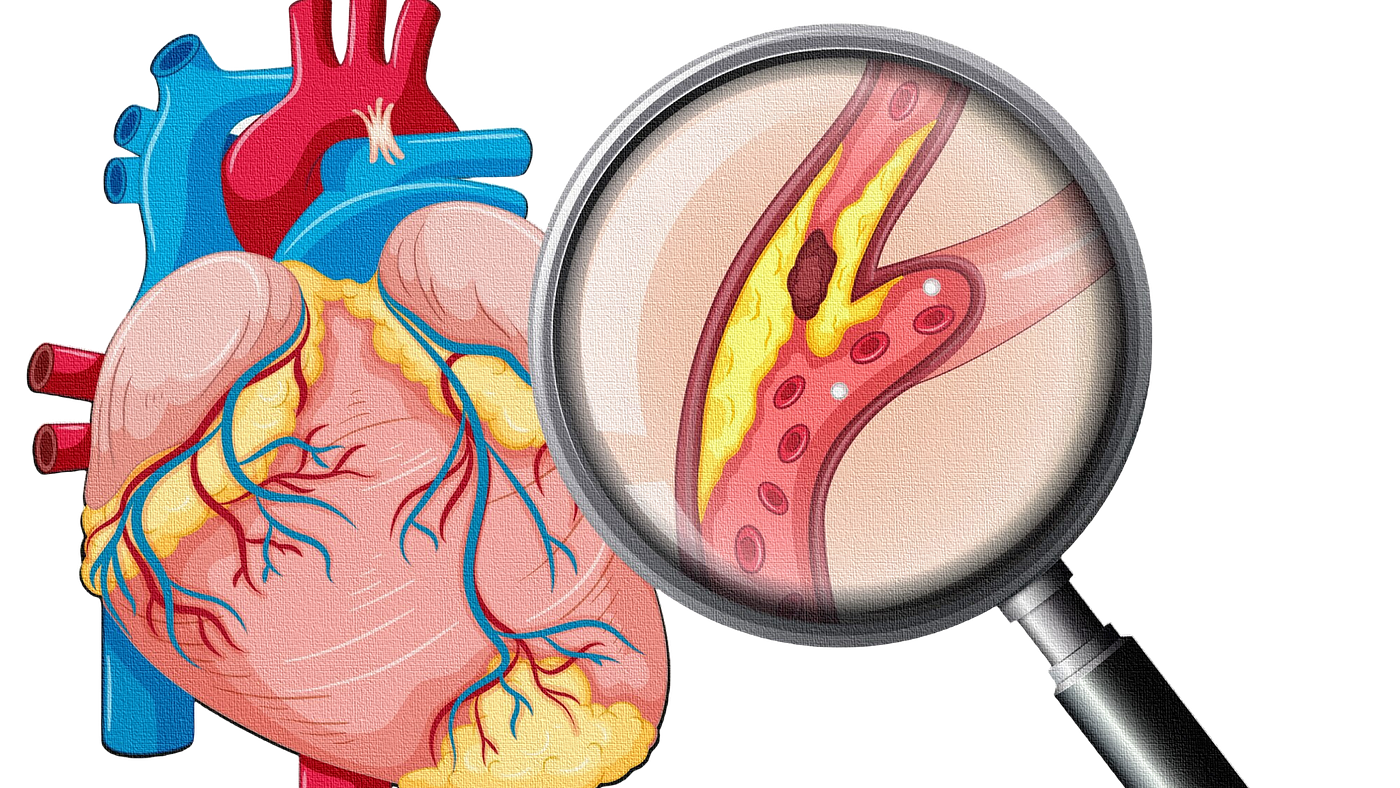
- Cardiovascular disease (CAD) Fat deposition in vascular walls leads to atherosclerosis and vessel narrowing
- Stroke Ectopic fat accumulation contributes to vascular obstruction or rupture
- Diabetes Visceral fat → vascular dysfunction → impaired nutrient delivery → insulin resistance
- Renal failure Lipid-induced microvascular damage affects kidney filtration
- Fatty liver Ectopic fat impairs hepatic metabolism
- Sexual dysfunction Vascular impairment and endocrine disruption reduce blood flow
- Gout Renal dysfunction reduces uric acid clearance
- Cancer Chronic inflammation and hypoxia alter the cellular environment
- Osteoporosis Fat infiltration reduces bone formation
- Aging (wrinkle formation) Microvascular damage in skin leads to structural collapse
→ These observations suggest that fat is not a disease-specific factor, but rather a shared pathological foundation.
6. The Nature of the Problem and Intervention Strategies
Effective management requires two parallel strategies:
1. Reduce intake
- Control total caloric intake
- Reduce refined sugars and excessive fats
- Adjust dietary structure
2. Enhance fat clearance
- Increase physical activity (fat oxidation)
- Improve metabolism (e.g., mitochondrial function)
- Promote fat mobilization

Figure 5. Core Problem and Intervention Strategies
→Key concept: Reducing intake alone is insufficient; fat must also be actively cleared.
7. Advanced Perspective: Fat as a Dysregulated System
It is important to emphasize that fat itself is not inherently harmful. It becomes pathogenic when:
- It is distributed abnormally (ectopic deposition)
- It accumulates excessively
- Its metabolism becomes dysregulated
Thus, modern medicine should shift from:
Eliminating fat → Regulating the fat system
This includes:
- Optimizing fat distribution
- Enhancing fat utilization efficiency
- Controlling inflammation
8. Conclusion
Fat plays a multi-level and multifunctional role in the human body. The core issue begins with energy surplus, leading to fat conversion and accumulation, which subsequently affects systemic physiology and results in chronic disease.
→ The root of chronic disease lies not in a single organ, but in the systemic imbalance of lipid metabolism.
Future health strategies should therefore focus on metabolic regulation and energy balance, rather than merely treating symptoms — an approach aligned with preventive medicine and precision healthcare.
FOR video information click here : https://www.youtube.com/watch?v=d7g4hYx2IK4
9. References
1. Després JP. **Body fat distribution and risk of cardiovascular disease. **Circulation. 2012;126(10):1301–1313.
2. Eckel RH, Grundy SM, Zimmet PZ. **The metabolic syndrome. **Lancet. 2005;365:1415–1428.
3. Unger RH, Scherer PE. **Gluttony, sloth and the metabolic syndrome: a roadmap to lipotoxicity. **Cell. 2010;132(3): 343–350.
4. Hotamisligil GS. **Inflammation and metabolic disorders. **Nature. 2006;444:860–867.
5. Samuel VT, Shulman GI. **Nonalcoholic fatty liver disease as a nexus of metabolic disease. **Cell Metabolism. 2018;27(1):22–41.
6. Neeland IJ et al. **Visceral and ectopic fat, atherosclerosis, and cardiometabolic disease. **JACC. 2019
7. Kahn SE et al. **Mechanisms linking obesity to insulin resistance and type 2 diabetes. **Nature. 2006
8. Rosen ED, Spiegelman BM. **Adipocytes as regulators of energy balance. **Nature. 2006
9. Lowell BB, Shulman GI. **Mitochondrial dysfunction and insulin resistance. **Science. 2005
메타데이터
- post_id
- 07dcbdc1a021
- slug
- you-think-its-just-obesity-it-is-actually-the-starting-point-of-systemic-disease-07dcbdc1a021
- url
- https://medium.com/@tanchuangchungm/you-think-its-just-obesity-it-is-actually-the-starting-point-of-systemic-disease-07dcbdc1a021
- canonical_url
- https://medium.com/@tanchuangchungm/you-think-its-just-obesity-it-is-actually-the-starting-point-of-systemic-disease-07dcbdc1a021
- author_url
- https://medium.com/@tanchuangchungm
- status
- ok
- fetched_at
- 2026-08-15 21:00:23