Bariatric Surgery in Ahmedabad: Types, Success Rate, and Recovery Tips
Obesity has become one of the fastest-growing health concerns in India. Beyond affecting appearance, excess weight can increase the risk of…
Bariatric Surgery in Ahmedabad: Types, Success Rate, and Recovery Tips
Obesity has become one of the fastest-growing health concerns in India. Beyond affecting appearance, excess weight can increase the risk of diabetes, high blood pressure, heart disease, sleep apnea, fatty liver disease, and joint problems. For people who have struggled with diet, exercise, and medications without long-term success, bariatric surgery offers a safe and effective solution.
If you are considering **bariatrics in Ahmedabad**, understanding the different types of procedures, expected success rates, and recovery process can help you make an informed decision. This guide explains everything you need to know in simple language.
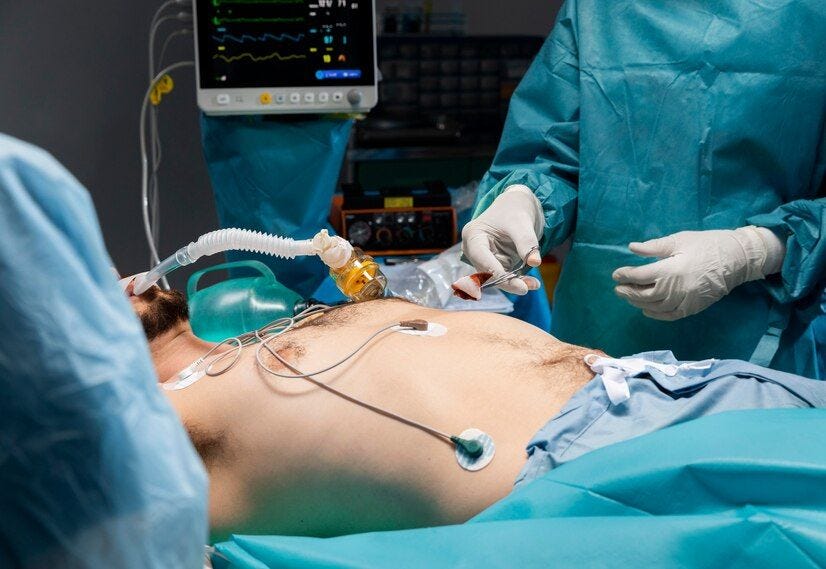
What Is Bariatric Surgery?
Bariatric surgery refers to a group of surgical procedures designed to help people lose weight by reducing the size of the stomach and, in some cases, changing the way the digestive system absorbs food. It is not a cosmetic procedure but a medical treatment recommended for individuals with severe obesity and obesity-related health conditions.
The primary goal is to achieve sustainable weight loss while improving overall health and quality of life.
Who Is a Good Candidate for Bariatric Surgery?
Your doctor may recommend bariatric surgery if:
- Your Body Mass Index (BMI) is 40 or higher.
- Your BMI is 35 or above with obesity-related conditions like diabetes or hypertension.
- Lifestyle changes and medications have not resulted in significant weight loss.
- You are committed to maintaining healthy eating habits and regular follow-up care.
A thorough medical evaluation is necessary before surgery to ensure it is the right option for you.
Types of Bariatric Surgery
Several bariatric procedures are available today, and the best choice depends on your health condition, weight-loss goals, and medical history.
1. Sleeve Gastrectomy
This is one of the most commonly performed procedures. Around 75–80% of the stomach is removed, leaving a narrow sleeve-shaped stomach. This reduces hunger and limits food intake.
Benefits include:
- Significant weight loss
- Reduced hunger hormones
- Shorter hospital stay
- Lower complication rates
2. Gastric Bypass Surgery
This procedure creates a small stomach pouch and reroutes a portion of the small intestine. It reduces both food intake and calorie absorption.
It is often recommended for patients with severe obesity or uncontrolled type 2 diabetes.
3. Mini Gastric Bypass
This simplified version of gastric bypass requires a single connection between the stomach and intestine. It offers effective weight loss with a shorter surgical time.
4. Revision Bariatric Surgery
Patients who previously underwent weight-loss surgery but experienced weight regain or complications may require revision surgery after detailed evaluation.
Success Rate of Bariatric Surgery
Modern bariatric surgery has an excellent success rate when performed by experienced surgeons and supported by long-term lifestyle changes.
Many patients achieve:
- Loss of 50–70% of excess body weight within 12–18 months
- Better blood sugar control
- Improvement in high blood pressure
- Relief from sleep apnea
- Reduced joint pain
- Improved mobility and energy levels
The long-term success depends on following dietary recommendations, staying physically active, attending follow-up appointments, and maintaining healthy habits.
Recovery After Bariatric Surgery
Recovery is generally faster because most procedures are performed laparoscopically using small incisions.
Hospital Stay
Most patients stay in the hospital for 2–4 days depending on the type of surgery and their recovery.
First Week
Patients usually begin with clear liquids and gradually progress to protein-rich liquids. Walking is encouraged to improve circulation and reduce the risk of blood clots.
First Month
Soft foods are introduced gradually. Patients learn portion control while adapting to their new digestive system.
Long-Term Recovery
Most people return to work within two to four weeks. Regular exercise, vitamin supplements, and nutritional monitoring become an important part of long-term care.
Recovery Tips for Better Results
Following your surgeon’s instructions can significantly improve your recovery and long-term success.
Here are a few practical tips:
- Eat small meals slowly.
- Drink enough water throughout the day.
- Avoid sugary and processed foods.
- Prioritize protein intake.
- Walk daily and gradually increase activity.
- Take prescribed vitamin and mineral supplements.
- Attend all scheduled follow-up visits.
- Seek guidance from a dietitian whenever needed.
Importance of Complete Digestive Evaluation
Before undergoing bariatric surgery, doctors often evaluate the digestive tract to identify conditions that may affect treatment planning.
An experienced **endoscopy hospital in Ahmedabad** may perform upper GI endoscopy to detect ulcers, inflammation, acid reflux, or other stomach disorders before surgery. This evaluation helps improve surgical safety and outcomes.
In selected cases, advanced diagnostic procedures such as capsule endoscopy in Ahmedabad may also be recommended to examine areas of the small intestine that are difficult to visualize using conventional methods.
Managing Overall Digestive Health
Weight loss surgery is only one part of improving overall health. Patients should also focus on maintaining a healthy digestive system through balanced nutrition, regular physical activity, adequate hydration, and stress management.
Learning **How to Maintain a Healthy Gut in Modern Urban Life** becomes even more important after bariatric surgery because a healthy gut supports better digestion, immunity, nutrient absorption, and long-term wellness.
Conditions That Require Medical Attention
People living with obesity may also be at increased risk of fatty liver disease, gallstones, acid reflux, and pancreatic disorders.
One serious condition is **Acute Inflammation of the Pancreas**, which causes severe abdominal pain, nausea, vomiting, and fever. Although it is not directly caused by bariatric surgery, prompt medical evaluation is essential if these symptoms develop before or after surgery.
Similarly, patients with advanced liver disease may require specialized care, including evaluation for liver transplant in Ahmedabad, depending on the severity of liver damage. Early diagnosis and treatment can significantly improve outcomes.
Choosing the Right Specialist
Selecting an experienced **Gastrointestinal doctor in Ahmedabad** and a multidisciplinary bariatric team is one of the most important decisions you will make. The right team includes bariatric surgeons, gastroenterologists, anesthesiasts, dietitians, psychologists, and physiotherapists who work together to provide comprehensive care before and after surgery.
Choosing a hospital equipped with advanced surgical technology and experienced specialists also improves safety, recovery, and long-term success.
Conclusion
Bariatric surgery has transformed the lives of thousands of people struggling with severe obesity and related health problems. With modern surgical techniques, high success rates, and structured post-operative care, patients can achieve lasting weight loss while improving their overall quality of life.
The key to success is selecting the right procedure, following medical advice, adopting healthier eating habits, staying physically active, and attending regular follow-up appointments. When combined with expert medical care and long-term lifestyle changes, bariatric surgery becomes more than a weight-loss procedure — it becomes a pathway toward a healthier and more active future.
메타데이터
- post_id
- 07ef35772f82
- slug
- bariatric-surgery-in-ahmedabad-types-success-rate-and-recovery-tips-07ef35772f82
- url
- https://medium.com/@nigindia4_8255/bariatric-surgery-in-ahmedabad-types-success-rate-and-recovery-tips-07ef35772f82
- canonical_url
- https://medium.com/@nigindia4_8255/bariatric-surgery-in-ahmedabad-types-success-rate-and-recovery-tips-07ef35772f82
- author_url
- https://medium.com/@nigindia4_8255
- status
- ok
- fetched_at
- 2026-07-31 10:12:53