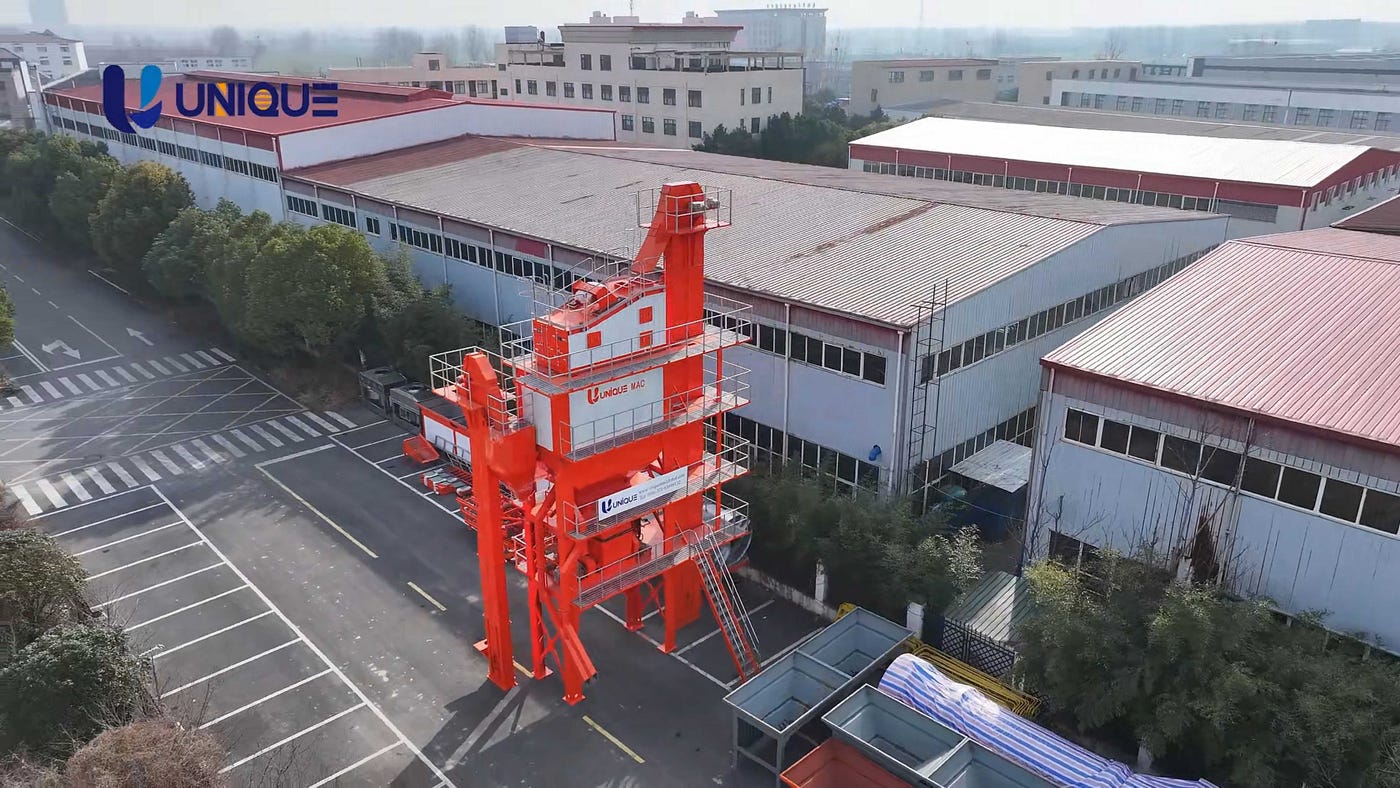
How to Choose the Right Burner for an Asphalt Mixing Plant
In an asphalt mixing plant, the burner is often called the “heart” of the entire system. It provides the heat needed to dry aggregates and…
How to Choose the Right Burner for an Asphalt Mixing Plant
In an asphalt mixing plant, the burner is often called the “heart” of the entire system. It provides the heat needed to dry aggregates and maintain stable asphalt production. A suitable burner can help reduce fuel consumption, improve heating efficiency, and lower emissions. On the other hand, choosing the wrong burner may increase operating costs and maintenance problems.
What Does an Asphalt Plant Burner Do?
The burner generates high-temperature flames inside the drying drum, heating aggregates before they are mixed with bitumen. Burner performance directly affects:
- Production efficiency
- Fuel consumption
- Asphalt quality
- Environmental emissions
- Equipment stability
Modern asphalt plant burners are designed to provide stable combustion, precise temperature control, and better fuel efficiency.
Main Types of Asphalt Plant Burners
There are several common burner types used in asphalt mixing plants today.
- Diesel / Oil Burners
Oil burners use diesel, light oil, or heavy fuel oil as fuel.
Advantages:
- Easy to operate
- Stable flame and strong heating performance
- Suitable for remote areas without gas pipelines
Disadvantages:
- Higher fuel cost
- Higher emissions compared with gas burners
- Requires regular nozzle cleaning and maintenance
Oil burners are commonly used in small and medium asphalt plants or temporary road construction projects.
2. Gas Burners
Gas burners operate with natural gas or LPG.
Advantages:
- Cleaner combustion
- Lower NOx and dust emissions
- High thermal efficiency
- Lower maintenance requirements
Disadvantages:
- Requires stable gas supply
- Initial installation cost may be higher
Gas burners are becoming increasingly popular in regions with strict environmental regulations.
3. Dual-Fuel Burners
Dual-fuel burners can switch between oil and gas fuels.
Advantages:
- Flexible fuel selection
- Better protection against fuel price fluctuations
- Continuous production even if one fuel source is unavailable
Disadvantages:
- More complex system
- Higher initial investment
- Requires precise control systems
Many modern asphalt plants choose dual-fuel burners because they combine flexibility with operational stability.
4. Coal / Pulverized Coal Burners
These burners use coal powder as fuel.
Advantages:
- Lower fuel cost in some regions
- Suitable for large-capacity production
Disadvantages:
- Higher emissions
- More complicated maintenance
- Requires dust collection and environmental control systems
Coal burners are still used in some markets where coal remains a low-cost energy source.
5. Low-NOx Burners
Low-NOx burners are designed to reduce harmful emissions during combustion.
Advantages:
- Environmentally friendly
- Helps meet strict emission standards
- Improves combustion efficiency
These burners are increasingly used in environmentally regulated markets and modern asphalt production facilities
How to Choose the Right Burner?
1. Fuel Availability
The first thing to consider is which fuel is easily available in your region.
- Areas with stable natural gas supply → Gas burner
- Remote construction sites → Diesel burner
- Regions with changing fuel prices → Dual-fuel burner
Fuel cost and long-term supply stability are critical for daily plant operation
2. Environmental Regulations
Some countries and cities have strict emission standards.
If environmental requirements are high, gas burners or low-NOx burners are usually the better choice because they produce cleaner combustion and lower emissions.
3. Plant Capacity
Different plant capacities require different burner sizes and heating power.
- Small mobile plants → Simple diesel burners
- Large stationary plants → Gas or dual-fuel burners with higher efficiency
A properly matched burner improves heating stability and reduces fuel waste.
4. Operating Cost
Besides the purchase price, operators should also consider:
- Fuel consumption
- Maintenance cost
- Spare parts availability
- Energy efficiency
Sometimes a burner with a higher initial cost can save significant fuel expenses over the long term.
Final Thoughts
The burner is one of the most important components in an asphalt mixing plant. Different burner types offer different advantages in terms of fuel flexibility, operating cost, environmental performance, and maintenance requirements.
For many modern asphalt plants, gas burners and dual-fuel burners are becoming popular choices because they provide cleaner combustion and better fuel flexibility. However, the best burner always depends on the local fuel conditions, environmental policies, production capacity, and project budget.
Choosing the right burner can help asphalt producers improve efficiency, reduce operating costs, and ensure stable long-term production.
For more information about asphalt mixing plants and related equipment, visit UNIQUE Group Asphalt Mixing Solutions
메타데이터
- post_id
- 07fe764ca287
- slug
- how-to-choose-the-right-burner-for-an-asphalt-mixing-plant-07fe764ca287
- url
- https://medium.com/@uniqueeuips/how-to-choose-the-right-burner-for-an-asphalt-mixing-plant-07fe764ca287
- canonical_url
- https://medium.com/@uniqueeuips/how-to-choose-the-right-burner-for-an-asphalt-mixing-plant-07fe764ca287
- author_url
- https://medium.com/@uniqueeuips
- status
- ok
- fetched_at
- 2026-06-23 17:05:31