Build and Launch a Powerful Uber Clone App for Modern Ride-Hailing Businesses
The ride-hailing industry has grown rapidly over the past decade, and apps like Uber, Lyft, Ola, and Bolt have changed the way people…
Build and Launch a Powerful Uber Clone App for Modern Ride-Hailing Businesses
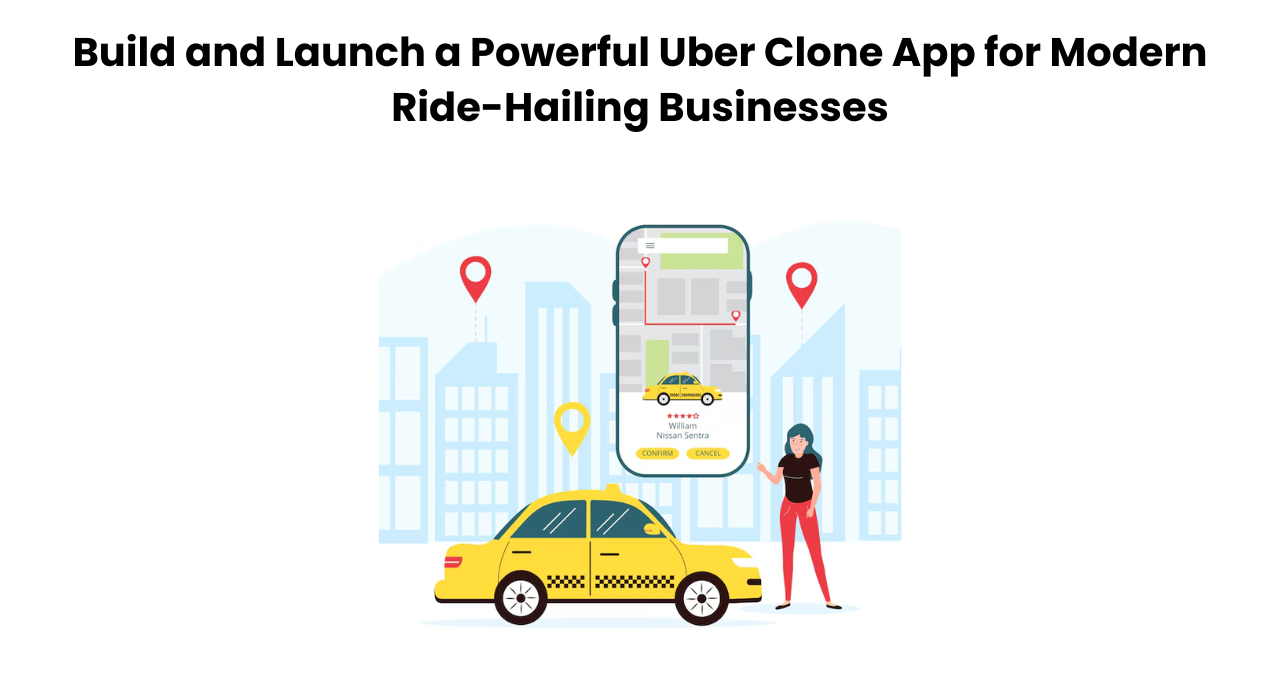
The ride-hailing industry has grown rapidly over the past decade, and apps like Uber, Lyft, Ola, and Bolt have changed the way people travel. With millions of users relying on these services every day, the demand for new, improved, and city-focused ride-hailing apps continues to rise. Entrepreneurs and startups are now turning to Uber clone app development to build their own successful transport platforms. A well-planned **Uber clone** app gives you the power to enter the market quickly with modern features, smooth performance, and a user-friendly experience.
This detailed guide will walk you through everything involved in building and launching a powerful Uber-like app — from concept planning and feature development to design, testing, and marketing strategies. Whether you are an aspiring founder, a startup, or a business owner looking to enter the mobility sector, this guide will help you move forward with complete clarity.
Understanding What an Uber Clone App Really Is
An Uber clone app is a ready-made or custom-built ride-hailing application that works similarly to Uber. It includes all the core functionalities needed to run a taxi business digitally. However, an Uber clone app is not just a copy. It allows you to customize features, add new services, modify workflows, and brand the entire system based on your business model.
Why Ride-Hailing Businesses Prefer Uber Clone Apps
Most ride-hailing startups choose Uber clone solutions because they reduce development time, lower risk, and offer a proven business model. Instead of building from scratch, companies can focus on branding, customer experience, and scalability.
Key Components of an Uber Clone App
A complete Uber clone system typically includes three core modules: A Customer App for passengers to book rides A Driver App for drivers to manage rides and earnings An Admin Panel to control operations, payments, analytics, and users All these components work together to deliver a seamless travel experience.
Research and Planning for Your Ride-Hailing Business
Before you start building the app, you must understand your market, define your goals, and decide how your business will operate.
Identify Your Target Market
Every city or country has different transportation needs. Some locations need a bike taxi service, while others need premium cars or shared rides. Understanding your audience helps you shape your app’s design, features, and pricing model.
Analyze the Competition
Study popular ride-hailing apps in your region. Learn what makes them successful and what issues users complain about. You can use this information to create a better platform.
Set Your Business Model
You may choose from several models: ● On-demand taxi booking ● Carpooling or shared rides ● Bike taxi service ● Outstation rides ● Corporate travel solutions Your business model will guide your app structure and features.

Designing a Modern and User-Friendly Uber Clone App
Design is one of the most important parts of the entire process. A good design makes your app feel smooth, trustworthy, and easy to use.
Build an Intuitive User Experience (UX)
The UX design should make it easy for users to book a ride in a few simple steps. Avoid confusing layouts, unnecessary screens, and too many options at once.
Use a Clean and Modern User Interface (UI)
Modern riders prefer apps that look stylish yet simple. Use readable fonts, attractive colors, and high-quality icons. A consistent visual theme helps you build strong brand recognition.
Focus on Mobile Responsiveness
The app should work smoothly on all screen sizes, whether it is a small Android phone or a large iPhone screen.
Essential Features for the Customer App
The customer app is the main part of your platform. Its design and features directly impact user satisfaction.
Easy Signup and Login
Allow users to sign up through mobile numbers, emails, or social media accounts. A simple onboarding experience helps increase sign-ups.
Ride Booking in a Few Clicks
Users should be able to select pickup and drop locations, choose a ride type, check estimated fare, and book the ride instantly.
Real-Time GPS Tracking
Live tracking ensures passengers feel safe and informed. They should be able to see the driver’s location and estimated arrival time.
Multiple Payment Options
Support payments through wallets, UPI, credit/debit cards, or cash. More payment choices lead to smoother rides and higher user trust.
In-App Chat and Calling
Built-in chat and call features help users communicate with drivers without sharing personal contact details.
Ratings and Reviews
Let users share their experience and provide feedback. This helps maintain high-quality service.
Essential Features for the Driver App
Drivers are the foundation of your ride-hailing business. Their experience should be as smooth as the customer’s.
Quick Registration and Document Upload
Drivers should be able to upload their documents, enter personal details, and get verified through your admin system easily.
Accept and Manage Ride Requests
The app must send instant notifications whenever a passenger books a ride. Drivers should be able to accept or decline requests.
Integrated Navigation
Google Maps or Mapbox should guide drivers to both pickup and drop locations accurately.
Ride History and Earnings Tracking
Drivers must be able to see their completed rides, daily earnings, and pending payouts.
Availability Mode
Drivers should be able to set their status as “Online” or “Offline” based on their availability.
Powerful Features for the Admin Panel
Your admin panel acts as the control center of the entire platform. It helps you monitor rides, control pricing, manage users, and track performance.
Intelligent Dashboard
A dashboard shows the number of active drivers, ongoing rides, completed trips, and overall revenue. This helps you stay updated in real-time.
User and Driver Management
You should be able to verify drivers, manage customer accounts, block suspicious users, handle complaints, and more.
Vehicle Category Management
Add or remove vehicle types such as bikes, autos, SUVs, sedans, electric cars, and shared rides.
Payment and Commission Settings
Admins can set commission percentages, view past transactions, track payments, and manage refunds.
Offers and Promo Codes
Easily launch coupon codes to attract new customers and keep existing users active.
Read more: A Complete Guide to Developing an Uber Clone App from Scratch
Technology Stack Required to Build an Uber Clone App
A strong technology stack ensures your app runs smoothly, loads fast, and remains secure.
Mobile App Technologies
Android apps can be developed using Java or Kotlin, while iOS apps can be created with Swift. For cross-platform development, Flutter or React Native works well.
Backend Development
The backend handles ride requests, user data, payments, and more. Common backend languages include Node.js, Python, Java, and PHP.
Database Management
Databases like MySQL, PostgreSQL, and MongoDB are great for storing user data, ride details, and payment history.
Real-Time Navigation and Tracking
GPS tracking depends on APIs such as Google Maps API, Mapbox, or OpenStreetMap. These services ensure accurate navigation.
Push Notifications
Firebase Cloud Messaging (FCM) and Apple Push Notification Service (APNS) help send alerts, ride updates, and promotional messages.
Step-by-Step Process to Build Your Uber Clone App
To create a successful ride-hailing system, follow a proper development process.
Step 1: Requirement Analysis
Start by listing all the features you want, understanding your goals, and deciding how the app should function.
Step 2: Wireframe Creation
Wireframes help you visualize the layout of the app. They act as a blueprint before actual development begins.
Step 3: UI/UX Design Phase
Create polished designs based on the wireframes. Your designer will focus on the look and usability of the app.
Step 4: Backend and API Development
Develop all server-side functions, including user authentication, ride assignment, payment logic, and database structure.
Step 5: Mobile App Development
Your developers will build the customer and driver apps based on the approved designs and planned features.
Step 6: Third-Party Integrations
Integrate maps, payment systems, SMS services, push notifications, and analytics tools.
Step 7: Testing and Quality Assurance
Test the app thoroughly for bugs, errors, security issues, and performance problems. Testing ensures your app is stable and reliable.
Step 8: Deployment and Launch
Publish the app on Google Play Store and Apple App Store. After launching, monitor performance and fix issues quickly.

Important Safety Features for Modern Ride-Hailing Apps
Passengers want a safe ride experience. Strong safety features can help build trust and protect your reputation.
SOS Button
An emergency SOS button allows users to alert their contacts or authorities during emergencies.
Ride Sharing Option
Passengers can share their live ride link with family or friends for safety reasons.
Driver Identity Verification
Drivers should be verified through document checks and background screening.
Number Masking Feature
This hides user and driver phone numbers during calls for privacy and safety.
How to Scale Your Uber Clone App
Once your app starts gaining users, the next step is scaling.
Expand to New Locations
Start with one city, then expand to other areas once your model becomes stable.
Add More Ride Categories
Include bikes, autos, shared rides, rentals, corporate rides, or even electric vehicles.
Improve Based on Feedback
Users may suggest new features or improvements. Listening to them increases loyalty.
Form Local Partnerships
Partner with hotels, airports, shopping malls, and travel agencies to boost ride bookings.
Common Challenges in Developing an Uber Clone App
Building a ride-hailing app comes with several challenges, but they can be solved with experience and planning.
Managing Real-Time Tracking
GPS data must be accurate. Poor accuracy can cause confusion for both drivers and passengers.
Handling High Traffic
Your backend should support thousands of ride requests smoothly, especially during peak hours.
Building Driver Trust
Drivers must feel supported. Offer fair commissions and fast payouts to keep them active.
Ensuring Passenger Safety
Your platform must maintain high safety standards through identity verification, emergency features, and secure payment systems.
Future Trends in the Ride-Hailing Industry
Technology in the transport industry continues to evolve.
Electric Vehicle Adoption
More riders prefer eco-friendly ride options. Adding EV rides can attract new users.
AI-Based Route Optimization
Artificial intelligence can reduce travel time by choosing faster routes and avoiding traffic.
Voice-Controlled Booking
Apps may soon support voice-based ride bookings for added convenience.
Multi-Service Apps
Ride-hailing companies may expand into food delivery, parcel delivery, rental services, or logistics.
Conclusion
Building and launching a powerful Uber clone app requires a clear vision, strong features, modern technology, and a user-focused design. The ride-hailing market is growing fast, and businesses that move early with a reliable and well-built app can quickly build a loyal customer base. From planning and designing to developing, testing, and scaling, each stage plays an important role in shaping your app’s success. With the guidance and support of an experienced **on demand app development company**, you can turn your ride-hailing idea into a fully functional app that performs well in real-world conditions and remains competitive in today’s digital transportation industry.
FAQs
What is an Uber clone app? An Uber clone app is a ride-hailing application designed with features similar to Uber, allowing businesses to launch a taxi booking service quickly.
Do I need separate apps for drivers and passengers? Yes, because both users perform different tasks and require different features, dashboards, and controls.
Can I customize my Uber clone app? Absolutely. You can add new features, modify workflows, change designs, or launch additional services as per your business needs.
Which technologies are used to build an Uber clone app? Technologies such as Flutter, Kotlin, Swift, Node.js, and Google Maps APIs are commonly used.
How long does it take to launch an Uber clone app? The timeline depends on the complexity, custom features, and development approach, but a ready-made solution can speed up the launch process.
메타데이터
- post_id
- 080f137c6ea7
- slug
- build-and-launch-a-powerful-uber-clone-app-for-modern-ride-hailing-businesses-080f137c6ea7
- url
- https://medium.com/@adrianevans0/build-and-launch-a-powerful-uber-clone-app-for-modern-ride-hailing-businesses-080f137c6ea7
- canonical_url
- https://medium.com/@adrianevans0/build-and-launch-a-powerful-uber-clone-app-for-modern-ride-hailing-businesses-080f137c6ea7
- author_url
- https://medium.com/@adrianevans0
- status
- ok
- fetched_at
- 2026-07-27 19:09:54