Excessive Gas and Bloating: When Should You See a Gastroenterologist?
Gas is a normal part of digestion, but persistent bloating, frequent burping, abdominal fullness, and excessive passing of gas can…
Excessive Gas and Bloating: When Should You See a Gastroenterologist?
Gas is a normal part of digestion, but persistent bloating, frequent burping, abdominal fullness, and excessive passing of gas can sometimes indicate an underlying digestive problem. While occasional gas may be related to diet or eating habits, recurring symptoms deserve proper evaluation.
If gas and bloating are affecting your daily routine, consulting a **gastroenterologist** can help identify the possible cause instead of repeatedly relying on home remedies.
Common Symptoms of Excessive Gas
People with excessive intestinal gas may experience:
- Frequent bloating
- Repeated burping
- Abdominal fullness or pressure
- Passing gas more frequently
- Abdominal discomfort
- Changes in bowel habits
- Constipation or diarrhea
- Feeling full quickly after eating
These symptoms can have many possible causes, so the treatment depends on the underlying problem.
Why Does Excessive Gas Happen?
Gas can increase because of swallowed air, certain foods, constipation, food intolerances, changes in gut bacteria, or other gastrointestinal conditions.
Common contributing factors include:
- Eating too quickly
- Carbonated beverages
- Certain high-fiber foods
- Food intolerance
- Constipation
- Irritable bowel syndrome (IBS)
- Lactose intolerance
- Small intestinal bacterial overgrowth (SIBO)
- Gastroesophageal reflux and other digestive disorders
Persistent symptoms should not automatically be attributed to “gas.” A medical evaluation can help determine whether another digestive condition is responsible.
Why Do You Need a Gastroenterologist for Persistent Gas?
A gastroenterologist specializes in disorders of the digestive system, including the stomach, intestines, liver, gallbladder, and pancreas.
When gas and bloating continue despite basic dietary changes, a gastroenterologist can:
1. Evaluate Your Symptoms
The doctor may ask about your diet, bowel habits, medications, duration of symptoms, food triggers, and associated symptoms.
2. Identify the Underlying Cause
Excessive gas can be associated with different conditions. A specialist can determine whether your symptoms are more consistent with dietary intolerance, constipation, IBS, SIBO, reflux, or another gastrointestinal problem.
3. Recommend Appropriate Tests
Not everyone with gas needs extensive testing. If your symptoms or medical history indicate a need for further evaluation, your gastroenterologist may recommend selected investigations.
Depending on the suspected cause, these may include:
- Abdominal X-ray
- Ultrasound
- CT scan
- Breath tests
- Blood tests
- Stool tests
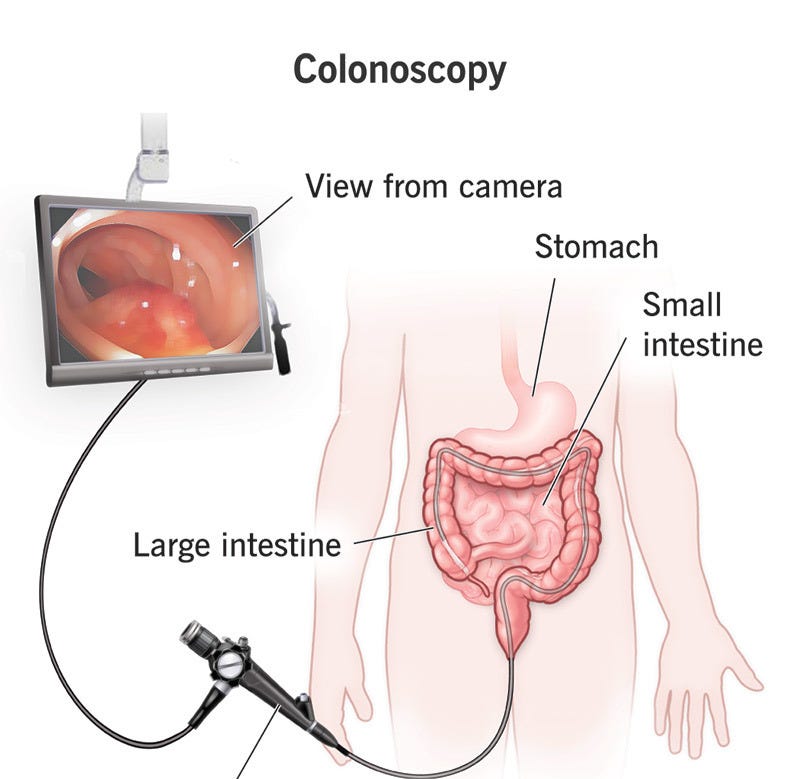
- Endoscopic evaluation in selected cases
The purpose of testing is generally to identify the cause of the symptoms, rather than simply measure how much gas is present.
What Are Breath Tests Used For?
Breath tests can be useful in selected patients with bloating and gas.
For example, hydrogen or methane breath testing may be considered when a doctor suspects conditions such as certain carbohydrate intolerances or small intestinal bacterial overgrowth (SIBO).
The appropriate test depends on the patient’s symptoms and clinical assessment.
When Should You Consult a Gastroenterologist?
Occasional gas is usually not a reason for concern. However, consider consulting a gastroenterologist if you experience:
- Persistent or recurrent bloating
- Frequent abdominal discomfort
- Gas that interferes with daily activities
- Repeated constipation or diarrhea
- Unexplained changes in bowel habits
- Symptoms that persist despite dietary changes
- Unexplained weight loss
- Blood in the stool
- Persistent vomiting
- Severe or worsening abdominal pain
Some of these symptoms can indicate a condition that requires prompt medical evaluation.
Gas and Bloating Shouldn’t Always Be Self-Treated
Many people immediately take antacids or other medicines whenever they experience bloating or gas. While some products may provide temporary relief, repeated symptoms can have an underlying cause.
For example, treating constipation may improve bloating in one patient, while another may need evaluation for lactose intolerance, IBS, SIBO, or another gastrointestinal condition.
Therefore, the right approach is to identify the cause first and then select appropriate treatment.
Gastroenterology Care in Ahmedabad
For people experiencing persistent gas, bloating, abdominal discomfort, or other digestive symptoms in Ahmedabad, consulting an experienced gastroenterologist can help with appropriate evaluation and treatment.
Dr. Neil Palkhiwala is a gastroenterologist, hepatologist, and advanced endoscopist in Ahmedabad. His practice covers a range of digestive-system conditions and diagnostic and therapeutic endoscopic procedures.
Patients can discuss their symptoms and medical history with a qualified gastroenterologist to determine whether further testing is appropriate.
Frequently Asked Questions
Is excessive gas always a sign of disease?
No. Gas is a normal part of digestion. However, persistent or severe gas accompanied by other symptoms may require medical evaluation.
Which test is used for excessive gas?
There is no single test that measures the exact amount of gas in the digestive system during routine evaluation. Depending on the suspected cause, doctors may use breath tests, imaging, blood tests, stool tests, or endoscopy.
Can a gastroenterologist treat bloating?
Yes. A gastroenterologist can evaluate possible causes of persistent bloating and recommend appropriate treatment based on the diagnosis.
Can constipation cause excessive gas?
Yes. Constipation can contribute to bloating, abdominal discomfort, and increased feelings of gas or fullness.
When should gas and bloating be taken seriously?
Seek medical evaluation if gas or bloating is persistent or accompanied by severe abdominal pain, vomiting, blood in stool, unexplained weight loss, or significant bowel changes.
Conclusion
Bloating, burping, abdominal fullness, and excessive gas are common digestive complaints, but recurring symptoms should not always be dismissed as simple “gas.” A gastroenterologist can assess your symptoms, identify possible underlying causes, and determine whether tests such as breath testing, abdominal imaging, or other investigations are appropriate.
If persistent gas and bloating are affecting your quality of life, professional evaluation can help you move from temporary symptom relief toward understanding the actual cause.
Book Consultation
Having persistent gas, bloating, or abdominal discomfort? Consult **Dr. Neil Palkhiwala, Gastroenterologist in Ahmedabad**, for appropriate digestive evaluation and personalized treatment.
Dr. Neil B. Palkhiwala (MD, DM (Gastroenterology), MRCP SCE (UK) is a leading Gastroenterologist, Hepatologist, and Advanced Endoscopist in Ahmedabad, dedicated to delivering evidence-based care for digestive, liver, pancreatic, and gastrointestinal disorders. With 10+ years of excellence, he has successfully treated 15,000+ patients and performed 5,000+ advanced endoscopic procedures**, maintaining a strong commitment to patient safety and clinical excellence.
Practicing at Aryav Superspeciality Hospital, Ahmedabad, Gujarat, Dr. Palkhiwala specializes in diagnosing and treating conditions affecting the esophagus, stomach, intestines, colon, liver, pancreas, and gallbladder. His expertise includes advanced diagnostic and therapeutic procedures such as Upper GI Endoscopy, Colonoscopy, ERCP, and Endoscopic Ultrasound (EUS), enabling accurate diagnosis and minimally invasive treatment for a wide range of gastrointestinal diseases.
His clinical practice focuses on the evidence-based management of GERD (Acid Reflux), Fatty Liver Disease, Hepatitis, Gallstones, Irritable Bowel Syndrome (IBS), Inflammatory Bowel Disease (IBD), Ulcerative Colitis, Crohn’s Disease, pancreatic disorders, gastrointestinal bleeding, and digestive cancers. Every treatment plan is personalized to the patient’s condition, emphasizing accurate diagnosis, advanced therapeutic interventions, and long-term digestive wellness.
In addition to serving patients across India, Dr. Neil Palkhiwala’s International Patient Services welcome individuals from North America, Europe, East Africa, and the Middle East who seek expert gastroenterology, liver disease, obesity, and advanced endoscopic care. His patient-centered approach, ethical medical practices, modern technology, and dedication to safety have earned him the trust of patients looking for comprehensive digestive healthcare.
Whether providing preventive screenings, advanced endoscopic procedures, or specialized treatment for complex gastrointestinal and liver conditions, Dr. Neil B. Palkhiwala remains committed to helping every patient achieve better digestive health through compassionate, personalized, and evidence-based medical care.
메타데이터
- post_id
- 08207c496fd3
- slug
- excessive-gas-and-bloating-when-should-you-see-a-gastroenterologist-08207c496fd3
- url
- https://medium.com/@gastroenterology-doctor/excessive-gas-and-bloating-when-should-you-see-a-gastroenterologist-08207c496fd3
- canonical_url
- https://medium.com/@gastroenterology-doctor/excessive-gas-and-bloating-when-should-you-see-a-gastroenterologist-08207c496fd3
- author_url
- https://medium.com/@gastroenterology-doctor
- status
- ok
- fetched_at
- 2026-08-20 05:27:18