Semaglutide for Weight Loss: Does It Really Fix the Problem or Just Pause It?
Let me be straight with you right from the start.
Semaglutide for Weight Loss: Does It Really Fix the Problem or Just Pause It?
Let me be straight with you right from the start.
Semaglutide is not a magic shot. It is not a shortcut. And it is definitely not the end of the conversation about weight loss.
But here is what it IS. It is one of the most effective metabolic therapies we have seen in a very long time. And if you are someone who has been struggling with weight for years, fighting hunger every single day, watching the scale go up and down without any real answers, then semaglutide deserves a proper, honest conversation.
So let us have one. No hype. No fear-mongering. Just the real picture.
First, What Exactly Is Semaglutide?
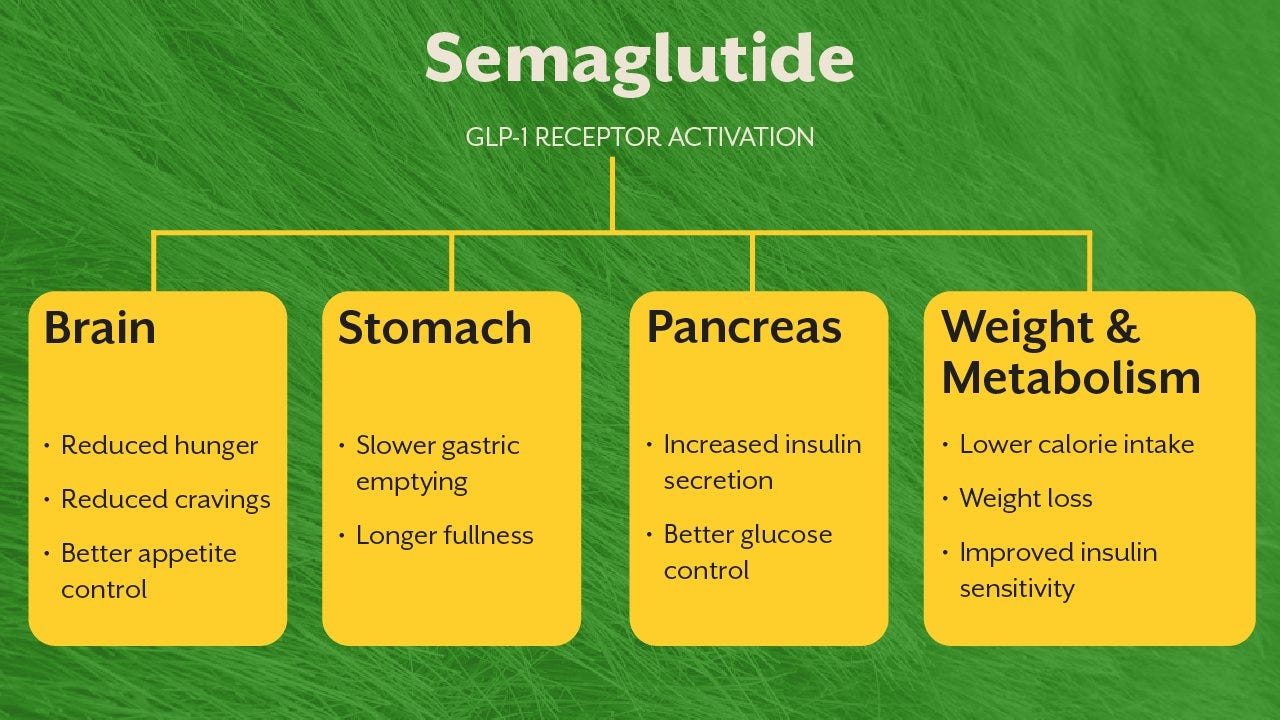
Semaglutide is a medication that belongs to a class called GLP-1 receptor agonists. GLP-1 is a hormone your gut naturally makes every time you eat. It tells your brain you are full, signals your pancreas to release insulin, and slows down how fast food moves out of your stomach.
Semaglutide is a lab-made version of that hormone. But researchers tweaked its structure so it stays in your body much longer than the natural version does. That is why you only need to take it once a week as an injection. There is also a daily tablet version called Rybelsus that contains the same molecule.
You have probably seen the brand names everywhere. Ozempic and Wegovy are both semaglutide. Ozempic was originally approved for type 2 diabetes. Wegovy is the version specifically approved for chronic weight management. Same molecule, different doses and indications.
Why Do People Lose So Much Weight on Semaglutide?
This is the part most people are curious about, and it is worth understanding properly.
When you go on a regular diet, your body fights back hard. Hunger hormones spike. Your metabolism slows down to conserve energy. Your brain starts obsessing over food. This is not weakness or lack of willpower. This is biology doing exactly what it is designed to do. Protecting you from what it thinks is starvation.
Semaglutide works differently. It does not ask you to white-knuckle through hunger all day. It actually reduces the hunger signals coming from your brain, particularly from an area called the hypothalamus. It also slows gastric emptying, which means food stays in your stomach longer and you feel full faster and for longer.
The result? People eat less, not because they are forcing themselves, but because they genuinely do not feel as hungry anymore.
What the Clinical Data Actually Shows
In a large clinical trial called SELECT, over 17,000 adults with overweight or obesity were followed for four years. On average, participants lost 10 to 12 percent of their body weight. More than 68 percent lost at least 5 percent of their body weight. Over 44 percent lost more than 10 percent.
Those numbers are significantly better than what most lifestyle interventions alone produce.
But Does Semaglutide Actually Fix the Root Cause of Obesity?
This is the real question. And the honest answer is: partly yes, and partly no.
Obesity is not simply a problem of eating too much. That framing is outdated and frankly harmful. Modern research shows that obesity is a complex metabolic condition driven by things like insulin resistance, chronic inflammation, hormonal imbalances, gut health dysfunction, poor sleep, chronic stress, and even genetics.
Semaglutide does address several of these root causes. But not all of them.
What Semaglutide Actually Fixes
Insulin resistance is one of the biggest hidden drivers of weight gain, especially the stubborn belly fat that refuses to budge. Semaglutide improves how your cells respond to insulin. That alone can meaningfully shift how your body stores and burns fat.
It also helps recalibrate your body’s satiety signals. Many people who have struggled with weight for years have become desensitized to the hormones that say “I am full.” Semaglutide helps restore some of that sensitivity. So it is not just suppressing hunger artificially. It is helping your biology behave more like it should.
Beyond that, studies show it has anti-inflammatory effects, reduces visceral fat (the dangerous fat that wraps around your organs), and meaningfully improves cardiometabolic markers.
What Semaglutide Does Not Fix
Here is where the honest part comes in.
Semaglutide does not fix a sedentary lifestyle. It does not reduce chronic stress. It does not repair a damaged gut microbiome. It does not correct nutritional deficiencies. It does not undo the impact of years of poor sleep on your hormones.
If you stop taking semaglutide without having made any real lifestyle changes during treatment, most people regain a significant portion of the weight. The biology bounces back. That tells us clearly that the medication was managing the condition, not fully resolving it.
This is exactly why at iThrive, we always look at the full picture before recommending any intervention. A root cause analysis helps identify what is actually driving your weight gain, whether that is insulin resistance, thyroid dysfunction, gut issues, inflammation, or something else entirely. Semaglutide may be part of the answer, but it is rarely the whole answer.
The Benefits That Go Way Beyond the Number on the Scale
One of the most exciting things about semaglutide is that its benefits extend well beyond weight loss. Researchers are discovering that it has real, meaningful effects on some of the most serious health conditions people face.
Heart Health
In the SELECT trial, participants taking semaglutide had a 20 percent lower risk of major cardiovascular events like heart attack and stroke. That is a significant finding, especially because obesity is one of the strongest risk factors for heart disease.
The benefits appear to come from a combination of reduced inflammation, improved blood sugar, less visceral fat, and better blood vessel function working together.
Blood Sugar Control
Semaglutide was originally developed for type 2 diabetes, and it remains one of the most effective tools available for managing blood sugar. It stimulates insulin release in a glucose-dependent way, which means it lowers blood sugar without causing the dangerous drops (hypoglycemia) that some other medications can trigger.
For people with prediabetes, semaglutide may actually help delay or even prevent the progression to full type 2 diabetes.
Kidney Function
Emerging research shows that semaglutide may slow the decline of kidney function, particularly in people with diabetes or existing chronic kidney disease. Reduced albuminuria, which is a marker of kidney stress, has been observed in multiple studies.
PCOS and Hormonal Health
Women with polycystic ovary syndrome often struggle deeply with insulin resistance and weight gain. Early evidence suggests semaglutide may help improve menstrual regularity, reduce insulin resistance, and support weight loss in women with PCOS. This area is still being actively studied, but the early signals are genuinely promising.
Semaglutide vs Tirzepatide: What Is the Difference and Which One Wins?
If you have been researching weight loss medications, you have almost certainly come across tirzepatide as well.
Tirzepatide works on two receptors instead of one. It activates both GLP-1 and GIP receptors. GIP is another gut hormone involved in insulin secretion and fat metabolism. This dual action appears to produce greater average weight loss in clinical trials compared to semaglutide.
Early data also suggests tirzepatide may offer stronger improvements in insulin sensitivity and kidney protection for some individuals.
That said, semaglutide has a much longer track record and more long-term cardiovascular outcome data. It has been studied more extensively across diverse populations including South Asians.
The right choice between the two depends on your health history, how your body responds, cost, accessibility, and what your doctor recommends after a proper evaluation. Neither is universally better. Both are tools. The key is knowing which tool fits your specific situation.
If you want a full breakdown, read our detailed guide on tirzepatide for weight loss and diabetes.
Semaglutide Side Effects: The Things Nobody Talks About
Semaglutide is generally well tolerated, but it is not without side effects. Most of them are gastrointestinal, and they tend to be most noticeable when you first start the medication or increase the dose.
Common side effects include:
- Nausea, especially in the first few weeks
- Vomiting
- Diarrhea or constipation
- Abdominal discomfort or bloating
- Appetite loss that is sometimes more extreme than intended
For most people, these symptoms improve over time as the body adjusts. Starting at a low dose and increasing gradually is standard practice for a reason.
There has been some discussion about potential effects on mood and mental health. However, current research has not established a clear causal link between semaglutide and psychiatric symptoms. If you are managing a mental health condition, it is worth discussing with your doctor before starting.
One side effect that often gets overlooked is muscle loss. When you lose weight quickly, some of that loss comes from muscle, not just fat. Without adequate protein and resistance-based exercise, this can quietly become a real problem. It is not a reason to avoid semaglutide. It is a reason to approach it with a proper plan.
Semaglutide in India: Why This Conversation Matters Here
The conversation around semaglutide in India is picking up quickly, and rightly so.
South Asians develop insulin resistance and visceral fat at significantly lower body weights than Western populations. This means millions of people in India are at high metabolic risk without meeting the standard clinical definition of obesity by BMI alone.
Ozempic and Rybelsus are becoming more available in India through doctors who specialize in diabetes and metabolic medicine. Affordability remains a real challenge since these medications are expensive and are often not covered by insurance specifically for obesity management.
There is also a genuine concern about misuse. Semaglutide should not be taken without a proper metabolic assessment. Using it purely for cosmetic weight loss, without understanding your metabolic baseline first, is not just wasteful. It can be risky.
The goal should always be a proper evaluation first, and then a thoughtful, supervised plan that may or may not include semaglutide depending on what your body actually needs.
The Real Way to Think About Semaglutide
Think of semaglutide as very good scaffolding. It holds things up while the real construction work happens underneath.
The real construction work is everything else. What you eat. How you move. How you sleep. How you manage stress. Whether you are addressing the underlying inflammation, gut dysfunction, or nutritional gaps that contributed to the problem in the first place.
Semaglutide gives your body breathing room. It reduces the constant, grinding hunger that makes lifestyle change feel impossible. It improves your metabolic environment so that the efforts you are making can actually produce results. But the efforts still have to be made.
People who get the best long-term outcomes on semaglutide are the ones who use that breathing room well. They build habits. They address root causes. They work with practitioners who treat them as a whole person, not just a number on a scale.
Frequently Asked Questions
Is semaglutide only for people with type 2 diabetes?
No. While semaglutide was originally developed for type 2 diabetes under the brand name Ozempic, a higher-dose version called Wegovy is specifically approved for chronic weight management in adults with obesity or overweight with at least one weight-related health condition. It is now prescribed in the context of metabolic health broadly, not just diabetes.
Will I gain all the weight back when I stop semaglutide?
Many people do regain a significant portion of lost weight after stopping semaglutide, particularly if they have not made sustainable lifestyle changes during treatment. This is why semaglutide works best as part of a broader plan, not as a standalone fix. The medication is a tool. What you build during treatment determines what you keep after it.
How is semaglutide different from older weight loss medications?
Older weight loss medications typically worked through stimulant pathways or by blocking fat absorption. Semaglutide mimics a naturally occurring gut hormone that regulates blood sugar, appetite, gastric emptying, and multiple metabolic processes at the same time. This broader mechanism is why it produces more meaningful and sustained results than most earlier options.
What is the difference between semaglutide and tirzepatide?
Semaglutide activates GLP-1 receptors only. Tirzepatide activates both GLP-1 and GIP receptors, which may lead to greater weight loss in some individuals. However, semaglutide has more long-term clinical data, particularly for cardiovascular outcomes. The better choice depends on your individual health situation, tolerance, and access.
Should I get a metabolic assessment before starting semaglutide?
Yes, always. Without understanding your baseline insulin levels, inflammation markers, thyroid function, gut health, and lifestyle factors, you are making decisions without the full picture. A thorough assessment helps determine whether semaglutide is right for you, what dose to consider, and what else needs to be addressed alongside it for lasting results.
Are semaglutide side effects permanent?
Most common side effects like nausea, bloating, and constipation are temporary. They tend to be most pronounced during dose escalation and typically ease as your body adjusts. Serious side effects are rare but possible. Any persistent or worsening symptoms should be discussed with your doctor promptly.
Can semaglutide help with conditions other than weight loss?
Yes. Semaglutide has shown meaningful benefits for type 2 diabetes management, cardiovascular risk reduction, kidney protection, and blood sugar control. There is also emerging interest in its role in PCOS and hormonal health. Research is still ongoing and the full scope of benefits continues to grow.
Key Takeaway
Semaglutide is genuinely impressive. It is not hype. The clinical evidence for meaningful weight loss, cardiovascular protection, and metabolic improvement is real and substantial.
But it is not a fix-all. Obesity is a complex condition with multiple drivers, and semaglutide addresses some of them very well while leaving others untouched. The people who get lasting results are the ones who use it as part of a bigger plan, not as a standalone answer.
If you are considering semaglutide, start with understanding your body. Know what is actually driving your weight. Know what your metabolic markers look like. Work with someone who takes the full picture seriously.
That is always the right place to start, regardless of which medication or approach you ultimately choose.
Want to understand what is actually driving your weight? Explore iThrive’s root cause approach to metabolic health and take the first real step.
메타데이터
- post_id
- 082bbc6f5129
- slug
- semaglutide-for-weight-loss-does-it-really-fix-the-problem-or-just-pause-it-082bbc6f5129
- url
- https://medium.com/@harshad_48079/semaglutide-for-weight-loss-does-it-really-fix-the-problem-or-just-pause-it-082bbc6f5129
- canonical_url
- https://medium.com/@harshad_48079/semaglutide-for-weight-loss-does-it-really-fix-the-problem-or-just-pause-it-082bbc6f5129
- author_url
- https://medium.com/@harshad_48079
- status
- ok
- fetched_at
- 2026-06-20 20:29:01