[The Long Game Brief] Ebola Outbreak Amid Geopolitical Tensions
Sign up for [The Long Game Brief] newsletter to learn more about long game scenarios around the world
[The Long Game Brief] Ebola Outbreak Amid Geopolitical Tensions
Sign up for [The Long Game Brief] newsletter to learn more about long game scenarios around the world

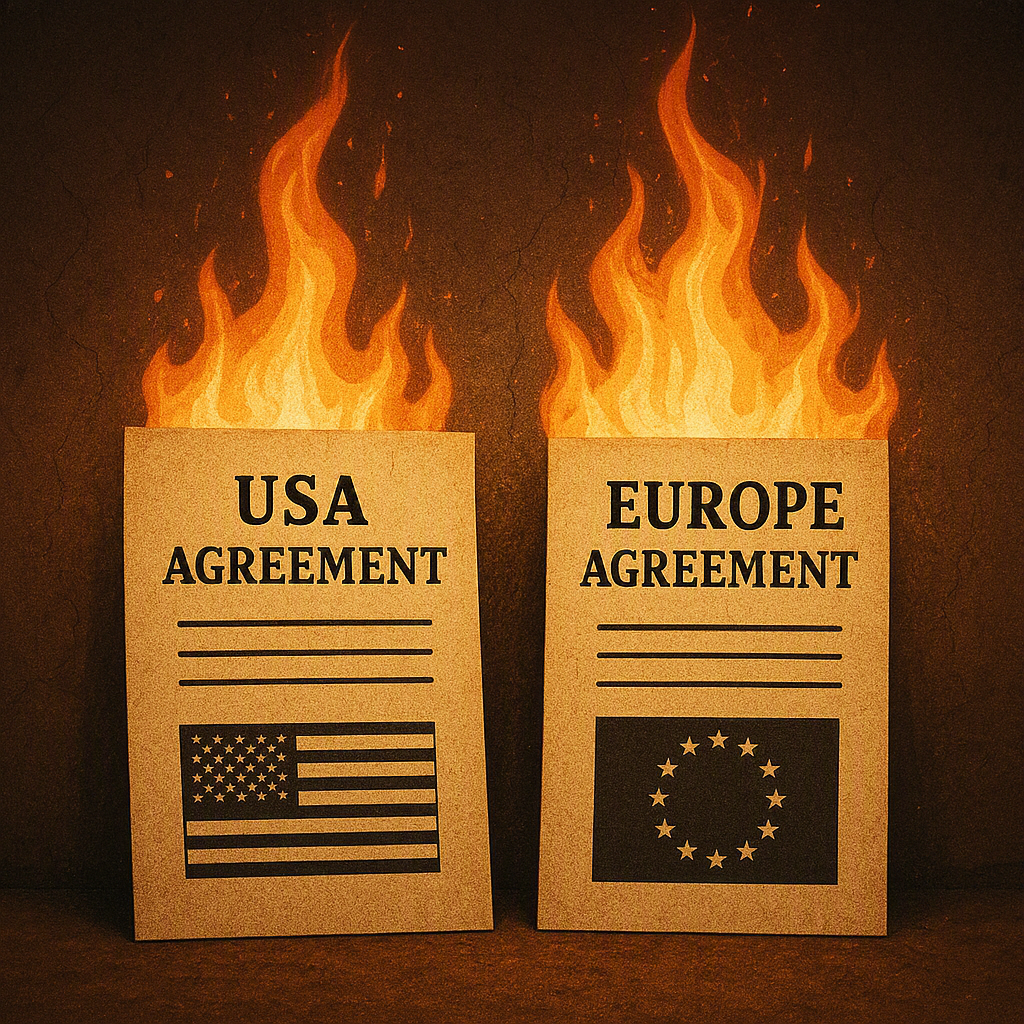
Created by Author using AI design software
How does the U.S.-China relationship affect countries during a global health crisis?
In this new era of geopolitical instability, the decisions made by the U.S. and China to compete, instead of cooperating, in the international system, have played out to the detriment of outcomes associated with** the Ebola outbreak in the DRC**.
This health crisis is increasingly evolving into a regional concern in Eastern Africa and could soon become a global problem if the virus cannot be effectively contained within the regional context. The whole Eastern Africa region is vulnerable to the current health emergency due to the lack of health funding from governments and international organizations. Moreover, the backdrop of geopolitical competition between the U.S. and China is also having an unprecedented impact on the humanitarian response and on efforts to contain the Ebola outbreak and prevent it from spreading throughout the Eastern Africa on a regional scale.
Tensions between the U.S. and China in both international politics and the global economy make it harder for international organizations and governments to coordinate during health emergencies, as evidenced by the recent outbreak of the Bundibugyo virus, one of several viruses known as Orthoebolaviruses, that have caused the spread of the Ebola disease.
The World Health Organization (WHO) is on the ground in the Democratic Republic of Congo (DRC) — the DRC’s Ituri Province is the epicenter of the Ebola outbreak — as well as in neighboring Uganda, where the virus and disease have already spread across the Eastern Africa region.
WHO declared an Ebola outbreak in the DRC and Uganda a “public health emergency of international concern” on 17 May 2026. The fatality rate involving the Bundibugyo strain is estimated to be between 25 and 40%, according to medical care organization Doctors Without Borders, or Médecins Sans Frontières (MSF), which is already on the ground in the DRC’s Ituri province.
The Ebola outbreak spreading across DRC has already spread to Uganda. The lack of global health funding from the U.S. is a critical topic, but it also shows that U.S.-China relations do not revolve around global health preparedness. In previous decades, the U.S. nuanced networks of laboratories, epidemiologists, and emergency-response programs through agencies including USAID and the Centers for Disease Control and Prevention. In Eastern DRC, where conflict, displacement, and weak infrastructure already complicate healthcare cooperation, funding from the U.S. agencies had formed an important part of the health emergency capacity in vulnerable areas of the world.
According to Janice Kew of Bloomberg News,
“Such systems built with international aid often serve multiple purposes: tracking outbreaks, transporting laboratory samples, and monitoring unexplained illnesses in remote regions. When funding disappears, those networks weaken quickly.”
Thus, the spread of the Ebola virus illustrates what happens when fragile governance structures — caused by conflict, donor fatigue, and shrinking international aid from governments — exacerbate the health crisis on a regional scale in Eastern Africa.
Tighisti Amare, Director of Chatham Houses’s Africa Programme, framed the U.S.- China competition for critical minerals as an indication of this new era in geopolitical conflict and global health crisis:
“The outbreak of the Ebola virus is unfolding in the Eastern DRC. In addition to a lack of security and services, there is also a basic lack of infrastructure there. Many communities live in areas where there are very poor roads and very weak healthcare centers. Some of those areas are even controlled by armed groups. That makes responding to this emergency far more difficult than in any other location. For many people living in Eastern DRC, daily life is about survival. There are over five million displaced people in the Eastern DRC, as well as over 1 million refugees now living in neighboring countries, having fled due to the violence.”
Although there are narratives about the DRC as being one of Africa’s “resource-rich countries” needed by the U.S. and China for critical minerals, Tighisti Amare has argued against this narrative in the context of today’s international politics.
She said:
“I try not to describe the resource-rich countries as going through a curse, because there’s still an opportunity. Of course, a lot of the supply chain has been controlled by China so far, and there’s a strong interest by the U.S. to have some control of the supply chain at the moment. The U.S. is increasingly tying the economic interests to the stability of the DRC.”
International health support for the current Ebola outbreak has been undermined by the U.S.’s lack of funding. The competition between the U.S. and China is having an impact on the DRC, by limiting the response at a local and regional level.
As a result, the Ebola outbreak is now placing other countries in the Eastern Africa region at risk. This is a sign, even if the world is headed toward a new Cold War, that the U.S. and China will only be interested in providing for stability that comes with economic benefits, and that regional health cooperation will be carried out without the participation of the U.S. and China support. It will thus be the priority of governments in Eastern Africa to coordinate during a regional health crisis.
In closing, **the rising prices of food, fertilizers and energy** provide the foundation for another series of global instability, from which the COVID-19 Pandemic had already sowed the seeds of chaos in various countries from the African continent to North America and beyond.
If indeed the world is moving toward a new Cold War, then the lack of coordination and cooperation between the U.S. and China during global health emergencies reveals that African countries and their citizens will be at higher risk than the rest of the world from this global power struggle. This outcome will also play out in the U.S.-China competition for critical minerals investments in the DRC, as well as in other Eastern African countries such as Rwanda and Tanzania.
The U.S. and China have already signaled to the international community that critical minerals are more important than health cooperation when it comes to political stability in the DRC.
I publish a newsletter covering current affairs topics and global commodities markets in [**The Long Game Brief**] every week.
Subscribe to the newsletter to learn more about long game scenarios, as they evolve in real time and disrupt future trends, around the world.
메타데이터
- post_id
- 084f14bc938a
- slug
- the-long-game-brief-ebola-outbreak-amid-geopolitical-tensions-084f14bc938a
- url
- https://medium.com/areas-producers/the-long-game-brief-ebola-outbreak-amid-geopolitical-tensions-084f14bc938a
- canonical_url
- https://medium.com/areas-producers/the-long-game-brief-ebola-outbreak-amid-geopolitical-tensions-084f14bc938a
- author_url
- https://medium.com/@Monroe4PEACE
- status
- ok
- fetched_at
- 2026-06-20 20:29:01