Why Modern Anti-Aging Is No Longer Just About Wrinkles
Modern dermatology is shifting its focus from simply treating visible signs of aging to improving the biological health of the skin itself.
Why Modern Anti-Aging Is No Longer Just About Wrinkles
Modern dermatology is shifting its focus from simply treating visible signs of aging to improving the biological health of the skin itself.
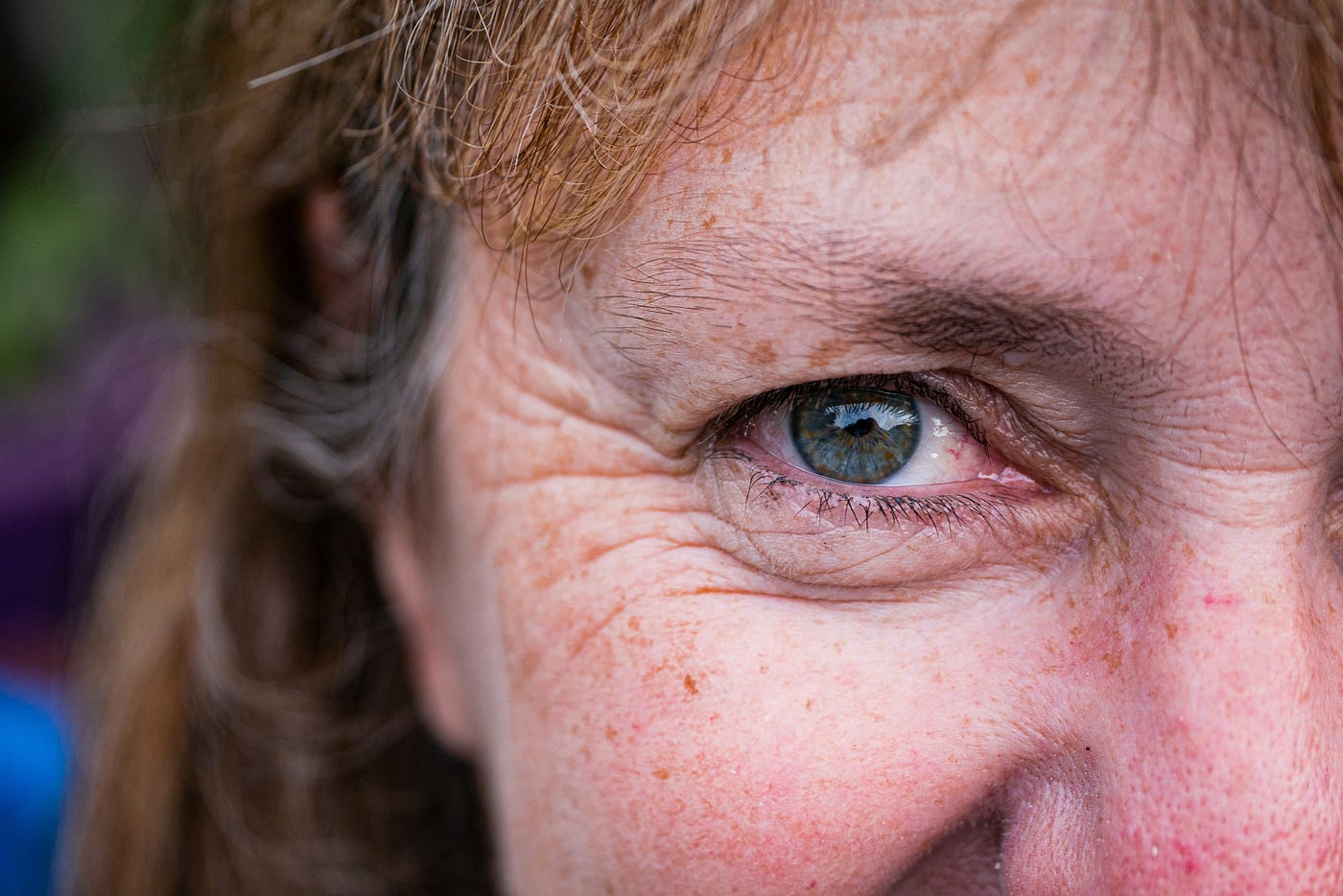
Unsplash의 Katelyn G
A common misconception about skin aging is that it begins when wrinkles appear.
In reality, wrinkles are usually one of the last visible signs of a process that has already been developing beneath the skin for years.
Modern dermatology has changed the way we think about aging. Rather than focusing only on reducing wrinkles or tightening loose skin, today’s approach aims to understand why skin ages in the first place. This shift has led to growing interest in regenerative dermatology, personalized treatment planning, and long-term skin health.
Understanding these concepts can help patients make more informed decisions about anti-aging treatments instead of simply following trends or choosing the newest device.
Healthy skin is not defined by the absence of wrinkles. It is defined by the quality and resilience of the tissue beneath them.
Skin Aging Begins Beneath the Surface

Unsplash의 Jellybee
Human skin naturally changes with age.
Collagen production gradually slows down.
Elastin fibers lose their flexibility.
The extracellular matrix (ECM) — the structural network that supports the skin — becomes less organized.
At the same time, fibroblasts, the cells responsible for producing collagen and maintaining healthy skin, become less active.
These biological changes often begin years before noticeable wrinkles develop.
This explains why two people of the same age can have completely different skin quality. While genetics certainly play a role, factors such as sun exposure, lifestyle, inflammation, stress, sleep, and overall health also influence how the skin ages over time.
By the time wrinkles become visible, many of these underlying changes have already progressed for years.

Unsplash의 Enecta Cannabis extracts
Why Wrinkles Are Only Part of the Story
For many years, anti-aging treatments primarily focused on what patients could see in the mirror.
Wrinkles.
Sagging.
Volume loss.
Pigmentation.
While improving these visible concerns remains important, modern dermatology increasingly recognizes that treating symptoms alone may not address the underlying causes of skin aging.
A patient may achieve temporary improvement in wrinkles, but if the biological environment of the skin continues to deteriorate, maintaining those results becomes more difficult over time.
This is why many dermatologists now place greater emphasis on improving overall skin quality rather than simply correcting isolated cosmetic concerns.
Healthy skin reflects much more than smoothness. It also includes elasticity, hydration, structural integrity, even pigmentation, and the skin’s ability to repair itself.
The Rise of Regenerative Dermatology
One of the most significant developments in aesthetic medicine over the past decade has been the growing field of regenerative dermatology.
Rather than only filling wrinkles or tightening tissue, regenerative approaches aim to support the skin’s natural repair processes.
This may include treatments designed to stimulate collagen production, improve the extracellular matrix, encourage fibroblast activity, or optimize the skin’s healing environment.
While different technologies and treatment methods continue to evolve, the underlying philosophy remains consistent:
Support healthier skin biology instead of simply masking the visible effects of aging.
For this reason, regenerative dermatology is becoming an increasingly important part of long-term anti-aging care.

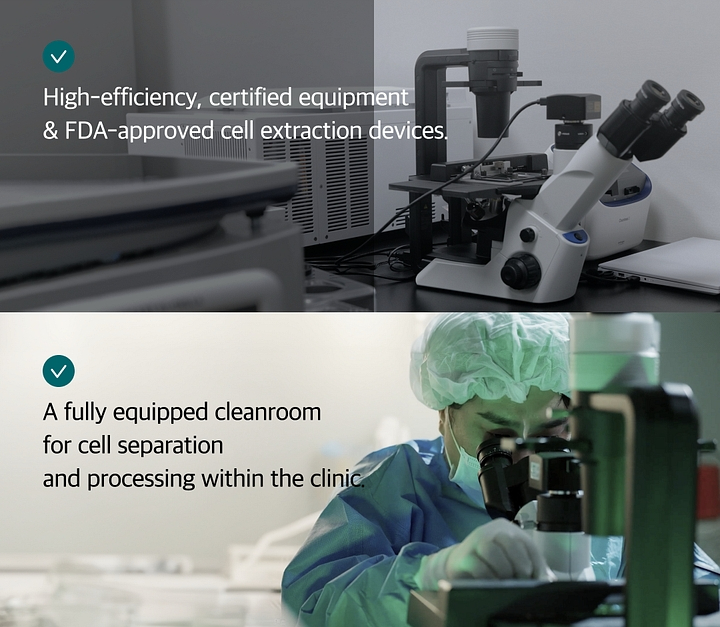
dod Dermatology Stem Cell Research Center
There Is No Single “Best” Anti-Aging Treatment
Patients often ask which treatment is the best.
Ultherapy?
Thermage?
Skin boosters?
Laser treatments?
Collagen stimulators?
The truth is that no single procedure is universally superior.
The most appropriate treatment depends on multiple factors, including:
- Age
- Skin thickness
- Degree of collagen loss
- Facial anatomy
- Previous procedures
- Lifestyle
- Individual treatment goals
Two patients with similar wrinkles may require completely different treatment plans because the underlying causes of their aging are different.
This is why personalized diagnosis has become increasingly important in modern dermatology.
Choosing the right treatment starts with understanding the condition of the skin — not simply selecting the most popular technology.
Looking Beyond the Mirror
Healthy aging is no longer about trying to erase every wrinkle.
Instead, many patients today seek skin that appears naturally healthy, resilient, and well maintained.
This represents an important shift in expectations.
Rather than pursuing dramatic changes, modern anti-aging medicine increasingly focuses on preserving skin quality over many years.
Small improvements in collagen support, skin texture, elasticity, and overall tissue health may contribute to results that continue to look natural as the skin ages.
This philosophy encourages long-term planning instead of repeated short-term corrections.

Dr. Joon Lee and doctors participating
Why Personalized Dermatology Matters
Every person’s skin tells a different story.
Even patients of the same age may have dramatically different levels of sun damage, collagen density, inflammation, or skin resilience.
Because of this, personalized treatment planning has become one of the defining principles of modern dermatology.
Instead of asking,
“Which anti-aging treatment is the strongest?”
a more meaningful question may be,
“What does my skin actually need?”
This shift from standardized treatments to individualized care reflects one of the most important changes in aesthetic medicine today.
Looking Ahead
As research in regenerative medicine continues to expand, the future of dermatology is likely to become even more personalized.
Advances in cellular biology, skin regeneration, and precision diagnostics are helping physicians understand not only how skin ages, but also why individuals age differently.
For patients, this means anti-aging is becoming less about chasing trends and more about making informed decisions based on the biology of their own skin.
At DOD Dermatology Cheongdam, this philosophy guides how we approach skin health. Rather than focusing solely on visible signs of aging, we believe long-term skin quality begins with understanding the biological processes beneath the surface and selecting treatments that support healthier skin over time.
Frequently Asked Questions
When does skin aging actually begin?
Biological changes in the skin often begin in a person’s twenties, although visible signs such as wrinkles may not appear until much later.
Is collagen the only factor responsible for skin aging?
No. Skin aging is influenced by many factors, including the extracellular matrix (ECM), elastin, fibroblast activity, inflammation, sun exposure, genetics, and lifestyle.
What is regenerative dermatology?
Regenerative dermatology focuses on supporting the skin’s natural repair mechanisms and improving overall skin quality rather than only treating visible cosmetic concerns.
Is there one anti-aging treatment that works for everyone?
No. The most appropriate treatment depends on each individual’s skin condition, anatomy, aging pattern, and personal goals.
메타데이터
- post_id
- 0851e7746a1c
- slug
- why-modern-anti-aging-is-no-longer-just-about-wrinkles-0851e7746a1c
- url
- https://medium.com/@dod-dermatology/why-modern-anti-aging-is-no-longer-just-about-wrinkles-0851e7746a1c
- canonical_url
- https://medium.com/@dod-dermatology/why-modern-anti-aging-is-no-longer-just-about-wrinkles-0851e7746a1c
- author_url
- https://medium.com/@dod-dermatology
- status
- ok
- fetched_at
- 2026-08-11 02:06:29