The End of the Injection Era: How Oral “Smart” Insulin is Redefining Diabetes Care in 2026
In my two decades of clinical practice — whether I am consulting with families in Iloilo or working with the vibrant international…
The End of the Injection Era: How Oral “Smart” Insulin is Redefining Diabetes Care in 2026
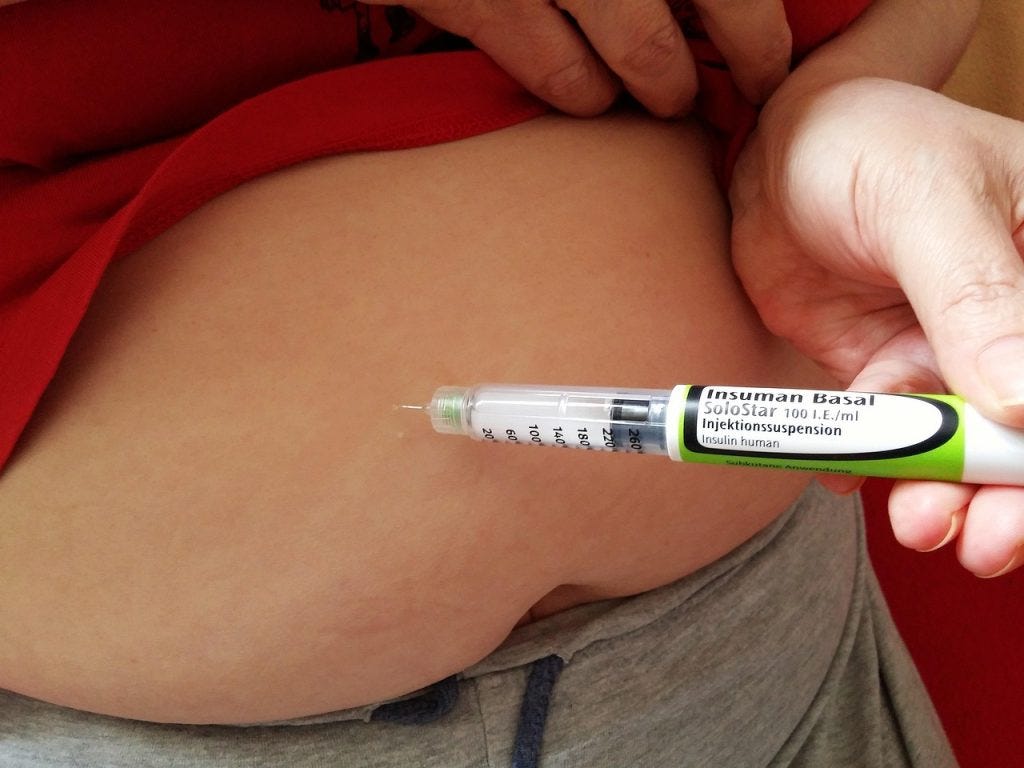
In my two decades of clinical practice — whether I am consulting with families in Iloilo or working with the vibrant international community in Alicante, Spain — I have seen the daily, silent toll that insulin therapy takes on the human spirit. For the approximately 75 million people worldwide who must inject themselves daily, the needle is more than just a medical tool; it is a constant, nagging reminder of their condition. It represents the logistical burden of refrigeration, the social anxiety of public injections, and the ever-present, terrifying fear of hypoglycemia (dangerously low blood sugar).
But as of March 24, 2026, we are standing on the precipice of a metabolic revolution. Research first published in Nature Nanotechnology by scientists at UiT The Arctic University of Norway and the University of Sydney has paved the way for a “smart” oral insulin. With human trials officially having launched in 2025, the dream of taking insulin via a simple capsule — or even a piece of sugar-free chocolate — is no longer science fiction; it is a clinical reality in the making.
This discovery marks a fundamental shift from “brute force” medicine to “physiological mimicry.” As your health collaborator, let’s explore how this nanotechnology is redefining Systemic Resilience and why the needle may soon become a relic of medical history.
1. The Nano-Tech Revolution: Solving the Century-Old Insulin Delivery Problem
For over a hundred years, the “Holy Grail” of diabetes research has been an insulin pill. The problem, however, has always been the brutal environment of the human digestive tract. Insulin is a protein; the moment it hits the stomach, acid and digestive enzymes break it down into useless amino acids before it can ever reach the bloodstream.
The 1/10,000th Micron Shield
The researchers at UiT and the University of Sydney solved this “digestive wall” using advanced nanotechnology. They developed tiny nano-carriers — particles so small they are 1/10,000th the width of a human hair. You cannot even see them under a standard laboratory microscope.
The Acid-Resistant Coating
These nano-carriers act as a high-tech “suit of armor” for the insulin molecule. The coating is specifically engineered to survive the journey through the stomach’s hydrochloric acid (HCl) and the protein-destroying enzymes of the small intestine. It remains sealed and protective until it reaches its specific destination: the liver.
Enhanced Bioavailability
By protecting the insulin from being “digested,” this technology increases the bioavailability of the drug. In previous attempts at oral insulin, almost 99% of the medicine was destroyed before absorption. This nano-formulation ensures that the medicine reaches the portal vein intact, ready to perform its metabolic duties.
2. Mimicking the Pancreas: The Liver-Targeted Advantage
One of the greatest flaws of injectable insulin is that it is biologically “unnatural.” In a healthy person, the pancreas releases insulin directly into the portal vein, which takes it straight to the liver. The liver absorbs about 50% of that insulin immediately, using it to manage glucose production before the rest enters general circulation.
The Problem with Subcutaneous Injections
When you inject insulin under the skin with a syringe or a pump, it enters the small blood vessels in the fat and muscle first. This means the insulin is spread throughout the entire body before it ever reaches the liver.
Avoiding “Metabolic Spillage”
Because injectable insulin hits the muscles and fat tissues first, it can lead to:
- Unwanted Weight Gain: High levels of insulin in the fat tissues signal the body to store more energy.
- Fat Accumulation in the Liver: Ironically, the lack of targeted liver delivery can disrupt the liver’s own fat metabolism.
- Systemic Side Effects: Over-exposure of peripheral tissues to insulin can cause long-term cellular stress.
The Liver-First Delivery
The oral nano-carrier stays intact until it enters the liver. This mimics the body’s natural rhythm far better than an under-the-skin injection ever could. As a liver biologist, Professor Peter McCourt at UiT emphasizes that the liver is the “natural engine” for insulin. By delivering it there first, we are restoring the body’s original metabolic hierarchy.
3. The “Smart” Enzymatic Switch: A New Level of Hypoglycemia Protection
The most dangerous aspect of traditional insulin therapy is its lack of “situational awareness.” Once you inject insulin, it is “live” in your system. If you skip a meal or exercise more than planned, that insulin will continue to lower your blood sugar until you hit a dangerous “low.”
The Glucose-Responsive Coating
The coating of this new oral insulin is truly revolutionary because it is glucose-responsive. The nano-carrier is designed to be broken down only by specific enzymes in the liver that become active when blood glucose (C6H12O6) levels are high.
The “Locked” State
When your blood sugar is low or normal, the enzymes in the liver are relatively quiet. The nano-carrier remains sealed, and the insulin stays “locked” inside. It circulates or waits in the liver without acting on the blood. This effectively prevents hypoglycemia, which can cause dizziness, seizures, or even loss of consciousness.
The “Release” State
As soon as your blood sugar spikes after a meal, the liver’s enzymatic activity increases. These enzymes “chew” through the nano-carrier coating, releasing the insulin exactly when and where it is needed most. This results in a rapid release of insulin to remove sugar from the blood, which is then re-sealed once the sugar levels normalize.
4. The Preclinical Success: From Baboons to “Smart” Chocolate
Before a medicine can change human lives, it must prove its worth in the complex biological systems of our animal relatives. This oral insulin has undergone rigorous testing, moving from nematodes to mice, and finally to baboons in the National Baboon Colony in Australia.
The Baboon Trials
The study involved 20 healthy baboons. To make the medicine palatable and easy to administer, the researchers incorporated it into sugar-free chocolate. The results were definitive and highly promising for human application:
- Effective Glucose Control: When the baboons “ate” the insulin-chocolate, their blood sugar was lowered effectively and safely.
- Absent Hypoglycemia: Even in healthy baboons (who don’t have diabetes), the insulin did not cause dangerous sugar crashes because the enzymatic switch kept the insulin “locked” when sugar was already normal.
- Weight Neutrality: Unlike injectable insulin, which often causes weight gain in animal models, the baboons remained weight-stable throughout the study.
Overcoming Previous Oral Failures
The baboon trial was a critical milestone because non-human primates have a digestive system very similar to ours. Previous oral insulin attempts that worked in rats often failed in primates. The success in baboons gave the team the “green light” to move into human trials.
5. From Bench to Bedside: The 2025–2026 Human Trial Roadmap
As we move through 2026, the focus has shifted entirely to the human trials led by the spin-out company Endo Axiom Pty Ltd. The medical community is watching these results with bated breath.
Phase I: Safety and Hypoglycemia Audit (2025–2026)
The Phase I trials, which began in 2025, are investigating the safety of oral insulin in both healthy volunteers and Type 1 diabetic patients.
- The Primary Goal: To reproduce the “absent hypoglycemia” results seen in baboons.
- Strict Quality Control: These trials are being carried out under the highest clinical standards to ensure that the nano-carriers don’t have any long-term effects on liver function.
Phase II and Beyond: Replacing the Needle
Following a successful Phase I, Phase II trials will investigate how this oral delivery can replace daily injections. The researchers hope that the new medicine can be ready for general use by 2027 or 2028.
- Discreet Management: Patients would no longer need to carry needles or find a private place to inject.
- No Refrigeration: One of the secondary benefits of the nano-encapsulation is that this form of insulin does not require constant refrigeration, making it a game-changer for patients in tropical climates like the Philippines or for those who travel frequently.
6. Dr. Marie’s 2026 Protocol: Optimizing Your Metabolism for a Needle-Free Future
While we wait for oral insulin to become commercially available in Alicante and Manila, we must focus on the factors that make your body more receptive to any insulin therapy. My “Full Circle” Approach emphasizes that medication is most effective when the “internal environment” is optimized.
Maintaining Gut-Liver Integrity
Since the new insulin relies on gut absorption and liver processing, the health of these two systems is paramount.
- The Gut Barrier: A healthy gut microbiome ensures that the nano-carriers can be absorbed efficiently into the portal vein. I recommend a diet rich in fermented foods and prebiotic fibers.
- Liver Resilience: The “enzymatic switch” depends on a healthy liver. Reducing inflammatory fats and ultra-processed fructose (the primary driver of fatty liver) is essential to keep those liver enzymes functioning at peak sensitivity.
The Role of Sarcopenia and Muscle Health
As a Geriatric Rehab specialist, I always remind my patients that muscle is a metabolic sink.
- Insulin Sensitivity: The more lean muscle mass you have, the more “targets” there are for insulin to deposit glucose.
- The “Newcastle Burst”: Incorporating short, high-intensity exercise bursts helps “empty the tank” of glucose in your muscles, making even low doses of insulin (oral or injectable) much more effective.
Vascular Shielding
We must protect the vessels from the “Silent Thief” of neuropathy. Even with oral insulin, maintaining a blood pressure strictly under 130/80 ensures that the nutrients and hormones in your blood can reach your nerves and extremities without resistance.
How I Can Help You (Dr. Marie’s Clinical Services)
Transitioning to new medical technologies requires a personalized, evidence-based approach that combines internal medicine with specialized geriatric care.
Online Medical Consultations (Philippines & Global)
Distance should never be a barrier to metabolic excellence. I offer secure 24/7 consultations for the Filipino community and OFWs globally.
- Metabolic Mapping: We review your HbA1c, fasting glucose, and CRP to ensure your “internal plumbing” is ready for future therapies.
- Chronic Disease Strategy: Moving you from a “reactive” to a “proactive” state of health management.
**BOOK YOUR CONSULTATION ON SERIOUSMD**
Geriatric Rehab & Anti-Aging Clinic (Alicante & Costa Blanca, Spain)
For the international community in Spain, we offer hands-on protocols to keep your body resilient and strong during the aging process.
- **Sarcopenia y Vitalidad:** Medically-supervised strength programs to maximize your insulin sensitivity.
- Autonomía y Confort: Managing the systemic inflammation that often accompanies diabetes and aging.
- Learn more at: Puente Costa Blanca | puentecostablanca.es
Final Thoughts from Dr. Marie
The prospect of “Smart Insulin” delivered through a piece of chocolate is more than just a medical convenience; it is a restoration of dignity. It represents a future where a diagnosis of diabetes does not mean a lifetime of “stabbing yourself” or living in constant fear of a sudden sugar crash.
By mimicking the way the body was designed to work — delivering insulin directly to the liver only when the blood sugar demands it — we are finally learning to speak the body’s natural language. Until the first capsules are ready, let’s work together to keep your metabolic symphony in perfect harmony.
Dr. Marie Gabrielle A. Laguna, MSc, M.D., FPCP, FDip (Geriatric Rehab, UK) Internal Medicine & Senior Health Specialist
메타데이터
- post_id
- 08a268e03011
- slug
- the-end-of-the-injection-era-how-oral-smart-insulin-is-redefining-diabetes-care-in-2026-08a268e03011
- url
- https://medium.com/@fusianpharma/the-end-of-the-injection-era-how-oral-smart-insulin-is-redefining-diabetes-care-in-2026-08a268e03011
- canonical_url
- https://medium.com/@fusianpharma/the-end-of-the-injection-era-how-oral-smart-insulin-is-redefining-diabetes-care-in-2026-08a268e03011
- author_url
- https://medium.com/@fusianpharma
- status
- ok
- fetched_at
- 2026-06-21 12:17:11