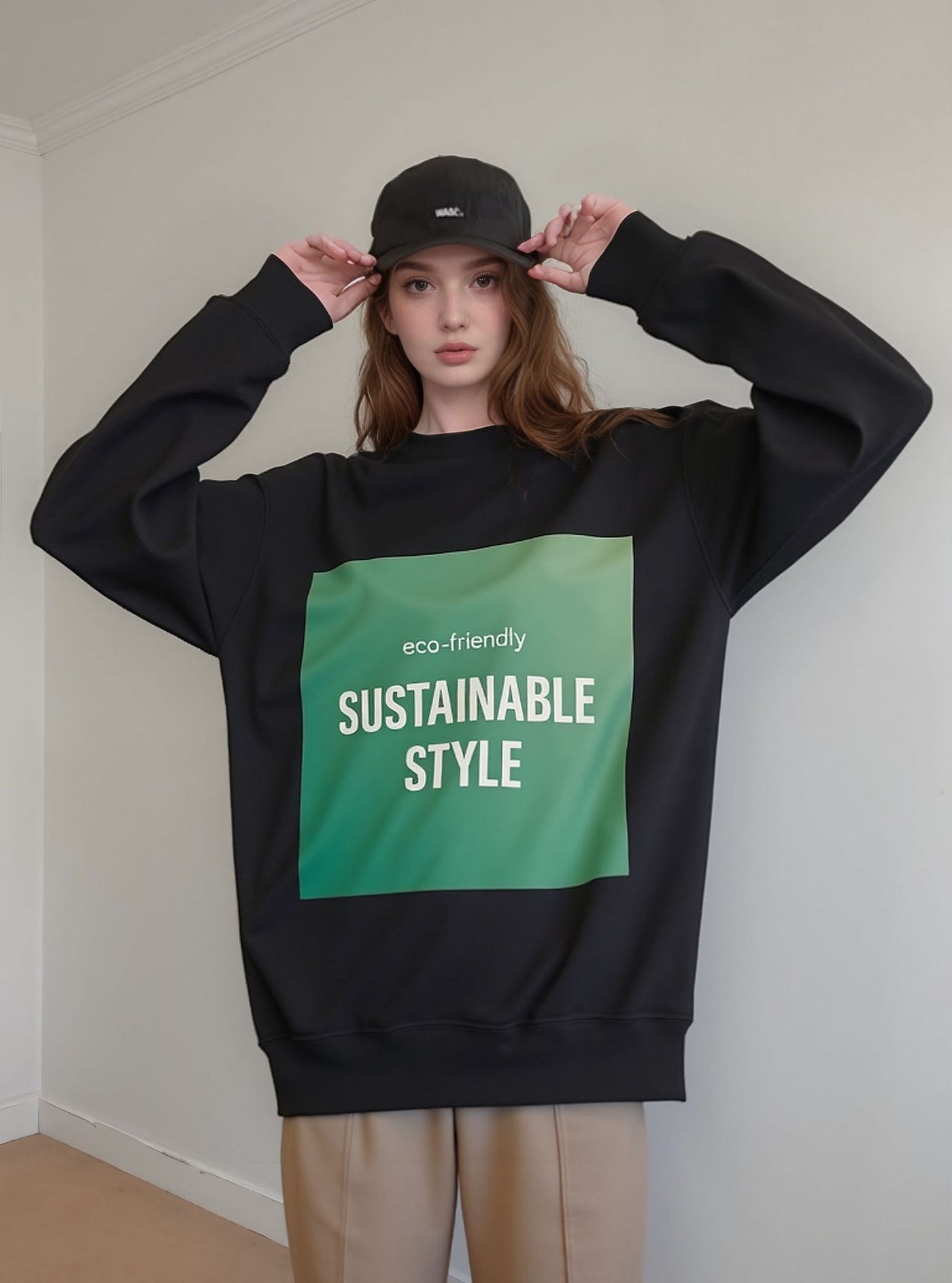
The Importance of Eco-Friendly Clothing in Today’s Fashion
Table of Contents
The Importance of Eco-Friendly Clothing in Today’s Fashion
Table of Contents
**Understanding Eco-Friendly Clothing**
**The Environmental Impact of the Fashion Industry**
- Why Eco-Friendly Clothing Matter
- **Conservation of Natural Resources**
- **Supporting Ethical Labor Practices**
- **Lowering Textile Waste**
- **Educating Consumers**
How to Make the Switch to Sustainable Fashion
- **The Future of Eco-Friendly Clothing**
- Innovations in Sustainable Fashion
- **Join the Movement for Sustainable Fashion**
- Embrace the Eco-Friendly Revolution!
Frequently Asked Questions
1. What is eco-friendly clothing?
Eco-friendly clothing, also known as sustainable fashion, includes garments made from organic, recycled, or renewable materials that prioritize ethical production practices and minimize environmental impact.
2. Why is eco-friendly clothing important?
Eco-friendly clothing is important because it helps reduce carbon footprints, conserves natural resources, supports ethical labor practices, lowers textile waste, and educates consumers about sustainable choices.
3. What are some materials used in eco-friendly clothing?
Materials such as organic cotton, hemp, and bamboo are commonly used in eco-friendly clothing because they require less water and pesticides during production.
4. How can consumers make the switch to sustainable fashion?
Consumers can make the switch by researching brands with sustainable practices, choosing quality over quantity, considering second-hand shopping, and supporting local businesses.
5. What innovations are shaping the future of eco-friendly clothing?
Innovations such as biodegradable fabrics, recycling and upcycling practices, and technology integration for optimizing supply chains are shaping the future of eco-friendly clothing.
The fashion industry is undergoing a profound transformation, as more consumers are becoming aware of the impact their clothing choices have on the environment. Eco-friendly clothing is no longer just a trend; it is a necessity. In this article, we will explore the significance of eco-friendly clothing in today’s fashion industry, its benefits, and how it can help shape a sustainable future.
Understanding Eco-Friendly Clothing
Eco-friendly clothing, also known as sustainable fashion, encompasses garments that are made from organic, recycled, or renewable materials, without harmful chemicals or processes. This type of clothing emphasizes ethical production practices that minimize environmental impact while providing quality and style.
The Key Components of Eco-Friendly Clothing
- Materials: Sustainable fashion uses organic cotton, hemp, bamboo, and other materials that require less water and pesticides in their production.
- Production Practices: Eco-friendly clothing often involves fair labor practices, ensuring that workers are treated ethically and compensated properly.
- Waste Reduction: Brands focused on sustainability aim to reduce waste through innovative designs that encourage reusability and recycling.
- Carbon Footprint: Sustainable clothing production processes emphasize lower carbon emissions, contributing to a healthier planet.
The Environmental Impact of the Fashion Industry
According to various studies, the fashion industry is responsible for a significant amount of pollution and waste. Here are a few alarming statistics that highlight the industry’s impact:
- It is estimated that the fashion industry contributes to 10% of global carbon emissions.
- Over 92 million tons of waste are created by the fashion industry each year.
- Approximately 20% of freshwater pollution worldwide comes from textile treatment and dyeing.
Why Eco-Friendly Clothing Matters
Adopting eco-friendly clothing is crucial for several reasons:
1. Reducing Carbon Footprint
Switching to eco-friendly clothing directly contributes to reducing the carbon footprint of the fashion industry. By choosing materials and production processes that prioritize sustainability, consumers can help combat climate change and its adverse effects.
2. Conservation of Natural Resources
Conventional clothing production often depletes natural resources, including water and fertile soil. Eco-friendly fashion focuses on renewable materials and processes that require fewer resources, promoting conservation and sustainability.
3. Supporting Ethical Labor Practices
Many eco-friendly brands prioritize fair labor practices, ensuring that workers are treated with dignity and respect. This not only helps improve the quality of life for garment workers but also promotes a more ethical and transparent fashion industry.
4. Lowering Textile Waste
Fast fashion is notorious for its high level of waste, as garments quickly go out of style and are discarded. Eco-friendly clothing promotes longevity and encourages consumers to invest in quality pieces that can be worn over time, leading to less textile waste.
5. Educating Consumers
Sustainable fashion encourages consumers to think critically about their purchasing decisions. By educating individuals on the implications of their choices, the fashion industry can foster a more conscious consumer culture.
How to Make the Switch to Sustainable Fashion
Making the transition to eco-friendly clothing doesn’t have to be daunting. Here are some simple steps you can take:
- Research Brands: Look for brands that prioritize sustainable practices and have transparent supply chains.
- Choose Quality Over Quantity: Invest in high-quality pieces that will last longer instead of buying into fast fashion trends.
- Mind Your Consumption: Consider second-hand shopping or swapping clothes with friends to reduce your environmental impact.
- Support Local Businesses: Buy from local brands that practice sustainability, reducing the carbon footprint associated with shipping.
The Future of Eco-Friendly Clothing
As awareness of environmental issues continues to grow, the shift towards eco-friendly clothing is expected to evolve rapidly. The future of fashion lies in innovation, where technology and sustainable practices intertwine to create garments that are both stylish and environmentally responsible.
Innovations in Sustainable Fashion
The fashion industry is constantly evolving, and recent innovations are leading the way toward a greener future:
- Biodegradable Fabrics: New fabric technologies are being developed that break down naturally, reducing waste in landfills.
- Recycling and Upcycling: Brands are increasingly adopting recycling and upcycling practices to give new life to old garments.
- Technology Integration: Advances in technology can help monitor and optimize supply chains for sustainability.
Join the Movement for Sustainable Fashion
Consumers hold significant power in shaping the future of the fashion industry. By prioritizing eco-friendly clothing, individuals can contribute to a positive change that benefits the environment, society, and the economy. It’s time to make informed choices, support sustainable brands, and challenge the norms of traditional fashion.
Embrace the Eco-Friendly Revolution!
The importance of eco-friendly clothing in today’s fashion industry cannot be overstated. Making conscious choices in your wardrobe not only promotes sustainability but also supports ethical labor practices and the health of our planet. By embracing the eco-friendly revolution, you can help set the trend for a greener, more sustainable future. Together, we can redefine the fashion industry and make a meaningful impact on our world!

SUSTY STYLE
메타데이터
- post_id
- 08aa1904a888
- slug
- the-importance-of-eco-friendly-clothing-in-todays-fashion-08aa1904a888
- url
- https://medium.com/@team_25138/the-importance-of-eco-friendly-clothing-in-todays-fashion-08aa1904a888
- canonical_url
- https://medium.com/@team_25138/the-importance-of-eco-friendly-clothing-in-todays-fashion-08aa1904a888
- author_url
- https://medium.com/@team_25138
- status
- ok
- fetched_at
- 2026-08-03 16:18:42