I Launched a Web App Without a QA Team — Here’s How I Didn’t Break It (Too Often)
The first time a user emailed me:
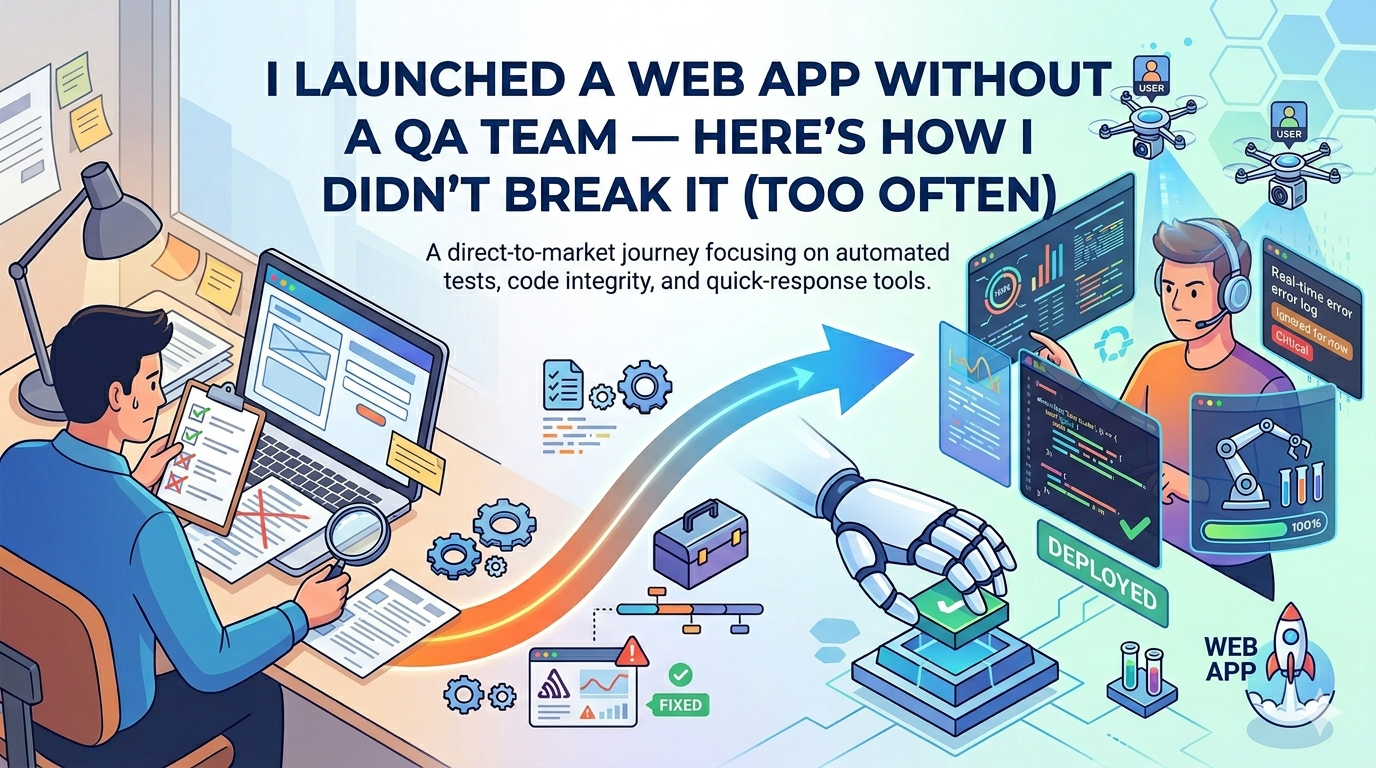
I Launched a Web App Without a QA Team — Here’s How I Didn’t Break It (Too Often)
The first time a user emailed me:
“Hey, I can’t sign up.”
…I felt that very specific kind of panic only founders know.
You don’t get a stack trace. You don’t get logs. You get a confused user… and the sinking realization that something basic is broken.
In my case, it was the signup flow. The one thing that absolutely had to work.
The Problem Nobody Talks About
When you’re building a product without a QA team, testing becomes… vague.
You tell yourself:
- “I tested it yesterday.”
- “It worked on my machine.”
- “It should be fine.”
But “should be fine” is not a strategy.
And hiring QA early? Not always realistic.
So you end up in this uncomfortable middle ground:
- too early for a full testing process
- too serious to ship blindly
That’s where I was.
What Actually Broke (And Why)
The signup bug wasn’t complicated. A small UI change broke a selector. The button still looked clickable. But nothing happened. And here’s the part that stings:
👉 I did test the app before releasing.
Just not… systematically.
I clicked around randomly:
- opened a few pages
- tried a login
- maybe refreshed once
But I didn’t follow a consistent flow. So I missed it.
The Shift: From “Clicking Around” to Real Testing
That moment forced a change. I stopped asking:
“Did I test this?”
And started asking:
“Did I test the important flows, step by step?”
That’s when things got clearer. Because most apps — including mine — only have a handful of flows that truly matter:
- Signup
- Login
- Core action (creating something, sending something, etc.)
- Payment (if applicable)
If those work, your app survives. If they don’t, nothing else matters.
Step 1: I Wrote Down the Flows (Nothing Fancy)
I didn’t open a QA tool. I didn’t write test cases. I opened a note and wrote:
Signup flow:
- Open homepage
- Click “Sign up”
- Enter email + password
- Submit
- Land on dashboard
That’s it. No jargon. No complexity. Just something I could repeat every time.
Step 2: I Stopped Repeating Myself
After a few releases, I noticed something:
I was doing the same test over and over again.
Same clicks. Same inputs. Same flows.
And I still managed to miss things. So I tried something different.
I recorded the flow once using a tool called **E2Easy**.
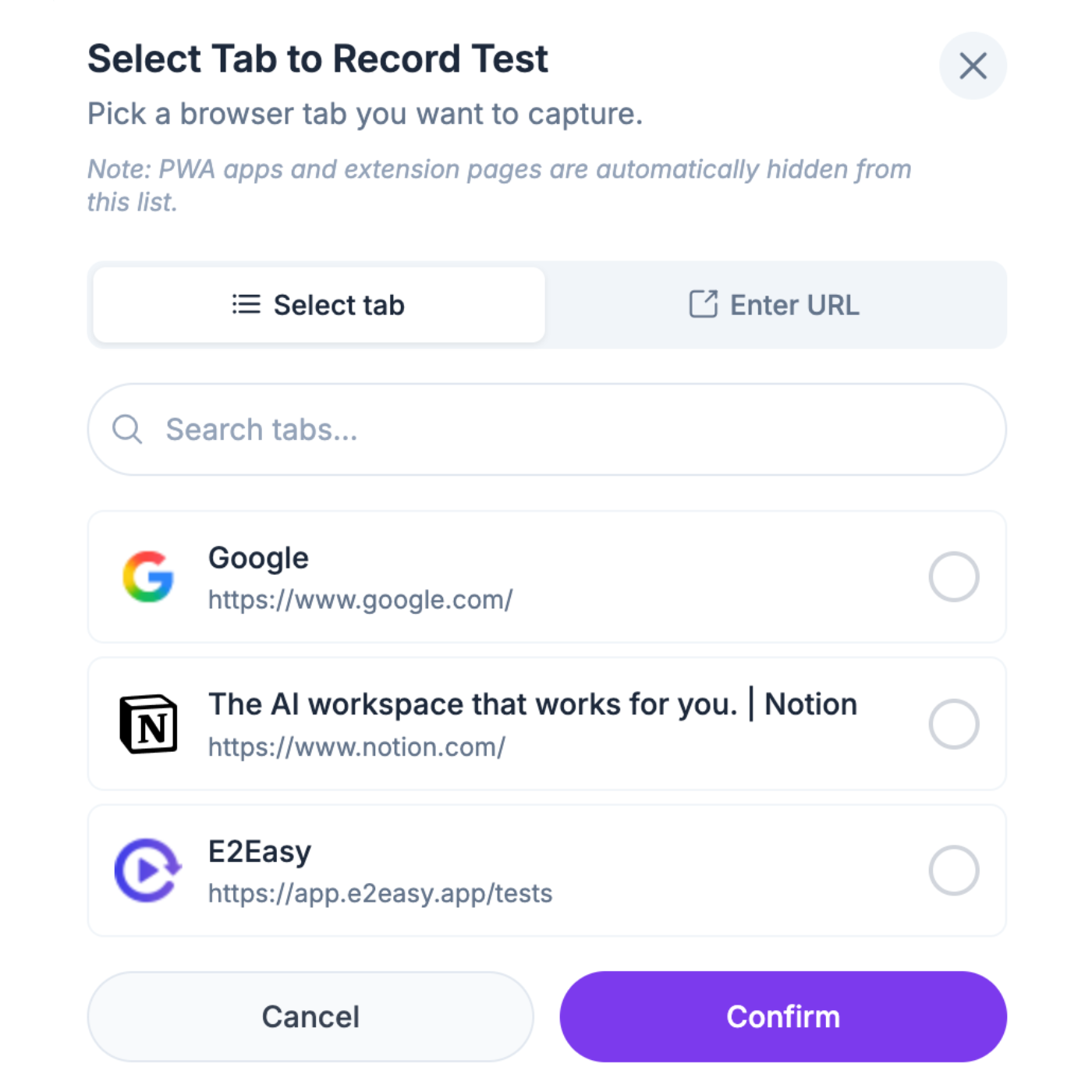
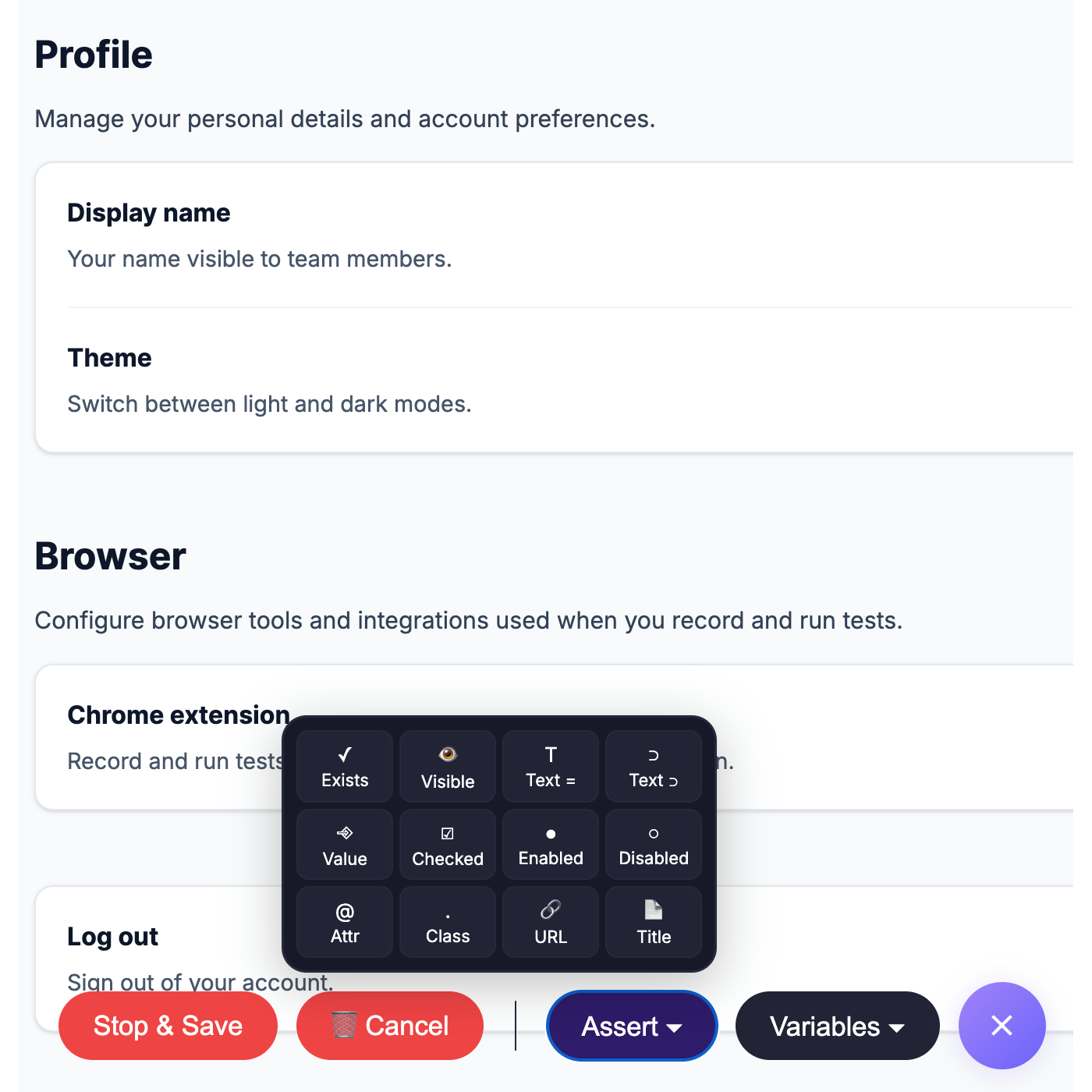
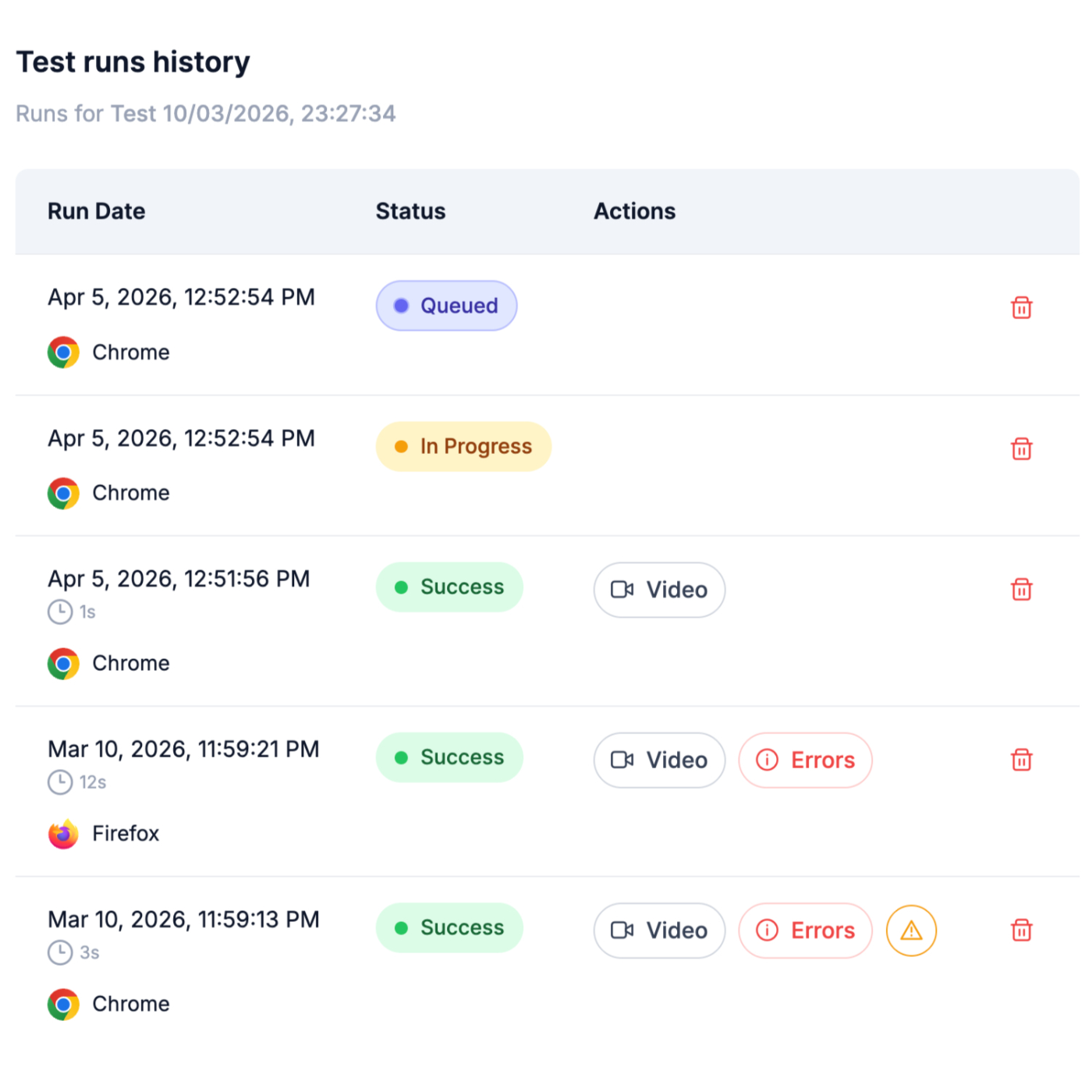
Test Recording flow in the E2Easy
It captured:
- every click
- every input
- every navigation step
Now instead of manually repeating everything, I could just… replay it.
It felt almost too simple (check the demo here).
Step 3: Before Every Release, I Hit “Replay”
This became my new ritual… Before deploying anything:
- run the recorded flows
- watch what happens
- fix what breaks
No guesswork. No “I think it works.” Just: “I saw it work 10 seconds ago.”
And when something failed, it was obvious:
- where it broke
- which step caused it
- what changed
Step 4: I Started Thinking Like a User
At first, I was just replaying actions. Click. Type. Submit. But then I realized:
Testing isn’t just doing things — it’s checking results.
So I added simple mental checks:
- Did I land on the right page?
- Did I see a success message?
- Did the data actually save?
Nothing technical. Just:
“Would a real user feel confident this worked?”
Step 5: I Organized It (So It Didn’t Become a Mess)
At some point, I had more than a few tests. So I grouped them:
- Auth (Signup, Login)
- Core (Create item, Edit item)
- Payments (Checkout)
This sounds trivial. But when you’re about to release something quickly, clarity matters. You don’t want to think:
“Wait… did I test that already?”
What Changed After That
I didn’t suddenly eliminate all bugs. But a few important things did change:
- I stopped breaking critical flows
- I caught issues before users did
- I felt less anxious before deploying
And maybe most importantly:
👉 Testing stopped feeling like a chore. It became a 2–5 minute habit.
The Mistakes I Still See (And Sometimes Make)
Let me save you some time.
1. Testing everything
You don’t need to test every pixel. Focus on what matters.
2. Testing once and forgetting
Your app changes. Your tests should too.
3. Overcomplicating the process
If it feels heavy, you’ll skip it. Keep it light.
4. Trusting memory
“I think I tested that” is how bugs slip through.
If I Had to Start Over
I wouldn’t wait for bugs to force me into better testing. I’d do this from day one:
- Write down 5–10 critical flows
- Record them once
- Replay before every release
That’s it.
No QA team. No complex setup.
Just a simple system that works.
Final Thought
You don’t need a full QA process to build a reliable product.
You need:
- a bit of structure
- a repeatable habit
- and a way to avoid doing the same work twice
That’s what changed things for me. And honestly?
I wish I had done it before that “I can’t sign up” email.
If you’re in that early stage — shipping fast, wearing multiple hats — start small.
Test what matters.
Make it repeatable.
And give yourself one less thing to worry about before hitting “Deploy.”
P.S. If you are looking for a tool for a quick start with that — look at the e2easy.app.
메타데이터
- post_id
- 08b5ec5c0411
- slug
- i-launched-a-web-app-without-a-qa-team-heres-how-i-didn-t-break-it-too-often-08b5ec5c0411
- url
- https://medium.com/@e2easy/i-launched-a-web-app-without-a-qa-team-heres-how-i-didn-t-break-it-too-often-08b5ec5c0411
- canonical_url
- https://medium.com/@e2easy/i-launched-a-web-app-without-a-qa-team-heres-how-i-didn-t-break-it-too-often-08b5ec5c0411
- author_url
- https://medium.com/@e2easy
- status
- ok
- fetched_at
- 2026-07-11 02:29:25