Golf Grips Guide: Types, Sizes, Maintenance, and Techniques to Improve Your Game
Golf may seem like a game of precision, where every detail counts, but one factor that can significantly improve your swing, accuracy, and…
Golf Grips Guide: Types, Sizes, Maintenance, and Techniques to Improve Your Game
Golf may seem like a game of precision, where every detail counts, but one factor that can significantly improve your swing, accuracy, and overall performance is ***golf grips***. Whether you’re a beginner or an experienced golfer, understanding how to choose, maintain, and use the right grip is essential for consistent results on the course.
What are golf grips, and why are they important for your game?
Golf grips are the part of the club that connects your hands to the shaft, allowing you to control every aspect of your swing. A well-chosen grip enhances comfort, reduces fatigue, and ensures better club control. Poor grips, on the other hand, can lead to inconsistent shots, slipping hands, and even blisters.
Key benefits of good golf grips:
- Improved control over club face alignment
- Enhanced comfort during long rounds
- Reduced risk of hand fatigue and injuries
- Better feel and feedback from each shot
What is a golf grip, and how does it work?
A golf grip is typically made from rubber, synthetic compounds, or leather. It is installed over the shaft and provides the friction and tactile feedback needed for a stable hold. The grip works by transferring your hand’s energy efficiently to the club while maintaining consistent contact throughout the swing.
- Rubber grips: Durable, tacky, and ideal for all weather
- Leather grips: Softer feel, preferred by traditionalists
- Corded grips: Add extra traction in wet or humid conditions
Why does grip size matter in golf?
Grip size affects how comfortably you can hold the club and how naturally you can release the club during a swing. Choosing the wrong size can cause tension, reducing accuracy and swing speed.
- Small grips: Reduce tension but may encourage hand over-rotation
- Standard grips: Balanced size for most golfers
- Oversize grips: Help reduce hand action and improve control for those with larger hands
How do different grip textures affect performance?
The texture of your grip can influence traction, comfort, and control.
- Smooth grips: Better feel but less traction in wet conditions
- Tacky grips: Provide strong hold, ideal for humid or rainy weather
- Corded grips: Excellent for wet conditions or players who generate a lot of swing speed
How do I know which golf grip is best for me?
Selecting the right grip depends on hand size, swing style, and personal preference.
Tips for choosing the right grip:
- Measure your hand to match grip size
- Consider playing conditions (wet, dry, hot, cold)
- Test different textures to find what feels comfortable
- Consider your swing speed: faster swings may benefit from firmer grips
What is the difference between standard, midsize, and oversize grips?
- Standard grips: The most common option, suitable for most players
- Midsize grips: Slightly larger, reducing hand strain and tension
- Oversize grips (jumbo): Help players with arthritis or large hands maintain control
Choosing the right size improves comfort, reduces tension, and increases accuracy.
How does weather influence the choice of a golf grip?
Weather plays a key role in grip performance.
- Rain or high humidity: Corded or tacky grips prevent slipping
- Hot or dry conditions: Smooth grips may feel more comfortable
- Cold conditions: Larger grips reduce tension in hands and fingers
How do I properly install a golf grip on my club?
Installing a golf grip requires proper tools and techniques to ensure safety and performance.
Step-by-step guide:
- Remove the old grip using a utility knife
- Clean the shaft and remove leftover tape or residue
- Apply double-sided grip tape or solvent
- Slide the new grip onto the shaft, aligning it correctly
- Let the grip set and dry if solvent is used
Golf Grips Guide: Types, Sizes, Maintenance, and Techniques to Improve Your Game
What is the best way to clean and maintain golf grips?
Regular maintenance ensures grips stay tacky and comfortable.
Cleaning tips:
- Use warm water and mild soap
- Scrub gently with a soft brush
- Rinse thoroughly and dry with a towel
- Avoid harsh chemicals that can damage the material
Maintenance tips:
- Store clubs in a dry area
- Rotate grips occasionally to ensure even wear
- Avoid leaving clubs in a hot car for extended periods
How often should golf grips be replaced?
Grips naturally wear out over time, losing traction and performance.
Signs it’s time to replace:
- Slippery or shiny surface
- Visible cracks or splits
- Reduced control during swings
- More than 18 months of regular use
How do golf grips affect your swing and accuracy?
Proper grips allow for better control of the club face, influencing accuracy and distance.
- Correct grip pressure prevents tension in hands and arms
- Right grip size ensures proper hand rotation and release
- Textured grips help maintain consistent contact, improving shot predictability
What grip techniques do professional golfers use?
Professional golfers use various grip styles to match their swing and comfort:
- Vardon (overlapping) grip: Popular among right-handed golfers for control
- Interlocking grip: Common among players with smaller hands
- 10-finger (baseball) grip: Provides maximum leverage and power
Choosing a grip style can influence trajectory, spin, and accuracy.
Can changing your grip improve your performance?
Yes! Adjusting grip size, style, or pressure can help:
- Correct a slice or hook
- Reduce tension and improve swing speed
- Prevent blisters and hand fatigue
- Increase consistency and accuracy
Small adjustments often lead to significant performance gains.
Why do my hands slip on the grip during a game?
Slipping hands are usually caused by moisture, worn grips, or improper grip pressure.
Solutions:
- Use tacky or corded grips for better hold
- Apply grip-enhancing powder or towel during play
- Replace worn grips regularly
- Adjust grip pressure to avoid excessive sweating
How can I avoid blisters and discomfort from my golf grips?
Blisters often result from friction and incorrect technique.
Tips to prevent blisters:
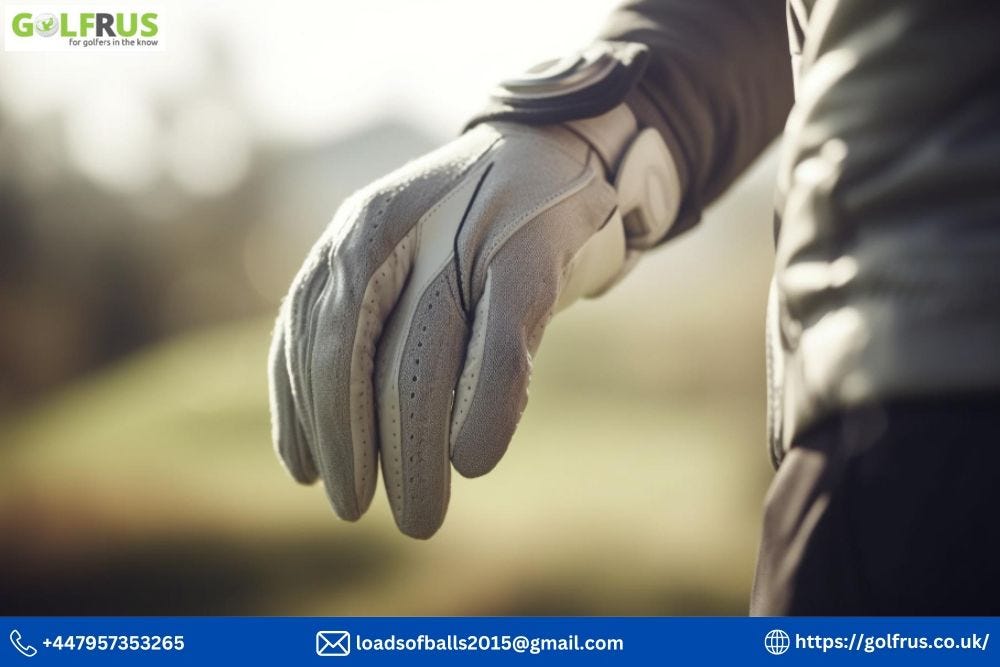
- Wear golf gloves for extra protection
- Keep grips clean and tacky
- Adjust hand placement to reduce friction
- Avoid excessive grip pressure
What mistakes should beginners avoid when using golf grips?
Common beginner mistakes include:
- Holding the club too tightly
- Using the wrong grip size
- Ignoring weather conditions
- Not replacing worn grips
- Incorrect hand placement or grip style
Avoiding these mistakes improves comfort, accuracy, and long-term performance.
Why investing time in choosing and maintaining the right golf grip pays off
A high-quality grip, properly chosen and maintained, enhances every aspect of your game:
- Better control and consistency
- Reduced fatigue and risk of injury
- Improved comfort and confidence
- Long-term savings by extending club life
What are the key takeaways about golf grips?
- Grip size matters: Match it to your hand size and swing style
- Grip texture impacts control: Choose smooth, tacky, or corded based on conditions
- Maintenance is key: Clean, rotate, and replace grips regularly
- Grip style affects performance: Learn the Vardon, interlocking, or 10-finger grips
- Small adjustments help: Changing grip pressure or style can improve accuracy
By understanding and using the right golf grips, every golfer can enhance their game, hit more consistently, and enjoy better results on the course.
FAQs
1. What are golf grips and why are they important?
Golf grips are the part of the club you hold, providing control, comfort, and accuracy in every swing.
2. How do I choose the right golf grip size?
Golf grip size depends on your hand size, swing style, and comfort; correct sizing improves control and reduces tension.
3. What types of golf grips are available?
Golf grips come in rubber, leather, and corded options, each offering different traction, feel, and weather performance.
4. How often should golf grips be replaced?
Golf grips should be replaced every 12–18 months or when they show wear, reduced traction, or surface cracks.
5. Can changing my golf grip improve my game?
Changing your golf grip can improve accuracy, swing consistency, and comfort by optimizing grip size, style, and pressure.
메타데이터
- post_id
- 08be54bff578
- slug
- golf-grips-guide-types-sizes-maintenance-and-techniques-to-improve-your-game-08be54bff578
- url
- https://medium.com/@golfrus/golf-grips-guide-types-sizes-maintenance-and-techniques-to-improve-your-game-08be54bff578
- canonical_url
- https://medium.com/@golfrus/golf-grips-guide-types-sizes-maintenance-and-techniques-to-improve-your-game-08be54bff578
- author_url
- https://medium.com/@golfrus
- status
- ok
- fetched_at
- 2026-06-22 17:31:34