Why Vampires Are Perfect Subjects for Mosaic Impasto AI Art
How grotesque Nosferatu, elegant Dracula, and female vampires respond to fractured Mosaic Impasto texture — 13 vampire art images.
Why Vampires Are Perfect Subjects for Mosaic Impasto AI Art
How grotesque Nosferatu, elegant Dracula, and female vampires respond to fractured Mosaic Impasto texture — lessons from 13 vampire AI art images
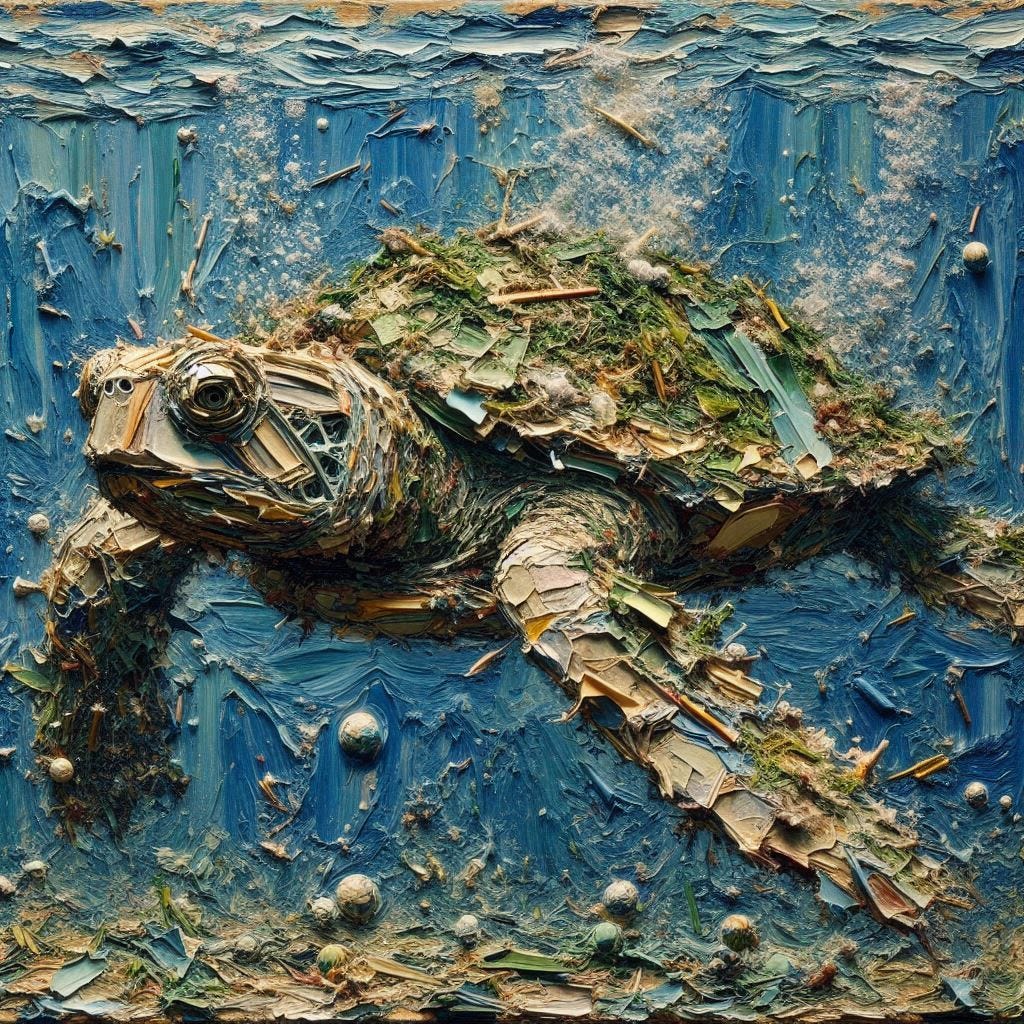
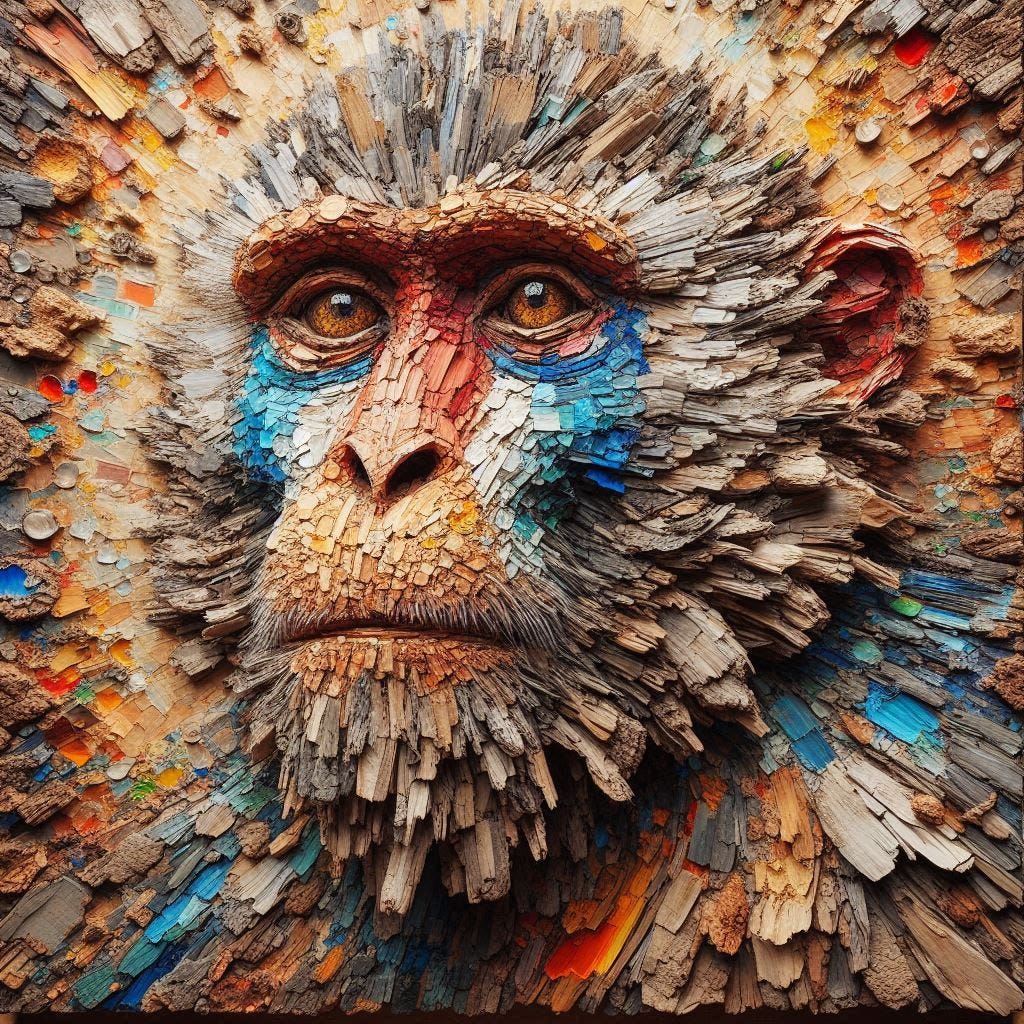
While experimenting with the Mosaic Impasto style I developed in an earlier article, ***Creating Tile-Like Painterly Texture with AI*, I started to wonder: could undead vampires actually be ideal subjects for this heavy, broken, tile-like AI art texture?**
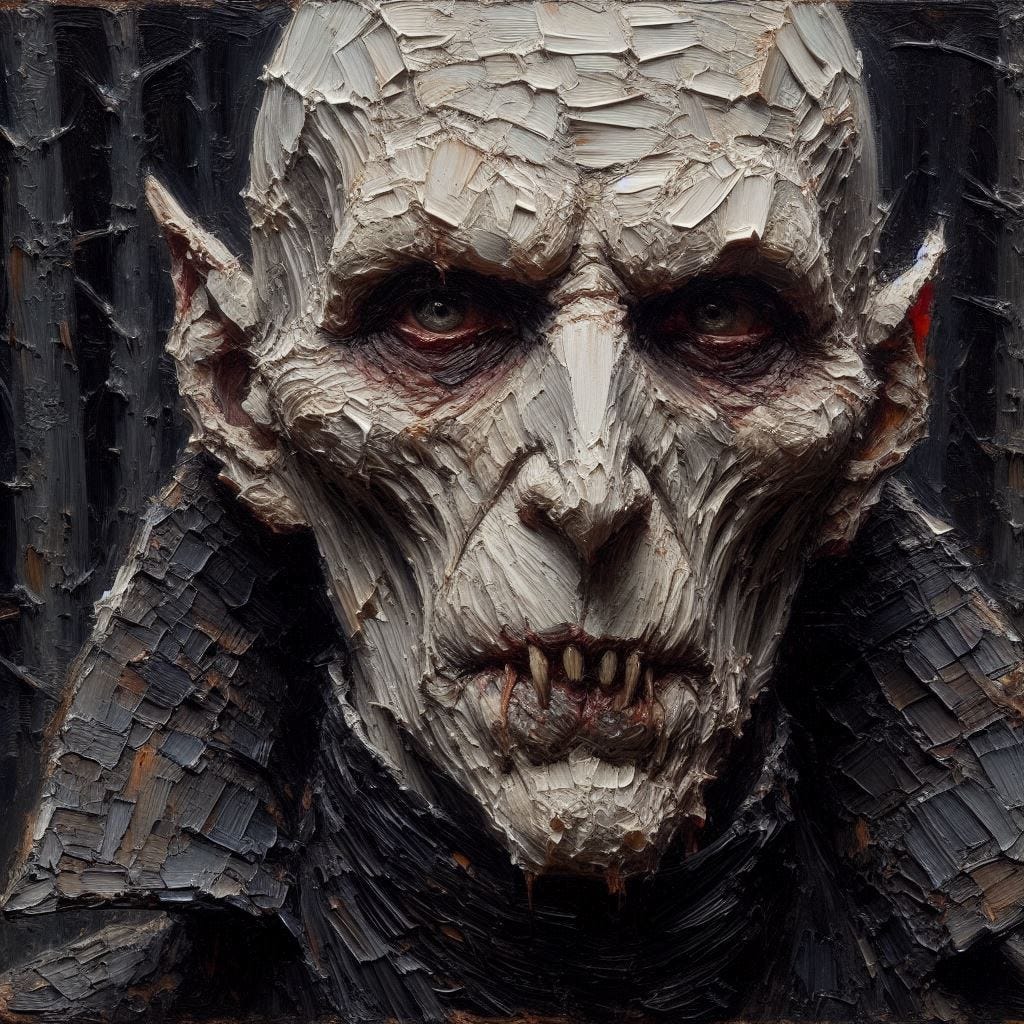
This striking Mosaic Impasto vampire opens the collection with raw gothic intensity. Thick, cracked brushstrokes create a sculptural, almost living surface that brings the ancient predator to life in visceral detail. AI Art.
I suspected they might work well. After all, these figures are defined by decay, ancient permanence, and a haunting blend of beauty and horror. But would the fractured, sculptural surface enhance them… or fight against them?
To test this, I generated a large set of vampire AI art portraits and curated 13 standout pieces. The results exceeded my expectations.
What emerged was not just compatibility, but a strong visual synergy between vampire anatomy and fractured impasto surfaces.
Types of Vampires: From Grotesque to Romantic
To understand which vampire archetypes respond best to this Mosaic Impasto painting style, I tested a range of forms. Here’s how they performed, ordered from most compatible (monstrous, distorted vampire designs) to least compatible (romanticized vampire aesthetics).
1. Classic Nosferatu / Grotesque Vampire Designs
The bald head, pointed ears, sunken eyes, and skeletal structure are an almost perfect match for Mosaic Impasto AI art.
Angular facial planes align naturally with fractured brushwork, producing vampire portraits that feel less like illustrations and more like ancient cursed relics or gothic artifacts.
This category consistently produced the strongest “living relic” effect in the entire series.
2. Feral / Monstrous Vampire Variants
Decayed, animalistic vampire forms also translate extremely well into this textured painting style.
Deep wrinkles, exposed teeth, torn flesh, and asymmetry merge into the broken surface, as if rotting anatomy and cracked paint were designed for each other.
The more the anatomy breaks down, the more the impasto surface feels intentional rather than decorative.


Two Mosaic Impasto vampires showcase the range of the style: an elegant dark-haired aristocrat with piercing red eyes beside a grotesque Nosferatu-inspired bald vampire. The heavy impasto technique adds rich texture and dramatic presence to both classic horror archetypes. AI-generated.
3. Aristocratic / Classic Dracula Vampire AI Art
Refined, dark-haired aristocratic vampires introduce a different kind of strength in Mosaic Impasto compositions.
The style adds weight, history, and menace, shifting polished fantasy vampire characters into something older, heavier, and more materially grounded.
4. Theatrical & Chaotic Vampire Figures
Some of the most striking vampire AI art results came from exaggerated, theatrical designs — jesters, dramatic expressions, and ornate costumes.
The fractured surfaces amplified the instability and madness of the characters.
5. Female Vampire AI Art
Results here were more uneven. In stronger cases, dramatic lighting and Mosaic Impasto texture created compelling vampire portraits.
However, many female vampire designs leaned toward symmetry, smoothness, and glamour, which often conflicted with the degraded, weathered painting surface this style favors.
Interestingly, male vampire forms tended to drift more naturally into distortion and decay, while female interpretations more often stabilized into idealized beauty. This made male designs easier to push toward a “living relic” aesthetic.
Female vampire designs often required stronger lighting and heavier surface degradation to break out of “beauty-first” rendering defaults.
6. Romantic / Seductive Vampire Archetypes
The modern “beautiful immortal vampire” archetype was the least compatible with the Mosaic Impasto aesthetic.
Smooth skin and idealized facial features resist the fractured texture language, flattening the effect rather than enhancing it.


These two powerful female vampires demonstrate the emotional depth possible with Mosaic Impasto. One weeps black tears in raw anguish while the other emerges seductively from shadow with striking green eyes — both brought to life through thick, cracked impasto brushwork. AI art.
Overcoming Darkness and Pale Skin
One of the main technical challenges in vampire AI art is balancing pale skin against dark, moody environments. Without careful prompting, images can become flat or visually muted.
Lighting control becomes the defining factor between flat portraits and sculptural vampire imagery.
What Worked Well in Mosaic Impasto Vampire Art
Strategic lighting made the biggest difference. Candlelight, moonlight, lantern glow, and golden-hour backlighting allowed pale vampire skin to catch highlights across the broken impasto surface.
Warm vs cool contrast also consistently strengthened results in textured vampire paintings — golden tones against porcelain skin created strong visual separation.
Color accents such as blood reds, glowing eyes, and deep crimson fabric helped prevent vampire AI art images from drifting into monotone greys.
The Mosaic Impasto surface itself also helps here, since raised paint planes naturally catch directional light in varied ways.
Strong directional light effectively “activates” the texture, turning flat skin into sculpted material.
What Worked Less Effectively
Scenes with no clear light source tended to flatten the impasto texture.
Overly desaturated palettes reduced depth and weakened the sense of physical presence in vampire portraits.
Busy backgrounds sometimes competed with the vampire subject instead of supporting it.
Some female vampire AI art results still resisted heavier surface degradation even under strong lighting setups.


Mosaic Impasto meets gothic world-building in this pair. A brooding vampire prowls a rain-slicked Victorian gaslit street while another with burning orange eyes lurks within ancient stone crypt arches, showcasing how the textured style enhances both character and environment. AI art.
Prompting Details for Impasto Vampire AI Art
Small prompt adjustments had a surprisingly large impact on vampire image quality.
The most important improvement came from explicitly describing how light interacts with skin and surface texture.
- “pale skin reflecting torchlight”
- “pale skin catching warm candlelight”
- “moonlight reflecting on cracked skin”
These consistently improved luminosity and helped the surface behave more like sculpted material in vampire AI art.
Additional effective phrases:
- “dramatic chiaroscuro”
- “golden hour backlighting”
- “high contrast”
- “glowing eyes”
- “vibrant accents”
Adding Variety: Preventing Repetition
One danger with a highly distinctive technique is repetition. Without variation, the series can quickly become “bald pale vampire against dark background” over and over again.
To avoid this, I varied:
- environments
- vampire archetypes
- lighting moods
- costumes
- poses
- historical periods
- compositions
Backgrounds and Settings
Log cabins, moonlit forests, candlelit hallways, foggy streets, and surreal symbolic environments all added narrative variation to vampire AI art compositions.
Each setting introduced different surface interactions — wood grain, stone, fog diffusion, reflective floors — helping the impasto texture behave differently.
Clothing and Historical Period in Vampire AI Art
Victorian collars, ancient cloaks, jester costumes, and worn coats all translated especially well into Mosaic Impasto vampire paintings.
Heavy surface texture transforms fabric into something carved or sculpted rather than simply worn.
Composition and Camera Distance
Close-up portraits consistently produced the strongest results.
At greater distances, the fractured surface tends to abstract the subject too much, weakening identity. Tight framing preserves facial structure and intensifies physical presence.
Close framing also strengthens the uncanny valley effect in vampire portraits, creating the feeling of something almost human but not quite.
The closer the camera, the more the impasto texture behaves like physical sculpture rather than digital paint.


Two commanding Mosaic Impasto vampires showcase monumental presence. A powerful bald vampire with blood-red eyes stands before ancient carved stone reliefs, paired with a menacing bald vampire dripping blood in a candlelit gothic hallway. The thick, cracked impasto texture gives both figures a sculptural, haunting intensity. AI art.
Why Vampires Work So Well With Mosaic Impasto
After reviewing the results, the conclusion became clear:
These figures are unusually compatible with Mosaic Impasto AI art and fractured textured painting styles.
1. The Geometry of Death in Vampire Art
Vampires naturally contain angular, predatory facial structures — sharp cheekbones, hollow eyes, and skeletal planes.
The fractured directional brushstrokes don’t merely paint these forms. They sculpt them.
2. Physical Manifestation of Decay
Cracked surfaces mirror aged stone, broken plaster, and weathered gothic sculpture.
Instead of smooth skin, vampire figures appear eroded and ancient.
3. Blood Against Stone Contrast
One of the strongest visual effects in vampire AI art comes from saturated red accents against pale fractured surfaces.
The contrast between wet organic color and dry stone-like texture creates strong visual tension.
This combination consistently produced the most visually “charged” compositions in the series.
4. Uncanny Presence in Vampire AI Art
The style amplifies emotional intensity exceptionally well — menace, arrogance, madness, melancholy, hunger.
Deep grooves, sharp ridges, and cracks give the faces a strange “almost alive” presence that feels perfectly suited to these undead characters.
5. Lighting and Costume Synergy
This textured painting style responds especially well to:
- candlelight
- moonlight
- golden hour
- lantern glow
- chiaroscuro lighting
Ornate costumes also gain sculptural weight in vampire AI art, becoming structured forms rather than flat fabric.


Dramatic lighting elevates this Mosaic Impasto pair. A savage bloodied vampire confronts a glowing golden sunrise, while a curly-haired Victorian vampire with piercing red eyes prowls a moonlit street under a luminous full moon. The rich, textured impasto brushwork brings both atmospheric scenes powerfully to life. AI art.
What I Liked Most: The “Living Statue” Effect
The most interesting outcome was the consistent “living statue” effect in vampire portraits.
The fractured surface makes figures feel carved from stone or aged plaster. Like ancient gothic artifacts that remain conscious.
This reinforces core vampire themes:
- immortality
- decay
- stillness
- hunger
- permanence
At its best, the texture does not merely decorate the vampire. It behaves like the vampire, embodying its eternal, crumbling state.
Beyond Vampires: Other Subjects Worth Testing
Now that vampires have proven so compatible, several other Mosaic Impasto AI art subjects seem promising:
- Gargoyles & Grotesques — naturally aligned with stone-like texture
- Earth & Rock Elementals — emerging geological forms
- Zombies & Reanimated Corpses — decay and fragmentation
- Demons & Infernal Creatures — volcanic sculptural intensity
- Mummies — cracked wrappings and desiccation
- Wood Elementals & Treants — bark, roots, and organic fracture patterns


This final Mosaic Impasto pair delivers maximum contrast and personality: a nightmarish grinning jester vampire in colorful motley stands beside a haunting close-up of a red-eyed vampire with deeply cracked skin. The thick impasto brushstrokes make both unforgettable. AI-generated art images.
Final Thoughts: Vampire AI Art & Mosaic Impasto
This series confirmed that vampires — especially grotesque Nosferatu forms — are among the most compatible subjects for Mosaic Impasto AI art.
The approach reinforces core tensions in vampire imagery:
- beauty vs monstrosity
- immortality vs decay
- elegance vs violence
- stillness vs hunger
The strongest vampire AI art images feel less like digital renderings and more like rediscovered gothic artifacts.
What stood out most was how fractured impasto texture amplifies the uncanny effect rather than softening it.
While many subjects can use this technique, creatures tied to decay, myth, and transformation seem to resonate most strongly.
The result is tactile, haunted, and physically grounded. Closer to relic than illustration.
Why does the “living statue” effect feel so natural in vampire imagery?
Does Mosaic Impasto make vampires significantly more unsettling and unforgettable than smoother digital style?
This experiment suggests there’s still a lot of unexplored potential in Mosaic Impasto AI art.
For more inspiration, see Real 3D Art With AI.
Try it yourself and if you want the full breakdown of the prompt structure behind this approach, check the linked article below.
Clap or comment to share your thoughts.
Thanks for reading. I publish weekly AI art experiments. ***Visit my profile*** to follow, or subscribe by email if you prefer updates in your inbox.
메타데이터
- post_id
- 08fa240d5bb9
- slug
- why-vampires-are-perfect-subjects-for-mosaic-impasto-ai-art-08fa240d5bb9
- url
- https://medium.com/real-ai-art/why-vampires-are-perfect-subjects-for-mosaic-impasto-ai-art-08fa240d5bb9
- canonical_url
- https://medium.com/real-ai-art/why-vampires-are-perfect-subjects-for-mosaic-impasto-ai-art-08fa240d5bb9
- author_url
- https://medium.com/@hadwen
- status
- ok
- fetched_at
- 2026-06-09 15:37:30