Affordable Proxy Scaling: Why Datacenter IP Pools Still Matter for Scraping
Datacenter proxy pools can help scraping teams scale public-data workflows without overspending on residential proxies.
Affordable Proxy Scaling: Why Datacenter IP Pools Still Matter for Scraping
A practical look at how datacenter proxy pools help scraping teams scale public-data collection without letting proxy costs get out of control.
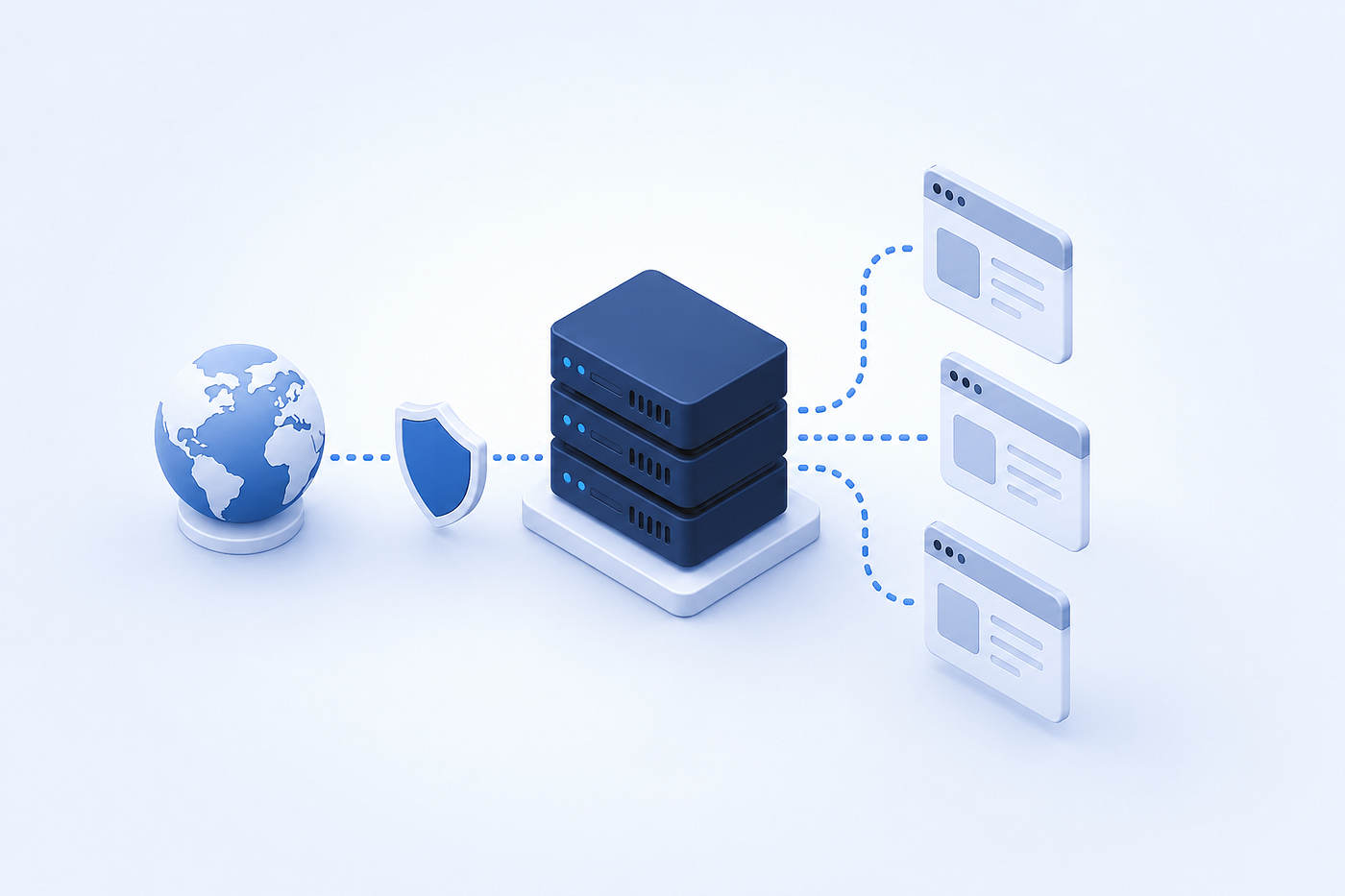
Datacenter IP pools matter for affordable proxy scaling because they let scraping teams distribute traffic across many low-cost IPs while maintaining speed, control, and predictable performance. They are especially useful for public-data scraping, SEO monitoring, price tracking, and automation workflows where volume matters more than residential IP appearance.
Affordable Proxy Scaling: Why Datacenter IP Pools Still Matter for Scraping
Proxy discussions often get stuck on one question:
Should I use residential proxies or datacenter proxies?
That is the wrong starting point.
The better question is:
What kind of scraping workload am I trying to scale?
If the workload requires extreme stealth, residential proxies may be necessary. But if the workload involves collecting large volumes of public data, monitoring prices, checking search results, crawling product pages, or running scheduled automation, datacenter proxy pools are often the better economic choice.
They are not always the flashiest option. But they are still one of the most practical ways to scale scraping without destroying your budget.
Scaling Is Mostly an Economics Problem
At small scale, proxy decisions feel technical.
At large scale, they become financial.
A scraper that runs a few hundred requests per day can afford inefficient proxy usage. A scraper that runs hundreds of thousands of requests per week cannot.
Every blocked request costs money. Every retry costs money. Every slow crawl costs money. Every oversized residential plan costs money.
This is why cheap datacenter proxies remain relevant.
They provide a lower-cost way to distribute requests across many IPs. They also give developers more predictable behavior, which matters when scraping systems need to run repeatedly and reliably.
The ProxiesThatWork article on affordable datacenter proxy pools for scraping explains this well: datacenter proxies are useful because they combine speed, bulk availability, and cost control for large scraping and automation workflows.
Why Datacenter IP Pools Work
A datacenter IP pool is a group of proxy IPs hosted on server-grade infrastructure.
Instead of sending all requests through one IP, your scraper distributes requests across many IPs. This reduces load per IP and makes the scraping system more stable.
The basic idea is simple:
✅ More IPs ✅ Lower request pressure per IP ✅ Better distribution ✅ More predictable scaling
That does not mean you can scrape recklessly. It means you have more room to design a controlled system.
Datacenter proxy pools work best when paired with:
- Rate limits
- Rotation logic
- Retry rules
- Backoff timing
- Session control
- Target-specific settings
- Block monitoring
The proxy pool gives you capacity. Your scraper decides whether that capacity is used intelligently or wasted.
The Biggest Advantage: Predictability
One underrated advantage of datacenter proxies is predictability.
Residential proxies can be useful, but they are often more variable. Speeds may differ. Availability may change. Pricing may depend on bandwidth. Sessions may be less consistent depending on the provider and setup.
Datacenter proxies are usually easier to reason about.
That matters when debugging.
If your scraper fails, you want to know why. Was it the target site? The headers? The request rate? The IP reputation? The retry logic? The parser? The proxy provider?
Predictable infrastructure helps you isolate problems faster.
For teams running SEO monitoring, price intelligence, or public web crawling, that predictability is valuable.
Affordable Does Not Mean Low Quality
The word “cheap” creates confusion.
Cheap can mean low quality. But cheap can also mean cost-efficient.
In scraping infrastructure, the goal is not to buy the cheapest random proxies available. The goal is to lower the cost per successful request.
That is the real metric.
- A proxy that costs less but fails constantly is not affordable.
- A proxy that costs more but wastes less time may be cheaper in practice.
- A bulk datacenter pool that performs consistently can be highly cost-effective.
So the question is not “Are cheap proxies good?”
The question is:
“Can this proxy setup produce reliable successful requests at a sustainable cost?”
For many public scraping workloads, the answer is yes when datacenter proxies are configured correctly.
Where Datacenter Proxies Fit Best
Datacenter proxy pools are well-suited for scraping tasks where volume, speed, and cost control matter.
Common examples include:
Search engine results monitoring Product price tracking Marketplace research Catalog crawling SEO rank tracking Ad verification workflows Public business data collection Competitive intelligence Automated testing Content monitoring
These jobs often require many requests, but not necessarily the highest level of stealth.
That makes them a natural fit for affordable proxy scaling.
Where They Do Not Fit
Datacenter proxies are not ideal for every target.
They may struggle with:
- Advanced anti-bot systems
- Login-protected platforms
- Highly personalized content
- Sites that heavily block datacenter IP ranges
- Very sensitive account-based workflows
In those cases, residential or mobile proxies may be better.
But many scraping teams overspend because they use premium proxy types for jobs that do not require them.
A smarter setup uses different proxy types for different tiers of work.
For example:
✅ Datacenter proxies for high-volume public scraping ✅ Residential proxies for sensitive targets ✅ Specialized setups for login-heavy or session-heavy workflows
That kind of segmentation is how you scale without burning money.
How to Build a Practical Low-Cost Proxy System
A practical setup does not have to be complicated.
Start with a datacenter proxy pool large enough for your request volume. Then assign rules by target.
For each target, define:
Maximum requests per IP Rotation frequency Retry limits Backoff timing Timeout thresholds Failure conditions Block rate alerts
Then track performance.
You should know which targets are easy, which are sensitive, and which ones are wasting resources.
If one target has high block rates, do not punish the entire system. Move that target to a separate pool or adjust the crawl speed.
This is how affordable scaling works in practice: not by treating all traffic the same, but by separating workloads based on risk and behavior.
The Mistake to Avoid
The biggest mistake is thinking proxies alone solve scraping problems.
They do not.
A proxy only changes the route your request takes. It does not fix bad scraping behavior.
If your scraper sends requests too fast, ignores robots.txt where applicable, repeats the same patterns, lacks backoff logic, or retries endlessly, a larger proxy pool will only delay failure.
Good scraping infrastructure combines proxies with disciplined request behavior.
That includes:
- Respecting rate limits
- Avoiding unnecessary requests
- Caching when possible
- Using clean headers
- Monitoring errors
- Stopping bad retry loops
- Keeping crawl goals narrow
The more efficient your scraper is, the less proxy capacity you waste.
Final Thoughts
Datacenter IP pools still matter because scraping at scale is not just about access. It is about economics.
✅ You need enough IPs to distribute traffic. ✅ You need enough speed to finish jobs on time. ✅ You need enough control to debug problems. ✅ You need costs low enough for the project to make sense.
That is why affordable datacenter proxies remain a practical foundation for many scraping systems.
Residential proxies are useful, but they should not be the default answer to every scraping problem.
For public-data workflows where scale and cost control matter, datacenter proxy pools are still one of the cleanest ways to grow.
메타데이터
- post_id
- 0945ba9d59f2
- slug
- affordable-proxy-scaling-datacenter-ip-pools-scraping-0945ba9d59f2
- url
- https://medium.com/@rowanv-writer/affordable-proxy-scaling-datacenter-ip-pools-scraping-0945ba9d59f2
- canonical_url
- https://medium.com/@rowanv-writer/affordable-proxy-scaling-datacenter-ip-pools-scraping-0945ba9d59f2
- author_url
- https://medium.com/@rowanv-writer
- status
- ok
- fetched_at
- 2026-07-27 06:50:25
