LA Burns Again: How 2025’s Immigration Riots Echo the Fury of 1992
Thirty-three years after Rodney King’s beating sparked six days of devastating riots, Los Angeles is burning again.
LA Burns Again: How 2025’s Immigration Riots Echo the Fury of 1992
Thirty-three years after Rodney King’s beating sparked six days of devastating riots, Los Angeles is burning again.
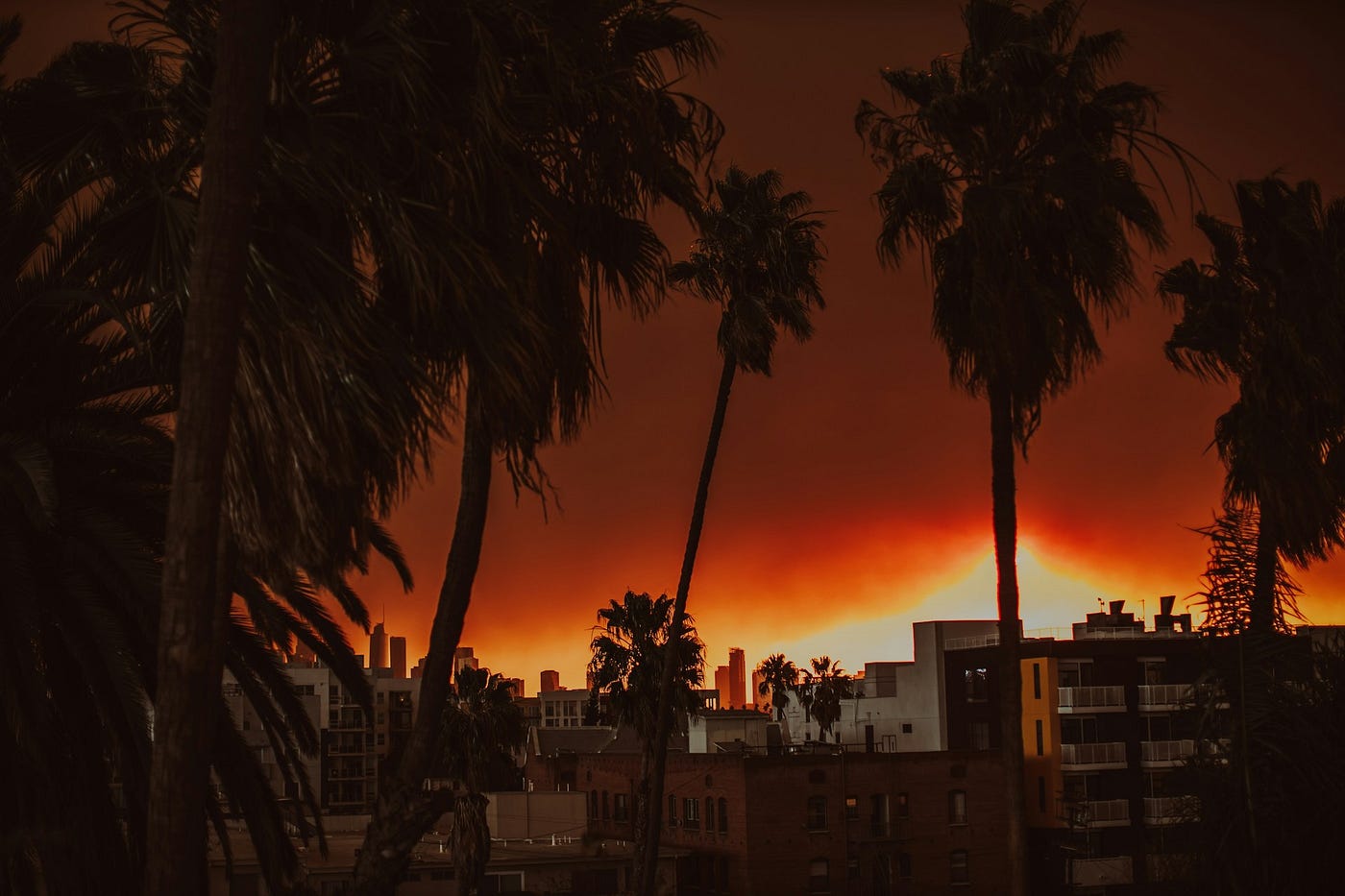
Photo by Jessica Christian on Unsplash
This time, the trigger isn’t police brutality against Black Americans — it’s federal immigration raids targeting Latino communities. But the underlying dynamics feel hauntingly familiar: marginalized communities pushed to their breaking point, law enforcement escalation, and a city fracturing along lines of race, class, and citizenship.
President Donald Trump signed a presidential memorandum deploying 2,000 National Guardsmen to Los Angeles to disperse protests that began in response to immigration raids, marking the first federal military deployment to quell civil unrest in Los Angeles since 1992. The images streaming from downtown LA — police patrolling the streets on horseback while others with riot gear lined up behind Guard troops — could have been pulled from the archives of three decades ago.
The question isn’t whether history is repeating itself. It’s whether Los Angeles has learned anything from its most painful chapter.
The Spark That Lit the Fire
Beginning on June 6, 2025, protests against unlawful immigration raids have taken place within Los Angeles County after ICE conducted massive sweeps across Latino neighborhoods. Large crowds gathered near a federal detention center in downtown Los Angeles Friday protesting immigration raids that had taken place throughout the city.
What started as peaceful demonstrations quickly escalated. CBS Los Angeles footage showed some protesters attempting to get in the way of a U.S. Marshals Service bus, while others threw rocks and other objects at law enforcement vehicles, while smoke rises from a burning car on Atlantic Boulevard, during a standoff by protesters and law enforcement in Compton.
The parallels to 1992 are stark but not exact. In 1992, unrest began after a jury acquitted four officers of the Los Angeles Police Department charged with using excessive force in the arrest and beating of Rodney King — an injustice captured on video that shocked the world. Today’s unrest stems from federal immigration enforcement that Latino communities see as systematic targeting and family separation.
Different triggers, same underlying tension: communities that feel under siege by law enforcement, with no recourse through official channels.
Echoes of Rage, Three Decades Apart
The geography of unrest tells its own story. In 1992, the riots centered in South Central LA, primarily affecting African American neighborhoods still scarred by decades of police brutality and economic neglect. In 2025, the protests have spread across Latino-majority areas from downtown to Compton to Paramount, communities now facing what they see as persecution based on immigration status rather than race — though the two are often intertwined.
Both eruptions share a crucial element: the power of imagery to ignite rage. The 1992 riots were fueled by the viral spread of George Holliday’s videotape showing King’s beating. Today’s unrest is amplified by smartphone footage of ICE raids separating families, shared instantly across social media platforms to millions of viewers.
But there are critical differences. The 1992 riots largely pitted communities against each other — both African Americans and Latinos vented their rage at the police, white pedestrians and motorists, and Korean American businesspeople. The 2025 protests have maintained more focus on federal targets, though tensions between immigrant and established communities simmer beneath the surface.
The Federal Response: Learning or Repeating?
President Donald Trump’s administration said it would deploy 2,000 National Guard troops as federal agents in Los Angeles faced off against a few hundred demonstrators — a rapid escalation that raises questions about whether authorities learned the right lessons from 1992.
The 1992 riots lasted six days and required 10,000 National Guard troops to fully suppress. The death toll reached 63, with over 2,300 injuries and $1 billion in property damage. The swift federal response in 2025 suggests authorities are trying to prevent similar escalation — but it also risks turning what began as protests into something more confrontational.
Trump’s deployment of the National Guard before widespread violence erupted marks a significant departure from 1992, when authorities were criticized for their slow, inadequate initial response. But it also represents a dramatic escalation that could inflame rather than calm tensions.
The Deeper Wounds
Both riots expose the same uncomfortable truth about Los Angeles: it remains one of America’s most segregated major cities, where different communities live parallel lives until crisis forces them into violent contact.
In 1992, the underlying issues were police brutality, economic inequality, and racial discrimination. Tension had already been mounting before the King verdict, fueled by incidents like the shooting of 15-year-old Latasha Harlins by a Korean store owner just weeks after King’s beating.
In 2025, the fault lines run along citizenship status, with documented and undocumented residents facing different levels of vulnerability to federal enforcement. But the economic pressures — housing costs, wage stagnation, limited opportunities — remain remarkably similar to what sparked rage three decades ago.
Social Media Changes Everything
The biggest difference between 1992 and 2025 isn’t the nature of the grievances — it’s how quickly they spread and evolve. The King beating required traditional media to broadcast and contextualize the violence. Today’s immigration raids are documented and shared instantly, with narrative and counter-narrative developing simultaneously across multiple platforms.
This speed of information sharing has prevented authorities from controlling the narrative as they did in 1992, when official versions of events often dominated for days before contradicting evidence emerged. But it’s also created new challenges: rumors spread as quickly as facts, making it harder to de-escalate tensions through accurate information.
What 1992 Teaches 2025
The 1992 riots fundamentally changed Los Angeles, leading to police reforms, community investment programs, and new dialogue between ethnic communities. But thirty-three years later, many of the underlying problems persist: economic inequality, residential segregation, and tensions between law enforcement and minority communities.
The current unrest suggests that Los Angeles never fully addressed the systemic issues that make certain communities feel they have no voice except through protest — and when protest fails, through violence.
If there’s a lesson from 1992, it’s that military suppression of unrest is only effective in the immediate term. The deeper work — addressing the grievances that fuel rage — takes decades and requires political will that often evaporates once the cameras stop rolling.
A City’s Recurring Nightmare
Los Angeles has always been America’s laboratory for demographic change, economic transformation, and social tension. What happens in LA often previews what’s coming for the rest of the country.
The 1992 riots foreshadowed nationwide debates about police violence and racial justice that continue today. The 2025 immigration riots may be previewing how federal enforcement policies will play out in diverse communities across America.
Helmeted police in riot gear turned out in a tense confrontation with protesters once again in Los Angeles, raising the same questions that haunted the city after 1992: When communities feel they have no political voice, where else can their anger go? And when that anger explodes into violence, what does it solve?
Los Angeles is burning again, but the fires were lit by problems that never really went out. Until the city — and the country — addresses the underlying tensions that make certain communities feel besieged, the cycle of unrest will continue, triggered by new injustices but rooted in the same persistent inequalities.
The question isn’t whether LA can survive another round of riots. It’s whether it can finally break the cycle that keeps bringing them back.
메타데이터
- post_id
- 09540d920d97
- slug
- la-burns-again-how-2025s-immigration-riots-echo-the-fury-of-1992-09540d920d97
- url
- https://medium.com/@spentrup/la-burns-again-how-2025s-immigration-riots-echo-the-fury-of-1992-09540d920d97
- canonical_url
- https://medium.com/@spentrup/la-burns-again-how-2025s-immigration-riots-echo-the-fury-of-1992-09540d920d97
- author_url
- https://medium.com/@spentrup
- status
- ok
- fetched_at
- 2026-06-25 16:53:31