The Human System — How Finland Turned Empathy into Policy
“What’s radical in America is routine in Finland.” “We built a welfare state not from ideology, but from empathy — from the quiet belief…
The Human System — How Finland Turned Empathy into Policy
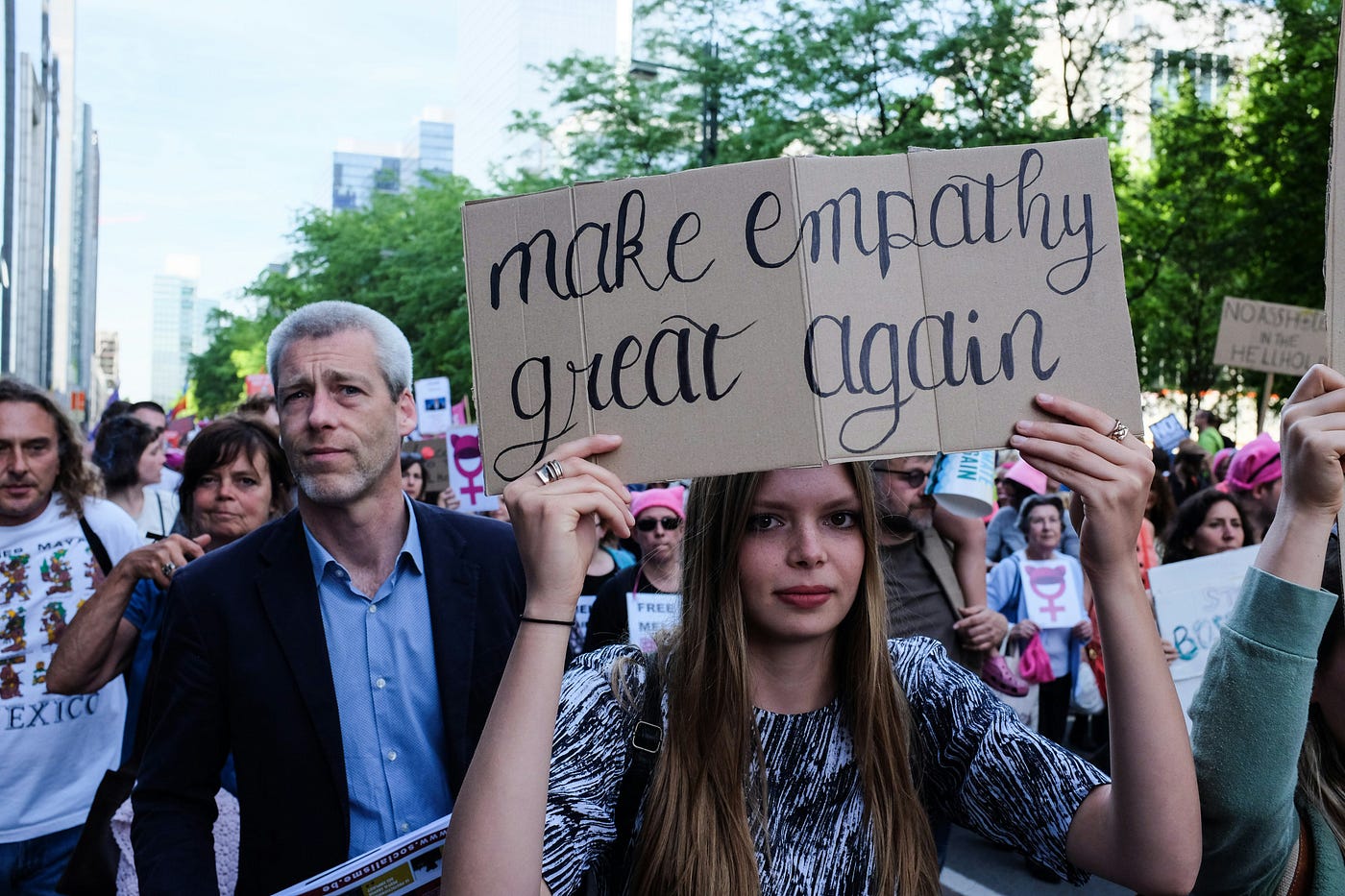
Photo by Floris Van Cauwelaert on Unsplash
“What’s radical in America is routine in Finland.” “We built a welfare state not from ideology, but from empathy — from the quiet belief that nobody should fall alone.”
There’s a word in Finnish that doesn’t translate easily: “sisu.” It’s a mix of grit, quiet courage, and a refusal to give up — not out of pride, but out of principle. Combine that with our “don’t leave a friend behind” mentality, and you start to understand how Finland built something rare: a social system rooted in empathy, not ambition.
In most countries, empathy is seen as a personal virtue. In Finland, it became a political structure.
Empathy, Engineered
When people talk about the Nordic model, they often picture bureaucracy — taxes, benefits, systems. But what they miss is the soul of it. We didn’t design our welfare state as an ideological project. We built it because of who we are.
After the war, this small, cold country decided that no one should be left bleeding — not on the battlefield, not in society. So we created safety nets strong enough to catch anyone who might fall. Not because we were socialists or saints, but because we had seen what happens when empathy fails.
Today, that quiet moral infrastructure still defines us. Education that’s free. Healthcare that doesn’t bankrupt you. Maternity packages that say: you matter, and your child does too. It’s not glamorous. It’s not revolutionary. But in its calm efficiency lies something profoundly humane.
The Other System
Contrast that with America — a land of extraordinary creativity and impossible contradictions. The country that put a man on the moon still struggles to ensure everyone can see a doctor.
Scroll through American social media for five minutes and you can feel it: the machismo of survival, the culture of “only the strong make it.” It’s the flip side of the American Dream — the belief that success is a moral reward, and struggle is a personal failure.
But when politics becomes a battleground of identities, empathy gets lost in the crossfire. As President Sauli Niinistö once said, “The era of confrontation is over.” I wish that message could echo across the Atlantic, to a country where everything — even compassion — seems to be partisan now.
When the System Catches You
A few years ago, I was diagnosed with thrombocytopenia — a rare condition that lowers platelet count and increases the risk of bleeding. It’s not life-threatening, but it requires lifelong medication. One week’s dose costs over €600. I don’t pay a cent.
I once calculated that the Finnish state will cover more than a million euros of my treatment costs over my lifetime. That’s a staggering number. But more than money, it’s a message: your life has value beyond economics.
Every time I pick up my prescription, I’m reminded that empathy in Finland isn’t just a word — it’s infrastructure. It’s built into our taxes, our systems, our shared understanding that health should never depend on wealth.
That is what I call The Human System.
The Cracks in the System
But even here, the ice is thinning.
Healthcare fees are rising — slowly, but steadily. Benefits are being cut. The tone of public debate is shifting toward economics first, empathy later. We tell ourselves it’s necessary: the population is aging, birth rates are falling, and the math doesn’t add up.
Maybe that’s true. But every cut erodes not just a budget, but a belief — that a society’s strength lies in how it treats its most vulnerable.
Erosion is quiet. Empires fall loudly, but welfare states fade softly — one fee increase, one policy tweak, one shrug at a time.
The Human Equation
Finland has been named the world’s happiest country eight years in a row. People abroad think it’s about saunas, lakes, or silence. But the real reason is structural empathy — the invisible comfort of knowing the system won’t abandon you.
And yet, that happiness is not guaranteed. Empathy, like democracy, must be maintained. It needs defenders — not in the streets, but in the spreadsheets, in the policies, in the quiet decisions that decide who gets care and who gets left waiting.
We built The Human System. Now we must decide whether we still deserve it.
Because the most radical idea of all is still the simplest one:
Nobody should fall alone.
메타데이터
- post_id
- 095df6e8841e
- slug
- the-human-system-how-finland-turned-empathy-into-policy-095df6e8841e
- url
- https://medium.com/@teroylitalo/the-human-system-how-finland-turned-empathy-into-policy-095df6e8841e
- canonical_url
- https://medium.com/@teroylitalo/the-human-system-how-finland-turned-empathy-into-policy-095df6e8841e
- author_url
- https://medium.com/@teroylitalo
- status
- ok
- fetched_at
- 2026-07-15 10:20:56



