Honey as a Sugar Substitute: When It Makes Sense — and When It Doesn’t
Is honey better than sugar?
Honey as a Sugar Substitute: When It Makes Sense — and When It Doesn’t
Is honey better than sugar?
The honest answer is: sometimes, but not automatically. Honey can be a useful sugar substitute when it helps you use less sweetness overall, adds more flavour with a smaller amount, and makes your daily habits more intentional. But honey is still a form of sugar. It should be enjoyed thoughtfully, not treated as a health shortcut.
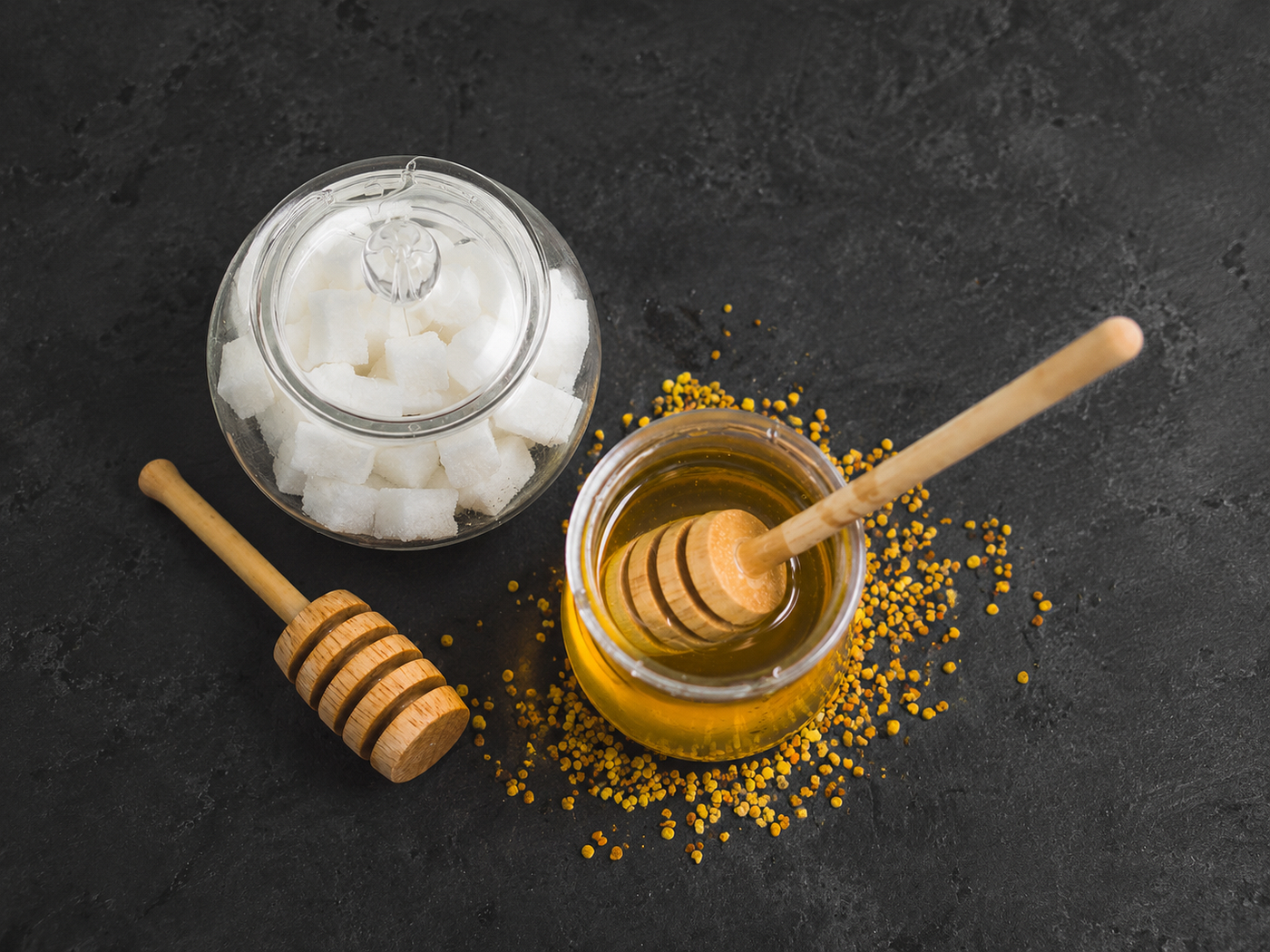
That is why the better question is not simply “Is honey healthy?” A more useful question is: when does honey make everyday sweetness feel more conscious?
If you have ever stood in the kitchen holding your morning coffee, wondering whether a spoon of honey is “better” than sugar, you are not alone. Honey has a naturally wholesome image. It feels closer to nature, warmer somehow, and less industrial than white sugar. But nutrition is rarely that black and white.
This article gives a simple, practical view of honey as a sugar substitute — what it can do well, what it cannot do, and how to use it in a way that actually makes sense.
For a deeper guide, Reformwelt has also published a full article on honey as a sugar substitute, looking at when honey can be useful and where the limits are.
Why is honey often seen as better than sugar?
Honey has a few qualities that make it feel different from refined sugar.
It has aroma. It has texture. Depending on the type, it can taste floral, herbal, malty, mild, or almost caramel-like. Sugar, by comparison, mainly gives sweetness. It does its job quietly and disappears into the background.
That difference matters because flavour can change behaviour.
When a sweetener has more character, many people naturally use it more deliberately. A small spoon of honey in plain yoghurt, warm tea, porridge, or a dressing can feel more satisfying than adding plain sugar, because it brings more than just sweetness.
According to Healthline, honey contains trace amounts of vitamins and minerals, although these amounts are very small. Healthline also notes that honey is primarily made up of sugar and should still be used sparingly, especially for people managing diabetes, heart disease, or obesity.
So the point is not that honey becomes “free sugar” because it is natural. The point is that good honey can make sweetness feel more noticeable, and sometimes that helps you use less.
Is honey still considered added sugar?
Yes. This is the part many people miss.
According to the American Heart Association, added sugars include sugars and caloric sweeteners added during preparation or processing — including honey. The same organisation recommends limiting added sugars to no more than 6% of daily calories.
Harvard T.H. Chan School of Public Health also explains that added sugars can include sweeteners such as honey, and that many people consume more added sugar than they realise, often from sweetened drinks, desserts, snacks, breakfast cereals, and flavoured yoghurts.
That does not mean honey should be avoided completely. It simply means honey should be counted honestly.
A spoon of honey in tea is still sweetness added to tea. A drizzle of honey over breakfast is still added sweetness. The difference comes from how much you use, what you use it with, and whether it helps you reduce more automatic forms of sugar elsewhere.
Honey vs sugar: what is the practical difference?
Here is a simple way to compare them in daily life:
QuestionSugarHoneyPractical takeawayWhat does it taste like?Mostly neutral sweetnessSweetness plus aroma and textureHoney may feel more satisfying in smaller amountsHow is it used?Easy to measure and mixBest as a drizzle, stir-in, glaze, or flavour accentHoney works well when flavour mattersIs it calorie-free?NoNoBoth should be used mindfullyDoes it contain nutrients?Very littleTrace amounts, depending on the honeyInteresting, but not a reason to overuse itIs it suitable for everyone?Not ideal in excessNot ideal in excess; not for babies under 12 monthsContext and portion matter
Medical News Today notes that one tablespoon of honey contains about 64 calories, compared with around 50 calories in one tablespoon of sugar. It also explains that honey is sweeter than sugar, so less may be needed to achieve a similar level of sweetness.
That is the practical opening.
Honey is not automatically “lighter” than sugar. But because it can taste sweeter and more complex, it may help some people use a smaller amount. That is where it becomes useful.
When does honey make sense as a sugar substitute?
Honey makes the most sense when it replaces sugar in a way that improves flavour and reduces the need for extra sweetness.
For example:
- Stirring a small spoon into plain yoghurt instead of buying sweetened yoghurt
- Adding honey to porridge with nuts, seeds, or fruit
- Using honey in a homemade salad dressing instead of bottled dressing with added sugar
- Drizzling a little over toast instead of using a thicker sweet spread
- Adding honey to tea when you want gentle sweetness and aroma
In these cases, honey is not just replacing sugar gram for gram. It is helping build a more intentional routine.
This matters because many sweet habits are automatic. A spoon in coffee. A flavoured yoghurt after lunch. A biscuit because the tea feels incomplete. Honey can sometimes slow that pattern down because it asks to be noticed.
A good honey has flavour. It is not only sweet; it has presence.
When is honey not the better choice?
Honey is not the better choice if it simply becomes another way to add more sugar.
If someone replaces one spoon of sugar with two spoons of honey because it feels “healthier”, the logic falls apart. Honey can be part of a balanced diet, but it does not cancel out the effect of added sugar.
It is also important to be careful with health claims. Honey has been studied for different uses, including cough relief, wound care, and antimicrobial properties. But for everyday eating, it should still be treated as a sweetener first.
Medical News Today notes that honey should not be given to infants younger than 12 months because of the risk of infant botulism. This is a simple but important family safety point.
People with diabetes, blood sugar concerns, or medical dietary restrictions should also treat honey as sugar and follow professional guidance.
How can you use honey more consciously?
A helpful rule is: start smaller than you think.
Try half a teaspoon first. Let the honey dissolve slowly in tea. Stir it into plain yoghurt before adding more. Taste your porridge before deciding whether it needs another drizzle.
This is not about restriction. It is about paying attention.
Honey works best when it is used as an accent rather than a main ingredient. It should lift the food, not cover it.
A few practical ideas:
- Use plain yoghurt, then add fruit, nuts, and a small drizzle of honey.
- Choose unsweetened oats and sweeten them yourself.
- Mix honey with lemon, mustard, and olive oil for a simple dressing.
- Pair honey with fibre, protein, or healthy fats so sweetness is part of a fuller meal.
- Keep stronger honey for moments where a small amount gives more flavour.
This is where quality becomes more important than quantity.
Why does honey quality matter?
Because honey is a natural product, not all honey feels or tastes the same.
Origin, processing, floral source, texture, and transparency all matter. A mild honey may be better for tea and breakfast. A stronger honey may work better when you want deeper flavour from a smaller amount.
This is also where trust matters. If you are choosing honey as part of a more conscious everyday routine, it makes sense to choose honey from a source that takes quality seriously.
Reformwelt focuses on carefully selected honey and bee-related products, with an emphasis on quality, trust, and everyday wellbeing. The goal is not to make honey sound like a miracle product, but to help people choose better honey more confidently.
For readers in Switzerland, Reformwelt offers a calm, quality-focused way to explore honey beyond the supermarket shelf — especially if you are interested in honey with more character and clearer product information.
So, is honey a good sugar substitute?
Honey can be a good sugar substitute when it helps you use sweetness more consciously.
It is not automatically healthier just because it is natural. It is not calorie-free. It is not something to pour freely into everything. But used thoughtfully, honey can bring more flavour, more satisfaction, and a little more awareness into everyday eating.
The real question is not whether honey is “good” and sugar is “bad”.
The better question is this: does this spoonful help you enjoy sweetness with more intention?
When the answer is yes, honey can make sense.
For a more detailed explanation, read Reformwelt’s full guide to honey as a sugar substitute, including when honey is useful, when it is not, and how to use it in daily life without overdoing it.
메타데이터
- post_id
- 097c99c1c5c8
- slug
- honey-as-a-sugar-substitute-when-it-makes-sense-and-when-it-doesnt-097c99c1c5c8
- url
- https://medium.com/@mariette_84457/honey-as-a-sugar-substitute-when-it-makes-sense-and-when-it-doesnt-097c99c1c5c8
- canonical_url
- https://medium.com/@mariette_84457/honey-as-a-sugar-substitute-when-it-makes-sense-and-when-it-doesnt-097c99c1c5c8
- author_url
- https://medium.com/@mariette_84457
- status
- ok
- fetched_at
- 2026-07-09 20:10:33