Maximizing ROI with Integrated Banking Surveillance Systems
Returns Don’t Come from Tools. They Come from Alignment
Maximizing ROI with Integrated Banking Surveillance Systems
Returns Don’t Come from Tools. They Come from Alignment
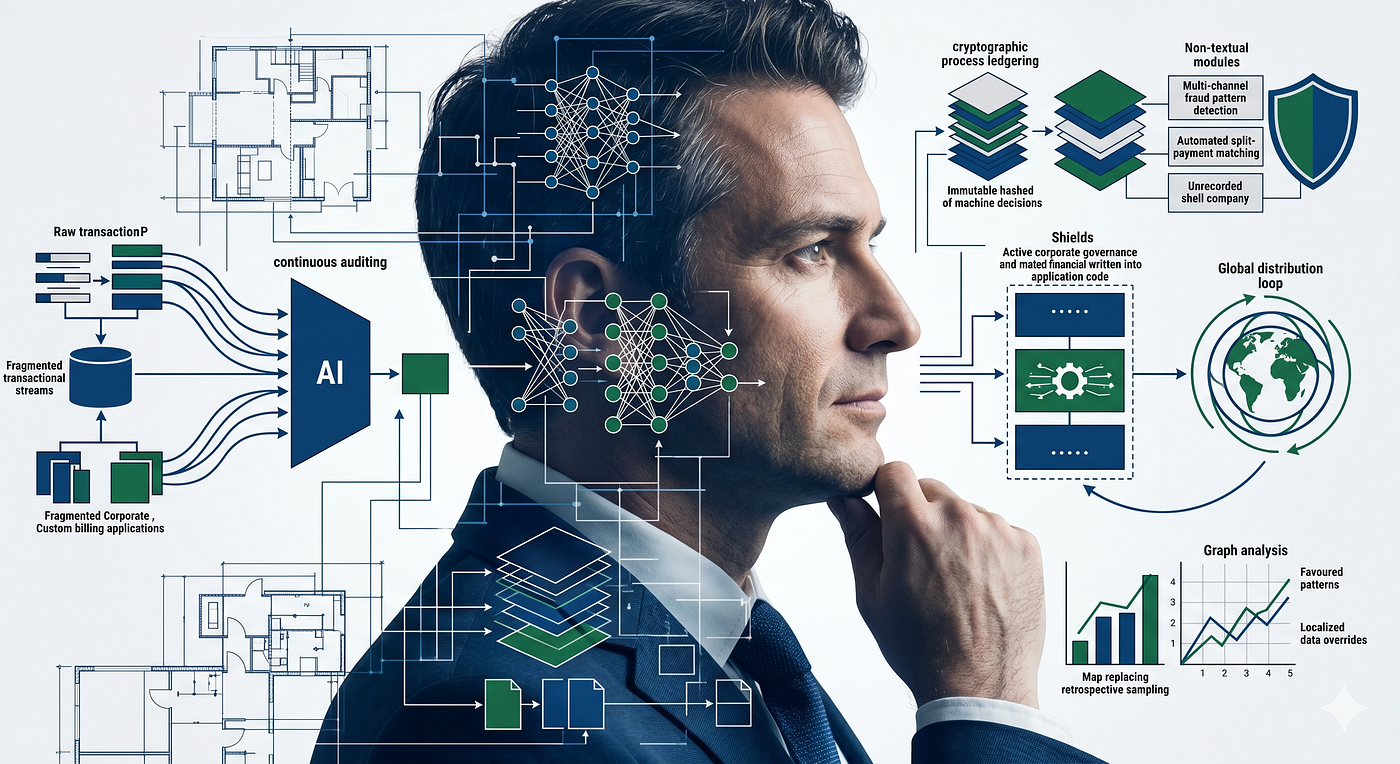
Integrated banking surveillance is reshaping how financial institutions generate measurable ROI by aligning trade monitoring, employee behavior, and risk detection into a unified operational system rather than isolated controls.
Instead of running parallel compliance tools that produce fragmented insights, integrated surveillance connects signals across functions, reducing blind spots and improving response precision.
I’ve seen organizations invest heavily in monitoring tools, only to struggle explaining their impact. The dashboards were impressive. Alerts were frequent. But outcomes felt disconnected. The issue wasn’t capability. It was fragmentation.
Surveillance systems often operate like separate islands. Each system captures something valuable. None of them tell the full story.

Integrated banking surveillance
The Hidden Cost of Disconnected Surveillance
There’s a quiet inefficiency that builds when surveillance functions operate independently. Each team works within its own boundary. Trade teams monitor transactions. Compliance reviews policy adherence. HR tracks conduct incidents.
Each function does its job well. Together, they miss context.
A suspicious trade might not raise concern until it is linked to unusual employee behavior. A conduct issue might not escalate until it connects with transaction anomalies. These connections are difficult to establish when systems don’t communicate.
That gap has a cost. It shows up as delayed detection, duplicated investigations, and inconsistent conclusions.
Integrated banking surveillance addresses this by connecting these signals at the data level.
The First Time I Saw the Pattern Clearly
I remember reviewing a set of trading alerts that looked routine. Price movements slightly outside expected ranges. Timing variations that were explainable.
Individually, none of them justified escalation.
Then an unexpected link appeared. The same activity aligned with access logs showing irregular system usage by a specific employee group.
That connection changed everything.
It wasn’t the trade behavior alone. It was the overlap between trading activity and internal conduct patterns.
Without integration, those signals would have remained separate.
That’s the moment where surveillance shifts from monitoring to understanding.
Trade Monitoring Needs More Than Price Analysis
Traditional trade monitoring focuses heavily on transactional behavior. Price deviations, volume spikes, unusual timing patterns.
These are necessary signals. They’re incomplete on their own.
Integrated systems expand the context around trades. They incorporate additional data points such as user access patterns, communication logs, and operational activity.
This layered view changes how anomalies are interpreted.
Consider a trading pattern that appears aggressive. In isolation, it might trigger review. Combined with stable behavioral data, it may be cleared quickly. Combined with unusual employee activity, it may escalate immediately.
Context determines response.
Employee Conduct Isn’t a Separate Conversation
Compliance discussions often treat employee conduct as a standalone topic. Policies, training, reporting mechanisms.
In practice, conduct intersects directly with operational risk.
Patterns in behavior show up across systems. Login irregularities. Unusual access times. Repeated overrides of standard workflows.
Integrated surveillance connects these signals with financial activity. It identifies where behavior and transactions intersect.
This connection reduces reliance on isolated reporting or whistleblower channels. It surfaces issues through system data.
That doesn’t replace human reporting. It strengthens it.
Market Abuse Detection Requires a Wider Lens
Traditional market abuse detection models rely on predefined indicators. Insider trading patterns. Price manipulation signals. Known risk scenarios.
These models are effective within their defined scope.
Integrated surveillance expands that scope.
It looks beyond transaction patterns and incorporates surrounding activity. Communication timing. Access patterns. Decision sequences.
This creates a broader detection framework.
Patterns that would typically remain below threshold become visible when viewed within a larger context.
The system doesn’t just detect activity. It interprets relationships.
ROI of AI Isn’t Measured Where Most People Look
There’s a common expectation that the ROI of AI appears through reduced manual effort or increased detection rates.
Those metrics matter. They don’t capture the full picture.
The real return shows up in reduced uncertainty.
Faster case resolution. Fewer false escalations. More consistent decision-making.
Integrated surveillance contributes to this by improving signal quality.
Better signals lead to better decisions. Better decisions reduce operational friction.
That reduction is difficult to quantify directly. It becomes obvious over time.
Teams spend less time debating what matters and more time addressing it.
Data Integration Is the Real Foundation
Integrated banking surveillance depends heavily on how data is structured.
Systems must align:
- Transaction data from trading platforms
- Employee activity logs
- Communication records
- Compliance case histories
If these data sources remain disconnected, integration remains superficial.
The challenge isn’t collecting data. It’s aligning it.
Different systems represent similar concepts differently. Identifiers don’t match. Timestamps vary. Formats differ.
Without addressing these inconsistencies, integrated surveillance produces unreliable results.
This is where architecture decisions matter most.
A Different Way to Think About Alerts
In fragmented environments, alerts are generated independently. Each system flags what it considers unusual.
This leads to volume.
Integrated systems shift from alert generation to signal prioritization.
Instead of multiple alerts for related activity, a single contextual signal is created.
This reduces noise.
Teams no longer manage alerts in isolation. They evaluate scenarios.
That shift changes how work gets done.
There’s a Behavior Shift That Doesn’t Get Documented
Technology changes workflows. It also changes behavior.
In integrated environments, teams begin to think differently about risk.
They stop evaluating events in isolation. They look for connections.
That awareness spreads.
Analysts begin asking broader questions. What else is happening around this activity? What patterns does this resemble?
This kind of thinking doesn’t emerge from tools alone. It emerges from how tools present information.
Integrated surveillance supports this by making relationships visible.
The Reality of Implementation Isn’t Clean
It’s tempting to imagine integration as a smooth process.
It rarely is.
Systems resist alignment. Data inconsistencies surface. Ownership questions arise.
There’s also a cultural aspect. Teams are used to operating independently. Integration introduces shared visibility.
That can feel uncomfortable.
Success depends on more than technology. It requires coordination. Agreement on data definitions. Alignment on workflows.
Without that, integration stalls.
A Missed Connection That Stayed Missed
There was a case where trade monitoring flagged unusual activity. Conduct teams separately noted irregular access patterns.
Both teams documented their findings. Neither connected them.
The issue was only identified months later during a manual review.
It wasn’t a failure of detection. It was a failure of connection.
Integrated surveillance prevents that kind of disconnect.
It brings signals together automatically.
Why Integration Changes Decision Speed
Decision-making delays often stem from incomplete information.
Analysts gather data from multiple systems, validate it, and then interpret it.
This process takes time.
Integrated systems reduce that time by presenting a unified view.
Information is already connected.
Decisions become faster because the groundwork is already done.
Speed improves without sacrificing accuracy.
The Trade-Off Few Talk About
Integration increases system complexity.
More data flows. More dependencies. More coordination required.
This introduces new risks. System performance issues. Data synchronization challenges. Governance concerns.
Managing these risks requires attention.
Integrated surveillance is not a set-and-forget system. It demands ongoing oversight.
That’s the trade-off.
Where This Is Heading
Integrated banking surveillance is not just about improving detection.
It’s about changing how institutions understand their own operations.
Signals become interconnected. Patterns become visible earlier. Decisions become more consistent.
The shift isn’t dramatic at first. It builds gradually as data connections improve and teams adapt.
Over time, the difference becomes clear.
Organizations stop reacting to isolated events. They start interpreting connected activity.
And in that shift, the real return appears.
Also Read: Implementing Predictive Banking Analytics for Credit Risk Mitigation
메타데이터
- post_id
- 098a9e3c79d0
- slug
- maximizing-roi-with-integrated-banking-surveillance-systems-098a9e3c79d0
- url
- https://medium.com/@sneha.patil2703/maximizing-roi-with-integrated-banking-surveillance-systems-098a9e3c79d0
- canonical_url
- https://medium.com/@sneha.patil2703/maximizing-roi-with-integrated-banking-surveillance-systems-098a9e3c79d0
- author_url
- https://medium.com/@sneha.patil2703
- status
- ok
- fetched_at
- 2026-07-16 05:02:48