Your AI-generated prototype is probably not a prototype yet
We’ve started calling AI-generated interfaces “prototypes.” Most aren’t. They’re proof that an interface can be built but not proof that an…
Your AI-generated prototype is probably not a prototype yet
We’ve started calling AI-generated interfaces “prototypes.” Most aren’t. They’re proof that an interface can be built but not proof that an experience works.
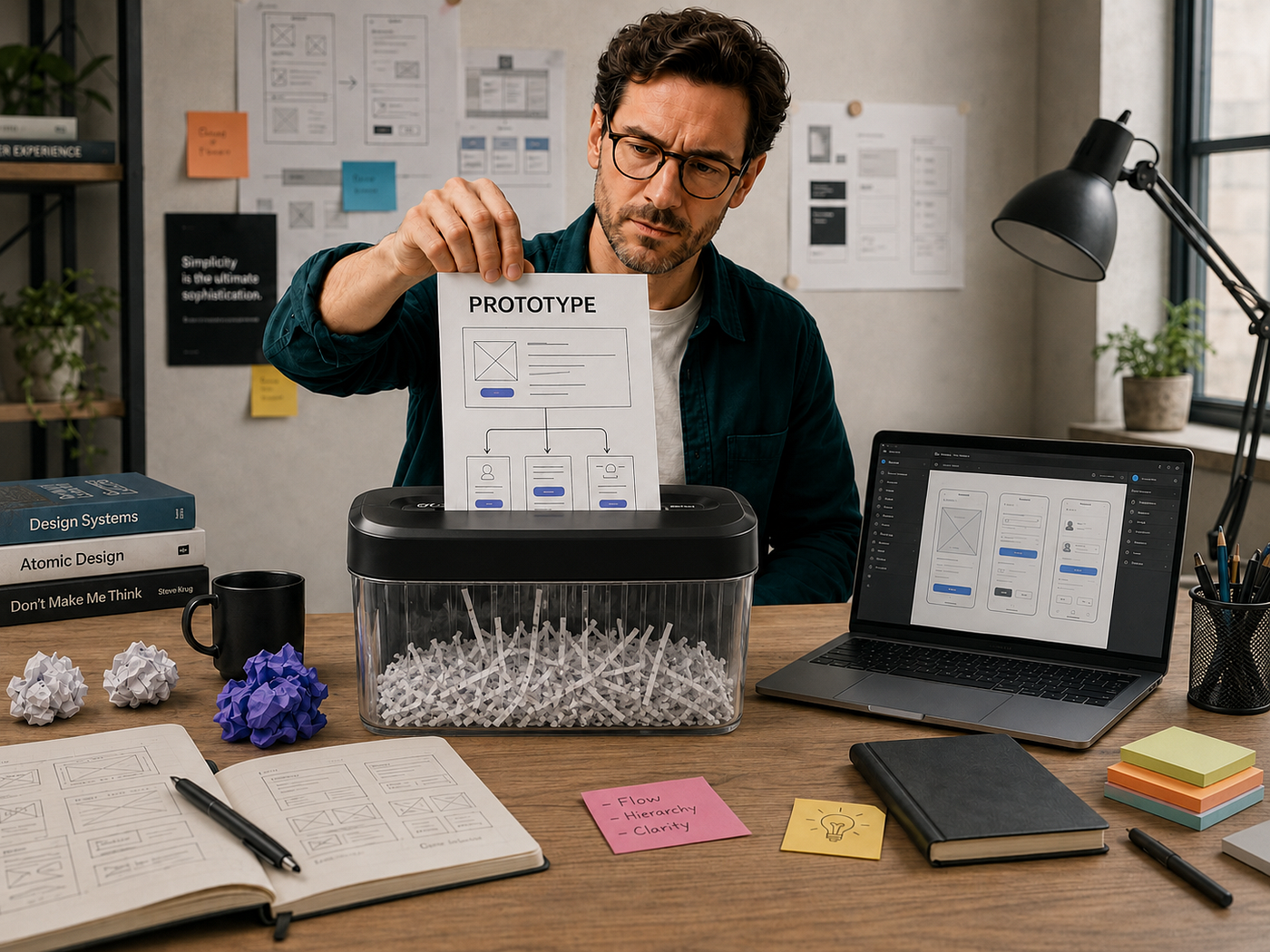
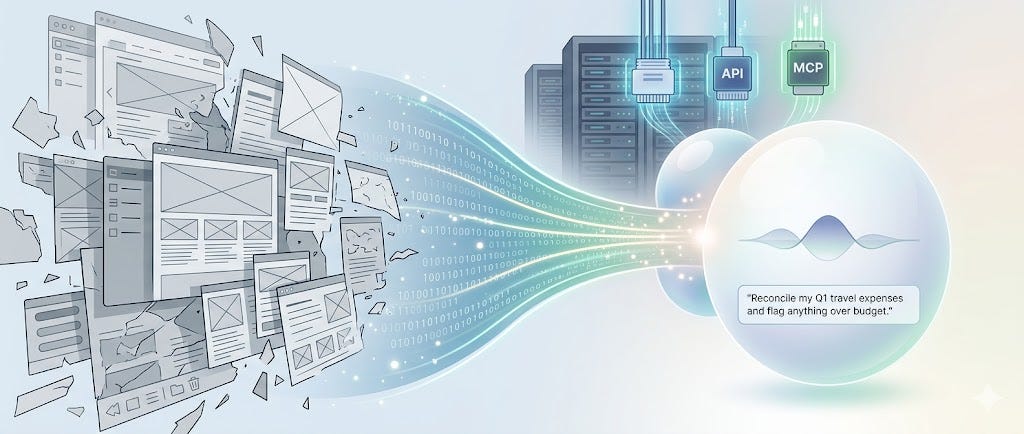
AI is changing how quickly we can move from an idea to something visible.With tools like Claude, Lovable, Figma Make and other AI-powered builders, it is now possible to write a prompt and generate an interface, a flow, or even a working product concept in a very short amount of time.
That is genuinely exciting. It opens up product creation to more people. It helps teams explore ideas faster. It makes abstract conversations easier to understand. It allows designers, product managers, engineers, founders and stakeholders to visualise possibilities much earlier than before.
I think this is a positive shift. But I also think it creates a new responsibility for product teams. Because when AI makes something look polished, interactive and product-like, it can also make it feel more finished than it really is.
And that is where design judgement becomes even more important.
AI can generate outputs, but experience design still needs context
AI can generate a screen, a flow, an interface, code — something that looks convincing enough to share in a meeting. But a product experience is not only the thing we see on the screen.
An experience includes the user’s context, the problem being solved, the assumptions behind the journey, the business logic, the edge cases, the accessibility, the technical constraints, the content, the system behind the interface, and the trust created through every interaction.
This is why I do not think the role of designers becomes smaller with AI. I think it becomes more important.
The value is no longer only in producing screens. The value is in knowing what those screens mean, what they assume, what they miss, what needs to be validated, and what should happen next.
The danger of false confidence
One of the biggest risks with AI-generated product concepts is false confidence. A generated UI can look clean, realistic, feel complete and be clickable and impressive. But visual polish is not the same as product readiness.
A polished UI does not mean the user problem is clear. A clickable flow does not mean the journey is correct. A working demo does not mean the solution is feasible. A beautiful concept does not mean the scope is realistic. A generated product does not mean the experience has been validated.
This is not a criticism of AI tools. It is a reminder that product quality is not created by visual output alone. The thinking behind the output still matters.
Why the word “prototype” needs more care
This is where I think language becomes important. In product teams, the word “prototype” can mean different things to different people.
- For a designer, a prototype may be an early artefact used to explore or validate an idea. — For a stakeholder, it may look like a near-final product direction. — For a customer, it may feel like a promise. — For an engineer, it may raise questions about feasibility, scope and implementation.
When we call every AI-generated output a prototype, we can unintentionally create the wrong expectation.
Something generated quickly from a prompt may be useful, inspiring and valuable. But it might still be missing important layers of product thinking. e.g. Has the problem been validated? Has the scope been discussed? Has engineering reviewed feasibility? Does it work with the existing design system? Are the edge cases covered?
Those questions matter. Because once something looks real, people naturally start to treat it as real.
AI builders are powerful, but they still need framing
I believe AI builders are going to become a normal part of how teams explore and create products. That is a good thing for speed up discovery, test ideas earlier and product conversations more concrete.
But the more powerful these tools become, the more important framing becomes. Before sharing an AI-generated concept, we need to be clear about what it is.
- Is it a concept or a technical exploration? — Is it a vision piece? — Is it something ready for validation? — Is it something ready for delivery?
These distinctions are not just semantic. They protect trust and help stakeholders understand what they are looking at, engineers understand what is expected, PMs scope and designers keep the conversation focused on the right questions.
A polished concept can still be low fidelity
Traditionally, we often think about fidelity in visual terms. Low fidelity means rough and high fidelity means polished. But AI challenges that.
An AI-generated output can look visually high fidelity while still being low fidelity in product terms. It might have polished UI (colours, spacing, buttons etc.) but the journey might still be untested, logic be incomplete, the content be generic or the solution maybe not fit the real product architecture.
So we need to think about fidelity differently. Fidelity should not only describe how finished something looks. It should also describe how close it is to the real product experience. A visually polished AI output can still be a low-fidelity product artefact if the thinking behind it has not been validated.
The designer’s role in the AI workflow
AI can help us generate more options but more options do not automatically create better decisions. Designers still need to ask:
- What problem are we solving? — Who is this for? — What assumption are we testing? — What does success look like? — What should we ignore for now? — What needs to be validated? — What needs to be simplified? — What needs to be discussed with engineering? — What needs to be aligned with the design system? — What should not be shown yet?
That is where product design craft lives. Not only in making something look good, but in making sure it makes sense. AI can accelerate the making but designers still need to guide the meaning.
Better words create better expectations
This is why we need to be more intentional with the words we use. Clear language avoids confusion, aligns expectations, and improves collaboration across design, product and engineering.
If something is an early exploration, call it a concept or interactive draft. Does it looks polished but has not been validated? Call it a low-fidelity AI prototype.
The goal is not to slow teams down. The goal is to help teams move faster without creating confusion.
AI does not reduce the need for design judgement
I am excited by AI-powered product creation. I think it will make product teams faster, more experimental and more open to different ways of working, but I do not think AI removes the need for experience design.
If anything, it makes design judgement more visible. Because when almost anyone can generate something that looks like a product, the real value becomes knowing whether that product direction is useful, usable, feasible, accessible and worth pursuing.
That is the difference between generating an interface and designing an experience. In the end AI can help us start faster but designers, product teams and engineers still need to turn that starting point into something real, responsible and valuable.
So maybe the question is not whether AI-generated prototypes are good or bad. Maybe the better question is: Are we framing them with the right level of clarity, confidence and responsibility Because when products can look finished before they are ready, the words we use matter more than ever.
메타데이터
- post_id
- 09f0cbb7dbca
- slug
- your-ai-generated-prototype-is-probably-not-a-prototype-yet-09f0cbb7dbca
- url
- https://medium.com/design-bootcamp/your-ai-generated-prototype-is-probably-not-a-prototype-yet-09f0cbb7dbca
- canonical_url
- https://medium.com/design-bootcamp/your-ai-generated-prototype-is-probably-not-a-prototype-yet-09f0cbb7dbca
- author_url
- https://medium.com/@nicolapiedimonte
- status
- ok
- fetched_at
- 2026-06-27 18:20:27