Before the First Shift: The Part of Security Most People Never See
Most people judge a security guard in the first few seconds.
Before the First Shift: The Part of Security Most People Never See
Most people judge a security guard in the first few seconds.
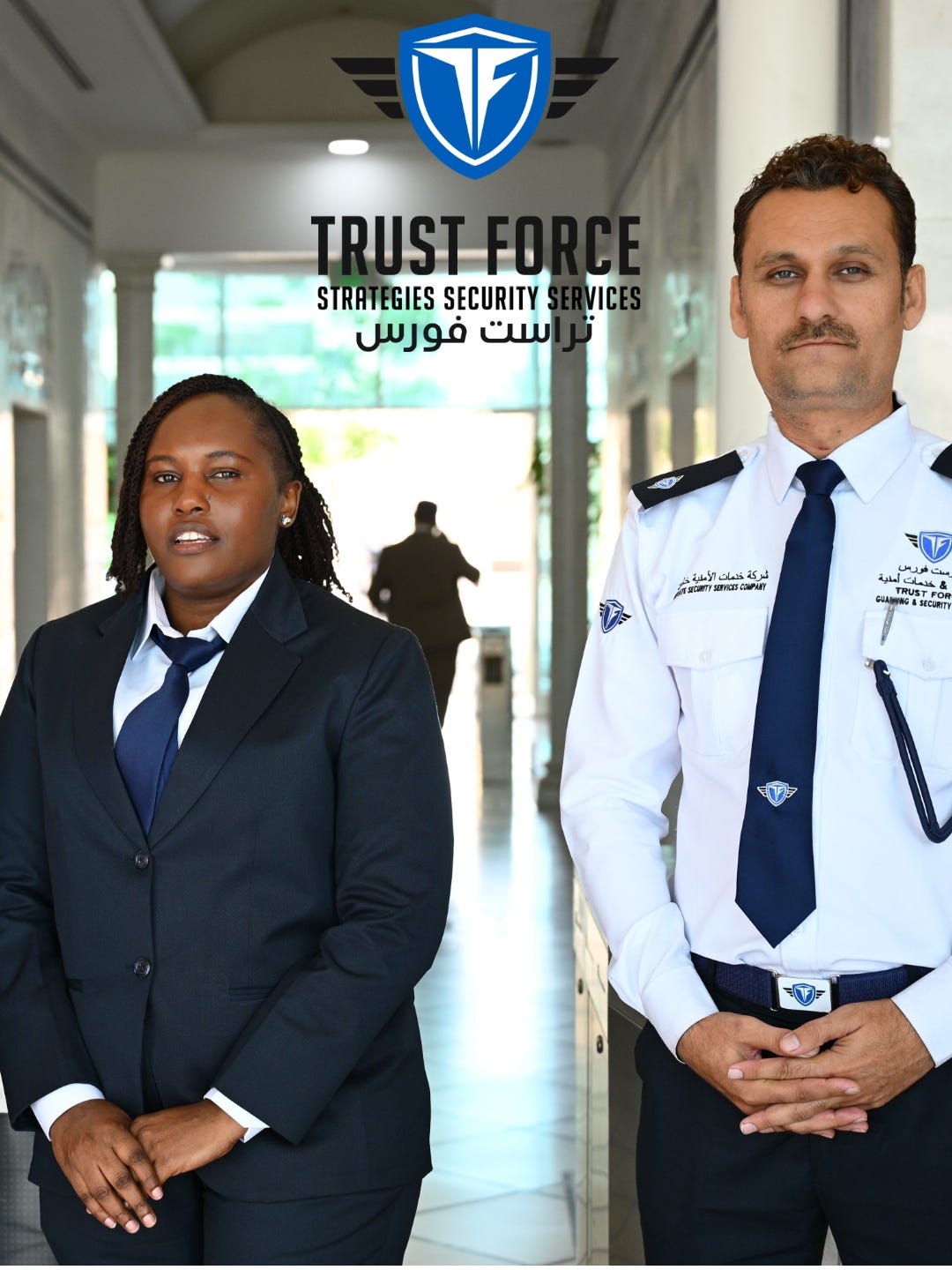
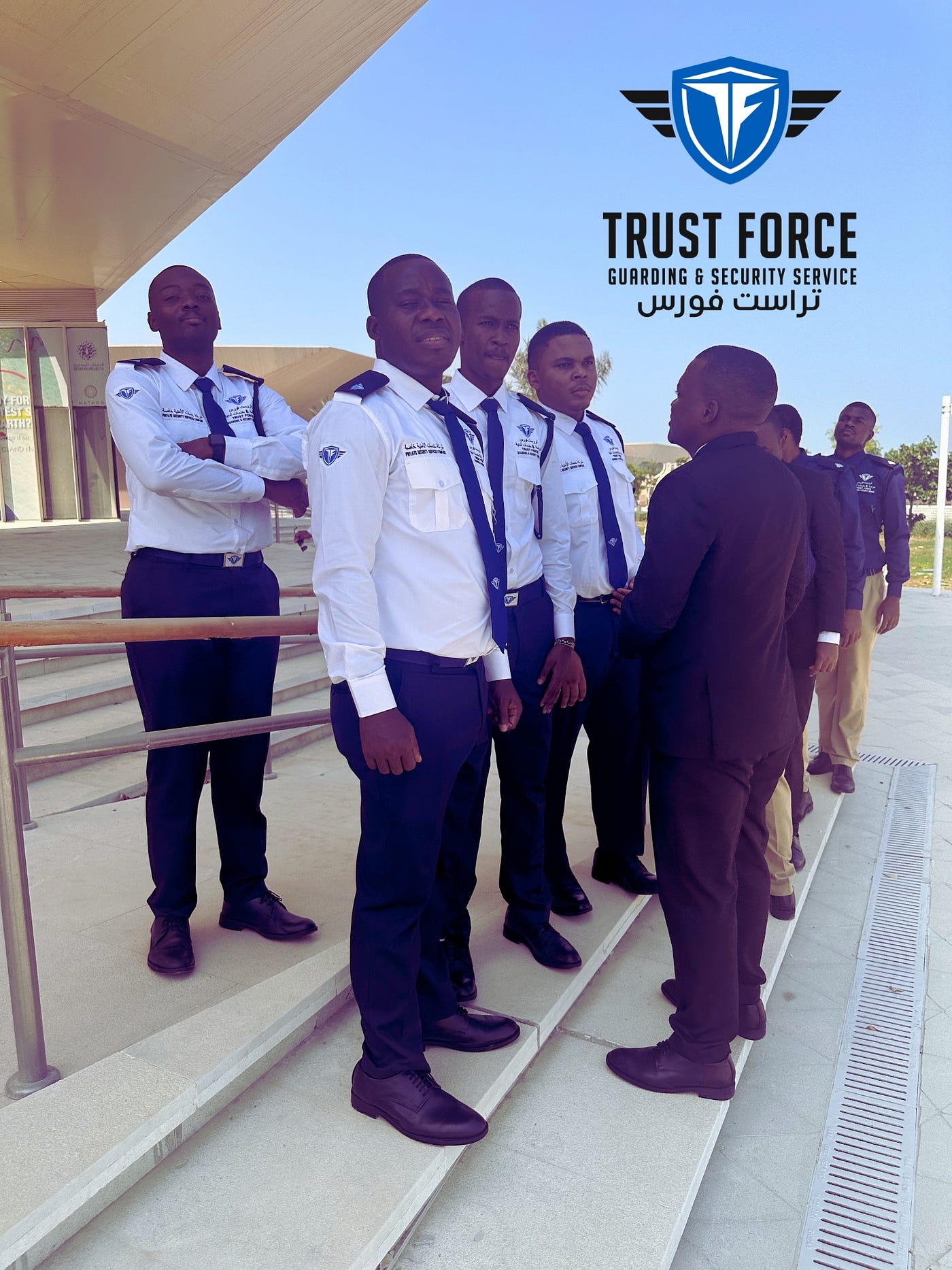
They notice the uniform. The posture. Whether the person standing at the entrance looks alert, confident and professional.
What they do not see is everything that should happen before that moment.
Long before the first shift begins, before the guard stands in the lobby of a hotel or at the entrance of a commercial building, there is another stage of the job that is often overlooked.
Walking the site.
Learning the building.
Understanding where people enter, where they should not be, which doors stay locked, which routes become crowded, and where a problem is most likely to happen.
In Doha, Lusail and across Qatar, new developments are appearing almost constantly. Hotels, office towers, shopping centres and residential compounds are opening faster than ever. Yet many companies still treat security as if it begins on the first day of the contract.
In reality, the best security work starts earlier.
The difference between an ordinary guard and a professional one is often decided before the guard has even started the shift.
A Good Security Guard Must Know More Than the Building Address
A security guard cannot protect a site properly if he has never walked through it.
Every location is different.
A hotel has different risks than a shopping centre. A residential tower operates differently from a commercial office. A warehouse, a school and a construction project each require a completely different security approach.
That is why professional security guards in Doha should never arrive at a site without first understanding:
- Where the main and secondary entrances are located
- Which areas are open to the public
- Where staff, visitors and contractors enter
- The location of emergency exits and assembly points
- CCTV positions and blind spots
- Patrol routes and restricted areas
- Loading zones, parking areas and service entrances
- High-risk locations inside the property
Without that knowledge, a security guard is simply reacting.
With it, he can prevent problems before they happen.
What Site Familiarisation Actually Means
Site familiarisation sounds technical, but the idea is simple.
Before a security team is deployed, they spend time getting to know the place they are going to protect.
Not from a map. Not from a briefing sheet.
By walking it.
A professional security guard should know where the loading area is, which entrance delivery drivers use, which staircase leads to the roof and which part of the car park is hidden from view.
He should know where guests gather, where staff smoke, which emergency exit is usually blocked and which corridor feels quiet during the day but isolated at night.
That kind of knowledge cannot be learned while standing at the gate.
It comes from being on site before the first shift starts.
At Trust Force, that preparation usually means walking through the property with the client, reviewing access points, discussing emergency procedures and identifying the areas that deserve extra attention.
It is not dramatic work.
But it is often the reason a guard reacts correctly when something unexpected happens.
Why This Matters More in Doha and Lusail
Qatar is changing quickly.
New hotels, office towers, shopping centres and residential projects continue to open across Doha and Lusail. Many of these developments are large, complex and busy.
A security guard working at a commercial tower in West Bay faces a different environment from a guard at a retail destination in Lusail or a luxury hotel near The Pearl.
The larger and more complex the site, the more important familiarisation becomes.
For example:
- In a hotel, guards need to know guest areas, staff entrances and emergency routes.
- In a shopping centre, they must understand visitor flow, parking, loading bays and restricted zones.
- In a residential property, they need to know who belongs there and who does not.
- In a commercial building, they must understand access control, contractor procedures and delivery points.
A guard who knows the site works with confidence.
A guard who does not know the site creates risk.
Security Is Not Only About Standing at the Gate
There is a tendency to think that security is simply a matter of putting someone in uniform at the entrance.
Anyone can stand at a gate.
The real question is whether that person knows what he is looking at.
When an experienced security guard works on the same site for a short time, he begins to notice details.
The delivery truck that arrived at the wrong hour.
The door that is normally closed but is suddenly open.
The visitor who seems uncomfortable when asked where he is going.
These are small things.
But in security, small things matter.
The reason a trained guard notices them is because he already understands what “normal” looks like.
Without site familiarisation, every shift begins with uncertainty.
With it, the guard arrives already knowing the site, the people and the risks.
The Difference Between Manpower and Professional Security
There is an important difference between providing manpower and providing professional security.
A manpower supplier sends a guard.
A professional security company sends a guard who already understands the site, the client, the risks and the procedures.
That difference becomes obvious very quickly.
Professional security guards are able to:
- Respond faster to incidents
- Give accurate information to emergency services
- Control access more effectively
- Assist visitors and staff confidently
- Reduce confusion during an emergency
- Protect property and people more efficiently
In other words, site familiarisation makes a security operation more professional from the very first day.
How Trust Force Prepares Security Guards Before Deployment
Before a Trust Force guard starts work in Doha, Lusail or anywhere else in Qatar, there is always preparation behind the scenes.
The team visits the property. They walk the routes. They look at the entrances, the exits, the CCTV coverage and the areas that may become vulnerable during the day or at night.
They speak with the client and understand how the site works.
Only then does the deployment begin.
Whether the assignment is a hotel, a shopping destination, a residential compound or a commercial office, the principle remains the same.
A security guard should never arrive on site for the first time when the shift starts.
By then, he should already know exactly where he is standing.
If you are looking for professional security guards in Doha, Lusail or anywhere in Qatar, Trust Force provides trained security personnel, site familiarisation and tailored security services for hotels, commercial properties, residential compounds and retail destinations.
Read the original article here:
https://trustforce.qa/professional-security-guards-doha-site-familiarisation/
Learn more about Trust Force at:
메타데이터
- post_id
- 0a1b0dbee8d2
- slug
- before-the-first-shift-the-part-of-security-most-people-never-see-0a1b0dbee8d2
- url
- https://medium.com/@pb_30727/before-the-first-shift-the-part-of-security-most-people-never-see-0a1b0dbee8d2
- canonical_url
- https://medium.com/@pb_30727/before-the-first-shift-the-part-of-security-most-people-never-see-0a1b0dbee8d2
- author_url
- https://medium.com/@pb_30727
- status
- ok
- fetched_at
- 2026-06-24 18:57:25