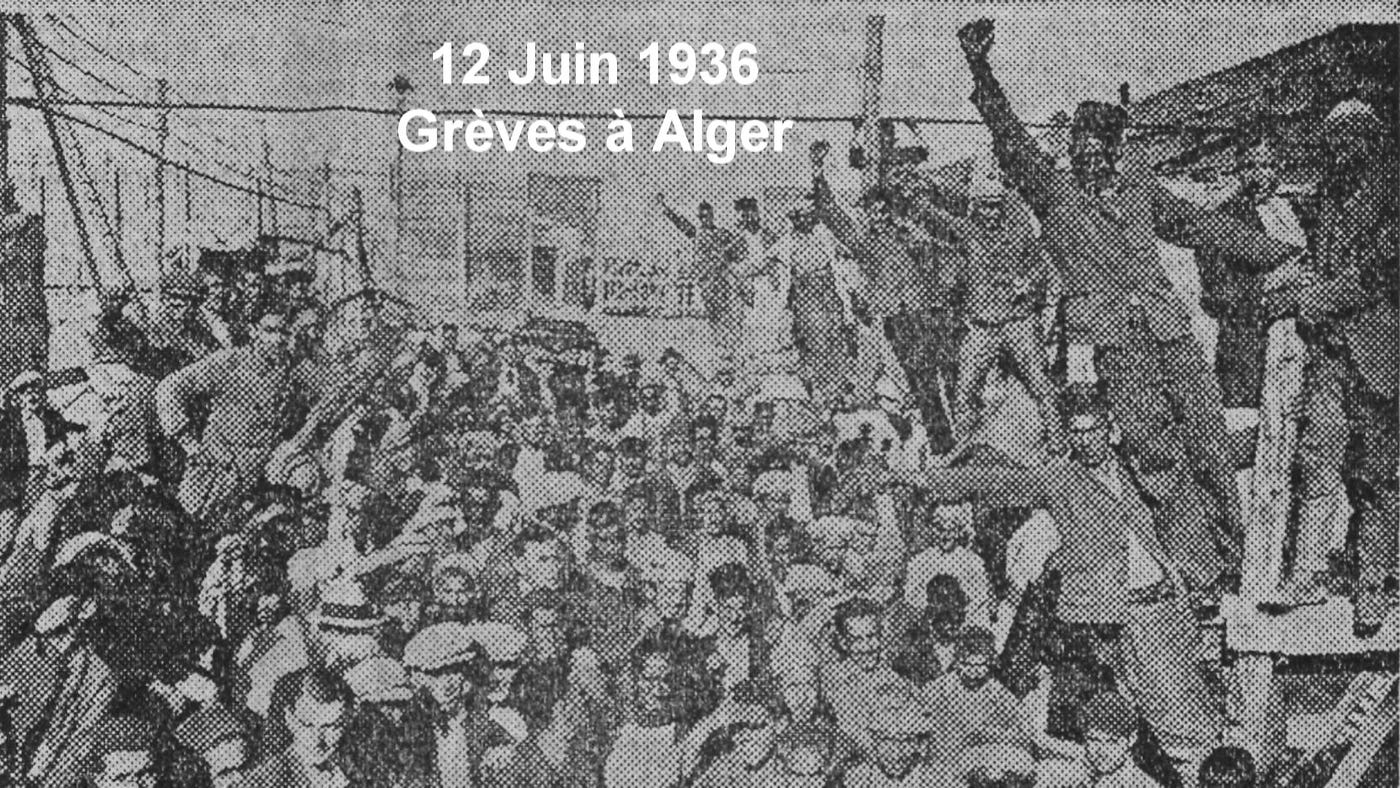
A short dialog on the spanish CNT and the industrialization of the reports
… from a spanish Discord server. I added images, the [..] and put bold. Abajito se encuentra el corto diálogo original en español, sin…
A short dialog on the spanish CNT and the industrialization of the reports
… from a spanish Discord server. I added images, the [..] and put bold. Abajito se encuentra el corto diálogo original en español, sin illustraciones.

Compa B: (…) the civil war situation was anything but easy, even if the Republic manoeuvred between little and nothing at the beginning of the coup d’état, it would not have been so easy to sweep it away. Not all the territories had the same level of anarcho-syndicalist predominance and the conflict would probably have been even bloodier and more favourable to the [far-right] insurgents. I understand that having to deal with bourgeois republicans and communists who are going to oppose anything you do on principle is not appetising, but there were no great alternatives either. Yes, it was the presence of these elements on the Republican side that put an end to the Social Revolution, but it was not an easy scenario. The attitude of certain sectors of the CNT is perfectly worthy of criticism, but neither can we fall into the misunderstanding that this was done simply because some bureaucratised elements felt like it. And it is obviously criticisable how the PCE bowed to the bourgeoisie out of convenience related to what the ComIntern was telling them.
Compa A: The attitude of the PCE seems to me to be much more open to criticism. In the CNT they did what they could But they lost their secondary core (Andalusia, Ceuta and Melilla) and with it many militants, the area of Andalusia that remained Republican (except Malaga which had everything) was more UGT.
Compa B: Ceuta and Melilla were fucked for sure hahahahahahahahahahahahahahahahaha
Compa C: but that can also be explained by decisions taken by the CNT before the war. Like when it absorbed the FNOA [https://es.wikipedia.org/wiki/Federaci%C3%B3n_Nacional_de_Agricultores] and effectively destroyed the anarchist peasant unions in Andalucia

(…)
Compa C: https://anarkobiblioteka2.files.wordpress.com/2016/08/la_cnt_en_los_ac3b1osrojos-_antonio_bar.pdf here are some things about the FNOA and its relationship with the CNT, just search for “FNOA” and don’t read all 800 pages haha

(…)
Compa C: quickly, Bar thinks that the FNOA was more anachosyndicalist than the CNT in these years (1913/1919), that the absorption of the former greatly influenced the more anarchist evolution of the CNT, but that the industrialism of the CNT almost annihilated the anarchist workers’ unions, and that too before the repression of the pistoleristas [https://en.wikipedia.org/wiki/Pistolerismo] and the dictatorship of Rivera. The peasant unions in Andalusia will never again recommend having a majority anarchist influence. The industrialism of the CNT will be a big debate during all the years before the war, and seems to be one of the multiple reasons for the failure of the CNT, and the lack of support for the revolution in the peasant regions.

Compa B: It may be The CNT in the early years was not what it was in the 30s.
Compa C: and the May Days show that even in the 30s, there was not only “one” CNT
Compa B: Obviously But in the 30s the vast majority called themselves anarchists, whether they were possibilists or fascists At the beginning the CNT was not so much anarchist
Compa C: it was mostly anarchist, the thing was more that anarcho-syndicalism did not exist, and that all anarchists were de facto revolutionary syndicalists, and spoke and militated more as such than as anarchists.


(…)
Compa B: Alright Let’s see, what used to happen here in areas like Andalusia is that the majority of peasants were day laborers, they worked on large estates owned by large landowners (now it is similar). In more northerly areas land ownership tends to be smaller, and peasants have tended to own land. In fact, the central plateau has always been more conservative the further north it is precisely for that reason. The point is that in unionism and the labor movement there has been a tendency to ignore the peasantry as opposed to the industrial worker. This happened to Marxism, and also to the CNT.

I understand the reasons, they have a lot to do with the context, things as they are. I am not saying that they were right, but the environments in which they arose were precisely industrial.
Compa C: I think it is more correct to say that these movements arise with the development of industries. Because until the 30’s, almost half of the working population in Spain were agricultural workers :)

Diálogo original, en español
Compa B: (…) la situación de la guerra civil era de todo menos fácil, aunque la República maniobrara entre poco y nada al principio del golpe de Estado, haberla barrido no habría sido tan fácil. No todos los territorios tenían el mismo nivel de predominancia anarcosindicalista y probablemente el conflicto hubiese sido aún más sangriento y favorable a los sublevados. Entiendo que tener que tratar con unos republicanos burgueses y unos comunistas que se van a oponer a cualquiera cosa que hagas por simple principio no es plato de gusto, pero tampoco había grandes alternativas. Sí, la presencia de esos elementos en el bando republicano fue lo que terminó con la Revolución social, pero no era un escenario fácil. Es perfectamente criticable la actitud de determinados sectores de la CNT, pero tampoco se puede caer en el equívoco de que eso se hizo así simplemente porque a unos elementos burocratizados les dio la gana
Y obviamente es criticable cómo el PCE se plegó a los burgueses por conveniencia relacionada con lo que les decía la ComIntern
Compa A: A mi la actitud del PCE me parece mucho más criticable la verdad En la CNT hicieron lo que pudieron Pero perdieron su núcleo secundario (Andalucía, Ceuta y Melilla) y con ello a muchos militantes, la zona de Andalucía que permaneció republicana (menos Málaga que había de todo) era más de UGT
Compa B: Ceuta y Melilla estaban jodidas sí o sí jajajajjajajajaja
Compa C: pero eso se explica tambien por decisiones que tomo la CNT antes de la guerra. Como cuando absorbo la FNOA y efectivamente destruyo los sindicatos campesinos anarquista en Andalucia.
https://anarkobiblioteka2.files.wordpress.com/2016/08/la_cnt_en_los_ac3b1osrojos-_antonio_bar.pdf aqui hay cosas sobre la FNOA y su relación con la CNT, solo tienen que buscar “FNOA” y no leer las 800 paginas jaja
Compa C: rapidamente, Bar piensa que la FNOA era mas anachosyndicalista que la CNT en estos años (1913/1919), que la absorción del primero influjo mucho la evolución más anarquista de la CNT, pero que el industrialismo de la CNT casi aniquilo los sindicatos obreros anarquistas, y eso mismo antes de la represión de los pistoleristas, y de la dictadura de Rivera. Los sindicatos campesinos en Andalucia nunca más aconsejarán tener una influencia anarquista mayoritaria. El industrialismo de la CNT sera un grán debate durante todos los años antes de la guerra, y parece ser una de la multiples razones del fallo de la CNT, y la falta de apoyo a la revolución en las regiones campesinas
Compa B: Puede ser La CNT en los primeros años no era lo que era en los 30
Compa C: y las Jornadas de Mayo demuestran que mismo en los 30, no había solo “una” CNT jaja
Compa B: Obviamente Pero en los 30 la inmensa mayoría se autodenominaba anarquista, fueran posibilistas o faístas Al principio la CNT de anarquista no tenía tanto
Compa C: era mayoritariamente anarquista, la cosa era más que el anarcosindicalismo no existía, y que todas las anarquistas era de facto sindicalistas revolucionarias, y hablaban y militaban más como tales que como anarquistas
Compa B: Bueno A ver, lo que pasaba aquí en zonas como Andalucía es que la mayoría de campesinos eran jornaleros, trabajaban en latifundios de grandes propietarios (ahora es parecido) En zonas más al norte la propiedad de la tierra tiende a ser más pequeña, y los campesinos han tendido a tener tierras propias De hecho, la meseta central siempre ha sido más conservadora cuanto más al norte precisamente por eso La cuestión es que en el sindicalismo y el movimiento obrero se ha tendido a ignorar al campesinado frente al obrero industrial. Al marxismo le pasaba, y a la CNT también
Compa B: Entiendo las razones, tienen mucho que ver con el contexto, las cosas como son. No digo que tuviesen razón, pero los ambientes en los que surgen es precisamente industriales
Compa C: pienso que es mas correcto decir que esos movimentos surgen con el desarrollo de las industrias. Por que hasta los años 30, casi la mitad de la población activa en España eran trabajadores agrícolas :)
메타데이터
- post_id
- 0a3fa401ddcd
- slug
- a-short-dialog-on-the-spanish-cnt-and-the-industrialization-of-the-reports-0a3fa401ddcd
- url
- https://medium.com/@social-translator/a-short-dialog-on-the-spanish-cnt-and-the-industrialization-of-the-reports-0a3fa401ddcd
- canonical_url
- https://medium.com/@social-translator/a-short-dialog-on-the-spanish-cnt-and-the-industrialization-of-the-reports-0a3fa401ddcd
- author_url
- https://medium.com/@social-translator
- status
- ok
- fetched_at
- 2026-07-24 00:52:46