Menopause and Executive Function
How Declining Oestrogen Impacts the Brain
Menopause and Executive Function
How Declining Oestrogen Impacts the Brain

source — Karen Humphries + canva
The phase of menopause is far more than the end of menstrual cycles. It’s a shift from childbearing/raising to the crone phase — the age of empowered wisdom.
Menopause doesn’t just mean the end of monthly bleeding. For many women, the shift marks a profound neurological transition that affects memory, focus, emotional regulation, motivation, and mental clarity.
Queen, if you have found yourself forgetting words just like Dory, struggling to stay organised, feeling emotionally reactive, or procrastinating over simple tasks, you are not imagining it.
You’re not going crazy with the onset of peri/menopause. These changes can be linked to the natural decline in oestrogen — the hormone that plays a vital role in supporting your brain’s executive functions.
What Is Executive Function?
Executive functions are the high-level cognitive processes that help you manage yourself and your life. They are primarily governed by the prefrontal cortex — the brain’s “CEO.”
Executive function can be described as your ‘life juggle’, and it allows you to perform a range of tasks:
- Monitor your thoughts, behaviours, and performance (self-monitoring)
- Regulate emotions (emotional control)
- Pause before reacting (inhibition)
- Hold and manipulate information in your mind (working memory)
- Start tasks (initiation)
- Plan, prioritise, and avoid procrastination
- Adapt when circumstances change (cognitive flexibility or shift)
- Organise time, materials, and information
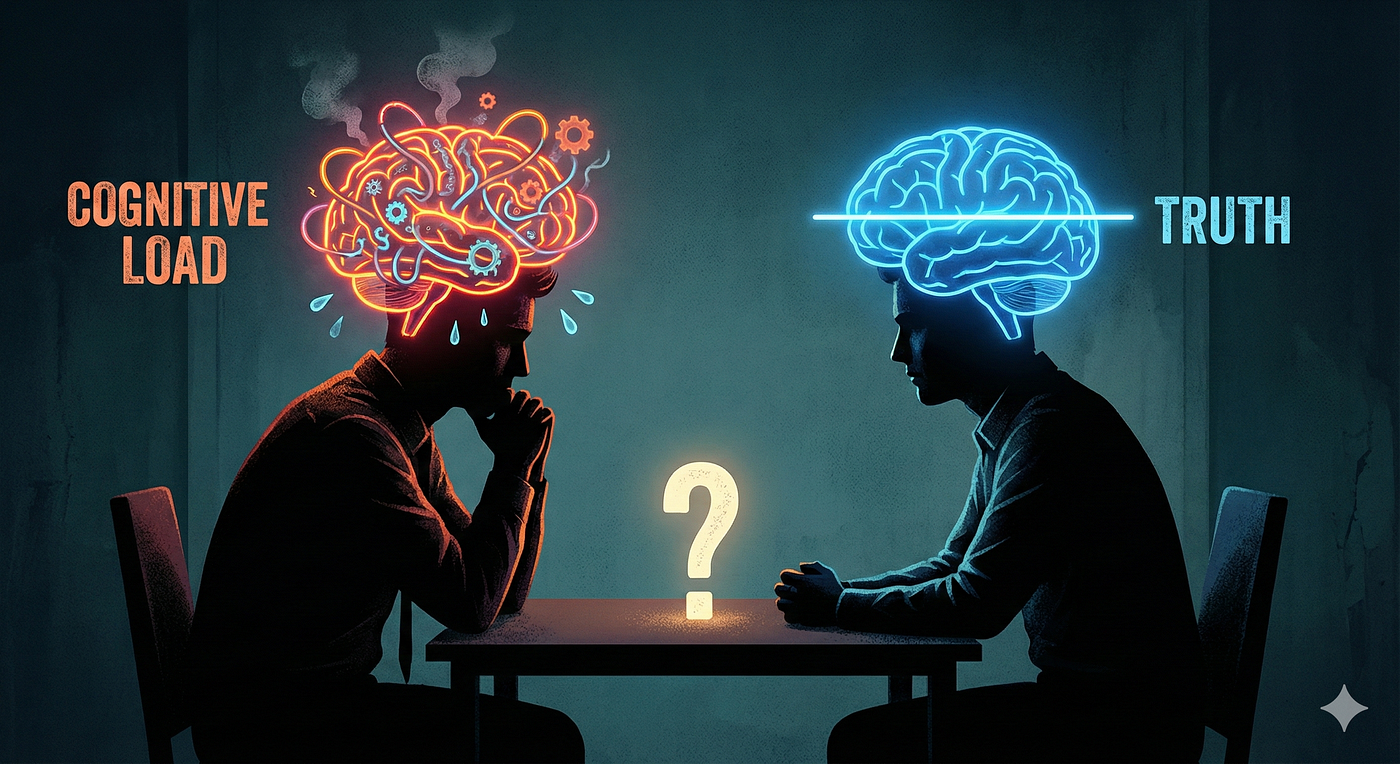
When executive function is working well, you feel mentally clear, efficient, emotionally balanced, and capable. When your executive function begins to glitch, daily life can feel somewhat impaired. Your life can feel chaotic, overwhelming, and exhausting.
This explains why the shifting (menopausal) woman uses the word “fuck” a lot, because her declining oestrogen has removed her ‘nice girl’ mask! Remember, oestrogen is your nurturing mask, without it, the life juggle starts to wobble.
Let’s explore how oestrogen supports your brain function
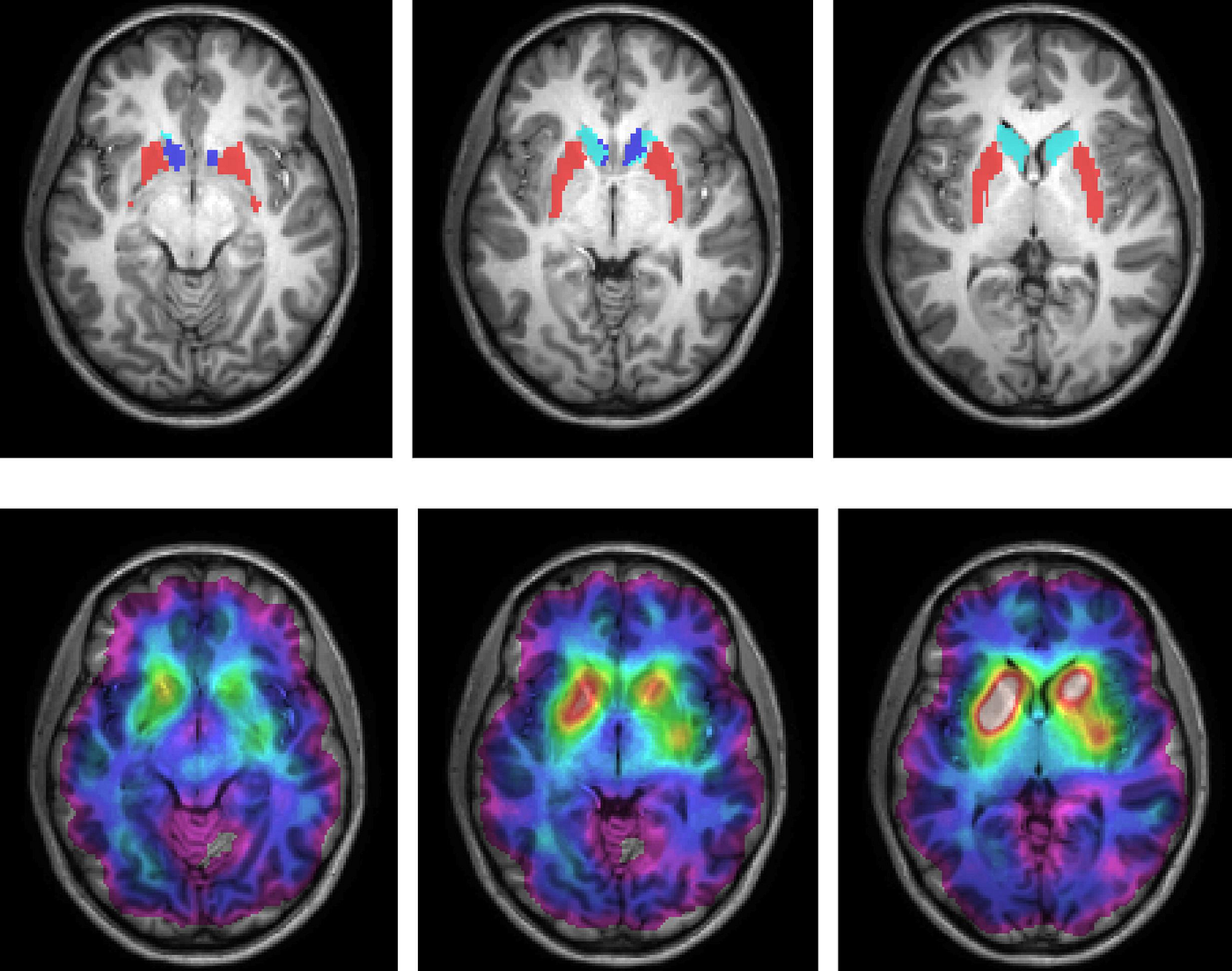
Oestrogen is a powerhouse for a woman’s body. But if we focus just on your gray matter, oestrogen is one of the brain’s most powerful neuroprotective hormones. It influences:
- Neurotransmitters including dopamine, serotonin, acetylcholine, and GABA — we want to feel good
- Brain glucose metabolism (energy production) — we want our brain to function optimally
- Blood flow to the prefrontal cortex and hippocampus — we want blood, oxygen and information flowing to solutions and memories
- Synaptic plasticity (communication between brain cells) — we want communication across all the pathways (left, right, up, down, front and back)
- Inflammation and oxidative stress regulation — we want to keep the neural and tissue pathways clear of garbage
The hormone 17β-oestradiol enhances mental flexibility, memory, attention, and emotional resilience. As levels fluctuate and decline during perimenopause and menopause, these systems become less efficient.
But Queen don’t fret, over time these processes are re-wired to function without the presence of oestrogen from your ovaries or adrenal glands. This is why your body deposits brown fat, to create a supply of oestrogen for your brain after menopause.
Why Menopause Can Disrupt Executive Function
1. Self-Monitoring
As your brain begins to lose oestrogen, and glitch, women can easily lose confidence in their ability to track details, remember commitments, and recognise errors. This is commonly described as forgetting appointments, missing steps in routine tasks, or needing to re-read information multiple times.
2. Emotional Control
Remember, oestrogen is our nurturing mask. As oestrogen levels reduce, there is a corresponding decline in levels of serotonin and GABA activity, and this makes the nervous system more reactive. This looks and feels like more irritability, tearfulness and feeling overwhelmed by minor stressors.
3. Inhibition
Without the nurturing oestrogen mask, communication changes. Tolerance of others shifts or becomes lower. What develops is a difficulty pausing before speaking or reacting, and can look like snapping at loved ones, impulsive purchases, and emotional eating.
4. Working Memory
Oestrogen is a master neuro binder. It supports the brain’s ability to hold information. As oestrogen declines, memory systems can glitch. This can look like walking into a room and forgetting why. Individuals can lose track during conversations or even experience trouble following multi-step instructions.
5. Initiation
Without the oestrogen buffer to soothe, tasks can feel harder to start, even when they are important. A menopausal woman can find herself staring at her to-do list or delaying phone calls or emails.
6. Planning vs Procrastination
The mental load of sequencing and prioritising becomes more difficult. The menopausal woman feels busy but is often quite unproductive at times. She may find herself starting many tasks and finishing few.
7. Shift (Cognitive Flexibility)
The brain becomes less efficient at switching attention. This can be expressed at feeling challenged, changing plans at the last minute or getting stuck on one thought.
8. Organisation
Keeping track of paperwork, schedules, and belongings may become challenging. The menopausal woman may struggle to maintain organisation, accumulating clutter or misplacing keys.
Conclusion
As oestrogen declines during perimenopause and menopause, the brain becomes more vulnerable to overwhelm, emotional reactivity and executive dysfunction.
Because many women have built identities around being competent caregivers, professionals, organisers and emotional regulators, these changes can feel deeply threatening to self-worth.
The key to migrating through this phase is acceptance and understanding that the Queen is literally rewiring herself!
Karen Humphries is a Neuro Change Facilitator — Mental Health Counsellor, Kinesiology Practitioner, Intuitive Meditation Facilitator, Hypnotherapist, Wellness Coach, and Clinical Resource Therapist. She is a published author. She is a self-confessed laughaholic and loves being of service to the world with her humorous and positive approach to life, encouraging people to ‘choose to change and bloom from within.’
Want more of Karen? Visit her website.
메타데이터
- post_id
- 0a71bf7d77ef
- slug
- menopause-and-executive-function-0a71bf7d77ef
- url
- https://medium.com/@changechick/menopause-and-executive-function-0a71bf7d77ef
- canonical_url
- https://medium.com/@changechick/menopause-and-executive-function-0a71bf7d77ef
- author_url
- https://medium.com/@changechick
- status
- ok
- fetched_at
- 2026-06-15 20:49:13