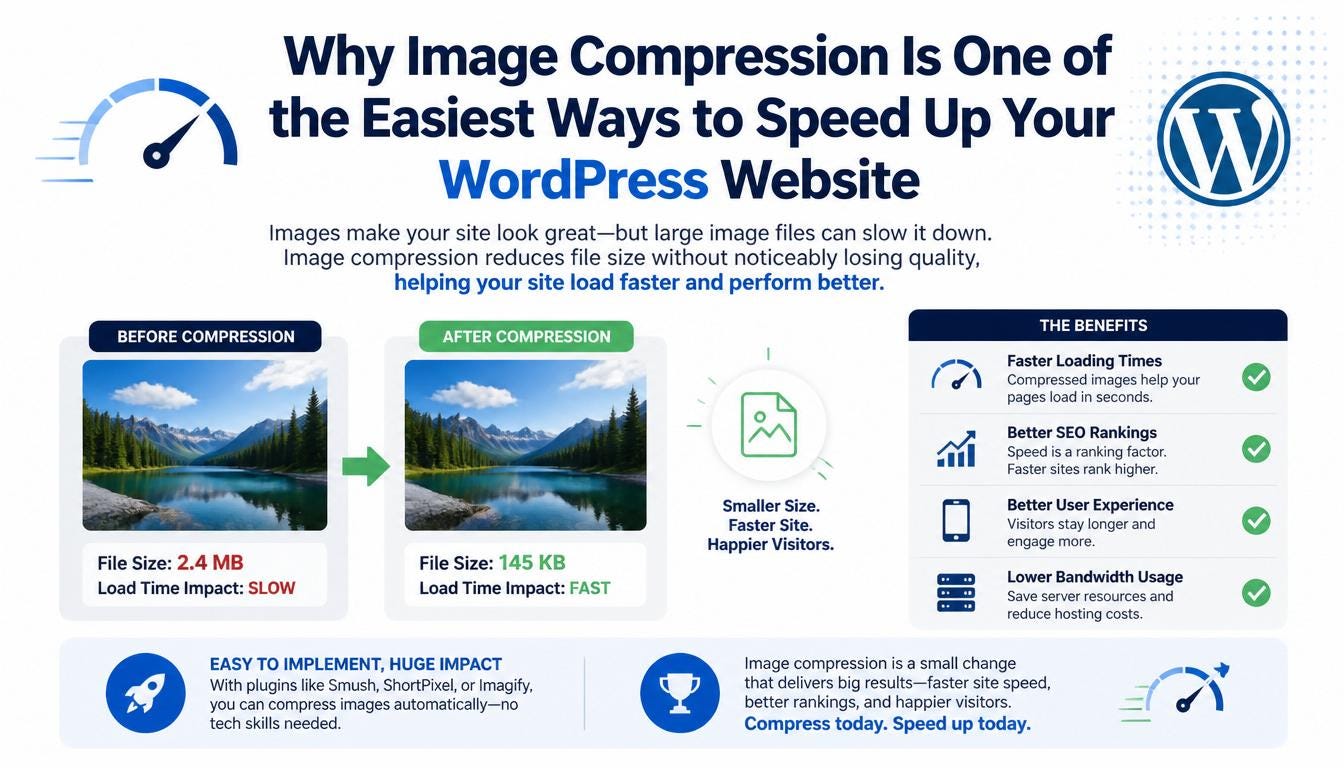
How Unoptimized Images Quietly Destroy Ecommerce Performance
Every ecommerce store wants beautiful product photos. But most stores unknowingly upload oversized, unoptimized images that silently damage…
How Unoptimized Images Quietly Destroy Ecommerce Performance
Every ecommerce store wants beautiful product photos. But most stores unknowingly upload oversized, unoptimized images that silently damage performance, SEO, and conversions.

A few high-resolution product images, a homepage banner, maybe some lifestyle shots. Then the store grows.
Suddenly:
- pages take longer to load
- mobile browsing feels sluggish
- bounce rates increase
- conversions begin dropping
Most store owners blame themes, hosting, or plugins. But often, the real issue is much simpler:
Images are the heaviest assets on almost every product page.
A single uncompressed product image can easily be larger than the combined size of your HTML, CSS, and JavaScript. That creates a chain reaction:
Slow LCP Hurts First Impressions
Largest Contentful Paint (LCP) is one of the most important performance metrics for modern websites.
When oversized images delay rendering, users wait longer before seeing meaningful content.
And online shoppers are impatient. Even a small delay can make a store feel unreliable.
Higher Bounce Rates Become Inevitable
Visitors rarely wait for slow pages. Especially on mobile networks. If product pages lag during loading, users leave before they even see the offer.
Not because the products are bad. Because the experience feels frustrating.
Mobile Shopping Suffers the Most
Desktop users with fast internet may tolerate heavy pages. Mobile users usually won’t. Large product images consume bandwidth, increase loading time, and create janky scrolling experiences.
For ecommerce brands, this is critical because mobile traffic now dominates online shopping.
Performance Directly Impacts Revenue
Slow stores don’t just lose speed scores.
They lose:
- customer trust
- engagement
- SEO visibility
- conversions
- revenue
Performance optimization is no longer a “technical improvement.” It’s part of the sales funnel.
The Hidden Cost of Unoptimized Media
Many growing websites continue storing and serving original high-resolution uploads directly from their servers.
Over time this creates:
- storage bloat
- expensive bandwidth usage
- slower backups
- server strain during traffic spikes
The infrastructure cost quietly grows alongside the image library.
A Better Approach
Modern websites increasingly rely on:
- image compression
- CDN delivery
- object storage
- media offloading
- lazy loading
- next-gen formats like WebP
Not because it’s trendy. Because performance has become a competitive advantage.
Final Thoughts
Most ecommerce performance problems are not caused by a single catastrophic mistake. They come from hundreds of oversized images added over time without optimization.
The scary part is: many store owners don’t realize the damage until traffic, SEO, and conversions are already affected. And by then, the site feels slow everywhere.
That realization is one of the reasons I became interested in media optimization and storage offloading solutions like **Next3 Offload**.
메타데이터
- post_id
- 0aba96b099b5
- slug
- how-unoptimized-images-quietly-destroy-ecommerce-performance-0aba96b099b5
- url
- https://medium.com/@andrewecookcook/how-unoptimized-images-quietly-destroy-ecommerce-performance-0aba96b099b5
- canonical_url
- https://medium.com/@andrewecookcook/how-unoptimized-images-quietly-destroy-ecommerce-performance-0aba96b099b5
- author_url
- https://medium.com/@andrewecookcook
- status
- ok
- fetched_at
- 2026-06-09 15:37:30