The Most Dangerous Myth in Healthcare: More Experience Does Not Automatically Mean Better Clinical…
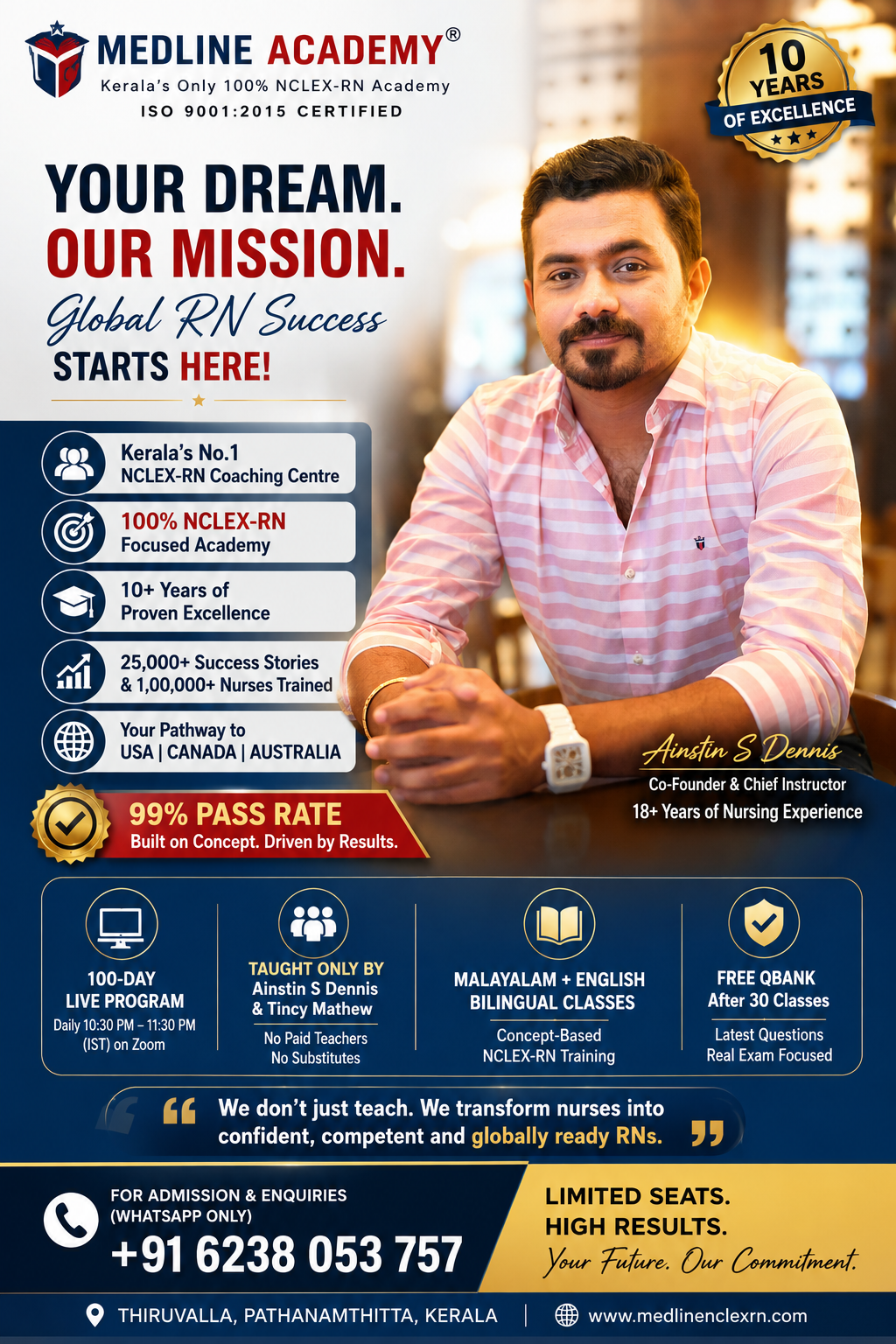
Ainstin S Dennis, nursing educator, speaking about why clinical judgment matters more than experience in modern healthcare.
The Most Dangerous Myth in Healthcare: More Experience Does Not Automatically Mean Better Clinical Judgment

Ainstin S Dennis, nursing educator, speaking about why clinical judgment matters more than experience in modern healthcare.
Healthcare professionals often hear a common assumption:
“Experience automatically creates expertise.”
At first glance, the statement appears reasonable.
Experience matters.
Experience provides exposure.
Experience builds confidence.
Experience improves efficiency.
However, there is an important distinction that healthcare rarely discusses openly:
Experience alone does not automatically produce better clinical judgment.
Some professionals accumulate years of experience.
Others accumulate years of learning.
These are not always the same thing.
As healthcare becomes increasingly complex, the ability to think critically, reflect continuously, and adapt professionally may become more important than experience alone.
Why Experience Matters
Experience remains one of the most valuable assets in healthcare.
Experienced professionals often:
- Recognize patterns quickly
- Anticipate complications
- Communicate effectively
- Navigate complex situations
- Manage uncertainty with confidence
Healthcare organizations benefit tremendously from experienced professionals.
Patients benefit as well.
The goal is not to minimize the importance of experience.
The goal is to understand its limitations.
The Difference Between Exposure and Growth
A healthcare professional may spend ten years performing similar tasks.
Another professional may spend ten years continuously improving.
Both individuals possess ten years of experience.
However, their professional development may be very different.
Growth requires:
- Reflection
- Learning
- Adaptation
- Curiosity
- Self-awareness
Without these elements, experience may become routine rather than transformative.
Experience creates opportunity.
Growth determines the outcome.
Why Clinical Judgment Matters More Than Ever
Modern healthcare environments are becoming increasingly complex.
Patients frequently present with:
- Multiple diagnoses
- Numerous medications
- Complicated treatment plans
- Significant healthcare risks
Healthcare professionals must constantly:
- Interpret information
- Prioritize concerns
- Evaluate risk
- Make decisions
- Adapt to uncertainty
These responsibilities require clinical judgment.
Clinical judgment cannot be measured solely by years worked.
It depends upon how effectively a professional learns from experience.
Repetition Does Not Always Produce Expertise
Many people assume repetition automatically improves performance.
In reality, repetition often improves familiarity.
Expertise requires something more.
A professional may repeat the same activity thousands of times.
Without reflection and improvement, performance may remain relatively unchanged.
Healthcare expertise develops when professionals consistently ask:
- What happened?
- Why did it happen?
- What could be improved?
- What can I learn from this situation?
Reflection transforms experience into expertise.
The Healthcare Environment Continues Changing
One reason experience alone is no longer sufficient is that healthcare itself continues evolving.
New developments emerge constantly:
- Clinical guidelines
- Technologies
- Treatments
- Research findings
- Patient care models
Knowledge that was considered current ten years ago may now be outdated.
Healthcare professionals must remain adaptable.
Lifelong learning has become essential.
The future belongs not only to experienced professionals but also to professionals who continue learning.
Confidence Can Be Helpful — And Dangerous
Experience often increases confidence.
Confidence can improve performance.
Confident professionals may:
- Communicate more effectively
- Make decisions more efficiently
- Function calmly under pressure
However, confidence without reflection can become problematic.
Overconfidence may lead to:
- Assumptions
- Complacency
- Reduced curiosity
- Resistance to learning
The most effective healthcare professionals often balance confidence with humility.
They remain open to new information regardless of experience level.
Patient Safety Depends on Continuous Learning
Patient safety remains one of healthcare’s most important responsibilities.
Protecting patients requires:
- Current knowledge
- Sound judgment
- Effective communication
- Ongoing professional development
Healthcare professionals who stop learning may unintentionally increase risk.
Continuous improvement helps ensure patient care remains safe and effective.
Patient safety depends not only on experience but also on the willingness to evolve.
Why New Professionals Should Not Undervalue Themselves
Many early-career healthcare professionals assume they have little to contribute because they lack experience.
This assumption is often incorrect.
New professionals frequently bring:
- Current educational preparation
- Fresh perspectives
- Technological familiarity
- Strong motivation to learn
While experience remains valuable, professional contribution is not determined solely by years worked.
The combination of learning, curiosity, and professional growth can create tremendous value.
The Best Professionals Never Stop Learning
One characteristic appears consistently among highly respected healthcare professionals.
They continue learning.
Regardless of:
- Age
- Position
- Experience level
- Professional title
They remain curious.
They ask questions.
They seek improvement.
They embrace change.
These behaviors strengthen clinical judgment throughout an entire career.
Learning does not stop when formal education ends.
In many ways, it begins.
Leadership and Clinical Judgment
Leadership requires effective decision-making.
Healthcare leaders frequently encounter situations involving:
- Uncertainty
- Complexity
- Risk
- Competing priorities
Experience helps.
However, leadership effectiveness depends heavily upon judgment.
Strong leaders learn continuously because they recognize that healthcare continues evolving.
The willingness to adapt often distinguishes effective leaders from ineffective ones.
Technology Is Changing the Meaning of Experience
Artificial intelligence and advanced healthcare technologies are transforming clinical environments.
Information is more accessible than ever before.
Technology can:
- Identify patterns
- Generate alerts
- Support decision-making
As technology expands, clinical judgment becomes increasingly important.
Healthcare professionals must determine:
- What information matters
- What actions are necessary
- What risks require attention
The future may place greater value on thinking skills than on years of experience alone.
The Future Healthcare Professional
The healthcare professional of the future will need:
- Experience
- Knowledge
- Clinical judgment
- Adaptability
- Curiosity
- Lifelong learning habits
No single characteristic will be sufficient independently.
Professional excellence will depend upon the ability to combine experience with continuous growth.
Healthcare complexity demands nothing less.
The Most Valuable Question
Perhaps the most important professional development question is not:
“How many years of experience do I have?”
A better question may be:
“How much have I learned from my experience?”
The answer often provides a more accurate measure of professional growth.
Final Thoughts
Experience remains one of healthcare’s greatest assets.
However, experience alone does not automatically create expertise.
Clinical judgment develops through reflection.
Leadership develops through learning.
Professional growth develops through curiosity.
Healthcare continues changing.
Technology continues advancing.
Patient needs continue evolving.
The professionals who thrive in this environment will not simply be those with the most experience.
They will be those who continue learning, adapting, and improving throughout their careers.
Because ultimately, the value of experience is determined not by the number of years accumulated, but by the wisdom gained along the way.
Written by Ainstin S Dennis, MSc Nursing — Nursing Educator, NCLEX-RN Mentor, and Advocate for Clinical Judgment, Patient Safety, and Global Nursing Excellence.
메타데이터
- post_id
- 0afb93b4f18d
- slug
- the-most-dangerous-myth-in-healthcare-more-experience-does-not-automatically-mean-better-clinical-0afb93b4f18d
- url
- https://medium.com/medline-academy-nclex-rn-coaching-kerala/the-most-dangerous-myth-in-healthcare-more-experience-does-not-automatically-mean-better-clinical-0afb93b4f18d
- canonical_url
- https://medium.com/medline-academy-nclex-rn-coaching-kerala/the-most-dangerous-myth-in-healthcare-more-experience-does-not-automatically-mean-better-clinical-0afb93b4f18d
- author_url
- https://medium.com/@ainstin-s-dennis
- status
- ok
- fetched_at
- 2026-06-26 12:24:55