Navigating the Intricate Landscape of Designing Hazardous Areas for Chemical Storage Facilities
Chemical storage facilities are integral to numerous industries, serving as centralized hubs for managing hazardous substances. However…
Navigating the Intricate Landscape of Designing Hazardous Areas for Chemical Storage Facilities
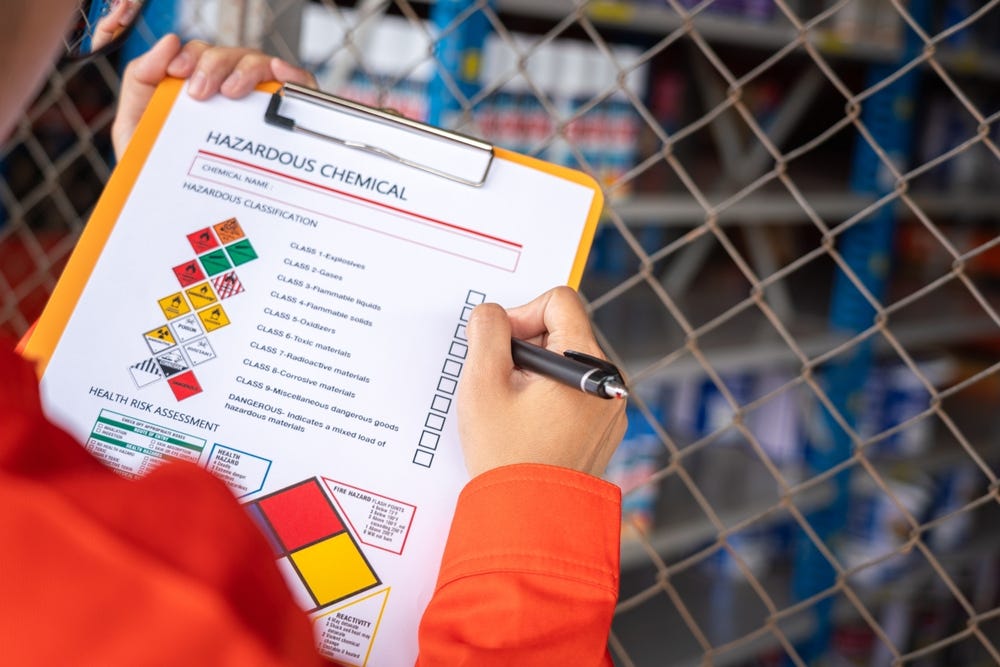
Chemical storage facilities are integral to numerous industries, serving as centralized hubs for managing hazardous substances. However, the storage and handling of potentially dangerous materials demand meticulous planning and design to ensure the safety of both personnel and the surrounding environment. In this blog post, we will delve into the significance of **Hazardous Area Design and Planning, focusing on the crucial aspects of [Hazardous Area Classification and Design](https://www.pmv.net.au/courses/eeha-courses/hazardous-areas-classification-design-competency-skill-set-course/)**.
Hazardous Area Design and Planning is a comprehensive process encompassing the identification, assessment, and mitigation of risks associated with hazardous substances. This process is paramount for safeguarding personnel, assets, and the environment. Key steps in this process include Hazardous Area Classification (HAC) and subsequent design and planning efforts.
- Hazardous Area Classification (HAC): HAC involves categorizing different areas within a facility based on the likelihood and extent of flammable gases, vapors, liquids, or combustible dust. This classification forms the basis for implementing appropriate safety measures and controls, with zones ranging from Zone 0 to Zone 2 for gases and vapors and Zone 20 to Zone 22 for combustible dusts.
- Hazardous Area Design and Planning: This phase entails a comprehensive approach to identify, assess, and control risks related to storing and handling hazardous substances. Factors considered include the type and quantity of chemicals, ventilation systems, electrical equipment, and emergency response procedures. The goal is to minimize the likelihood of accidents and mitigate consequences if incidents occur.
Key components of Hazardous Area Design and Planning include:
- Hazardous Area Classification: Dividing the facility into zones based on the probability and duration of flammable or explosive atmospheres.
- Ventilation Systems: Ensuring adequate ventilation to prevent hazardous vapor buildup, considering airflow, exhaust systems, and emergency ventilation.
- Emergency Response: Planning for emergencies by designing exits, evacuation routes, and providing firefighting equipment. Regular training in emergency response procedures is essential.
For professionals seeking expertise in Hazardous Area Design and Planning, **Project Management Vision (PMV) in Perth and Adelaide offers specialized courses. PMV’s Hazardous Areas Classification and Design training align with industry standards and regulations, ensuring participants are well-equipped to navigate the complexities of hazardous environments. To learn more about these courses,[ contact ](https://www.pmv.net.au/contact-us/)**PMV today.
메타데이터
- post_id
- 0b326e4979d3
- slug
- navigating-the-intricate-landscape-of-designing-hazardous-areas-for-chemical-storage-facilities-0b326e4979d3
- url
- https://medium.com/@hello-47117/navigating-the-intricate-landscape-of-designing-hazardous-areas-for-chemical-storage-facilities-0b326e4979d3
- canonical_url
- https://medium.com/@hello-47117/navigating-the-intricate-landscape-of-designing-hazardous-areas-for-chemical-storage-facilities-0b326e4979d3
- author_url
- https://medium.com/@hello-47117
- status
- ok
- fetched_at
- 2026-07-24 07:51:51