Is Traditional Headgear Still Necessary in CPAP Therapy?
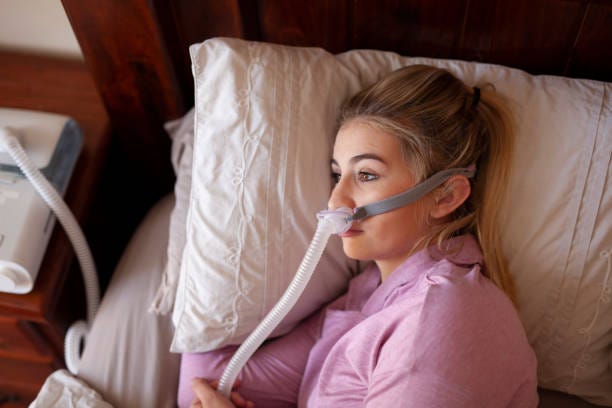
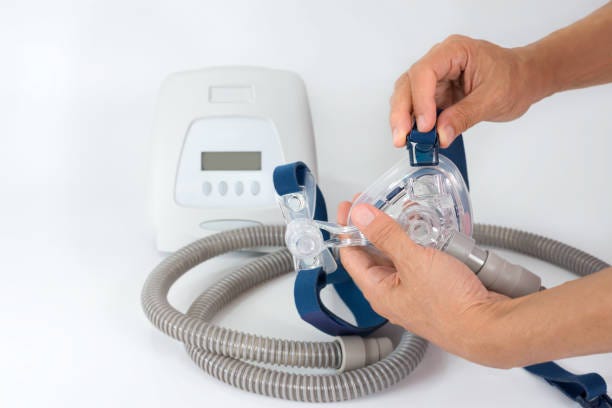
Most CPAP users recognize the same setup. A mask sits on the face, held in place by straps that wrap around the head.
Is Traditional Headgear Still Necessary in CPAP Therapy?
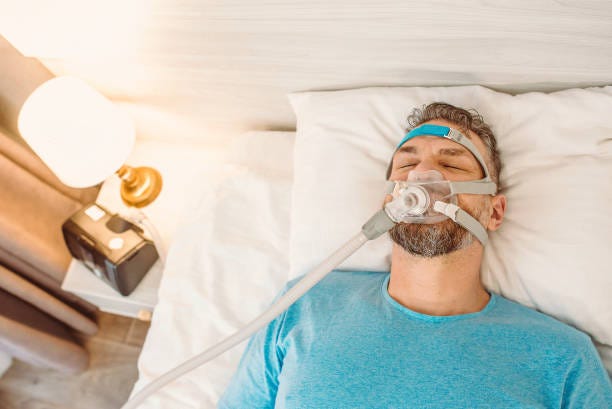
Most CPAP users recognize the same setup. A mask sits on the face, held in place by straps that wrap around the head.
For years, this design has been standard. Headgear keeps the mask stable and helps maintain a seal during sleep.
But as CPAP technology evolves, a question is starting to come up more often.
Is traditional headgear still necessary, or is it simply the way masks have always been designed?
Why Traditional Headgear Exists
CPAP therapy depends on a stable seal.
Air pressure must stay consistent to keep the airway open. If the mask shifts or leaks, therapy becomes less effective.
Headgear solves this problem by:
- holding the mask in position
- distributing pressure across the head
- keeping the cushion aligned with the face
This approach has worked well for many years. It is simple, reliable, and widely used across all mask types.
The Trade-Offs of Headgear
While headgear provides stability, it also introduces trade-offs.
Many users report:
- pressure marks on the face
- tension around the scalp
- discomfort near the temples
- hair breakage along strap lines
- difficulty finding the right fit
These issues do not affect every user. But for some, headgear becomes the most noticeable part of therapy.
Tightening the straps often seems like the solution. In many cases, it increases pressure without improving the seal.
How Headgear Affects Compliance
CPAP therapy works best when it is used every night.
Comfort plays a key role in whether that happens.
If the mask feels difficult to manage, users may:
- adjust it during the night
- remove it while sleeping
- reduce usage over time
Headgear can contribute to these issues if it creates pressure or requires repeated adjustment.
A design that feels easier to wear is more likely to support long-term use.
The Shift Toward Simpler Interfaces
Over the last decade, CPAP mask design has started to change.
Manufacturers are focusing more on:
- Reducing mask size
- lowering facial contact
- simplifying setup
- using lighter materials
These changes reflect a broader goal. Make therapy easier to tolerate without compromising performance.
Can CPAP Work Without Headgear?
Newer designs are exploring ways to reduce or remove traditional headgear.
Instead of relying on straps, some systems use alternative sealing methods.
For example, headgear-free nasal interfaces such as DreamPort and Eclipse, developed by Bleep Sleep, attach beneath the nostrils using adhesive seals rather than straps. This approach removes the need for headgear and reduces contact points across the face and scalp.
By eliminating straps, these designs aim to reduce pressure, simplify setup, and address one of the most common sources of discomfort in CPAP therapy.
This does not mean headgear-free systems are the right choice for everyone. But they show that traditional headgear is not the only way to maintain a seal.
When Headgear Still Makes Sense
Traditional headgear remains useful in many situations.
It may still be the better option for:
- full-face masks
- mouth breathers
- Higher pressure therapy
- users who prefer a secure strap-based fit
Headgear provides a level of stability that some designs still depend on.
A Shift in Design Thinking
The role of headgear in CPAP therapy is not disappearing. It is being re-evaluated.
Earlier designs focused mainly on maintaining a seal. Newer designs consider how that seal is achieved and how it feels during use.
The focus is shifting toward:
- comfort
- simplicity
- reduced pressure
- fewer contact points
Headgear is no longer the only approach.
The Takeaway
Traditional headgear has played an important role in CPAP therapy. It continues to work well for many users.
At the same time, newer designs are offering alternative ways to achieve the same goal.
The question is no longer whether headgear works. It is necessary for every user.
As mask design continues to evolve, users now have more options. Choosing the right interface depends on comfort, fit, and the ability to use therapy consistently.
If you use CPAP therapy, how has headgear affected your experience?
메타데이터
- post_id
- 0bb1e28bf0ae
- slug
- is-traditional-headgear-still-necessary-in-cpap-therapy-0bb1e28bf0ae
- url
- https://medium.com/@bleepsleep/is-traditional-headgear-still-necessary-in-cpap-therapy-0bb1e28bf0ae
- canonical_url
- https://medium.com/@bleepsleep/is-traditional-headgear-still-necessary-in-cpap-therapy-0bb1e28bf0ae
- author_url
- https://medium.com/@bleepsleep
- status
- ok
- fetched_at
- 2026-06-09 15:37:30