Walls, Doors, and Systemic Oppression: Arian Simone and the Global Black Struggle
By Rev. Pastor Vonnie E James, JP — Doctoral Candidate / Public Theologian, Grenada Baptist Association 13th May, 2026
Walls, Doors, and Systemic Oppression: Arian Simone and the Global Black Struggle
By Rev. Pastor Vonnie E James, JP — Doctoral Candidate / Public Theologian, Grenada Baptist Association 13th May, 2026
Introduction
Mark 1:14–15 records Jesus’ first public words: “The time is fulfilled, and the kingdom of God is at hand; repent and believe in the gospel.” Repentance here is not passive regret but active transformation. In social systems, repentance means confronting injustice and changing structures that perpetuate inequality. The lawsuit against Arian Simone, a Black woman entrepreneur, illustrates how systems are designed — by default — to undermine Black progress. Her response, pivoting to Africa with a $200 million fund for women of color entrepreneurs, demonstrates resistance and re‑creation of opportunity. This case is not isolated; it reflects a global reality of systemic oppression against Africans, Black Americans, and Black people worldwide.
The Case of Arian Simone
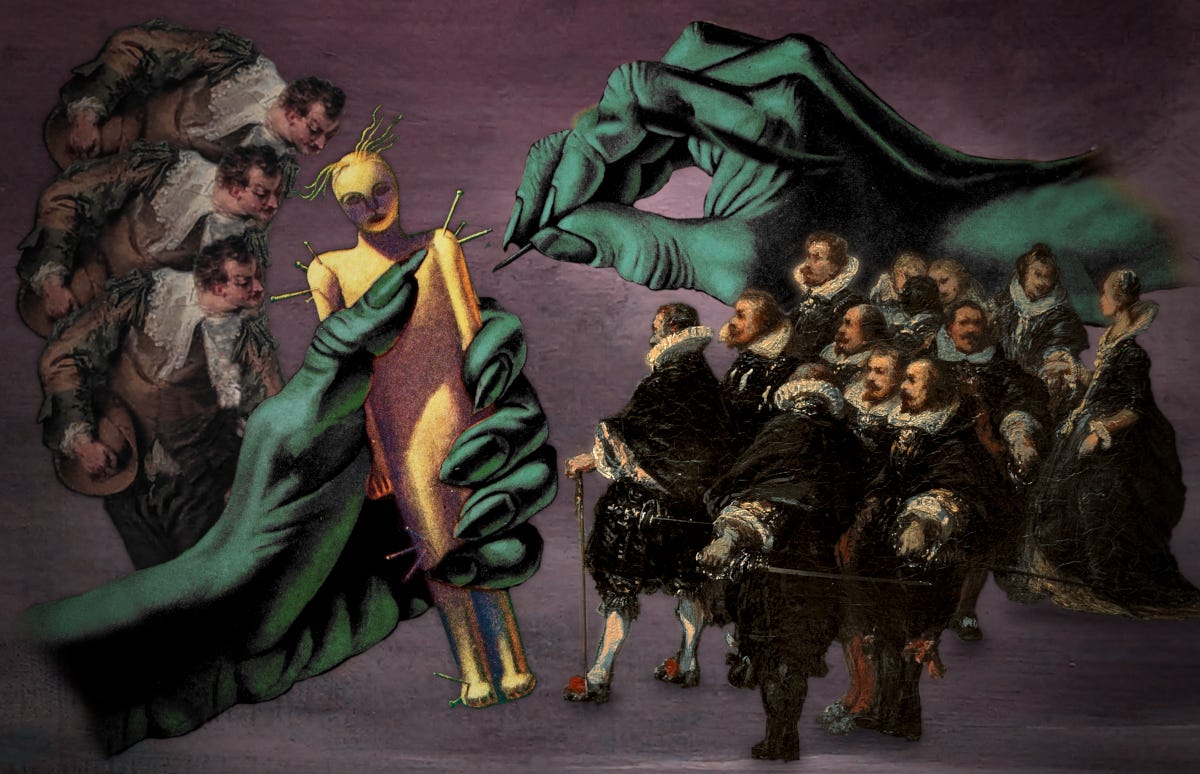
Arian Simone’s trajectory — from homelessness to building a $200 million fund — embodies resilience. Yet her success was met with legal opposition. When she directed capital specifically toward Black women entrepreneurs, she was sued. The lawsuit functioned as a “wall,” a legal mechanism intended to halt her mission. Instead of retreating, Simone pivoted to Africa, expanding her vision globally. This act of resistance demonstrates how systemic barriers are designed to obstruct Black progress, but also how Black agency transforms obstacles into opportunities (Collins, 2000).
Structural Oppression in the United States
Simone’s experience reflects broader patterns in the United States. Black entrepreneurs face disproportionate barriers in accessing venture capital. Studies show that less than 1% of venture capital funding goes to Black founders, and Black women receive an even smaller fraction (Robinson, 2020). These disparities are not accidental; they are the product of historical exclusion rooted in slavery, Jim Crow laws, redlining, and discriminatory lending practices (Bell, 1992). The system is designed to privilege whiteness and marginalize Black advancement.
Legal challenges, like the one Simone faced, are part of this design. By framing targeted support for Black women as discriminatory, lawsuits weaponize “neutrality” against equity. This reflects what Crenshaw (1991) calls “structural intersectionality” — the way overlapping systems of oppression (race, gender, class) converge to block Black women’s progress.
Global Dimensions of Black Oppression
Simone’s pivot to Africa highlights the global nature of systemic oppression. Across the African continent, colonial legacies continue to shape economic realities. Structural adjustment programs imposed by international financial institutions have often undermined local development, prioritizing debt repayment over social investment (Rodney, 1972). Trade imbalances, resource extraction, and global capital flows perpetuate dependency and limit African agency.
Similarly, in the Caribbean and Latin America, Black populations face systemic marginalization through economic exclusion, political disenfranchisement, and cultural erasure. In Europe, African and Caribbean diasporas encounter racial profiling, employment discrimination, and barriers to housing. Globally, Blackness is positioned as “other,” and systems are designed to maintain inequality.
Myths and Misunderstandings
Repentance requires rejecting myths that sustain oppression. Simone’s story exposes several:
- Government as God — The myth that governments are ultimate providers masks their role in perpetuating inequality. The truth is that governments must repent of policies that criminalize poverty and exclude Black communities.
- Others Responsible for Progress — The myth that Black success depends on external validation ignores the reality of self‑determination. The truth is that progress requires both agency and structural reform.
- Church Responsible for Spirituality — The myth that institutions carry spiritual responsibility obscures personal accountability. The truth is that spirituality must be lived daily, not outsourced.
- Women as Pleasure, Not Partners — The myth that women exist for male gratification sustains gender oppression. The truth is that women are equal partners in leadership and progress.
- Family as Sole Foundation — The myth that family alone defines identity ignores the broader community and divine purpose. The truth is that resilience must be rooted in God and solidarity.
These myths mirror systemic misunderstandings that perpetuate inequality. Repentance requires truth‑telling, visible action, and solidarity to dismantle structures that undermine Black progress.
Resistance and Re‑Creation
Simone’s pivot demonstrates what Collins (2000) calls “resilient agency.” By expanding her mission globally, she transformed opposition into scale. This act embodies the principle that when systems attempt to block Black progress, resistance can re‑create opportunity. The lawsuit intended to silence her became the catalyst for a larger vision.
This dynamic is echoed throughout Black history: enslaved Africans resisted through culture and community; civil rights activists transformed segregation into a movement for justice; African nations turned colonial oppression into independence struggles. Each act of resistance re‑creates possibility in the face of systemic barriers.
Conclusion
The lawsuit against Arian Simone is emblematic of how systems are designed to obstruct Black advancement. Yet her pivot demonstrates that resistance can transform barriers into opportunities. Repentance, both personal and systemic, means rejecting myths, confronting injustice, and building new pathways of empowerment. For Christian discipleship, repentance is essential; for social justice, it is urgent.
Simone’s story is not just about one entrepreneur. It is about the global Black struggle against systems designed to undermine progress. From the United States to Africa, from the Caribbean to Europe, Black people face systemic oppression. Yet through resilience, solidarity, and repentance, walls can become doors.
References
- Bell, D. (1992). Faces at the bottom of the well: The permanence of racism. Basic Books.
- Collins, P. H. (2000). Black feminist thought: Knowledge, consciousness, and the politics of empowerment. Routledge.
- Crenshaw, K. (1991). Mapping the margins: Intersectionality, identity politics, and violence against women of color. Stanford Law Review, 43(6), 1241–1299.
- Robinson, J. (2020). Banking on inequality: Racial disparities in access to capital. Journal of Economic Perspectives, 34(3), 89–112.
- Rodney, W. (1972). How Europe underdeveloped Africa. Bogle‑L’Ouverture Publications.
- Holy Bible, New International Version. (2011). Zondervan.
메타데이터
- post_id
- 0bd2a4d36da1
- slug
- walls-doors-and-systemic-oppression-arian-simone-and-the-global-black-struggle-0bd2a4d36da1
- url
- https://medium.com/@VonnieJ/walls-doors-and-systemic-oppression-arian-simone-and-the-global-black-struggle-0bd2a4d36da1
- canonical_url
- https://medium.com/@VonnieJ/walls-doors-and-systemic-oppression-arian-simone-and-the-global-black-struggle-0bd2a4d36da1
- author_url
- https://medium.com/@VonnieJ
- status
- ok
- fetched_at
- 2026-06-12 18:14:10