Chemical Compatibility in Storage Tanks
Industrial chemical storage tanks must be designed with one critical factor in mind: chemical compatibility. Choosing the wrong tank…
Chemical Compatibility in Storage Tanks
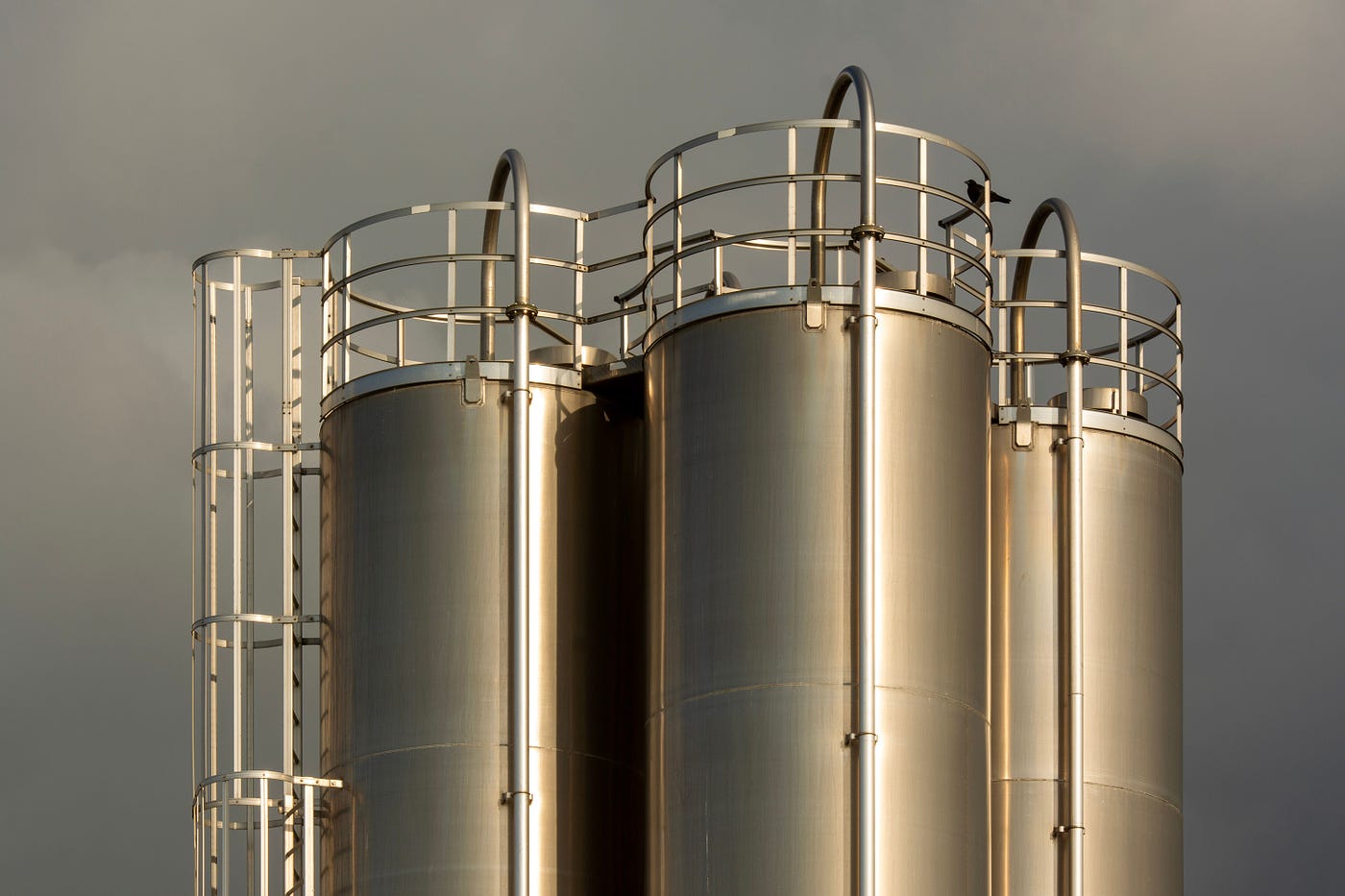
Industrial chemical storage tanks must be designed with one critical factor in mind: chemical compatibility. Choosing the wrong tank material can lead to corrosion, leaks, safety hazards, and premature system failure.
This guide explains how chemical compatibility works, which materials are commonly used, and how engineers select the right industrial storage tank for safe long-term performance.
What Is Chemical Compatibility in Storage Tanks?
Chemical compatibility refers to the ability of a storage tank material to safely contain a chemical without reacting or degrading.
When a material is incompatible with a chemical, it may:
- Corrode over time
- Crack or weaken structurally
- Lose containment integrity
- Create safety and environmental risks
Therefore, selecting a compatible material is essential for safe industrial storage.
Why Chemical Compatibility Matters in Industrial Storage
Chemical storage systems are used in industries such as:
- Water and wastewater treatment
- Chemical processing
- Manufacturing
- Mining
- Agriculture
In all these industries, material failure is not an option. As a result, engineers evaluate compatibility before selecting any storage tank system.
Poor compatibility can lead to:
- Equipment failure
- Workplace hazards
- Environmental contamination
- Regulatory violations
- Increased maintenance costs
Key Factors That Affect Chemical Compatibility
Several technical factors determine whether a tank material is suitable:
1. Chemical Type
Acids, bases, oxidizers, and solvents all behave differently when stored in various materials.
2. Concentration Level
Higher concentrations often increase corrosion risk and reduce material compatibility.
3. Temperature
Elevated temperatures can accelerate chemical reactions and material degradation.
4. Exposure Duration
Long-term storage requires more durable and resistant materials.
5. Environmental Conditions
UV exposure, humidity, and outdoor installation can impact tank performance.
Therefore, chemical compatibility is never a one-size-fits-all evaluation.
Common Materials Used in Chemical Storage Tanks
High-Density Polyethylene (HDPE)
HDPE tanks are widely used in chemical storage applications due to their resistance to many acids and bases.
However, compatibility depends on chemical concentration and operating conditions.
Fiberglass Reinforced Plastic (FRP)
FRP tanks offer excellent corrosion resistance and can be engineered for specific chemical applications using different resin systems.
They are commonly used in:
- Chemical processing
- Wastewater treatment
- Industrial storage systems
Stainless Steel
Stainless steel tanks provide strength, durability, and cleanliness. They are often used in food-grade and specialty chemical applications.
Carbon Steel
Carbon steel is strong and cost-effective but may require coatings or linings when used with corrosive chemicals.
How Engineers Select the Right Tank Material
Engineers typically follow a structured selection process:
- Identify the chemical being stored
- Determine concentration and temperature
- Review compatibility data
- Evaluate regulatory requirements
- Select the most suitable tank material
As a result, proper evaluation helps reduce operational risks and improves system reliability.
Industry Standards for Chemical Storage Tanks
Chemical storage systems often follow recognized engineering and safety standards such as:
- API 650 — Welded steel storage tanks
- API 620 — Low-pressure storage tanks
- OSHA regulations — Workplace safety requirements
- EPA guidelines — Environmental compliance and spill prevention
These standards help ensure safe and compliant storage system design.
Common Mistakes in Chemical Tank Selection
Many storage failures occur due to avoidable mistakes, such as:
- Ignoring chemical concentration levels
- Overlooking temperature effects
- Selecting materials based only on cost
- Skipping compatibility verification
- Neglecting secondary containment
Therefore, proper engineering evaluation is essential before installation.
Conclusion: Why Chemical Compatibility Is Critical
Chemical compatibility plays a key role in the safety and performance of industrial storage tanks. Since no single material works for all chemicals, engineers must evaluate each application carefully.
By selecting the correct tank material, industries can:
- Improve safety
- Extend equipment lifespan
- Reduce maintenance costs
- Ensure regulatory compliance
Learn More About Industrial Storage Tanks
Explore engineered storage tank solutions and material selection guidance:
https://gsctanks.com/industrial-chemical-storage-tanks/ https://gsctanks.com/how-to-choose-the-right-industrial-storage-tank/ https://gsctanks.com/double-wall-chemical-storage-tanks/
메타데이터
- post_id
- 0bd4bab36f95
- slug
- chemical-compatibility-in-storage-tanks-0bd4bab36f95
- url
- https://medium.com/@gsctanks/chemical-compatibility-in-storage-tanks-0bd4bab36f95
- canonical_url
- https://medium.com/@gsctanks/chemical-compatibility-in-storage-tanks-0bd4bab36f95
- author_url
- https://medium.com/@gsctanks
- status
- ok
- fetched_at
- 2026-06-16 19:09:56