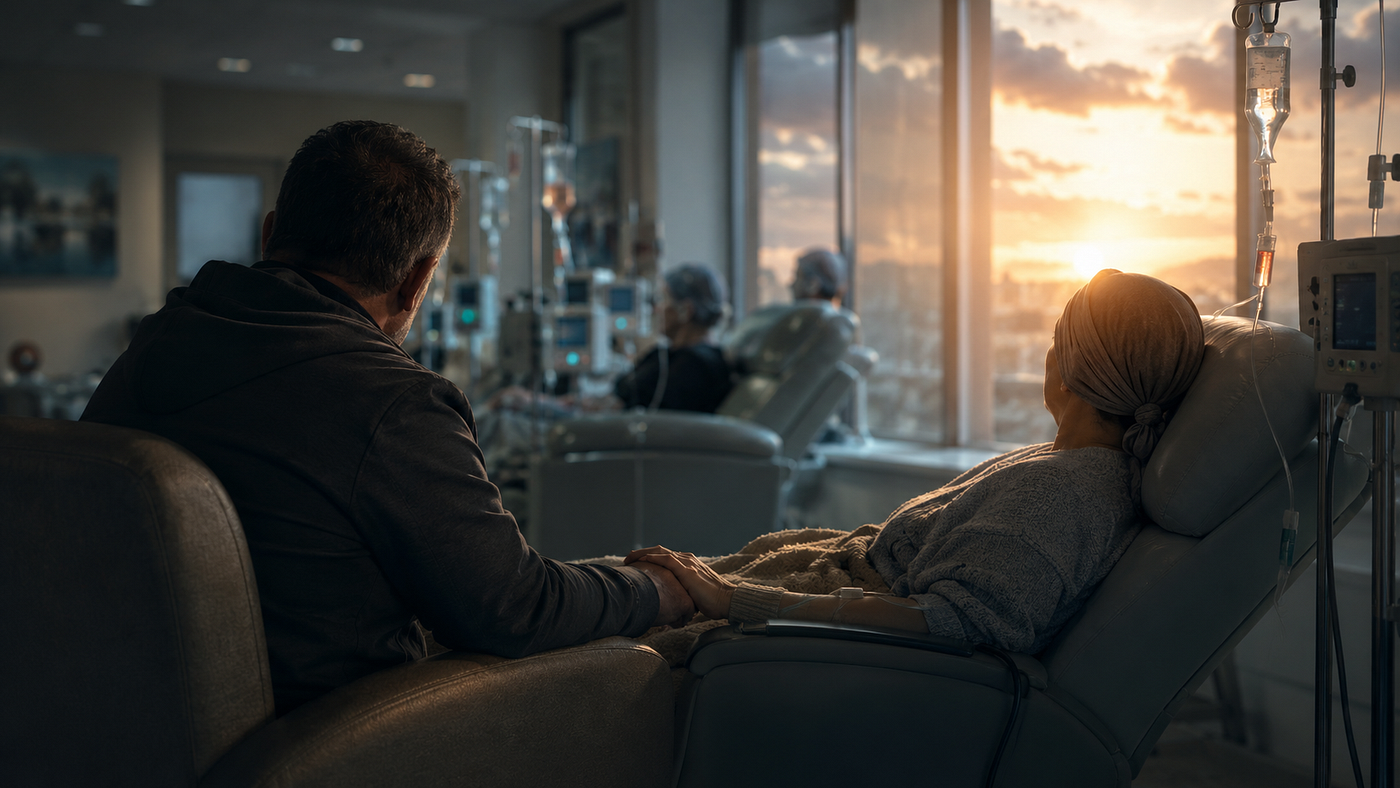
Understanding Advanced Cancer Care and Choosing the Right Oncology Support
Cancer treatment has evolved significantly over the years, offering patients better survival rates, improved recovery experiences, and more…
Understanding Advanced Cancer Care and Choosing the Right Oncology Support
Cancer treatment has evolved significantly over the years, offering patients better survival rates, improved recovery experiences, and more personalized treatment options. One of the most important decisions during this journey is choosing the **best radiation oncologist in India** who can guide patients through accurate diagnosis, treatment planning, and long-term care. Radiation oncology plays a major role in modern cancer treatment, helping millions of patients manage and fight various forms of cancer with precision and safety.
Today, advanced healthcare facilities combine medical expertise with innovative technologies to provide patient-focused oncology care. Along with cancer treatment, many hospitals also offer specialized departments including surgical care, orthopedics, physiotherapy, gastroenterology, and urology, ensuring complete healthcare support for patients and families.

Advanced Cancer Care and Choosing the Right Oncology Support
What Is Radiation Oncology?
Radiation oncology is a specialized branch of medicine that uses controlled doses of radiation to destroy cancer cells and shrink tumors. The treatment is carefully planned to target affected areas while minimizing damage to surrounding healthy tissues.
Radiation therapy can be used alone or combined with surgery, chemotherapy, or immunotherapy depending on the type and stage of cancer. It is commonly recommended for cancers affecting the breast, prostate, lungs, brain, and digestive system.
Medical experts estimate that more than half of cancer patients may require radiation treatment at some stage during their care journey. Advancements in imaging and treatment delivery have also improved the accuracy and effectiveness of radiation procedures.
Why Choosing the Right Specialist Matters
Selecting an experienced oncology specialist is essential for successful treatment outcomes. A skilled radiation oncologist carefully evaluates the patient’s medical history, imaging reports, and overall health before designing a personalized treatment plan.
The right specialist also helps patients understand possible side effects, treatment duration, and recovery expectations. Clear communication and emotional support can make a major difference during cancer treatment.
Patients should look for healthcare providers that use advanced technologies such as image-guided radiation therapy and intensity-modulated radiation techniques. These modern methods help deliver radiation more accurately while reducing side effects.
Common Cancers Treated with Radiation Therapy
Radiation oncology is used to treat several types of cancers. Breast cancer patients often receive radiation after surgery to reduce the risk of recurrence. Prostate cancer treatment may include targeted radiation to destroy cancerous cells while preserving surrounding tissue.
Lung cancer patients can benefit from radiation therapy when surgery is not possible or when combined treatments are needed. Brain tumors, cervical cancer, throat cancer, and gastrointestinal cancers are also commonly treated using radiation-based approaches.
In many situations, radiation is also used to relieve pain and improve quality of life for patients with advanced-stage cancers. This supportive care approach is known as palliative radiation treatment.
The Role of Surgery in Cancer Treatment
Surgery continues to play a critical role in cancer care. Many patients search online for a “general surgeon near me” when advised to undergo tumor removal or biopsy procedures.
General surgeons often work closely with oncology specialists to remove cancerous growths safely and effectively. Minimally invasive surgical procedures have improved patient recovery times and reduced post-operative discomfort.
Pre-surgical assessments and follow-up rehabilitation are equally important in ensuring better outcomes. Patients are encouraged to discuss treatment goals and recovery expectations with their medical team before surgery.
Importance of Digestive and Urological Health During Cancer Care
Cancer treatment can sometimes affect the digestive and urinary systems. This is why many patients may need support from specialists such as a “gastroenterologist near me” or experienced **urology surgeons** during their healthcare journey.
Gastroenterologists help manage digestive side effects caused by medications, chemotherapy, or radiation treatment. Symptoms like nausea, appetite loss, acid reflux, and bowel irregularities are common during cancer care and require proper management.
Similarly, urology specialists play a vital role in treating cancers affecting the kidneys, bladder, and prostate. Early diagnosis and coordinated treatment planning can significantly improve patient outcomes in urological cancers.
Orthopedic Care and Cancer Recovery
Certain cancers and treatments can affect bone strength and mobility. An experienced **orthopedic surgeon** may assist patients dealing with bone tumors, fractures, or joint complications caused by cancer spread or treatment-related weakness.
Orthopedic specialists also help improve mobility and physical function after surgery or long-term hospitalization. Maintaining bone health becomes especially important for elderly patients and individuals undergoing prolonged cancer treatment.
Physical movement and rehabilitation exercises can improve overall well-being and reduce the risk of complications associated with inactivity.
Why Physiotherapy Is Essential for Recovery
Many cancer patients experience fatigue, muscle weakness, and reduced mobility during treatment. Professional **physiotherapy services** can help patients regain strength, improve flexibility, and restore independence.
Physiotherapists create personalized rehabilitation plans based on the patient’s condition and treatment stage. Gentle exercises, posture correction, and breathing techniques can help improve physical and emotional health during recovery.
Research shows that patients who participate in supervised rehabilitation programs often experience better energy levels and improved quality of life compared to those who remain inactive during treatment.
Emotional and Mental Health Support in Oncology Care
Cancer treatment affects more than physical health. Patients and families often experience emotional stress, anxiety, and uncertainty during diagnosis and treatment.
Supportive counseling, patient education, and family involvement are important aspects of comprehensive cancer care. Healthcare providers now recognize the importance of emotional wellness alongside medical treatment.
Patients should never hesitate to discuss emotional concerns with their doctors or counselors. Building a strong support system can help improve confidence and treatment adherence.
Preventive Care and Early Detection
Early detection remains one of the most effective ways to improve cancer survival rates. Regular health screenings, healthy lifestyle habits, and awareness of warning signs can help identify cancer in its early stages.
Symptoms such as unexplained weight loss, persistent fatigue, unusual bleeding, or long-lasting pain should always be evaluated by a healthcare professional. Preventive healthcare and timely medical consultation can lead to faster diagnosis and more successful treatment outcomes.
Maintaining a balanced diet, avoiding tobacco, limiting alcohol intake, and staying physically active are also essential steps for reducing cancer risk.
Conclusion
Modern oncology care continues to advance with better technology, personalized treatment plans, and integrated healthcare support. Choosing experienced specialists and accessing comprehensive medical care can significantly improve treatment experiences and recovery outcomes for cancer patients.
From surgical support and digestive care to rehabilitation and orthopedic management, coordinated healthcare plays a major role in overall wellness during cancer treatment. Patients seeking advanced cancer care should focus on early diagnosis, informed decision-making, and professional guidance throughout their journey. With the right medical team and timely intervention, patients can better understand and benefit from **radiation therapy** as part of an effective cancer treatment plan.
FAQs
What does a radiation oncologist do?
A radiation oncologist specializes in treating cancer using targeted radiation techniques designed to destroy cancer cells while protecting healthy tissues.
Is radiation treatment painful?
Radiation treatment itself is usually painless, although some patients may experience temporary side effects such as fatigue or skin irritation during the treatment period.
When should I consult a general surgeon during cancer treatment?
You may need a general surgeon for biopsy procedures, tumor removal, or surgical evaluations related to cancer diagnosis and treatment.
How do physiotherapy services help cancer patients?
Professional physiotherapy services help improve strength, mobility, posture, and recovery during and after cancer treatment.
Can radiation therapy be combined with surgery?
Yes, doctors often combine surgery, chemotherapy, and radiation treatment to improve cancer treatment outcomes depending on the patient’s condition.
메타데이터
- post_id
- 0bdd63db20fc
- slug
- understanding-advanced-cancer-care-and-choosing-the-right-oncology-support-0bdd63db20fc
- url
- https://medium.com/@behgalhospital94/understanding-advanced-cancer-care-and-choosing-the-right-oncology-support-0bdd63db20fc
- canonical_url
- https://medium.com/@behgalhospital94/understanding-advanced-cancer-care-and-choosing-the-right-oncology-support-0bdd63db20fc
- author_url
- https://medium.com/@behgalhospital94
- status
- ok
- fetched_at
- 2026-06-09 15:37:30